

Solar kits make sense when you want a cleaner setup than piecing parts together one by one. Some of these picks fit a weekend camper, others suit a cabin, a van, or a full home backup plan, so your job is really about matching capacity, battery type, and controller style to how you live.
That’s where this roundup helps. You get compact starter sets, mid-size RV packages, and larger whole-house systems, with clear trade-offs spelled out so you can choose without sorting through a maze of similar-looking listings.
Quick Look At Our Top Picks

Renogy 400W 12V Premium Solar Power System

ECO-WORTHY 400W 12V Premium Solar Panel Kit

100W Solar Panel Kit 12V Battery Maintainer

ECO-Worthy 1.6KWH Complete Solar Panel Kit 400W 12V

ECO-Worthy 7.168KWH 800W Solar Panel Kit
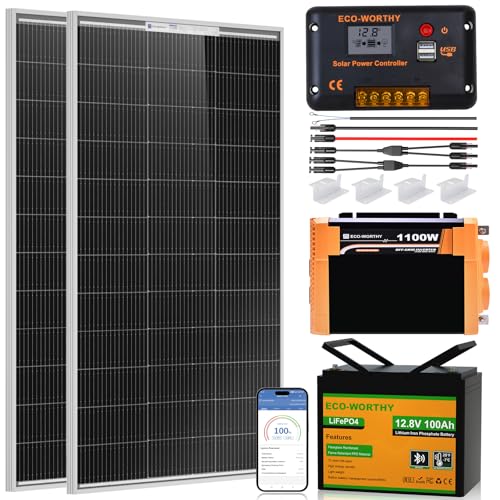
ECO-WORTHY 200W 12V Complete Solar Panel Starter Kit

ECO-WORTHY 10KW Output 9.36KWH Off Grid Solar System
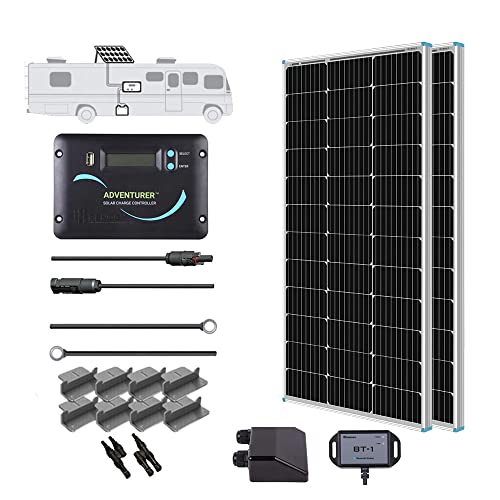
Renogy 200W 12V N-Type RV Solar Panel Kit

ECO-WORTHY 4.68KWH Solar Power Complete Kit 1200W 48V
More Details On Our Top Picks
Renogy’s 400-watt layout sits in the sweet spot for RV use, small cabins, and weekend backup loads. The four 100W panels keep the footprint modular, while the 40A MPPT controller, which tracks power at a higher-voltage sweet spot, helps make better use of changing light.
The Bluetooth module is handy for anyone who wants to check status without living beside the gear, and the included mounting hardware plus cables reduce the parts chase. The trade-off is simple, this is a system built around panels and control gear, not storage, so your battery plan still needs attention.
Strong Points
- Four-panel layout makes roof placement easier to plan.
- MPPT charging suits mixed light and changing conditions.
- Bluetooth support helps you check system status from your phone.
- Mounting brackets and tray cables cut down on add-on shopping.
- Good match for a travel trailer or small off-grid shed.
Things To Consider
- You still need compatible batteries and a sensible storage plan.
- Roof installation takes careful spacing and tidy cable routing.
- Owners of very small rigs may find 400W more than they need.
Feature Snapshot
Who It Suits Best
RV owners and small off-grid setups get the most from this balanced 12V package.
A Better Fit Elsewhere
ECO-WORTHY 1.6KWH Complete Solar Panel Kit 400W 12V is the easier call for someone who wants battery and inverter support bundled in.
This ECO-WORTHY kit follows the same 400W class as the Renogy set, but it leans harder into a broad, ready-to-build package. The four N-Type panels, MPPT controller, Bluetooth module, and Z brackets make it feel like a planning shortcut for RVs, boats, or a small home backup array.
N-Type cells are a newer panel design that aims for strong output and a cleaner long-term feel, though the practical win here is mostly in the package breadth. The catch is that this still stops short of batteries and inverter gear, so you are choosing structure, not a complete power bank.
What We Like
- N-Type panel design gives the kit a more current build profile.
- Four 100W panels keep handling and placement straightforward.
- Bluetooth support fits users who prefer quick status checks.
- MPPT control is a solid match for mixed weather use.
- Works across home, RV, boat, or camper setups.
Softer Spots
- Storage and inverter pieces are not part of the kit.
- Roof installs still need careful sealing and cable routing.
- Shoppers wanting a full power station will need extra components.
Details At A Glance
Built With In Mind
RVers and boat owners who want a modern 400W panel package without a storage stack get the most from this one.
Swap It Out When
Renogy 400W 12V Premium Solar Power System suits someone who wants a similar class but prefers the Renogy ecosystem and accessory bundle.
Hoysicy keeps this one lean, and that is the appeal. A single 100W monocrystalline panel, a 20A controller, and 16.4 feet of extension cable make it easy to think about for battery maintenance on an RV, boat, or storage rig.
Monocrystalline panels, which use a single-crystal cell structure, tend to be a sensible pick where space matters. You may find the output modest for larger loads, but for maintaining a 12V battery or supporting light use, the smaller footprint is the point.
Reasons To Buy
- Simple parts list keeps the install less intimidating.
- Monocrystalline panel style suits compact mounting areas.
- Long extension cables help with flexible placement.
- Good fit for battery tending on seasonal equipment.
Room For Improvement
- Single-panel output is better for maintenance than heavy daily loads.
- Shoppers wanting more room to expand may need a larger kit later.
- Wire management still matters on moving vehicles.
Core Details
The Right Fit
Seasonal RV owners, marine setups, and storage batteries suit this smaller 12V kit well.
Another Choice May Suit
Renogy 200W 12V N-Type RV Solar Panel Kit fits better for someone who wants more panel area and a controller matched to a larger roof plan.
This ECO-WORTHY package moves beyond panels and into a fuller RV power setup. Along with the 400W array and 40A MPPT controller, you also get two 12V 100Ah lithium batteries and a 2000W inverter, so the box arrives much closer to a usable system.
That matters on trips where you want to skip the piecemeal shopping and get to a working layout sooner. The honest read is that a larger bundle also means more planning around weight, placement, and wiring, but it saves a lot of guesswork for first-time off-grid projects.
Highlights
- Batteries and inverter are already included.
- 400W panel array suits many RV energy plans.
- 40A MPPT controller helps the charging side stay organized.
- Bluetooth support makes system checks less awkward.
- Good step up from panel-only kits like the Renogy 400W set.
Points To Note
- Installed weight and space take more planning than a panel-only kit.
- Battery and inverter placement can complicate the install.
- May feel larger than needed for very light weekend use.
Quick Facts
Who Should Grab It
RV owners who want a more complete off-grid setup without building every piece separately will appreciate this bundle most.
Where A Sibling Pick Shines
ECO-WORTHY 400W 12V Premium Solar Panel Kit suits you better when you already have batteries and only need the generation side.
This is where the kit size starts feeling serious. Four 195W panels, a 60A MPPT controller, two 12.8V 280Ah lithium batteries, and a 3000W UPS inverter charger give this package the kind of structure that suits longer stays and larger electrical habits.
UPS stands for uninterruptible power supply, which means the inverter charger is built to help keep power flowing with less disruption in the background. You should expect a more involved install, but that extra complexity lines up with the kind of output this system is chasing.
Best Bits
- Large battery bank supports more comfortable off-grid living.
- 3000W inverter charger handles a broader appliance mix.
- 60A MPPT controller fits the bigger panel array well.
- Bluetooth support helps with routine system checks.
- Better matched to long-haul RV use than the 200W starter kits.
Trade Offs
- More components mean more space and wiring attention.
- Overkill for short trips and light battery maintenance.
- Cabinet layout matters a lot with this much hardware.
At A Glance
Whose Shelf It Belongs On
Full-time RV travelers and larger van builds will get the most from this higher-capacity bundle.
Look Elsewhere When
ECO-WORTHY 1.6KWH Complete Solar Panel Kit 400W 12V is easier to live with for lighter installs and simpler power needs.
For a first RV power setup, this bundle keeps the learning curve manageable. Two 100W panels, a 30A controller, a 100Ah lithium battery, and an 1100W inverter give you a compact path into solar without jumping straight to the larger systems above.
That smaller scale can be a virtue in a tight cabinet or a modest camper, especially where storage space is already crowded. The trade-off is capacity, of course, so you are buying a starter layout rather than a system built for heavier appliance use.
Positives
- Starter-friendly bundle keeps the parts list simple.
- Battery and inverter are included, which helps you get moving sooner.
- 200W output works well for smaller rigs and lighter power habits.
- 30A controller fits the scale of the package.
Minor Gripes
- Output is modest compared with the 400W and 800W kits.
- Not the right path for heavy appliance use.
- Cabinet organization still matters for a tidy install.
Technical Sheet
Perfect Match For
New RV owners and weekend campers who want a simple starter package will find this kit easy to approach.
Skip It When
ECO-WORTHY 400W 12V Premium Solar Panel Kit is the better step up for anyone who already knows a 200W setup will feel small.
This is the most serious home-focused system in the group, and it looks the part. Twelve 195W panels, a 10KW 120V/240V inverter, and two 48V 100Ah lithium batteries set up a platform that makes sense for larger households chasing off-grid backup.
The listed inverter and battery certifications add confidence for households that care about component structure and system planning. That said, this is not a casual weekend install, and the size of the package means you’ll want room, patience, and a clear electrical plan before anything gets mounted.
Bright Spots
- Large 12-panel array supports a substantial home setup.
- 120V/240V inverter suits more demanding household planning.
- Two high-capacity batteries give the storage side real depth.
- Better fit for home backup than the RV-centered kits.
Areas To Watch
- Install complexity is much higher than the smaller bundles.
- Space planning matters for both indoor and outdoor components.
- Overkill for campers, boats, and weekend use.
Feature Rundown
Who Will Love This
Homeowners building a larger off-grid backup setup will appreciate the scale and voltage flexibility here.
Another Choice May Suit
ECO-WORTHY 4.68KWH Solar Power Complete Kit 1200W 48V is the easier match for a mid-size home that does not need this much output.
Renogy takes a different route here than the 400W sibling above, starting with a 200W N-Type panel setup and pairing it with an Adventurer 30A LCD PWM controller. PWM, or pulse-width modulation, is a simpler controller style than MPPT, and that keeps the system approachable for smaller RV or marine installs.
The included mounting brackets help on roofs, rails, or trailer surfaces where a tidy install matters more than headline output. You may find the 200W ceiling modest for bigger appliance plans, but for travel trailers, boats, and seasonal rigs, it fits the job cleanly.
Upsides
- N-Type panel design keeps the kit feeling current.
- LCD controller makes status checks easier at a glance.
- Mounting brackets are included for a more complete install.
- Good balance for small moving platforms like trailers and boats.
Small Caveats
- PWM control is simpler than the MPPT route used in the 400W kits.
- Output suits smaller electrical loads better than larger ones.
- Roof maintenance still depends on neat sealing and cable care.
Feature Card
Best Suited To
Travel trailer owners and small-boat setups get a clean, manageable fit from this kit.
Reach For A Different Pick When
Renogy 400W 12V Premium Solar Power System is the better step up for anyone who wants more output and a stronger controller class.
This ECO-WORTHY bundle sits between the RV kits and the massive home system, and that middle ground is useful. Six 195W bifacial panels, a 48V 50Ah lithium battery, and a 3500W solar charger inverter give you a stronger home backup option without jumping all the way to the 10KW setup.
Bifacial panels can take in light from both sides, which makes sense in open mounting situations where reflected light can help. For a home with limited roof space or a smaller backup target, this package feels more practical than the huge arrays above, though it still needs a serious install plan.
Standout Traits
- Bifacial panel design adds flexibility in the right mounting spot.
- 48V system design suits more serious home backup planning.
- 3500W inverter charger broadens the appliance range.
- Smaller than the 10KW kit, which helps with placement.
Honest Caveats
- Still more complex than the RV-focused kits.
- Battery capacity is smaller than the larger home system above.
- Best results depend on careful layout and mounting conditions.
Core Details
Built For In Mind
Homeowners who want a step-up backup system with less bulk than the largest kit will appreciate this one.
Where Shoppers Go Wrong
ECO-WORTHY 10KW Output 9.36KWH Off Grid Solar System is the better match for households that already know they need much larger output.
How To Choose The Right Solar Kits
Match Output To Real Use
Start with the loads you actually expect to run. A 100W or 200W kit is usually a fit for battery upkeep, lights, and light electronics, while 400W systems are a better middle ground for RV life or a small cabin.
Once you move into 800W or 1200W territory, the conversation changes. You’re no longer just topping off batteries, you’re planning how long you want to stay off-grid and how much AC gear you expect to use.
Pick The Right Controller Style
MPPT controllers, short for maximum power point tracking, are the more efficient option in the kits above, especially where sunlight changes during the day. PWM controllers are simpler and often fine for smaller systems, but they usually make more sense when your power needs stay modest.
The trade-off is cost and complexity versus simpler operation. For a larger roof array or a mixed-weather setup, MPPT is usually the smarter choice.
Think About Storage First
Panels matter, but batteries decide how much usable energy sits on hand after sunset. A panel-only kit works for people who already have storage, while a complete bundle with lithium batteries makes more sense for a first build or a clean reset.
Lithium batteries are lighter than many older battery styles and hold up well for recurring use, though the system price rises with that convenience. For weekend campers, smaller battery banks keep the package manageable; for house backup, the larger 48V options do the heavier lifting.
Size The Kit To The Space You Have
Roof length, cabinet depth, and cable routing can matter as much as output. Four 100W panels are easier to place than one huge panel, while larger 195W arrays may suit open roofs or home mounting space better.
Maintenance also deserves a look. Systems with Bluetooth monitoring and clearly grouped parts are easier to live with, especially when the setup sits on a moving RV or in a crowded utility corner.
Things Worth Knowing First
Wrong Turns To Avoid
Many people start with too little output or too much gear for the space available. A starter kit that looks tidy can feel cramped fast once you add batteries, inverter hardware, and wiring runs.
Another common miss is pairing the wrong controller style with the job. A simpler PWM controller can work, but a larger array usually benefits from MPPT.
The Upgrade Payoff
Higher-tier systems cost more because you’re paying for more panels, bigger batteries, stronger inverters, and more controller headroom. The jump from a 200W starter kit to a 400W or 800W bundle is less about bragging rights and more about reducing generator dependence and awkward power juggling.
That extra spend is worth it when your daily routine includes refrigeration, longer stays, or household backup planning. For short trips and battery maintenance, the smaller kits stay easier to own.
Frequently Asked Questions
How much solar output do you need for an RV?
Smaller campers usually do fine with 100W to 200W for maintenance and light use. A 400W kit gives you a more comfortable buffer for routine travel.
What is the difference between MPPT and PWM?
MPPT is the more efficient controller style and is common in the larger kits here. PWM is simpler and usually fits smaller, less demanding setups.
Do you need batteries with a solar kit?
Yes, if you want stored power after the sun goes down. Panel-only kits work best when you already have batteries in place.
Are bifacial panels worth considering?
Bifacial panels can collect light from both sides, which helps in open mounting situations. They make the most sense where reflected light is available.
What size kit suits home backup?
For smaller backup plans, a 4.68KWH or 1.6KWH bundle can be a sensible starting point. Larger homes with broader loads usually need the 10KW-class setup.
Final Thoughts
Your best fit depends less on marketing language and more on space, storage, and how much power you actually want available. The small Hoysicy kit suits battery maintenance, the 400W Renogy and ECO-WORTHY sets cover many RV and camper needs, and the larger ECO-WORTHY home systems step in when the goal shifts to serious backup capacity. Start with the load, then match the kit to the roof, the cabinet, and the kind of use you live with every day. That keeps the purchase grounded, and it usually leads to a setup you’ll be happy living with.
