

Solar Cell Chargers make sense when outlets are scarce and your day still keeps moving. You get a practical way to top up a phone, power bank, or small accessory during camping, backup planning, and long days away from a wall plug. The right panel size, port mix, and weather resistance matter more than flashy marketing. This roundup keeps the focus on real use, not wishful thinking.
Quick Look at the Shortlist

BigBlue Ultra-Light Portable 25W Solar Panel Charger

FlexSolar 20W Foldable Solar Panel Charger

SOLUPUP Solar Panels 30W Portable Foldable Solar Charger

30W Portable Solar Panel Charger USB and Type-C Outputs

Ecosonique 30W Portable Foldable Solar Panel Charger USB-C USB-A

Ecosonique 30W Portable Foldable Solar Panel Charger USB-C USB-A
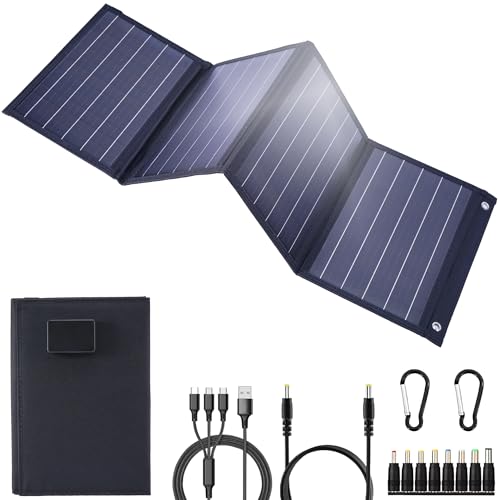
2026Upgrade 40W Foldable Solar Panel Charger
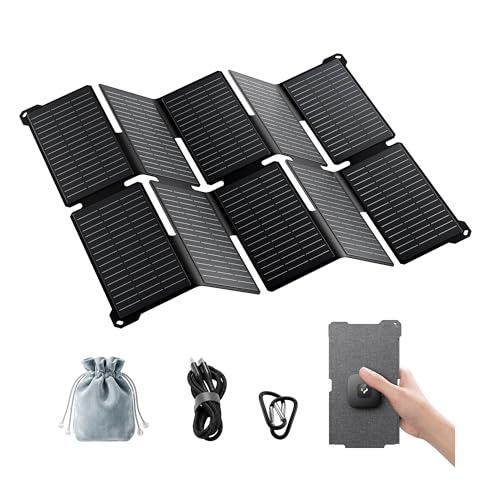
35W Portable Solar Panel Charger 25.4% Efficiency USB-C USB-A

45W Portable Solar Panel Charger 25.4% Efficiency Dual USB-C
More Details On Our Top Picks
BigBlue keeps the focus on carry comfort, and that matters in a daypack or glove box. At 0.84 pounds, it disappears in the pack much easier than bulkier folding panels, yet you still get USB-A and USB-C ports for common mobile gear.
The IP68 rating points to strong dust and water resistance, so rough weather on a campsite feels less nerve-racking. You may find the 25W ceiling better for topping up essentials than for pushing larger devices, and that’s the honest trade-off for such a light build.
Strong Points
- Very light weight helps on hikes and commuter packs.
- USB-A and USB-C cover newer and older cables.
- IP68 protection adds confidence around dust and wet conditions.
- Pocket-size format stores neatly in tight spaces.
Things To Consider
- 25W suits smaller charging jobs more than heavy demand.
- Compact size usually means a smaller solar surface.
- Folding panels reward careful packing to avoid scuffs.
Key Specs
Who It Suits Best
Campers, commuters, and light packers who want the smallest possible solar carry will get the most from this panel.
Where A Sibling Pick Shines
GEYOTO 35W Portable Solar Panel Charger 25.4% Efficiency USB-C USB-A suits you better when you want more output for backpacking loads.
FlexSolar goes straight at basic utility, which is exactly what a backup kit needs. The 20W design, dual 5V USB-A and USB-C outputs, and compact foldable format make it a straightforward match for phones, flashlights, small fans, and power banks.
IP67 waterproofing gives you a bit more breathing room around rain and dust than lighter-duty options, though the trade-off is still output size. For emergency bags, weekend hiking, or a car kit, that balance feels sensible rather than overbuilt.
What We Like
- Dual 5V ports handle common small devices.
- Foldable size makes storage simple in emergency kits.
- IP67 rating helps in rough outdoor conditions.
- Works well as a backup charging source.
Worth Noting
- 20W output is modest for larger power needs.
- Direct sunlight matters a lot for practical results.
- Folded panels still need dry storage after trips.
Feature Snapshot
Made For
Backpackers, hikers, and emergency planners who want a simple solar backup with familiar port choices fit this model well.
Another Choice May Suit
BigBlue Ultra-Light Portable 25W Solar Panel Charger USB-A USB-C suits you better when every ounce matters more than raw waterproofing depth.
This SOLUPUP panel sits in the middle of the pack in a useful way, because 30W gives you more breathing room than 20W without jumping into a heavier setup. USB-A and USB-C compatibility keeps it friendly with iPhone, iPad, Samsung gear, and power banks.
The built-in smart chip is the interesting part here, since it identifies connected devices and helps manage overcurrent, overvoltage, and short circuits. It also reconnects after sunlight returns, which is handy on a trail where clouds keep interrupting the charge.
Highlights
- 30W output gives a useful middle ground for travel.
- Smart chip logic adds more orderly charging behavior.
- Auto-reconnect helps after brief sunlight interruptions.
- USB-A and USB-C keep cable matching simple.
- IPX5 waterproofing helps in light wet conditions.
Softer Spots
- IPX5 is lighter protection than the IP67 and IP68 picks.
- Panel output still depends heavily on clear sun.
Core Details
Built With In Mind
Travelers and campers who want a more capable middleweight panel without moving into a larger rig will appreciate this fit.
Swap It Out When
GEYOTO 35W Portable Solar Panel Charger 25.4% Efficiency USB-C USB-A suits you better when you want a bit more output and stronger weather protection.
Two-device charging is the headline here, and for a shared camping setup that can save a little cord swapping. The 5V/3A max output spec gives you a clearer sense of what the panel is built to handle, especially for phones, tablets, and power banks.
IP67 waterproofing strengthens the case for outdoor use, though you still want to keep ports and cables clean after dusty trips. Compared with SOLUPUP’s chip-managed design, this Luvknit model leans more toward straightforward utility than device-level smart behavior.
Reasons To Buy
- Two-device charging works well in shared travel setups.
- USB and Type-C outputs cover common gear.
- IP67 rating gives solid outdoor peace of mind.
- 30W output fits phones and smaller tablets.
Areas To Watch
- 5V/3A max keeps expectations grounded for bigger loads.
- Shared charging can split available solar output.
- Outdoor use means regular cable and port cleaning.
Details At A Glance
Right Fit For
Campers or road-trippers who want a plainspoken panel for two devices at once will find the layout easy to live with.
Look Elsewhere When
2026Upgrade 40W Foldable Solar Panel Charger suits you better when output and charging headroom matter more than sharing two ports.
ETFE is the detail that gives this panel a more premium material story, since that top layer is commonly chosen for better outdoor durability and light transmission. In a travel bag or on a campsite table, the lightweight foldable format makes it easier to carry than a stiffer panel with the same output class.
The USB-C and USB-A pairing keeps it flexible, and the waterproof build is reassuring during ordinary outdoor use. Compared with the Luvknit option, this one leans a little more toward material quality and portability than dual-device charging simplicity.
Upsides
- ETFE construction adds a sturdier surface layer.
- Lightweight build suits walking, packing, and travel.
- USB-C and USB-A match common modern gear.
- Foldable format stores cleanly between outings.
Minor Gripes
- The source details stay light on port behavior.
- Folded panels still need careful storage to avoid wear.
- Waterproof does not replace sensible cable handling.
Feature Card
Who Should Grab It
Travelers and day hikers who want a lighter 30W panel with a tougher-sounding surface layer should look closely here.
Reach For A Different Pick When
BigBlue Ultra-Light Portable 25W Solar Panel Charger USB-A USB-C suits you better when lowest carry weight matters more than a 30W class panel.
This second Ecosonique listing mirrors the same 30W foldable, lightweight, ETFE, waterproof setup, so the value here depends on which version is available to you through the listing. That makes it more of a duplicate-format option than a separate use-case, which is helpful to know before you settle on one.
For camping, travel, and phone charging, the same USB-C and USB-A layout keeps it broadly useful. The real-world question is simply which of the two Ecosonique listings has the cleaner fit for your cart, because the practical profile is otherwise very close.
Best Bits
- Same core 30W, foldable travel-friendly format.
- ETFE and waterproof construction suit outdoor carry.
- USB-C and USB-A fit common charging habits.
Points To Note
- This listing tracks closely with the other Ecosonique option.
- Duplicate-style choices can make comparison feel repetitive.
Core Details
The Right Fit
Travel-minded campers who want a light 30W panel and do not mind close similarity to another listing will understand this choice quickly.
Where A Sibling Pick Shines
FlexSolar 20W Foldable Solar Panel Charger USB-A USB-C Output suits you better when you want a simpler, smaller backup panel for emergency kits.
The jump to 40W changes the conversation, because you get more charging headroom for travel and emergency use. The listing also calls out a 25% efficiency N-type cell, and that matters since higher-efficiency panels can make better use of a given footprint in sunny conditions.
USB-C, USB-A, and DC12V widen the compatibility story, which helps more than one charging setup in a car or campsite. One thing worth considering is that higher output can still depend on good placement, so the panel rewards a little more attention than the smaller BigBlue or FlexSolar picks.
Standout Traits
- 40W output gives stronger charging potential.
- 25% efficiency is an appealing headline spec.
- USB-C, USB-A, and DC12V broaden compatibility.
- IP67 protection helps around weather and dust.
- Suitable for more demanding outdoor routines.
Trade Offs
- More power usually means more attention to placement.
- DC12V matters most for specific gear users.
- Foldable panels still benefit from careful folding and storage.
Quick Facts
Whose Shelf It Belongs On
Outdoor travelers and emergency kit planners who want more output without moving to a bulky setup will get the clearest payoff here.
Not Your Match When
BigBlue Ultra-Light Portable 25W Solar Panel Charger USB-A USB-C suits you better when the lightest possible carry matters more than stronger output.
This GEYOTO panel lands in a sweet middle lane, because 35W and 25.4% efficiency sit just above the 30W group without pushing into the heavier 45W class. The USB-C PD and USB-A QC ports matter too, since PD means Power Delivery and QC means Quick Charge, both aimed at more efficient device handoff.
At 1.5 pounds, it stays backpack-friendly, and IP68 gives it the strongest protection profile in this specific tier of the shortlist. For backpacking, that mix feels especially practical, though you still need decent sun and a clean panel face for the best day-to-day use.
Bright Spots
- 35W output gives a meaningful step up from 30W units.
- USB-C PD and USB-A QC are useful charging styles.
- 1.5-pound foldable build stays reasonable for travel.
- IP68 protection strengthens outdoor confidence.
Room For Improvement
- Higher output still depends on weather and panel angle.
- The 1.5-pound carry is not the lightest here.
- Special port labels help most when your gear supports them.
Feature Rundown
Perfect Match For
Backpackers and hikers who want a strong balance of output, port quality, and weather resistance will get the most from this model.
A Better Fit Elsewhere
2026Upgrade 40W Foldable Solar Panel Charger USB-C USB-A DC12V makes more sense when you want a higher output ceiling and the extra DC output.
Among the shortlist, this GEYOTO panel gives you the most output headroom at 45W, so it naturally suits longer stays and gear-heavy routines. The 25.4% efficiency figure keeps the solar side interesting, and the dual USB-C layout is useful for modern charging habits.
USB-A still stays in the mix, which keeps older cables in play, and the 1.7-pound foldable design remains reasonable for camping packs. Compare it with the 35W GEYOTO version, and you get a little more muscle at the cost of a bit more carry weight.
Positives
- 45W output gives the broadest power ceiling here.
- Dual USB-C helps with newer cable-heavy setups.
- USB-A support keeps legacy gear in the rotation.
- IP68 protection suits rough outdoor use.
- Foldable design still packs more easily than rigid panels.
Honest Caveats
- Heavier than the 35W choice by a small margin.
- Higher output works best with strong sun exposure.
- Dual USB-C matters most for USB-C-first setups.
Technical Sheet
Who Will Love This
Campers and backpackers with more devices to keep moving will appreciate the extra overhead this panel brings.
Skip It When
FlexSolar 20W Foldable Solar Panel Charger USB-A USB-C Output suits you better when you want a smaller, simpler panel for backup use.
How To Choose The Right Solar Cell Chargers
Power Output Should Match Your Gear
Start with the wattage, because that number sets the ceiling for how much solar input the panel can offer. A 20W or 25W unit fits phones, small lights, and a power bank, while 35W to 45W gives you more breathing room for longer outings or heavier mobile use.
Higher wattage helps, but it also tends to bring more size and weight. That trade-off matters on a trail, in a glove box, or in a go-bag where every ounce counts.
Port Layout Affects Everyday Use
USB-A still shows up on plenty of cables and accessories, while USB-C is now the more flexible option for newer phones and tablets. A mix of both usually keeps you from hunting for adapters in the middle of a trip.
Special port labels such as PD, which stands for Power Delivery, or QC, which stands for Quick Charge, matter most when your phone or bank can use them. They do not replace a good cable, but they can make the setup cleaner.
Weather Rating And Build Materials Matter
IP67 and IP68 ratings signal stronger protection against dust and water exposure than lighter outdoor ratings. That matters for camping and travel, since folded panels often end up on damp picnic tables, packed beside gear, or used during unsettled weather.
ETFE surfaces are worth noting too, because this top layer is commonly chosen for outdoor durability and light transmission. A tougher surface can make routine handling feel less delicate, although careful storage still pays off.
Think About Your Usual Scenario
Weekend campers, emergency planners, and backpackers do not need the same setup. A light 20W panel serves backup charging well, while a 40W or 45W option makes more sense for longer stays, more devices, or slower sun conditions.
The cleanest choice is the one that fits your actual routine, not the biggest number on the listing. A small panel that gets used often beats a larger one that stays at home.
Things Worth Knowing First
Common Shopping Slip Ups
Many shoppers focus on wattage and skip the port mix, which can leave them short on cable compatibility. A panel with the wrong connector layout becomes awkward very quickly.
Another common miss is ignoring weight and fold size. A model that looks fine online can feel bulky in a pack or too awkward for a car kit.
What The Higher Tier Buys
More expensive solar panels usually pay for higher efficiency cells, stronger weather protection, or added port options. That can matter in real use, especially on trips where you rely on the panel for longer stretches.
The upgrade is worth it when you need steadier output, better durability, or a more versatile port mix. For casual topping up, a simpler model often makes more sense.
Frequently Asked Questions
Can Solar Cell Chargers Work On Cloudy Days?
They can still gather some energy, but output drops when sunlight weakens. A brighter panel with better efficiency usually handles those days more gracefully.
Do You Need A Power Bank With A Solar Panel?
A power bank gives you a steadier way to store energy for later use. That helps when the sun disappears before your phone is full.
Are Foldable Panels Hard To Carry?
Foldable designs are built for travel, so they usually pack better than rigid panels. Weight still matters, especially on long walks or in a full backpack.
What Port Type Matters Most?
USB-C suits newer gear and keeps the cable kit simpler. USB-A still helps with older accessories and backup cords.
How Do You Pick The Right Wattage?
Match the wattage to your main device and how long you stay away from outlets. A modest panel suits occasional top-ups, while a larger one fits extended outdoor use better.
Closing Thoughts
Solar Cell Chargers work best when you match them to the way you actually travel, camp, or handle outages. Small panels make sense for light carry and backup charging, while larger foldable options give you more margin for long days and multiple devices. The strongest choice is usually the one that fits your bag, your cables, and your routine without drama. Keep those basics in view, and the right panel gets much easier to spot.
