

I remember the frustration of mid-game controller death on a Saturday afternoon, scrambling for fresh AAAs while the kids argued. That’s the kind of everyday chaos a good rechargeable setup quietly solves. I’ve spent years rotating through household batteries for remotes, thermometers, flameless candles, and bathroom scales, so I know how much a reliable recharge-and-go kit changes the routine. The eight picks below cover the real-world scenarios people run into, from a quick household starter to a heavy-rotation household hub.
A Snapshot Of The Selections
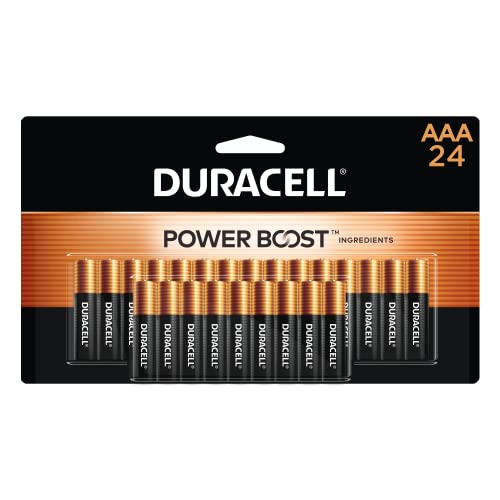
Duracell Coppertop AAA Batteries 24-Pack

WENJOOP 8-Slot AA/AAA Charger with 8 AAs

PHILIPS AA Lithium Rechargeable Batteries 1.5V 8-Pack
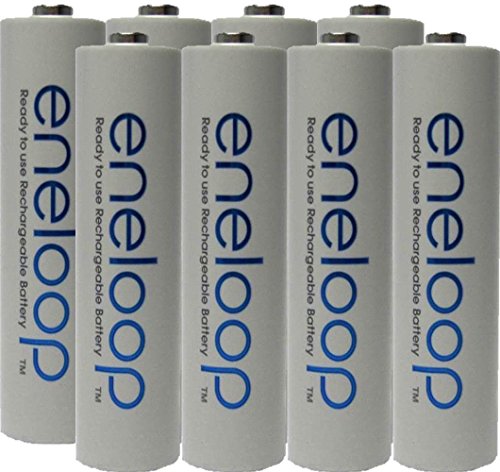
Eneloop 4th Gen AAA Rechargeable Batteries 8-Pack

WENJOOP 2800mAh AA Rechargeable Batteries 12-Pack
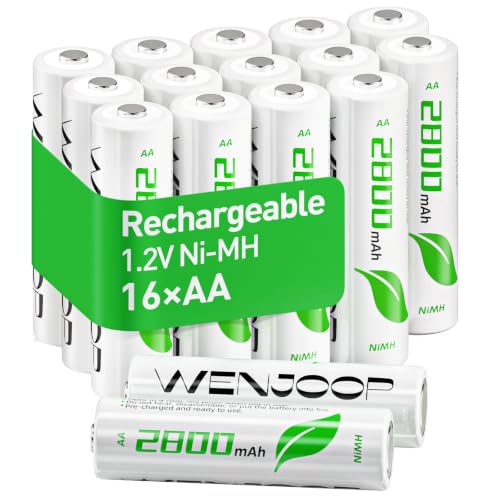
WENJOOP 2800mAh AA Rechargeable Batteries 16-Pack

WENJOOP 2800mAh AA Rechargeable Batteries 24-Pack

Eneloop Panasonic CC55 Charger with AA and AAA Batteries
More On The Choices That Made The List
This is the pack I think of first for the drawer in the kitchen, the one that quietly powers the wall clock, the digital thermometer, the flameless candles, and the small remote the dog chewed on. Duracell’s Coppertop AAA 24-count is a single-use alkaline, not a rechargeable, so I want to be honest about that up front. It earns its spot on this list because the long 12-year storage claim means I can buy one box, put it in the closet, and forget about it for years.
For people who already own a recharge setup and just want a stress-free emergency supply on the side, it fills a real gap. Where it falls short is the obvious one: you can’t recharge it, so for a controller that eats cells every weekend, you’d burn through a pack fast.
Noteworthy Benefits
- Long claimed storage life for emergency stashes
- 24-count pack covers most small household devices at once
- Familiar form factor that fits any standard AAA compartment
- No learning curve, no charger, no special handling
Things To Consider
- Single-use only, no recharge cycles to amortize the cost
- Not the right tool for high-drain devices used every day
Right Fit For
People who want a reliable backup supply for low-drain devices and emergency kits, and who already rely on rechargeables elsewhere.
Consider Something Else When
Frequent users of game controllers or kids’ toys should reach for the WENJOOP 8-Slot AA/AAA Charger with 8 AAs instead, which recycles power over and over.
Where the Duracell box is the quiet drawer stash, this WENJOOP kit is the workshop hero. The headline feature is the eight independent charging slots, meaning each cell charges on its own rather than in matched pairs. That matters in real life: my son’s controller goes through one battery faster than the rest, and I can drop a single cell back in without waiting for a full pair. The included eight AA 2800mAh NiMH cells (nickel-metal hydride, a rechargeable chemistry that handles hundreds of cycles) are a useful starting supply out of the box.
It accepts both AA and AAA sizes in the same slots, so this is genuinely a single charger for the household. For someone who is just transitioning from disposables to rechargeables, that one-cabinet footprint is a real win.
The Case For It
- Eight independent slots free you from pairing batteries
- Combined AA and AAA compatibility in one unit
- Comes with eight high-capacity AA cells to start
- Good fit for a household juggling many devices at once
Points To Note
- Charger body is on the larger side for tight shelves
- Owners commonly report a longer full-pack charge time than smaller two- or four-bay units
Feature Snapshot
Whose Shelf It Belongs On
Multi-device households that rotate through dozens of batteries a month and want one central charging station instead of a tangle of small ones.
Look Elsewhere When
Someone wanting premium brand-name cells out of the box should look at the Eneloop Panasonic CC55 Charger with AA and AAA Batteries, which trades starter count for known cell pedigree.
These are the only lithium-based rechargeables on the list, and that changes the experience in a noticeable way. Standard NiMH cells output about 1.2V, while this PHILIPS pack holds a steady 1.5V throughout the discharge cycle. A few sensitive electronics, including some digital cameras, game controllers, and flameless candle timers, misbehave with a slowly dropping voltage, so the constant output can solve a real annoyance. The 3000mWh energy rating converts to roughly 2000mAh at the 1.5V mark, plenty for mid- to high-drain gear.
One important caveat I want to flag: lithium rechargeables often need their own compatible charger, so pair this with a charger that explicitly lists 1.5V lithium support. Plugging them into a NiMH-only charger is a common pitfall.
Key Advantages
- Stable 1.5V output from full to empty
- Lithium chemistry is lighter than NiMH for the same capacity
- Higher usable capacity for power-hungry electronics
- Lower self-discharge so cells hold charge longer on the shelf
Trade Offs
- Often needs a charger rated for 1.5V lithium, not a standard NiMH unit
- Higher upfront cost per cell than NiMH options
Made For
People running demanding electronics like game controllers, camera flashes, or smart door locks who want consistent output rather than a slow voltage decline.
Reach For A Different Pick When
Someone with a tight budget and a stack of standard NiMH chargers will get more mileage from the WENJOOP 2800mAh AA Rechargeable Batteries 12-Pack for everyday use.
The Eneloop name has become shorthand for “the rechargeable that just keeps going,” and this 4th-generation AAA pack explains why. The 2100-cycle rating is the kind of number that quietly pays for itself: even charging twice a week, that is two decades of use before meaningful capacity loss. The cells ship pre-charged by solar power, according to the brand, and they hold their charge on the shelf far better than older NiMH generations.
The pack also improves cold tolerance compared to earlier Eneloop versions, which matters for outdoor sensors, garage door openers, and the occasional forgotten flashlight in a winter car. AAA is the right size for TV remotes, small flashlights, and digital thermometers, so this fills a lot of slots around the house.
Everyday Advantages
- Up to 2100 recharge cycles per cell, a long-term ownership play
- Strong shelf retention when not in use
- Improved cold-weather performance for outdoor gadgets
- Comes with a storage case for keeping cells organized
Room For Improvement
- Charger sold separately, so factor that into the total cost
- AAA only here, no AA cells in this particular pack
Key Product Details
Best Suited To
Long-term planners who don’t want to think about batteries for years, and who already own or will buy a quality NiMH charger.
Not Your Match When
Someone who needs AA coverage as well should look at the Eneloop Panasonic CC55 Charger with AA and AAA Batteries, which ships with both sizes and a pro-grade charger.
This is the middle of the WENJOOP lineup, sitting between the eight-cell starter and the larger 16- and 24-packs further down. The 2800mAh capacity is a healthy number for AA rechargeables, enough to run a wireless mouse or a game controller through long sessions without constant swaps. The 1.2V NiMH output is the standard for this category, so it slots into any NiMH-compatible charger you already own.
Low self-discharge is the spec to know: these cells hold their charge on the shelf much longer than older NiMH technology, so a remote you use twice a month still works when you finally grab it. For a family juggling a mix of toys, remotes, and clocks, twelve cells covers most homes without overbuying.
What Pays Off
- Healthy 2800mAh capacity for mid- to high-drain devices
- Low self-discharge cells hold charge on the shelf
- Pack size that fits a typical household without waste
- Standard 1.2V NiMH works with most existing chargers
Honest Caveats
- No charger included, so you need an existing NiMH unit
- Lower per-cell capacity than the lithium option reviewed above
Who Should Grab It
Shoppers who want a balanced mid-size pack for everyday devices like remotes, clocks, and small toys, especially if they already have a charger.
Swap It Out When
Households with a dozen or more battery-hungry devices should consider the WENJOOP 2800mAh AA Rechargeable Batteries 24-Pack further down the list for fuller coverage.
Sixteen cells is a meaningful jump, and the use case shifts from “household stash” to “active rotation across many devices.” The 2800mAh rating is the same as the smaller WENJOOP pack, so you don’t lose any per-cell performance, you simply get more of it. For a family with two or three game controllers, a few remote-control cars, a wireless keyboard and mouse combo, and a couple of flameless candles, sixteen is the right floor.
The low self-discharge chemistry pays off here because not every cell gets used every week. Cells that sit in a drawer for a month still hold most of their charge when called up. The trade-off is mostly storage: a sixteen-pack needs a small bin or organizer to keep cells from rolling around loose.
Points In Its Favor
- Larger count reduces the chance of running short during a busy week
- Same 2800mAh capacity as the smaller WENJOOP pack
- Low self-discharge keeps spares ready when needed
- Works with any standard NiMH charger
Practical Considerations
- Bulkier to store than the 12-pack version
- No charger included, so plan to buy or reuse one
Who It Suits Best
Families with multiple gaming controllers, toy fleets, and a steady rotation of household battery needs that smaller packs can’t keep up with.
Skip It When
Someone wanting a charger and cells together should look at the WENJOOP 8-Slot AA/AAA Charger with 8 AAs, which delivers the charging station in the same box.
Twenty-four cells is the deep-stash option, and the honest read is that it is overkill for some homes and exactly right for others. A house with frequent power outages, a vacation cabin, or a workshop full of battery-powered tools will burn through these in a satisfying way. The 1.2V NiMH chemistry is the standard for the category, so the cells work with virtually any NiMH charger already in the drawer.
Storage becomes a real concern at this size. A small plastic organizer or a divided bin keeps the cells from tangling with the rest of the junk drawer. Owners commonly report that buying a bulk pack like this only makes sense if you already rotate through cells regularly, otherwise you risk some sitting unused long enough to need a refresh charge.
Everyday Perks
- Large cell count covers a whole household or small office
- 2800mAh capacity is consistent with the smaller WENJOOP packs
- Low self-discharge so spares stay ready
- Bulk format reduces cost per cell
Where It Is Less Suited
- Requires solid storage to keep cells organized
- No charger included, a must-buy add-on for new users
Feature Card
Perfect Match For
Power-outage planners, workshop owners, and households running many battery-hungry devices at once who want one big order to cover months of use.
Where A Sibling Pick Shines
Casual households with only a handful of devices will get more value from the WENJOOP 2800mAh AA Rechargeable Batteries 12-Pack, which avoids the storage hassle.
This is the kit I think of as the “set it and forget it” bundle, combining a respected Eneloop charger with both AA and AAA cells. The CC55 individually charges each cell, similar to the WENJOOP eight-slot unit reviewed earlier, but with Eneloop’s own charging logic and a 4-LED color indicator that shows remaining charge at a glance. Green for 80% or higher, orange for the middle range, red for 20% or less, which removes the guesswork from rotation.
The included AA cells are rated up to 2100 recharge cycles, and the AAA cells match that cycle life, both pre-charged and ready to use. The trade-off is price: you are paying for brand-name cells and a quality charger, which makes this a kit to invest in for the long haul rather than a casual purchase.
The Helpful Details
- Individual cell charging with clear LED status per slot
- Mixes both AA and AAA in a single charger
- Eneloop cells rated for 2100 recharge cycles
- Pre-charged cells ship ready for immediate use
Trade-Offs To Consider
- Higher upfront cost than most bundles on the list
- Only four charging slots, fewer than the eight-bay WENJOOP
Key Attributes
Built With In Mind
Long-term owners who want both common cell sizes, a known-good charger, and the cycle life that justifies the higher upfront spend.
Another Choice May Suit
Shoppers on a tighter budget who mainly need AAs will get more capacity per dollar from the WENJOOP 2800mAh AA Rechargeable Batteries 16-Pack, paired with a basic NiMH charger.
What To Weigh Before Choosing Your Rechargeable Setup
The first real decision is chemistry. NiMH cells, which is what most of the picks above use, output a steady 1.2V and handle hundreds to thousands of cycles. Lithium rechargeables, like the PHILIPS pack reviewed above, hold a constant 1.5V and weigh less, but they typically need a compatible charger. For typical household devices, NiMH is the practical default.
Capacity matters, but it has a ceiling. AA cells above 2800mAh rarely deliver that number in real-world use, so chasing the highest spec on paper often disappoints. For most remotes, clocks, and small electronics, 2000 to 2500mAh is plenty. High-drain gear like camera flashes benefits from extra capacity, but anything over 2800mAh is a marketing stretch for the format.
Charger design is the underrated choice. Independent slots let you charge mismatched cells, which is more useful than it sounds in a busy household. LED indicators, like the color system on the Eneloop CC55, remove the guesswork about whether a cell is ready. A four-bay unit covers a small household, while an eight-bay unit keeps up with a family juggling many devices at once.
Finally, think about what you already own. If you have a working NiMH charger in a drawer, a bulk pack of cells gives you the most value. If you are starting from scratch, a kit like the WENJOOP 8-Slot AA/AAA Charger or the Eneloop CC55 bundle delivers the full setup in one box.
Things Worth Knowing Before You Hit Order
Common Buying Slip Ups
The mistake I see most often is grabbing a high-capacity AA cell without checking the charger, then wondering why the pack is “weak” six months in. Old NiMH chargers from a decade ago sometimes undercharge modern high-capacity cells, leaving you with a half-full bank. Pair new cells with a charger that explicitly supports their capacity range.
Another trap is mixing chemistries in one charger. Dropping a 1.5V lithium cell into a NiMH-only charger is a common way to either get no charge at all or, in some cases, damage the cell. A quick read of the charger’s compatibility list prevents the headache.
Why Top Tier Costs More
Premium bundles, like the Eneloop CC55 kit, cost more because you are paying for verified cycle life, a quality charging circuit, and individual cell monitoring. Cheap bundles often skip the per-cell monitoring, which means a single weak cell can drag down a paired charge and slowly reduce the life of all the cells around it.
Higher-tier options also tend to ship with low self-discharge cells that hold their charge on the shelf for months. The honest read is that the upgrade pays off most for frequent users who rotate through many cells a week, and least for someone who only needs batteries for a single remote.
Frequently Asked Questions
How long do rechargeable AAA batteries actually last per charge?
Most AA rechargeables in this list run between 500 and 2100 full charge cycles before noticeable capacity loss, depending on the brand and chemistry. The Eneloop 4th Gen pack reviewed above is at the top of that range.
Can I mix old and new rechargeable batteries in the same device?
It is best to avoid mixing cells of different ages or charge levels in the same device, since the weaker cell drags down the stronger one and reduces overall runtime.
Do rechargeable batteries lose charge when not in use?
All rechargeables self-discharge over time, but low self-discharge NiMH cells hold most of their charge for a year or more on the shelf, which is a meaningful improvement over older NiMH generations.
Are lithium rechargeables better than NiMH?
Lithium cells hold a steadier voltage and weigh less, which helps in high-drain electronics. NiMH cells cost less and work with a wider range of chargers, which makes them the more practical default for most households.
How do I know when to replace a rechargeable battery?
Replace a cell when it visibly loses runtime in devices where it used to last much longer, when it gets hot during charging, or when it shows physical damage like swelling or leaking.
Final Verdict
A good rechargeable setup quietly removes one of those small daily frictions, the dead remote, the blinking smoke detector, the game controller that dies mid-boss-fight. Match the chemistry to your devices, pick a charger with enough independent slots for your household, and don’t overbuy cells you won’t rotate. Any of the eight picks above will do the job well; the right one is the one that fits how you actually use batteries at home.
