

Heat tape shows up in more places than most people expect: behind a basement water heater, wrapped around a duct seam in a hot attic, hugging an exhaust line near a workshop bench. Picking the right one matters because the wrong tape in a warm spot either melts back, peels off, or fails to block the heat at all. I pulled together eight options across electrical and foil-style tapes so you can match the right product to the job without buying a roll that quits on you.
A Side-By-Side Look
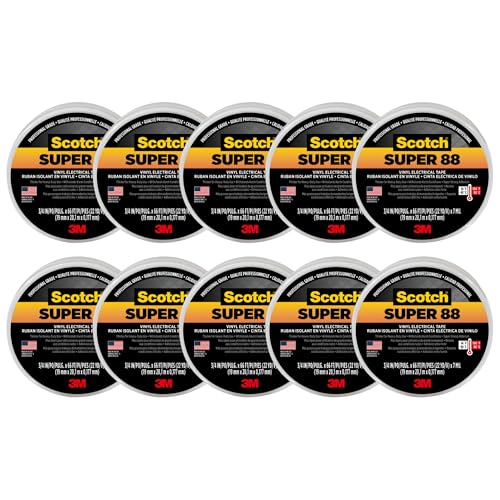
3M Scotch Super 88 Vinyl Electrical Tape, -18 to 105 Degree C, Black (Pack of 10)

Scotch Super 33+ Vinyl Electrical Tape, 3/4 in x 66 ft, Black

Buck Aluminum Foil Tape – 2 Inch x 216ft (72 yd), 3.6 Mil, HVAC Ductwork Insulation Tape

Buck Aluminum Foil Tape – 3 Inch x 216ft (72 yd), 3.6 Mil, HVAC Ductwork Insulation Tape

Buck Aluminum Foil Tape – 4 Inch x 216ft (72 yd), 3.6 Mil, HVAC Ductwork Insulation Tape

Scotch Vinyl 700 Electrical Tape, 5 Rolls, Black, 3/4-in x 66-ft, Commercial Grade (24413-BA-6)

3″ x 82Ft Aluminum Foil Heat Shield Tape, Fiberglass Thermal Tape

4″ x 82Ft Aluminum Foil Heat Shield Tape, Fiberglass Thermal Tape
More Details On Our Top Picks
The Super 88 is the colder-climate sibling to the Super 33+ I cover next, and it earns its place on a jobsite where temperatures swing well below freezing. Rated from -18 to 105 degrees C, this PVC electrical tape holds its flexibility when most generic vinyl tapes stiffen and crack.
A ten-roll pack means I can keep a roll in the shop, the truck, the basement panel, and the garage without rationing. The 3/4-inch width fits standard wire nuts and breaker connections neatly, and 66 feet per roll covers a lot of splices before I need to reach for a fresh one. For cold garages, unheated outbuildings, or outdoor junction boxes that sit through winter, this is a sensible staple to stock.
Practical Pluses
- Stays pliable down to -18 degrees C for winter projects in unheated spaces.
- Ten-roll pack keeps spares staged in multiple work areas at once.
- 66-foot length per roll handles long wire runs without mid-project swaps.
- PVC backing with rubber-resin adhesive grips cleanly on most cable jackets.
Worth Noting
- It is electrical tape rather than heat-reflective foil, so it has no place on duct seams or exhaust shields.
- Owners commonly report adhesive residue if the wrap is left in direct sunlight for months, so plan to refresh it annually on exposed runs.
Who It Suits Best
Electricians and homeowners in cold regions who splice wire year-round in garages, basements, or outdoor conduit and want a tape that won’t stiffen on the roll mid-winter.
Skip It When
For aluminum foil HVAC sealing around ducts and vents, the Buck Aluminum Foil Tape (2 Inch) is a more purpose-built match than this PVC electrical wrap.
Where the Super 88 leans cold, the Super 33+ leans versatile. With an operating window from roughly 0 to 221 degrees F, this is the roll most professional electricians reach for when they don’t know what weather they’ll find on site. Compared with the Super 88 in my first pick, this tape trades a bit of deep-cold flexibility for broader weather resistance and chemical tolerance.
The 7-mil thickness gives it a confident tear strength without feeling stiff around tight corners, and the rubber-resin adhesive bonds firmly to PVC, rubber, and most synthetic cable jackets. It plays well with rubber splicing compounds and self-fusing tapes layered underneath. For homeowners running low-voltage landscape wire or repairs on outdoor AC disconnect lines, it covers both the splice and the seasonal swing.
Positive Points
- Wide temperature range suits most residential and light commercial wiring jobs.
- Resists UV rays, moisture, alkalis, and acids for outdoor junction boxes.
- Conforms smoothly around irregular splices and tight wire bundles.
- Plays nicely with rubber splicing mastics layered beneath it.
Trade Offs
- It is not designed to seal ductwork or reflect radiant heat, so it overlaps poorly with the foil picks later in this list.
- Single-roll buyers may find themselves restocking often on busy project weekends.
Right Fit For
Homeowners and pros who need one electrical tape that handles attic runs, outdoor splices, and garage wiring without swapping rolls by season.
Look Elsewhere When
For radiant-barrier heat reflection behind a wood stove or on automotive exhaust, the Ealyder 3″ Aluminum Foil Heat Shield Tape handles that role more directly.
Move past electrical splices and into the ductwork side of insulation, and aluminum foil tape becomes the workhorse. This 2-inch Buck roll is the narrowest of the three Buck widths I’m covering, which makes it the right fit for tight seams where a wider strip would bunch or overlap onto itself.
Rated from -40 to 250 degrees F, it tolerates hot attic ductwork and cold basement runs alike, and the 3.6-mil foil thickness resists tearing when I wrap it around rectangular metal joints. The 216-foot length covers a whole-house reseal without running out mid-job. Compared with the Super 33+ from item 2, this tape trades electrical insulation for thermal sealing and radiant reflection, which is exactly what HVAC joints need.
Notable Upsides
- 2-inch width tucks into tight rectangular duct flanges without folding.
- Tolerates both attic heat and winter basement cold in one roll.
- 216-foot length covers most whole-house duct resealing projects.
- Foil backing blocks radiant heat transfer at seam lines.
Points To Keep In Mind
- Wider seams on trunk lines often need the 4-inch version for full coverage.
- Surface prep matters: dusty or oily duct joints reduce adhesion and may need a wipe-down before taping.
Best Suited To
HVAC techs and DIYers sealing branch-line duct joints where the 2-inch width matches the flange perfectly without overlapping.
A Better Fit Elsewhere
For larger trunk-line seams, the Buck Aluminum Foil Tape (4 Inch) gives broader coverage with the same adhesive and thickness.
The 3-inch Buck roll sits in the middle of the foil family and, in my view, handles the broadest range of household HVAC jobs. It bridges the gap between the 2-inch strip used for tight seams and the 4-inch version needed for big trunk lines.
Same 3.6-mil aluminum construction, same -40 to 250 degree F rating, same 216-foot length as its narrower sibling, just more coverage per pass. That extra inch matters when I seal a rectangular duct run and want one clean strip without overlap. It also lays flat across the curved surface of dryer vent joints, which the 2-inch roll sometimes struggles to cover in a single wrap.
Bright Spots
- 3-inch width covers most residential duct flanges in a single pass.
- Same thermal range as the 2-inch roll for attic and basement use.
- Conforms to curved dryer vent surfaces without multiple wraps.
- Foil blocks radiant heat at seam lines for better HVAC efficiency.
Things To Consider
- Storage of a 3-inch roll takes more shelf space than a narrow strip, so plan a clean dry spot away from solvents.
- For very wide trunk-line seams or radiant barriers, the 4-inch version reduces overlapping pieces.
Who Should Grab It
Homeowners resealing a mid-sized HVAC system or patching dryer vents who want one roll that handles most flange sizes without committing to the widest option.
Swap It Out When
For workshop exhaust sealing or wide trunk-line repairs, the Buck Aluminum Foil Tape (4 Inch) saves time by eliminating overlap seams.
When the job involves a wide trunk line, a furnace cabinet seam, or an outdoor AC line set cover, the 4-inch Buck roll earns its keep. Where the 2-inch and 3-inch versions force overlap on large surfaces, this one covers in a single clean strip. It is the same 3.6-mil foil and the same thermal range as the rest of the family, just with a wider working surface.
For metal repair patches or sealing around an AC refrigerant line cover, the broader width reduces the number of pieces I need to align, which means fewer seams that can later lift. It also lays down smoothly on flat surfaces where narrower rolls tend to curl at the edges during application.
Benefits That Matter
- 4-inch width covers trunk-line seams in a single strip.
- Fewer overlapping pieces mean fewer future lifting points.
- Works on flat panels, AC line covers, and metal repair patches.
- Holds its thermal range from -40 to 250 degrees F for attic and basement placement.
Minor Gripes
- Wrapping around tight 90-degree duct flanges produces some foil waste on the corners.
- Wider rolls can be harder to feed into narrow gaps behind a furnace cabinet, depending on access.
Whose Shelf It Belongs On
HVAC contractors and homeowners with large rectangular ductwork or AC line set repairs who want fewer strips and more reliable coverage on flat surfaces.
Reach For A Different Pick When
For tight branch-line joints and round dryer vents, the Buck Aluminum Foil Tape (2 Inch) tucks into smaller flanges with less wasted material.
The Scotch Vinyl 700 is the stretchier, more conformable cousin of the Super 33+. Rated for temperatures up to 194 degrees F, it sits a step below the Super 33+ in heat tolerance but climbs higher in flexibility. Where the Super 33+ feels firm and professional, this tape feels almost fabric-like around awkward splices.
A five-roll pack keeps a busy shop stocked without constant reordering. Compared with the Super 88 from item 1, this tape leans toward bundling and labeling rather than extreme-cold wire splicing. For homeowners color-coding low-voltage cables, wrapping cable bundles behind a desk, or insulating temporary connections, the conformability saves time on odd shapes.
Useful Strengths
- Highly flexible backing wraps around irregular splices and tight bundles.
- Five-roll pack supports frequent small electrical jobs without restocking.
- Stretches smoothly around corners without bunching.
- Useful for both splicing and cable management behind desks or panels.
Honest Caveats
- Lower temperature ceiling than the Super 33+ means it belongs on the inside of a junction box rather than on a hot attic splice.
- It is not a heat-reflective tape, so sealing foil duct seams falls outside its skill set.
Built With In Mind
DIYers and shop owners who need a stretchy, conformable tape for cable bundling, low-voltage wiring, and quick repairs where extreme heat resistance isn’t required.
Where A Sibling Pick Shines
For outdoor splicing exposed to full summer heat, the Scotch Super 33+ Vinyl Electrical Tape handles the higher temperature ceiling more comfortably.
The Ealyder 3-inch heat shield tape crosses into a different territory than the Buck foil rolls. Where Buck is built for HVAC ducts, Ealyder layers a fiberglass cloth backing under the aluminum foil for added thermal insulation and heat reflection. That construction makes it the right pick for engine bays, motorcycle exhaust wraps, and wood stove heat shields where pure aluminum foil would scorch or transfer too much heat.
The 82-foot length is shorter than the 216-foot Buck rolls, but the heavier build means each wrap adds real thermal mass. For automotive workshops and hobby mechanics, that trade-off makes sense. Compared with the 4-inch Buck from item 5, this tape is narrower and shorter, but the fiberglass layer gives it a higher heat-handling character that bare foil cannot match.
Real Benefits
- Fiberglass backing adds thermal insulation beyond what bare aluminum foil offers.
- Self-adhesive design speeds installation on engine bays and exhaust shields.
- Reflects radiant heat away from sensitive components like wiring or fuel lines.
- 3-inch width fits common heat shield panels and small exhaust segments.
Things That May Matter
- Gloves are essential during installation because the cut edges of fiberglass can irritate skin.
- Shorter roll length means larger projects may need multiple rolls or the wider 4-inch sibling.
Made For
Automotive DIYers, motorcycle owners, and workshop tinkerers wrapping exhaust shields, engine bay heat protection, or wood stove backing where bare foil isn’t enough.
Consider Something Else When
For residential HVAC duct sealing, the Buck Aluminum Foil Tape (3 Inch) is purpose-built for sheet metal flanges and costs less per foot.
The wider Ealyder sibling takes the same fiberglass-and-foil construction and stretches it across broader panels. Where the 3-inch version from item 7 suits narrow exhaust segments, the 4-inch roll covers heat shield panels, firewall wraps, and large workshop surfaces in fewer strips.
The 82-foot length still runs shorter than the residential foil options, but the heavier thermal construction means each strip contributes more to the goal. Compared with the Buck 4-inch foil from item 5, this tape trades pure HVAC sealing for stronger radiant heat reflection and added insulation value, which is what engine bay and high-heat environments actually need.
A Favorable Mix
- 4-inch width covers heat shield panels in a single pass.
- Fiberglass backing handles temperatures beyond bare foil ratings.
- Reflects radiant heat away from firewalls and cabin components.
- Pressure-sensitive adhesive bonds to clean metal without extra spray.
Practical Considerations
- Cutting the wider roll cleanly takes sharp scissors or a utility knife, and fiberglass edges demand gloves.
- Stored in humid sheds, the adhesive backing can collect dust that reduces grip, so keep the roll sealed in its packaging between uses.
Perfect Match For
Automotive restorers and serious DIY mechanics wrapping firewall heat shields, large exhaust panels, or workshop equipment where wide thermal shielding matters more than long roll length.
Not Your Match When
For routine duct sealing in a basement HVAC system, the Buck Aluminum Foil Tape (4 Inch) covers the same width at a lower price per foot.
What Matters Most When Choosing Quality Heat Tapes For Insulation
Match The Tape Family To The Job
Heat tape is an umbrella term that covers two distinct products: PVC electrical tape for wire splices and aluminum foil tape for thermal sealing. Before anything else, identify which surface the tape will touch. Electrical tape belongs on wires, splices, and cable bundles. Foil tape belongs on ducts, line set covers, and metal panels. Cross-matching the families usually means a sticky mess and a re-do.
Pay Attention To Temperature Range And Mil Thickness
Every tape here lists a temperature window. For attic and basement HVAC work, look for at least -20 to 200 degrees F. For engine bay and exhaust shields, lean toward fiberglass-backed foil that handles higher radiant heat. Mil thickness matters too: 3-mil foil tears easily on tight bends, while 3.6-mil or heavier construction holds up during wrapping. For PVC electrical tape, 7-mil backing resists abrasion better than thinner consumer-grade rolls.
Width And Roll Length Drive Practical Use
A 2-inch strip tucks into tight duct flanges, while a 4-inch strip covers trunk lines in one pass. A 216-foot roll handles whole-house resealing, while an 82-foot roll suits smaller automotive jobs. Pick the width that matches the surface, not the biggest roll you can find, and you’ll waste less tape and fight fewer curling edges during installation.
Surface Prep And Storage Habits
Foil tape needs clean, dry metal to bond well. Wipe dusty duct joints before taping, and store rolls sealed in their original packaging between uses to keep the adhesive fresh. For fiberglass-backed heat shield tape, gloves protect skin from irritation during cutting, and a sharp utility knife gives cleaner edges than dull scissors.
Key Considerations Across These Picks
Pitfalls Shoppers Hit
A common mistake is treating any silver tape as foil tape. Some metallic-look tapes are actually PVC with a colored backing, and they melt near heat sources. Another slip is grabbing the widest roll for tight spaces, which leads to bunching and lifted edges. Finally, ignoring the temperature rating is a quiet failure mode, especially in attics where summer heat pushes past the rated ceiling of consumer-grade tape.
Where The Extra Money Goes
Higher-tier foil tape tends to deliver thicker aluminum, stronger adhesive, and longer roll length. That matters on whole-house HVAC projects where a cheap roll might tear mid-wrap or lift at the seams. For fiberglass-backed heat shield tape, the upgrade buys genuine thermal insulation beyond what bare foil provides, which is worth the spend for engine bay and high-heat applications. The trade-off is always roll length versus build quality, so match the upgrade to the environment rather than the project size alone.
Frequently Asked Questions
What Is The Difference Between Heat Tape And Electrical Tape?
Heat tape typically refers to foil tape designed for thermal sealing on ducts and heat shields, while electrical tape is PVC-based tape for insulating wire splices. They serve different jobs and should not be used interchangeably.
Can Aluminum Foil Tape Handle Outdoor Weather?
Quality aluminum foil tape with a 3.6-mil or thicker build handles UV, moisture, and temperature swings well when applied to clean metal. Surface prep and proper overlap at seams matter more than the brand for long outdoor life.
Is Fiberglass-Backed Tape Necessary For Engine Bays?
For engine bays and exhaust shields, fiberglass-backed tape adds thermal insulation beyond bare foil, which protects nearby wiring and components. For simple HVAC duct sealing, plain foil tape is sufficient and more cost-effective.
How Wide Should Heat Tape Be For Ductwork?
Branch-line duct flanges usually need 2 to 3-inch tape for clean coverage. Trunk lines and larger panels benefit from 4-inch tape to avoid overlapping pieces. Match the width to the seam rather than picking the widest available roll.
Does Heat Tape Reflect Heat Or Just Seal?
Bare aluminum foil tape reflects radiant heat and seals air leaks at seams. Fiberglass-backed versions add thermal insulation on top of reflection. Pure electrical tape does neither, which is why it belongs on wires instead.
Bottom Line
Start by naming the job in plain terms: wire splice, duct seal, or heat shield. Match the tape family to that job, pick the width that fits the surface, and confirm the temperature rating covers the environment. The eight options above cover those three buckets cleanly, so a confident choice usually comes down to width and roll length once the family is locked in.
