

Jet Turbine Electric Generators cover a wide spread, from pocket-sized hydro units to heavy-duty off-grid systems. That range matters because the right pick depends less on hype and more on head, pressure, voltage, and the space around the water source. For a cabin, farm, workshop, or remote setup, the details here decide whether a unit feels practical or just ambitious.
Quick Look At The Shortlist
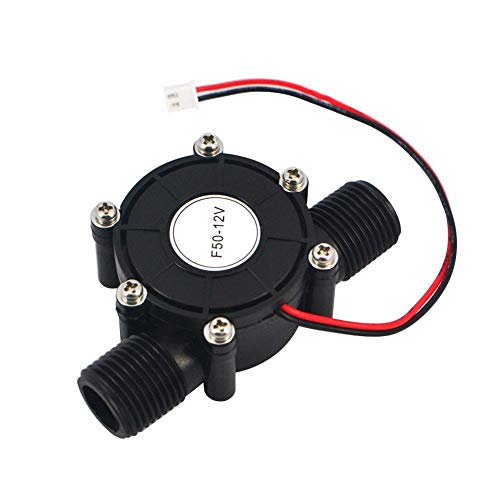
Beduan Micro Water Turbine Generator 12V

BQLZR Small Portable Micro-Hydro Generator 3.5W

VEVOR 800W Wind Turbine Generator 12V Kit

Atsoya Micro Hydroelectric Generator Portable Mini Hydro Station

EQCOTWEA 5KW Hydroelectric Generator Set 220V

ZHOZHUT 50KW Hydroelectric Generator 400V/220V

EQCOTWEA 10KW Turbine Hydroelectric Generator 220V

ZHOZHUT 1000W Hydroelectric Generator 220V
More Details On Our Top Picks
Beduan keeps the format simple, which helps in small hydro setups where you care more about fit than flash. The G1/2 inch male thread points to compact plumbing, and the 12V DC output suits basic charging or lighting tasks around a cabin or garden system.
The trade-off is scale, because this is clearly aimed at lighter-duty use rather than house-level supply. For most people, that makes it a cleaner match for tinkering projects, narrow water lines, or a modest backup setup where mechanical noise under 55dB stays part of the appeal.
Strong Points
- 12V DC output fits small off-grid jobs.
- G1/2 inch male thread simplifies hose matching.
- Noise under 55dB suits quieter sites.
- 3000-hour lifespan target suggests long service from a compact unit.
Things To Consider
- Output stays in the small-power lane.
- Maximum pressure rating matters during setup, so matching the water line correctly is important.
- Cleaning mineral buildup around a small turbine usually takes regular attention in hard-water areas.
Feature Snapshot
Who It Suits Best
Small-scale homesteads, hobby systems, and light backup setups get the most from this Beduan unit.
A Better Fit Elsewhere
ZHOZHUT 1000W Hydroelectric Generator 220V suits you better when you want a more substantial portable hydro option with higher output and broader use around lighting or charging.
Compared with the Beduan unit, this BQLZR pick goes even smaller, which makes it feel almost like a pocketable utility piece for micro-hydro experiments. The 82 by 42 mm body keeps the footprint tight, and the full-flow 12V DC output is the kind of detail that matters in low-pressure water paths.
The honest read is that you get a very narrow-use product, not a broad household power source. For stream-side builds, teaching setups, or tiny charging demonstrations, that restraint is the point, and the low flow loss language suggests it tries to avoid wasting what little water head you have.
What We Like
- Very small body suits tight installs.
- 12V DC output works for light charging tasks.
- Low flow loss helps in gentle water conditions.
- Compact size makes storage simple between uses.
Worth Noting
- Power output stays modest by design.
- Size may limit what you can run from it.
- Small housings often need careful cleaning around intake points.
Core Details
Built With In Mind
You get the most from this BQLZR generator in compact demos, hobby builds, or small water channels where space is tight.
Another Choice May Suit
Beduan Micro Water Turbine Generator 12V is the better match when you want a threaded setup with clearer pressure and noise details for a small off-grid install.
Unlike the earlier hydro picks, this VEVOR unit shifts the conversation to wind, which matters for properties that get better airflow than stream access. The 3-blade layout and MPPT controller, meaning maximum power point tracking, give it a more complete kit feel for rooftops, farms, RV stops, or boats.
The startup speed of 2.5 m/s is the kind of detail that can make or break real use in breezy but inconsistent areas. You may still need a suitable tower pole, since it is not included, and that adds one more planning step before installation.
Highlights
- 800W rating gives it broader usefulness than micro hydro units.
- MPPT controller helps manage charging behavior more intelligently.
- 2.5 m/s startup suits moderate wind locations.
- Works across home, farm, RV, and boat settings.
Small Caveats
- Tower pole is not included.
- Wind-dependent setups need open exposure, so placement matters more than with the hydro items.
- Blade and tower upkeep is part of the ownership picture.
Details At A Glance
Right Fit For
You fit this VEVOR kit best when your property has dependable wind and you want a broader charging setup than a micro hydro unit offers.
Where A Sibling Pick Shines
EQCOTWEA 10KW Turbine Hydroelectric Generator 220V is a better match for a stream-fed cabin or remote home where flowing water matters more than airflow.
Atsoya lands in a more flexible place than the tiny BQLZR unit, because the portable station framing suggests broader everyday use. The bearing-based turbine layout is meant to keep the impeller moving more smoothly, which helps in camping, lighting, or basic computer support around a water source.
The practical appeal shows up for people who want a compact backup source without jumping to the 5KW and 10KW units below. Maintenance should stay fairly straightforward, though anything with direct water flow benefits from regular cleaning and sensible storage between trips.
Reasons To Buy
- Portable station format suits travel and camp use.
- Bearing design supports smoother rotation.
- Works for lighting, small electronics, and backup power use.
- More versatile than the smallest micro units.
Areas To Watch
- Still sits in the small-power category.
- Water source quality affects long-term upkeep.
- Installation and hose alignment matter for steady output.
Spec Overview
Who Should Grab It
You fit this Atsoya unit best when you want a movable hydro option for camping, lighting, or small-device power near flowing water.
Skip It When
ZHOZHUT 1000W Hydroelectric Generator 220V makes more sense when you want a compact but more substantial hydro setup with clearer portability details and higher output.
The jump from portable minis to this EQCOTWEA set is substantial, and that’s the point. A 5KW hydro system with 220V and 60Hz support sits in a different class, suited to rural properties that have dependable water flow and need more serious off-grid supply.
The automatic voltage regulation and leakage protection are the details that matter most here, because they speak to steadier output and safer electrical handling in a real installation. You should think in terms of planning, mounting, and site fit, not casual portability, since this is clearly built for a fixed setup.
Plus Points
- 5KW output targets much larger power needs.
- 220V and 60Hz suit more demanding home or rural systems.
- Automatic voltage regulation supports steadier electrical behavior.
- Leakage protection adds a meaningful layer of operational caution.
Points To Note
- Installation needs a proper site and careful planning.
- Far less portable than the smaller hydro options.
- Regular mechanical checks matter in long-term water use.
Core Details
Made For
You fit this EQCOTWEA set best when your property has steady water flow and you need fixed-site power for a home or rural build.
Reach For A Different Pick When
Beduan Micro Water Turbine Generator 12V suits smaller experimental setups far better, especially where simplicity and compact plumbing matter more than output.
This ZHOZHUT unit sits at the extreme end of the list, and the scale is obvious from the 50KW output and 400V or 220V electrical options. Thickened die-cast aluminum alloy housing and pure copper core coils point to durability and conductivity, which matter more as the installation size climbs.
The jet-based working principle and separation support section between motor and turbine show that this is engineered for a more serious water-energy setup. For farms, remote facilities, or large fixed locations with steady water access, it feels like infrastructure rather than an appliance, and that distinction matters.
Best Bits
- Very high 50KW output suits large installations.
- Aluminum alloy shell adds durability and corrosion resistance.
- Pure copper core coils support better conductivity.
- Leakage protection and voltage stabilization support steadier operation.
Honest Caveats
- Requires a serious site and strong water flow.
- Not a casual or portable option.
- Fixed systems like this call for more involved upkeep.
- Planning and installation likely exceed what small property owners need.
Technical Sheet
Who Will Love This
You fit this ZHOZHUT generator best when you’re building a large fixed water-power system for a farm, remote site, or facility with continuous flow.
Look Elsewhere When
EQCOTWEA 10KW Turbine Hydroelectric Generator 220V is the more practical choice for a cabin or smaller remote home that still needs serious output without the scale jump.
Among the larger hydro options here, this EQCOTWEA model lands in a useful middle zone. The aluminum alloy housing, pure copper windings, automatic voltage regulation, and leakage protection point to a serious fixed installation without moving all the way into the scale of the 50KW unit.
That balance makes sense for cabins, farms, and remote homes with dependable water flow. You get a setup that feels designed for actual ownership, not just showpiece capacity, though installation will still ask for planning and proper maintenance over time.
Bright Spots
- 10KW output fits substantial off-grid demand.
- Aluminum alloy housing helps with long-term durability.
- Pure copper windings support efficient electrical flow.
- Voltage regulation and leakage protection improve day-to-day confidence.
Room For Improvement
- Still requires a suitable water site and fixed installation.
- More involved than compact hydro units.
- Routine checks matter for any larger turbine system.
Core Details
The Right Fit
You fit this EQCOTWEA generator best when you want a fixed 10KW hydro setup for a cabin, farm, or remote home.
Swap It Out When
Beduan Micro Water Turbine Generator 12V is the better choice for very small systems where simple plumbing and light output matter more than scale.
This ZHOZHUT pick sits between the tiny micro units and the larger fixed systems, which is why it feels especially practical. A 1000W rating, 220V output, cooling fan, bearings at the water outlet, and a compact 23 cm by 11.4 cm frame make it easier to place in a real outdoor setup.
It also brings stronger material details than the smallest options, with a pure copper core coil, thickened aluminum alloy shell, and aluminum alloy water wheel. For camping, temporary power, or remote lighting, that mix gives you more headroom without pushing into the heavy installation demands of the 10KW and 50KW models.
Positives
- 1000W output gives more room than the smallest hydro picks.
- Compact size makes transport and staging easier.
- Cooling fan and bearing support help steady operation.
- Pure copper core coil supports conductivity.
- Aluminum alloy shell and wheel add durability.
Points To Note
- Still needs a suitable water source and hose connection.
- Outdoor use calls for regular inspection and cleaning.
- Not a substitute for the larger fixed hydro sets.
Feature Rundown
Whose Shelf It Belongs On
You fit this ZHOZHUT generator best when you want a portable hydro option for camping, lighting, or remote temporary power with more muscle than a micro unit.
Where A Sibling Pick Shines
Atsoya Micro Hydroelectric Generator Portable Mini Hydro Station suits a lighter travel setup better, especially when portability matters more than higher output.
How To Choose The Right Jet Turbine Electric Generators
Start With Water, Wind, Or Both
Your first filter is the energy source. Hydro units need dependable flow and a workable inlet or nozzle arrangement, while the VEVOR wind kit depends on exposed airflow and room for a tower pole.
That choice matters more than output numbers on a page. A compact 12V hydro unit can be the better real-world fit than a larger machine in the wrong setting, because placement and source consistency decide how useful the system feels day to day.
Match Voltage To The Equipment Around It
Voltage tells you how the generator fits into the rest of your setup. The smaller Beduan and BQLZR units use 12V DC, which works for light charging or basic storage systems, while the 220V and 400V models sit in a more serious power category.
For cabins, farms, and remote homes, that difference changes everything. A 220V unit can align better with household-style distribution, but it also asks for a more deliberate installation and more careful planning around conversion, regulation, and protection.
Look At Build Materials As Ownership Clues
Aluminum alloy housing, copper windings, and bearing support are not just spec-sheet decoration. Those parts point toward corrosion resistance, conductivity, smoother rotation, and fewer headaches in wet environments, especially where the generator lives close to moving water.
The trade-off is cost and complexity. Higher-grade materials usually appear on larger or more capable units, so you should treat them as signs of a longer-term setup rather than a reason to overspend for a small campsite project.
Size The System To The Job
The right output range depends on what you actually want to run. A micro hydro unit can suit lights, light charging, or a simple experiment, while 5KW and 10KW systems move into broader off-grid home support, and 50KW is the territory of major fixed installations.
Think in terms of site reality, not just wattage. If your water flow is modest, a smaller generator with the right pressure and inlet fit often makes more sense than a larger unit that never gets the conditions it needs.
Things Worth Knowing First
Wrong Turns To Avoid
Shoppers often focus on output and skip the physical side of the install. Thread size, inlet style, mounting space, and source conditions can make a strong-looking unit awkward or unusable in practice.
Another common miss is assuming a compact generator can cover larger electrical needs. Small hydro and wind units have a place, but they do not substitute for a fixed 10KW or 50KW system when real demand climbs.
The Upgrade Payoff
Higher-tier models cost more because they carry more material, more control hardware, and more serious electrical handling. Aluminum alloy shells, copper internals, regulation, and protection devices all add up, especially on larger hydro systems.
That extra spend starts to make sense when you need steadier output, broader voltage options, or a setup that will sit in place for years. For casual camping or small charging chores, the upgrade usually brings more complexity than value.
Frequently Asked Questions
What does 12V DC mean on a small hydro generator?
It means the unit produces direct current at 12 volts, which suits simple charging and light electrical tasks. You’ll still need a setup that matches the source pressure and the device you plan to power.
Why do some of these models mention MPPT control?
MPPT stands for maximum power point tracking, a controller style that helps manage electrical output more efficiently. That matters most in wind systems where conditions change often.
Is a higher watt rating always better?
Not for every setup. A larger generator only helps when the water source, mounting plan, and electrical needs all line up.
What should you clean or check most often?
Water-contact parts usually need the most attention, especially around the inlet, turbine, and seals. Mineral buildup, debris, and wear can matter more in outdoor locations than the rating on the listing.
Which option makes the most sense for a cabin?
The EQCOTWEA 10KW Turbine Hydroelectric Generator 220V fits many cabin-style setups because it balances output with a fixed-installation profile. Smaller units suit light backup use, while the 50KW model is far beyond typical cabin needs.
Closing Thoughts
The strongest choice here depends on site, not hype. A micro hydro unit works for light tasks, the VEVOR wind kit serves exposed locations, and the larger EQCOTWEA and ZHOZHUT models belong where steady water and serious planning are already in place. That makes this list less about size for its own sake and more about matching the generator to the place you actually live or work in. Get that part right, and the rest starts to feel a lot simpler.
