

Storm season, outage-prone neighborhoods, and long weekends away from the grid all expose the same problem: you need power that fits the way you live. The seven Home Generators below cover compact camping use, whole-home backup, and portable battery storage, so you can match output, fuel type, and noise level to your setup. The right match keeps essentials running without overbuying capacity you’ll never use.
The Shortlist At A Glance
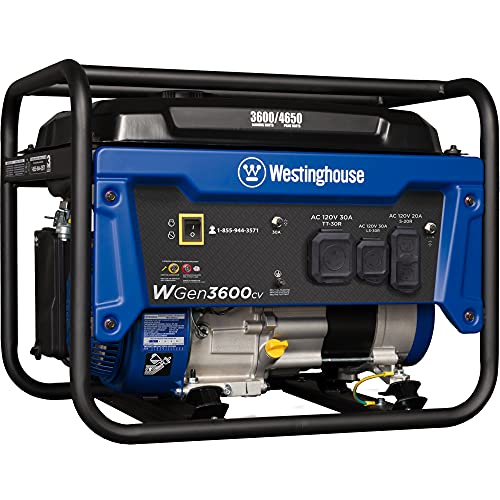
Westinghouse 4650 Peak Watt Portable Generator

Oxseryn Power Equipment 4400 Watts Inverter Generator

EF ECOFLOW Portable Power Station DELTA Pro 3600Wh

AIVOLT 1600W Super Quiet Inverter Generator 28lbs

DuroMax XP13000HXT 13,000-Watt 500cc Tri Fuel Generator

DuroStar DS13000MX 13,000-Watt 500cc Dual Fuel Portable Generator

Westinghouse 18000 Peak Watt Tri-Fuel Home Backup Portable Generator
More Details On Our Top Picks
For a house that needs a practical backup unit, this Westinghouse lands in a sensible middle lane. The RV-ready 30A outlet matters more than the peak watt number, because it points to cleaner hookups for travel rigs and selected home circuits.
Compared with the lighter AIVOLT and the battery-based ECOFLOW, this one is more about fuel-driven runtime and straightforward portability than indoor-style quiet. For most garages and patios, that trade suits you well, though gas upkeep and storage take a little more space and attention.
Strong Points
- RV-ready 30A outlet supports common travel and backup hookups.
- Portable format keeps storage simpler than the larger tri-fuel units.
- Gas power gives you familiar refueling for extended outages.
- Good fit for weekend use around a house, cabin, or camper.
Things To Consider
- Gas storage and periodic maintenance add routine ownership work.
- Peak watt figures still need a realistic load plan.
Feature Snapshot
Who It Suits Best
Campers and homeowners who want a portable gas generator with an RV-friendly connection will get the most from it.
A Better Fit Elsewhere
EF ECOFLOW Portable Power Station DELTA Pro 3600Wh suits you better for quieter indoor-adjacent backup and a battery-first setup.
This Oxseryn sits in a useful lane for shutdown prep without jumping into oversized hardware. The inverter design and ECO mode matter because they usually point to steadier power delivery and lighter fuel use under smaller loads, which helps around sensitive electronics and modest home needs.
Against the Westinghouse above, it feels more compact and less centered on RV plumbing, while still staying useful for emergency backup. You may find the open-frame build a little less refined for close-quarters storage, but it can make access and handling less fussy.
What We Like
- Inverter output suits electronics better than a basic open generator.
- ECO mode helps stretch fuel during lighter household use.
- RV-ready support broadens use beyond a single backup scenario.
- Open-frame format keeps the layout straightforward.
Room For Improvement
- Open-frame styling usually means more audible operation than enclosed designs.
- Storage and lifting can feel less tidy than smaller cart-style units.
- Best results still depend on matching the load to the output range.
Core Details
Who Will Love This
Homeowners who want a portable backup option with inverter-style output and RV versatility will appreciate the fit.
Swap It Out When
AIVOLT 1600W Super Quiet Inverter Generator suits you better for lighter camping loads and easier carry weight.
Battery stations like this one change the tone of backup planning. With 3600Wh of stored energy, 120V AC output, and fast charging rated at 2.7 hours, it fits homes that want quieter operation and a cleaner setup than a fuel machine.
Compared with the gas Westinghouse models, it trades refueling flexibility for indoor-friendly convenience and expansion potential up to 25kWh. For apartments, condos, or a home office setup during outages, that kind of modular headroom is hard to ignore.
Positives
- 3600Wh storage gives you a serious buffer for essential devices.
- 120V AC output covers common household electronics and small appliances.
- Fast-charge timing helps you recover capacity more quickly between outages.
- Expandable architecture supports larger backup plans over time.
- Battery-based operation avoids fuel handling and exhaust concerns.
Softer Spots
- Battery capacity still runs out, so load planning matters.
- Expansion accessories can add cost and storage complexity.
Details At A Glance
Built With In Mind
Homeowners who want a quieter backup plan with room to expand will get the most value from it.
Another Choice May Suit
Westinghouse 18000 Peak Watt Tri-Fuel Home Backup Portable Generator is a stronger match for whole-house fuel-based backup.
At 28 pounds, this AIVOLT is clearly aimed at portability first. The 1260W running output, 57dBA noise rating, and pure sine wave design make it a neat fit for camping, tailgates, and light emergency use where carry weight matters.
Compared with the larger Oxseryn and the heavier home-backup units, it asks less of your storage space and your back. The honest read is that its smaller footprint pays off most when you need a quiet companion for modest gear, not a house-wide load.
Highlights
- 28-pound weight makes transport far easier than full-size units.
- 57dBA noise rating keeps the profile friendlier for campsites and patios.
- Pure sine wave output suits many electronics better.
- ECO mode extends usefulness during lighter runtime needs.
Points To Note
- 1600W peak output is for lighter loads, not full backup duty.
- Smaller fuel capacity expectations are part of this class.
- Quiet output helps, but setup still matters for safe outdoor use.
Quick Facts
Right Fit For
Campers and tailgate setups that value light weight and quieter operation will find this especially sensible.
Where A Sibling Pick Shines
Oxseryn Power Equipment 4400 Watts Inverter Generator is the better call for heavier emergency backup and RV support.
This DuroMax is built for households that want fuel flexibility first. Tri-fuel support means you can plan around gas, propane, or natural gas, and that makes outage prep less rigid than a single-fuel machine.
Relative to the DuroStar below, it adds one more fuel path, while the Westinghouse tri-fuel unit leans a bit more toward backup branding and a higher overall capacity ceiling. For larger homes, that extra flexibility can matter as much as raw wattage.
Reasons To Buy
- Tri-fuel design gives you three supply options.
- 13,000-watt class output supports heavier household loads.
- 500cc engine size points to serious backup capability.
- CO alert adds another layer of practical awareness.
Areas To Watch
- Large-capacity machines need more room for storage and setup.
- Fuel switching flexibility does not replace careful load planning.
- Maintenance tends to be more involved than with smaller units.
Feature Rundown
Whose Shelf It Belongs On
Homeowners planning for larger backup loads and multiple fuel options will find the fit strongest here.
Look Elsewhere When
Westinghouse 4650 Peak Watt Portable Generator makes more sense for smaller backup needs and easier moving.
Remote electric start gives this DuroStar a convenience edge that matters in real outage conditions. Dual fuel support, transfer switch readiness, and RV readiness put it in a useful lane for homes that want a generator to do more than just sit in storage.
Compared with the tri-fuel DuroMax, it gives up one fuel option but keeps a similarly serious output class. That trade can feel sensible for you than a three-fuel system, especially when gas and propane cover your likely use cases already.
Upsides
- Remote electric start cuts down on manual setup friction.
- Dual fuel flexibility keeps outage planning straightforward.
- Transfer switch readiness suits home backup installations.
- RV readiness extends utility beyond the house.
Minor Gripes
- Large portable units still need thoughtful storage and ventilation.
- Dual fuel is useful, though it still means fuel management.
- Whole-home backup plans work best with a clear circuit strategy.
Spec Overview
Made For
Homeowners who want a dual-fuel backup machine with remote starting and transfer switch support will like this most.
Reach For A Different Pick When
DuroMax XP13000HXT suits you better for tri-fuel flexibility and a slightly broader fuel strategy.
This Westinghouse sits at the high-capacity end of the list, and the intent is plain. Remote electric start, transfer switch readiness, and tri-fuel support make it a serious home-backup option for households that want broader coverage and more installation flexibility.
Compared with the DuroMax tri-fuel model, it leans even harder into backup scale, while the smaller Westinghouse 4650 keeps things far more portable. For a fixed home setup, this is the kind of unit that makes sense when essential circuits add up fast.
Best Bits
- 18,000 peak watts gives you strong headroom for larger backup plans.
- Tri-fuel support offers gas, propane, and natural gas flexibility.
- Remote electric start makes operation easier from the start.
- Transfer switch readiness suits structured home integration.
Worth Noting
- Large backup units need dedicated storage and thoughtful placement.
- More capability usually means more installation planning.
- Natural gas and transfer switch use depend on your home setup.
Core Details
The Right Fit
Households building a serious backup plan around multiple fuel options and larger circuit coverage will get the most from it.
Skip It When
AIVOLT 1600W Super Quiet Inverter Generator is the easier match for small loads, camping, and light carry needs.
How To Choose The Right Home Generators
Match Output To Real Loads
Start with the appliances and circuits that actually matter during an outage. A refrigerator, a furnace blower, a modem, and a few lights ask for a very different machine than a whole-home backup plan, so total wattage and starting wattage both deserve attention.
For light household support, a compact inverter generator or a battery station can be enough. For larger homes with split loads and more demanding startup surges, the DuroMax, DuroStar, or Westinghouse tri-fuel units make much more sense.
Choose Fuel Around Your Routine
Gas generators are familiar and widely used, but fuel storage and rotation are part of the ownership picture. Tri-fuel and dual-fuel designs add flexibility, which helps when one fuel source is easier to source than another.
Battery stations remove exhaust and fuel handling from the equation, which suits condos, garages, and indoor-adjacent setups better. The trade-off is stored energy, so runtime depends on the battery size and the load you place on it.
Weight, Noise, And Placement Matter
Portable does not mean equally easy to move. A 28-pound unit like the AIVOLT feels far different from a heavy home-backup generator, and that difference shows up every time you store it, roll it out, or position it outside.
Noise matters too, especially near patios, campgrounds, or neighbors close by. Inverter models and battery stations usually fit those settings better, while open-frame machines often make more sense where output matters more than quiet operation.
Think About Connection Style
RV-ready outlets and transfer switch readiness change how smoothly a generator fits into daily life. Those details help you move from a loose backup plan to a more organized setup, especially for homes that already have a defined emergency circuit layout.
A generator can be powerful and still awkward for your space. The better match is the one that fits your storage spot, your fuel access, and the way your household actually handles outages.
Things Worth Knowing First
Common Shopping Slip Ups
Many people focus on peak watt numbers and ignore starting load. That usually leads to a machine that looks strong on paper but falls short when a fridge compressor or pump turns on.
Another common miss is forgetting storage and maintenance. Fuel units need room, safe placement, and a routine, while battery stations need capacity planning and charging discipline.
Where The Extra Money Goes
Higher-tier models usually pay for more output, more fuel options, and easier startup features. Remote electric start, transfer switch readiness, and tri-fuel support all add convenience and flexibility.
You also tend to get better fit for whole-home use. That matters most when you want a generator that feels integrated rather than improvised.
Frequently Asked Questions
What size home generator do you need?
It depends on the circuits you want to keep alive. Small backup loads can use a compact inverter or battery station, while larger homes need far more output headroom.
Are inverter generators better for electronics?
Inverter generators are designed to provide steadier power delivery than basic open-frame units. That makes them a safer match for many electronics and chargers.
Is a battery power station enough for an outage?
It can be enough for essential devices, modem gear, and selected appliances. The limit is runtime, so the battery size has to match your load.
What does transfer switch ready mean?
It means the generator is set up to work with a transfer switch installation. That helps tie the unit into selected home circuits in a cleaner way.
Why choose tri-fuel over dual fuel?
Tri-fuel gives you an extra fuel option, which helps when one source is more convenient or available. Dual fuel still offers flexibility, just with one less path.
Closing Thoughts
The strongest Home Generators are the ones that fit your load, your space, and your fuel routine without creating extra work. A compact inverter model suits light backup and travel use, while the larger tri-fuel machines are built for heavier home coverage. Battery power stations add a different kind of convenience, especially where quieter operation matters. Match the machine to the way your household actually handles outages, and the choice gets much easier.
