

Home power loss changes the day fast, especially in a kitchen full of cold food or a house that needs a few essentials running through the night. These seven Home Gas Generators cover the range from light portable units to heavier home-backup models with transfer-switch support, dual fuel options, and RV-ready outlets. You get a clear spread of sizes and setups, so your choice can match your space, fuel preference, and how much of the home you want to keep on.
The Shortlist At A Glance

ERAYAK 2400W Portable Inverter Generator

AIVOLT 1600W Super Quiet Inverter Generator 28lbs Portable

Oxseryn 2800-Watts Portable Inverter Generator

Westinghouse 18000 Peak Watt Tri-Fuel Home Backup Portable Generator

Oxseryn 5000-Watts Portable Inverter Generator
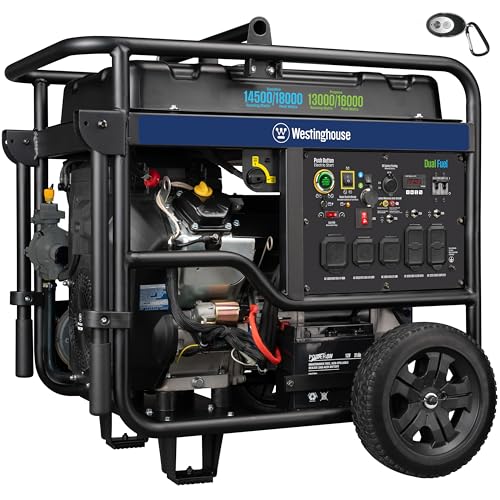
Westinghouse 18000 Peak Watt Dual Fuel Home Backup Portable Generator

4400 Watt Gas Powered Generator for Home Use
More Details On Our Top Picks
ERAYAK keeps the footprint small, which matters in a garage, a patio corner, or a packed trunk. The inverter design suits electronics better than a plain open-frame layout, and ECO mode is the sort of feature that helps during lighter household loads. That makes it a tidy fit for charging, lighting, and short backup runs.
The honest trade-off is capacity, because this class sits below the larger home-backup units later in the list. For apartments, tailgates, and emergency basics, though, the size and portability feel sensible rather than limiting.
What We Like
- Compact build for easy storage
- Inverter output supports sensitive devices
- ECO mode suits lighter demand
- Useful for short backup tasks
Worth Noting
- Not aimed at whole-home coverage
- Smaller fuel class means more planning for longer outages
- Best fit leans toward lighter loads
Feature Snapshot
Who It Suits Best
Homeowners who want a compact backup unit for essentials, plus campers who value easy packing, fit this ERAYAK model well.
A Better Fit Elsewhere
Westinghouse 18000 Peak Watt Dual Fuel Home Backup Portable Generator suits households that need a far larger backup setup and want propane support too.
The AIVOLT leans hard into portability, and 28 pounds is the number that explains most of its appeal. In a campsite setup or a quick porch backup scenario, that lighter carry weight matters more than sheer output, especially when the goal is powering a few basics without hauling a bulky frame. The stated low noise level and pure sine wave output make it the most travel-friendly feel in this group.
There’s a real trade-off here, because the running output sits well below the bigger backup picks like the two Westinghouse models. For someone who wants a nimble unit for outings, tailgates, or modest emergency use, the balance makes sense.
Highlights
- Light weight helps with transport
- Inverter output suits electronics
- CO auto-shutoff adds a clear safety-oriented feature
- ECO mode can stretch lighter sessions
Points To Note
- Best suited to small-load use
- Travel-friendly size brings less headroom for heavy appliances
- Noise claims still matter most in very quiet campsites
Quick Facts
Who Should Grab It
Campers, tailgaters, and apartment dwellers who need a compact gas unit for lighter power demands fit this AIVOLT well.
Where A Sibling Pick Shines
ERAYAK 2400W Portable Inverter Generator suits you better for a little more capacity without jumping into the heavy backup class.
Oxseryn lands in the middle ground that many households actually need, not the tiny travel tier and not the heavy whole-home class. The 1.1-gallon fuel tank and fuel shutoff feature point to a generator built for cleaner storage habits, which is useful after a weekend at the cabin or during a short outage at home. At 39 pounds, it still stays within the portable range.
You may find this a more balanced choice than the AIVOLT once your load list includes a few more essentials. The trade-off shows up against the larger Westinghouse units, since this model remains a portable backup tool rather than a full-house standby substitute.
Best Bits
- Middle-weight size keeps transport manageable
- Fuel shutoff helps storage between uses
- Good step up from entry-level compact units
- Portable enough for home and campsite duty
Small Caveats
- Still short of heavier backup capacity
- Tank size calls for planning on longer runs
- Basic portable format needs safe outdoor placement
Core Details
Built With In Mind
Households that want a portable generator for emergency basics, plus campers who value a little more output, will get the most from this Oxseryn.
Another Choice May Suit
Westinghouse 18000 Peak Watt Tri-Fuel Home Backup Portable Generator fits homes that need a much larger emergency setup and fuel flexibility.
This Westinghouse model sits at the opposite end of the range from the compact ERAYAK and AIVOLT picks. Remote electric start, transfer-switch readiness, and three fuel options give it a more serious backup posture, especially for homes that plan around extended outages. The CO sensor is another sign that this unit is aimed at more deliberate household use rather than casual weekend carry.
For a large property or a home with a transfer switch setup, the feature set makes clear sense. The catch is scale, because this is not the kind of generator you casually move around the yard after dinner.
Strong Points
- Tri-fuel setup adds real flexibility
- Remote electric start reduces setup friction
- Transfer-switch readiness fits planned backup systems
- CO sensor adds another protective layer
- More appropriate for whole-home planning than portable minis
Areas To Watch
- Large frame takes committed storage space
- Setup suits permanent-style backup planning better than casual use
- Weight and size are part of the trade-off
Technical Sheet
The Right Fit
Homes with a transfer switch, larger loads, and a preference for fuel flexibility suit this Westinghouse tri-fuel model well.
Swap It Out When
Oxseryn 5000-Watts Portable Inverter Generator makes more sense for a household that wants a lighter, simpler portable backup instead of a large home-install style unit.
Oxseryn’s 5000-watt portable inverter sits in the more capable middle of the lineup, where a 30A outlet starts to matter for real household and RV-style use. That outlet is the detail that separates it from the smaller inverter picks above, because it points to more practical connection options. ECO mode also helps it feel less wasteful during lighter demand.
You may prefer this model over the smaller ERAYAK and AIVOLT units once your backup list includes a refrigerator, freezer, or a few more appliances. The trade-off is that 60 pounds pushes it beyond the easy-carry class, so storage and movement need a little more planning.
Upsides
- 30A outlet broadens connection flexibility
- RV-ready setup helps mixed home and travel use
- More headroom than the compact portable tier
- ECO mode supports lighter household sessions
Minor Gripes
- Heavier than the small portable options
- Storage takes more room than the compact class
- Best fit leans toward users who need extra capacity
Details At A Glance
Whose Shelf It Belongs On
Households that want a stronger portable backup unit with RV-ready convenience are the natural fit for this Oxseryn.
Look Elsewhere When
Westinghouse 18000 Peak Watt Dual Fuel Home Backup Portable Generator suits you better for larger backup planning and fuel flexibility.
The dual-fuel version keeps the same large-backup personality as the tri-fuel Westinghouse above, but it trims the fuel choice down to gas and propane. That narrower fuel mix still gives you useful supply flexibility, especially for homes that already store propane for other gear. Remote electric start, transfer-switch readiness, and the CO sensor keep the setup focused on serious home use.
For many households, this feels like the cleaner match than the tri-fuel model because it cuts one layer of complexity. The trade-off is obvious: less fuel variety means less room to adapt if your storage plan changes.
Positives
- Dual-fuel design adds practical supply options
- Remote electric start supports easier startup
- Transfer-switch readiness suits planned backup wiring
- CO sensor is a specified safety feature
- Strong fit for homes that want a larger unit without tri-fuel complexity
Room For Improvement
- Still a large machine to store and move
- Gas and propane only, not the three-fuel setup of the sibling model
- Best for structured home backup rather than casual portability
Core Details
Perfect Match For
Homes that want a large backup generator with fewer fuel choices to manage will find this Westinghouse dual-fuel model a sensible fit.
Where A Sibling Pick Shines
Westinghouse 18000 Peak Watt Tri-Fuel Home Backup Portable Generator fits better for households that want the broadest fuel flexibility.
Mutaomay’s open-frame inverter design aims at the practical middle of the lineup: enough output for core appliances, without stepping into the very large backup class. The RV-ready 30A outlet gives it a clearer role than a generic portable unit, and the listed ability to run a refrigerator, freezer, and essential appliances tells you where it belongs in a household outage plan. In a garage or storage shed, the open-frame form is easy to place, though it does not disappear visually the way smaller inverter units do.
Compared with the ERAYAK and AIVOLT, this one is built for more grounded home use rather than light travel. That makes it a sensible fit for households that want a straightforward generator for the basics and do not need the heavier Westinghouse scale.
Reasons To Buy
- Running wattage gives room for more essential appliances
- 30A outlet supports stronger household connections
- Open-frame design keeps the format straightforward
- Good middle ground between compact and heavy-duty picks
Honest Caveats
- Open-frame design takes more visual and storage space
- Less travel-friendly than the compact inverter units
- Best for essential loads rather than full-house coverage
Feature Rundown
Who Will Love This
Households that want a practical gas generator for essential appliances and a clear RV-ready outlet will get the most from this Mutaomay model.
Reach For A Different Pick When
ERAYAK 2400W Portable Inverter Generator makes more sense for quieter, smaller-scale backup and easier storage.
How To Choose The Right Home Gas Generators
Match Output To The Loads You Actually Need
A generator should fit the loads you plan to keep alive, not some abstract idea of backup. Small inverter units like the ERAYAK and AIVOLT work for charging, lighting, and a few electronics, while the Westinghouse 18000-watt models sit in a different class entirely.
Think in terms of appliances, not watts on a box. A refrigerator, sump pump, or room AC changes the math fast, and a 30A outlet becomes more relevant once you move beyond light-use backup.
Pick The Fuel Setup That Fits Your Routine
Gas-only models are straightforward, but dual-fuel and tri-fuel units give you more ways to keep running. That flexibility matters during long outages or in homes that already store propane for grilling, heating, or other backup gear.
The trade-off is complexity and size. A tri-fuel model like the Westinghouse 18000 Peak Watt Tri-Fuel Portable Generator offers the most fuel options here, while the dual-fuel Westinghouse trims that down for a simpler setup.
Portability And Storage Change The Experience
Weight and frame style shape daily ownership more than many shoppers expect. A 28-pound AIVOLT slips into car-camping plans with little strain, while a 60-pound Oxseryn or the larger Westinghouse machines call for a fixed storage spot and a real moving plan.
Open-frame units are easier to place in a garage or shed, but they also take up more visual and floor space. Compact inverter models are closer to a suitcase-sized tool, which suits apartment storage or a packed utility shelf.
Start Method, Noise, And Clean Power
Remote electric start, ECO mode, inverter output, and pure sine wave power all influence how comfortable the generator feels to live with. Inverter units usually make more sense for electronics, while larger backup models trade some of that refinement for higher capacity and broader fuel choice.
Noise still matters in dense neighborhoods and campsites. The AIVOLT’s low noise claim and the ERAYAK’s inverter format point in the right direction for quieter use, while the heavy-duty Westinghouse units are built more for output and system readiness than for discreet operation.
What To Weigh Before You Buy
Hidden Buying Traps
A common misstep is focusing on peak wattage alone and ignoring running wattage, outlet type, and fuel handling. That shortcut leads to a unit that looks capable on paper but falls short on the appliances you actually want to power.
Another trap is underestimating storage and setup. Large home-backup generators need room, ventilation, and a sensible place to live, so the smaller ERAYAK or AIVOLT may be the better answer for many homes.
The Upgrade Payoff
Higher-tier models cost more because they bring larger alternators, stronger frames, transfer-switch readiness, remote start systems, and more fuel options. Those parts and features are what move a generator from “occasional portable backup” toward serious household coverage.
The upgrade makes sense for homes with frequent outages, larger electrical loads, or a transfer switch already in place. For a condo, a small house, or weekend use, the lighter inverter class usually makes more sense.
Frequently Asked Questions
What size generator fits a typical home?
A typical home needs a generator matched to the appliances you want running, not just the house size. Smaller inverter units cover basics, while larger backup models are better for refrigerators, pumps, and more than a few circuits.
Are inverter generators better for electronics?
Inverter generators are the safer fit for electronics because they produce steadier power. That makes ERAYAK, AIVOLT, and Oxseryn inverter units more comfortable choices for devices and charging gear.
What does dual fuel add?
Dual fuel lets you run the generator on gas or propane. That gives you more supply options, which matters during long outages or when one fuel source is easier to store.
Do I need transfer-switch readiness?
Transfer-switch readiness matters for a more permanent home-backup setup. It helps the generator connect into a planned electrical system instead of relying on ad hoc extension-cord use.
Is a heavier generator always better?
Heavier units usually bring more output, but that extra capacity comes with more storage and handling demands. A compact inverter model can be the smarter fit for light backup, travel, or limited space.
Final Thoughts
You have a wide spread here, from small inverter units that suit apartments, campsites, and light outages to heavyweight Westinghouse models built for larger backup plans. The right choice depends on what you want to keep running, how much fuel flexibility matters, and how much space you can spare. ERAYAK and AIVOLT make sense for lighter needs, Oxseryn bridges the middle ground, and the larger Westinghouse models belong in homes that want serious backup readiness. Pick the one that matches your load list first, and the rest gets a lot easier.
