

RV trips feel a lot easier when your power source matches the way you travel. You want enough output for charging, cooling, and small appliances, but you also want reasonable noise, manageable weight, and an outlet setup that suits the rig.
The eight picks below focus on that balance. Some are better for light travel and weekend use, while others make more sense for larger RVs, longer stays, or folks who want fuel flexibility and a little extra headroom.
Quick Look At Our Shortlist

Westinghouse 2550 Peak Watt Portable Inverter Generator
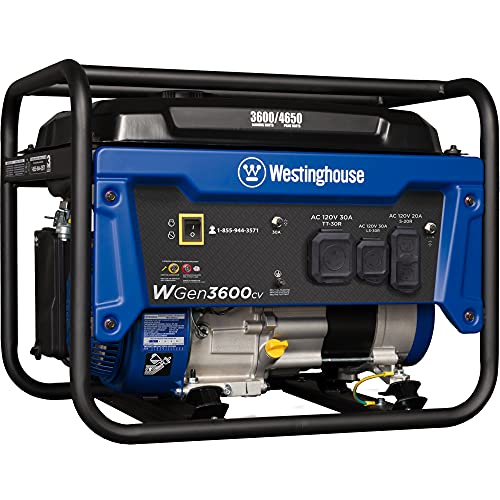
Westinghouse 4650 Peak Watt Portable Generator

Oxseryn Power Equipment 4400 Watts Inverter Generator

WEN 3600-Watt Portable Inverter Generator (56360i)

WEN Quiet and Lightweight 3600-Watt Dual Fuel RV-Ready Portable Inverter Generator (DF360iX)

AIVOLT 4300W Inverter Generator

AIVOLT 1600W Super Quiet Inverter Generator

WEN Quiet and Lightweight 4800-Watt RV-Ready Portable Inverter Generator (56477i)
More Details On Our Top Picks
For weekend camping and shorter stays, this Westinghouse feels built around easy handling rather than brute force. The 30A RV outlet matters because it helps you connect in a more straightforward way, and the gas plus propane setup gives you fuel flexibility that can come in handy on the road.
The lighter portable format should suit travelers who move gear often or store it in a tight trunk or trailer bay. The trade-off is obvious: you are looking at a smaller power class than the 4650-watt Westinghouse later in this list, so larger rigs will want more headroom.
Strong Points
- RV-ready 30A outlet for simpler hookup use
- Dual-fuel design gives you more fueling options
- Lightweight format suits frequent loading and unloading
- Parallel capability leaves room for expansion
- CO sensor adds a useful layer of shutoff protection
Worth Noting
- Smaller output than the larger Westinghouse 4650 Peak Watt model
- Gas and propane setup can mean more planning around fuel storage
- Compact units still need routine care and clean storage space
Feature Snapshot
Who It Suits Best
You fit this pick well when you travel light, camp on weekends, or want an RV-friendly unit without moving into a heavier power class.
A Better Fit Elsewhere
WEN Quiet and Lightweight 3600-Watt Dual Fuel RV-Ready Portable Inverter Generator with Fuel Shut Off and CO Watchdog (DF360iX) suits travelers who want dual-fuel convenience with a slightly more settled, all-around setup.
Where the first Westinghouse leans lighter, this one leans sturdier. The 4650 peak watt class gives you more breathing room for a larger RV setup, and the RV-ready 30A outlet keeps the connection side practical rather than fussy.
The gas-only format keeps fuel choice simple, which some travelers appreciate during long stops or regular seasonal use. The honest read is that this kind of size suits folks who would rather have more capacity than a smaller carrying footprint.
What We Like
- Higher peak output than the 2550-watt Westinghouse
- 30A RV outlet supports straightforward campsite hookups
- Gas power keeps fueling familiar for many households
- CO sensor adds a useful safety-minded feature
Points To Note
- Less compact than the smaller Westinghouse option
- Gas-only operation offers less flexibility than dual-fuel picks
- More output usually means more storage and handling effort
Core Details
Who Should Grab It
You suit this pick best when your RV has a heavier electrical appetite and you want a simple gas-powered setup.
Another Choice May Suit
Westinghouse 2550 Peak Watt Portable Inverter Generator fits lighter travelers who care more about easier carry than raw capacity.
This Oxseryn sits in a practical middle lane, especially for travelers who want a stronger output class without stepping all the way into the largest units here. The open-frame build can feel more utility-first than the enclosed inverter styles from WEN, and ECO mode helps it make better sense during lighter loads.
It also brings RV readiness and a low-noise angle, which makes it more versatile for camping or backup-minded use. The trade-off is that open-frame machines are usually a little less polished to move around, so storage and placement matter more.
Upsides
- 4400-watt class gives you strong usable headroom
- ECO mode helps match output to lighter demand
- RV-ready setup suits campsite connection needs
- Open-frame format can work well for utility-first owners
- Low-noise positioning makes it easier to live with during trips
Areas To Watch
- Open-frame design is less compact than enclosed inverter options
- Gas setup still calls for fuel handling and storage
- Less carry-friendly than the smaller AIVOLT 1600W unit
Technical Sheet
Built With In Mind
You fit this option well when you want strong output for camping or backup duties and do not mind a more industrial layout.
Where A Sibling Pick Shines
WEN 3600-Watt Portable Inverter Generator (56360i) is the gentler fit for travelers who want a cleaner, more compact inverter shape.
This WEN lands in a very workable middle zone for RV travel. You get an RV-ready layout, a quiet-minded inverter design, and a fuel shut off feature that helps make storage a bit cleaner after use.
The lighter, quieter profile makes sense for campgrounds where noise matters more than raw output. Compared with the Westinghouse 4650 Peak Watt model, you give up capacity, but you gain a friendlier size for simpler trips and more frequent moving.
Highlights
- Inverter design suits electronics better than rougher power shapes
- Fuel shut off helps with storage and end-of-trip cleanup
- RV-ready design keeps campsite hookup straightforward
- Lightweight format is easier to move around than larger units
Small Caveats
- Less output than the heavier Westinghouse 4650 Peak Watt generator
- Single-fuel format gives you fewer fueling choices
- Compact gear still needs careful storage to stay in good shape
Details At A Glance
Right Fit For
You fit this model well when you want a quieter travel generator that stays easy to manage during setup and storage.
Look Elsewhere When
Westinghouse 4650 Peak Watt Portable Generator makes more sense for larger rigs that need additional output.
Compared with the single-fuel WEN beside it, this DF360iX adds a second fuel path, and that can make travel planning easier in the real world. The CO Watchdog feature also gives it a more protective angle, while the fuel shut off helps once the trip is over and the unit needs to be put away.
The dual-fuel setup is the main reason to look here, especially for travelers who keep propane on hand or like backup options during longer stays. The catch is that more flexibility also means a little more decision-making around fuel management.
Reasons To Buy
- Dual-fuel design gives you propane and gas options
- RV-ready layout supports campsite use
- CO Watchdog is a practical safety-minded feature
- Fuel shut off helps with cleaner storage between trips
- Lightweight inverter form keeps handling manageable
Softer Spots
- Dual-fuel flexibility adds a bit more setup thinking
- Still smaller than the higher-output 4800-watt WEN
- Fuel storage and switching call for a little extra care
Core Details
Who Will Love This
You fit this model best when you want a travel-ready generator with more fueling flexibility than a standard single-fuel unit.
Swap It Out When
WEN 3600-Watt Portable Inverter Generator (56360i) is the simpler choice for someone who wants a straightforward gas-only setup.
This AIVOLT leans toward owners who want more control over power quality and campsite load management. The clean-power note, the parallel-ready setup, and the CO auto-shutoff make it feel more technical than the simpler WEN and Westinghouse picks above.
The 5.5-hour ECO mode claim matters most for lighter, more measured use, though real trips rarely follow a perfect script. For many campers, that mix of output and features makes more sense than chasing sheer size alone.
Best Bits
- 3450-watt running output gives you real usable capacity
- <3% THD means cleaner power for sensitive electronics
- Parallel-ready design leaves room to expand later
- CO auto-shutoff adds a practical safety feature
- ECO mode helps stretch lighter-load operation
Room For Improvement
- More technical feature set can feel overbuilt for simple trips
- 5.5-hour ECO mode figure depends on the load pattern
- Still a gas-powered machine, so storage and upkeep matter
At A Glance
Whose Shelf It Belongs On
You fit this generator best when your RV setup benefits from cleaner power and a bit more output planning.
Where Another Pick Suits Better
WEN Quiet and Lightweight 3600-Watt Dual Fuel RV-Ready Portable Inverter Generator (DF360iX) suits travelers who want a simpler dual-fuel path with less technical emphasis.
Small-travel power often lives or dies on portability, and this AIVOLT keeps the footprint simple. At 28 pounds, it should be easier to lift into a truck bed, trailer storage bay, or packed campsite corner than the larger units in this roundup.
The 57 dBA rating and pure sine wave output make it feel better suited to light electronics and short trips than heavy RV demand. Think of it as a small toolbox rather than a full garage, which is exactly why some travelers will like it.
Bright Spots
- 28-pound build is easy to move and stow
- 1260-watt running output suits lighter gear needs
- 57 dBA noise rating keeps it in a calmer range
- Pure sine wave output helps electronics feel better supported
- 8-hour ECO mode helps during lighter-use stretches
Minor Gripes
- Lower output than the larger RV-oriented units here
- Small size is better for modest setups than full-time power demand
- Gas use still means fuel storage and upkeep
Feature Rundown
Perfect Match For
You fit this pick best when you want a smaller backup unit for light RV trips or easy transport.
Reach For A Different Pick When
Westinghouse 2550 Peak Watt Portable Inverter Generator makes more sense for travelers who need a stronger RV-ready outlet setup.
This is the step-up WEN for travelers who want more overhead without leaving the inverter category. The 4800-watt class gives you more breathing room than the 3600-watt WEN models, and the RV-ready setup keeps it grounded in actual campsite use.
The fuel shut off feature is a nice practical touch for storage, and that kind of detail matters once a generator becomes part of your regular trip routine. The trade-off is that higher capacity often comes with more bulk, so it fits best where output matters more than easy carrying.
Standout Traits
- Higher 4800-watt class than the smaller WEN units
- RV-ready design supports direct travel use
- Fuel shut off helps after the trip ends
- Quiet-minded inverter format suits campground life better than louder styles
Honest Caveats
- More capacity usually means more weight and storage demand
- Less compact than the AIVOLT 1600W portable option
- Single-fuel design keeps flexibility narrower than dual-fuel units
Core Details
Made For
You fit this model best when your RV setup needs more capacity and you want a travel-friendly inverter shape.
Skip It When
AIVOLT 1600W Super Quiet Inverter Generator fits lighter travelers who care more about carrying ease than higher output.
How To Choose The Right Generators For Rv
Match Output To Your Actual Load
Start with the devices you truly plan to run, not the biggest number in the listing. A small trailer with lights and charging needs can live happily with a lighter inverter, while a larger rig with more appliances needs a wider cushion.
Peak wattage tells you what a unit can handle briefly, while running wattage shows the steadier pace it can keep. That difference matters because RV power use often starts with a surge, then settles down.
Look Closely At Outlet And Fuel Setup
An RV-ready 30A outlet simplifies the connection side for many setups. That does not remove the need to check compatibility, but it makes the conversation between generator and rig far less awkward.
Fuel choice changes the day-to-day experience too. Gas-only models keep fueling simple, dual-fuel options add flexibility, and propane can be appealing during longer stays or planned storage.
Noise, Weight, And Storage Shape Real Use
Quiet operation matters at campgrounds and at home, especially when the generator sits near living space. A lower dBA rating does not make a unit silent, but it usually signals a calmer fit for close quarters.
Weight matters every time you load, unload, or tuck the unit away after a trip. Lighter models suit frequent movers, while heavier units make more sense when capacity matters more than easy carrying.
Small Features Often Decide Satisfaction
CO sensors, fuel shut off functions, ECO mode, and parallel readiness all sound minor until you live with the machine. CO sensing and shutoff features add practical peace of mind, while ECO mode and parallel capability give you more control over how you use the power.
That is where the details become personal. Weekend campers usually want ease, frequent travelers want manageable weight, and larger RV owners often care more about output and expansion room.
Before You Click Amazon
Common Shopping Slip Ups
Many shoppers size a generator by peak wattage alone and forget about running load. That can leave you short once the fridge, charger, or other appliances all start pulling power at the same time.
Another common miss is skipping the outlet and fuel check. A generator can look right on paper but still feel clumsy in use when the connection style or fuel type does not match the trip.
The Upgrade Payoff
Higher-tier models usually cost more because they add capacity, quieter operation, or more refined power quality. Inverter designs, dual-fuel flexibility, and extra protection features often push the price upward for good reason.
The upgrade makes sense when your RV setup is fuller, your stays are longer, or your gear is more sensitive. For light weekend use, a smaller unit often feels smarter than paying for extra muscle you will rarely need.
Frequently Asked Questions
What size generator works for a small RV?
A smaller inverter around the 1600 to 2550 watt class can fit light charging and simple camping loads. Larger appliances or a more demanding RV setup usually call for more output headroom.
Is dual fuel worth it for RV travel?
Dual fuel is useful when you like backup flexibility or already keep propane on hand. A single-fuel unit can still be the cleaner choice for travelers who want less planning.
Why do RV-ready outlets matter?
An RV-ready 30A outlet makes the hookup side simpler for many rigs. It helps the generator feel like a better match for campsite use instead of a generic portable power source.
Do quieter generators really matter at campgrounds?
Yes, quieter operation usually makes daily use easier around neighbors and sleeping spaces. It does not remove all sound, but it can make a noticeable difference in close quarters.
Should you choose inverter or open-frame?
Inverter models tend to fit RV travel better when you want smoother power and a more compact shape. Open-frame units can make sense for utility use, though they usually feel less polished for camp life.
Closing Thoughts
The right generator for RV travel usually comes down to one simple question, do you want easier carrying, more output, or more fuel flexibility. The Westinghouse and WEN options cover the gentler end of the spectrum, while the AIVOLT picks and the 4650-watt Westinghouse move you toward more capability. Once you match the machine to your actual trip pattern, the choice gets much clearer. Pick the amount of power that fits your routine, and the rest tends to fall into place.
