

RV trips get easier when your power source matches the way you travel. A 30 amp setup can run the basics, but the wrong generator turns campsite life into a hum of compromises, extra fuel stops, and awkward plug mismatches. The seven picks below focus on portable inverter and conventional models that make more sense for weekend campers, tailgates, and backup use around the driveway.
You’ll see which units lean quiet, which ones favor dual fuel flexibility, and which ones bring more headroom for heavier loads. That mix matters because an RV refrigerator, lights, battery charging, and small appliances don’t all ask for the same thing. A good match feels steady, not stressful.
The Shortlist At A Glance

Westinghouse 4000 Peak Watt Dual Fuel Portable Inverter Generator
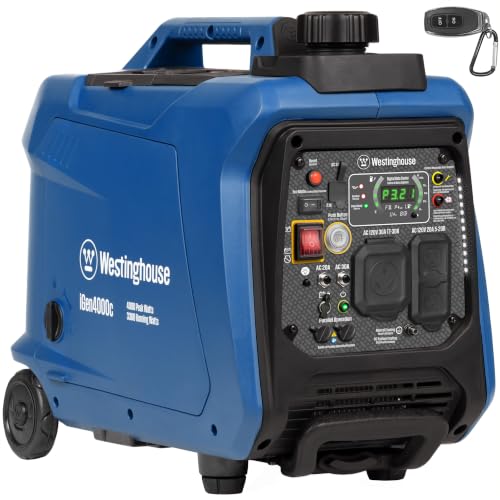
Westinghouse 4000 Peak Watt Portable Inverter Generator 30A

WEN 3600-Watt Portable Inverter Generator 56360i

AIVOLT 4300W Inverter Generator 3450W Running

ERAYAK 4500W Portable Inverter Generator for Home Use

Champion Power Equipment 4000-Watt Dual Fuel Portable Inverter Generator
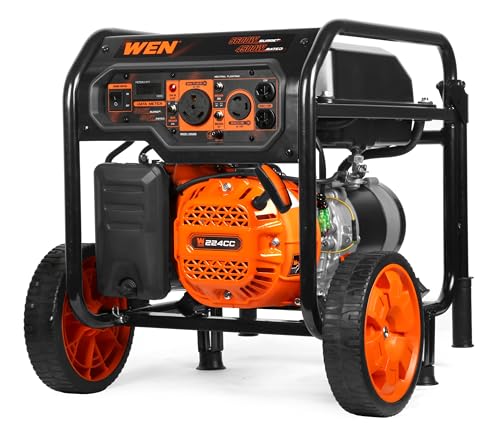
WEN 5600-Watt Portable Generator GN5600
More Details On Our Top Picks
Dual fuel makes this Westinghouse feel especially useful for RV travel, because you can plan around gas on some trips and propane on others. Remote electric start adds a little comfort that matters a lot when you’re setting up after dark or dealing with cold hands.
Compared with the simpler gas-only Westinghouse below, this one gives you more fuel flexibility without changing the RV-ready focus. The trade-off is a bit more decision-making around fuel storage, which matters most in a small rig or a packed trailer compartment.
Strong Points
- Dual fuel setup gives you more trip planning flexibility.
- Remote electric start is handy at campsites and at home.
- RV-ready output makes the 30 amp connection easier to sort out.
- Parallel capability leaves room to add output later.
- CO sensor adds a useful layer of shutoff awareness.
Things To Consider
- Dual fuel convenience also means storing and handling two fuel types.
- Portable inverter units still need routine upkeep and clean storage space.
Feature Snapshot
Who It Suits Best
You’ll get the most from this pick if you split your time between RV trips, backup power, and occasional porch or patio use.
A Better Fit Elsewhere
WEN 3600-Watt Portable Inverter Generator 56360i suits lighter campers who want a smaller, simpler carry.
This Westinghouse keeps the same RV-ready shape as Item 1, but it stays with gas and adds auto choke, which simplifies cold starts a bit. That makes it a sensible choice for campers who want fewer fuel decisions and a more straightforward setup.
In a driveway outage setup or a weekend rig, the 30 amp outlet does the practical work without turning the machine into a complicated project. The honest read is that you give up the dual-fuel freedom of the first Westinghouse, but you also trim some of the fuss.
What We Like
- Auto choke helps startup feel less temperamental.
- Remote electric start adds easy control from a distance.
- RV-ready 30 amp outlet suits common travel-trailer needs.
- Parallel capability gives you room to scale later.
Room For Improvement
- Gas-only operation is less flexible than the dual-fuel Westinghouse.
- Like most portable generators, it still needs fuel management and storage care.
Core Details
Who Will Love This
You’ll appreciate this model most if you want RV-ready output with fewer fuel choices to manage.
Look Elsewhere When
Westinghouse 4000 Peak Watt Dual Fuel Portable Inverter Generator fits you better when propane backup matters.
The WEN 56360i is the first pick that really leans into lighter weight and smaller-scale RV use. That matters on trips where you move the generator in and out of a truck bed or storage bay without wanting a wrestling match.
Compared with the 4000-watt Westinghouses, it gives you a narrower power ceiling, but it rewards that trade with easier handling. For solo campers and shorter runs, that balance often feels more sensible than carrying excess capacity you won’t use.
Highlights
- Lightweight design makes transport less of a chore.
- RV-ready output suits smaller travel setups.
- Fuel shut off helps clear the carburetor before storage.
Points To Note
- Lower output than the 4000-watt options means less overhead for heavier loads.
- Smaller units still need careful storage and periodic fuel attention.
At A Glance
Right Fit For
This is a smart match for weekend campers who want a lighter carry and modest RV power.
Another Choice May Suit
Champion Power Equipment 4000-Watt Dual Fuel Portable Inverter Generator works better for travelers who want more fuel flexibility.
The AIVOLT stands out by spelling out more of its operating profile up front, including a 3450-watt running figure and a 60 dBA sound rating. That gives you a clearer sense of what camp neighbors might hear and how much everyday load it can handle.
It feels like a good middle lane between the lighter WEN 56360i and the heavier WEN GN5600 below. The catch is that the longer feature list can tempt you to focus on numbers first, so the real question is whether your RV setup needs that extra breathing room.
Reasons To Buy
- 3450-watt running output gives solid everyday capacity.
- 60 dBA sound rating points to a calmer campsite presence.
- Low total harmonic distortion, or THD, helps describe cleaner electrical output for compatible electronics.
- CO auto-shutoff adds an important safety-oriented shutdown feature.
- Parallel-ready design leaves room for more output later.
Small Caveats
- Detailed spec lists can distract from basic fit, so you still need to match it to your RV load.
- Gas-powered portable units need periodic maintenance and dry, clean storage.
Feature Rundown
Built With In Mind
This suits campers who want a quieter-feeling RV generator with clear operating numbers to compare.
Swap It Out When
WEN 3600-Watt Portable Inverter Generator 56360i is a better match for you when portability matters more than extra headroom.
ERAYAK sits in a useful middle space for people who split time between camping, backup power, and around-the-house chores. Its home-use wording makes sense here, because you may want one machine that can move from a trailer trip to a driveway outage without feeling out of place.
Compared with the more RV-focused WEN 56360i, this one appears aimed at broader household utility. That broader stance is handy, though you may find the general-purpose angle less specialized than the Westinghouse and Champion RV-first options.
Best Bits
- 4500-watt class gives comfortable room for common portable-power tasks.
- ECO mode helps the engine respond to lighter demand.
- Portable frame works for camping, yard use, and outage prep.
- Gas-powered setup keeps fueling straightforward.
Areas To Watch
- The broader positioning may suit mixed-use owners more than RV purists.
- Like any portable generator, upkeep and storage matter between uses.
Details At A Glance
The Right Fit
You’ll likely appreciate this one most if you want a portable generator that can move between RV life and home backup.
Where A Sibling Pick Shines
Westinghouse 4000 Peak Watt Portable Inverter Generator 30A is the tighter RV match when the 30 amp outlet matters more than broader use.
Champion’s dual fuel layout and quiet-tech positioning make it feel built for travelers who want a smoother-feeling RV routine. It sits alongside the first Westinghouse dual-fuel model, but the Champion leans more directly into that upgrade path for people who travel often and value fuel flexibility.
The 30 amp RV-ready angle keeps it relevant for trailer use, and the compact portable style helps when you need to move it around a site. The trade-off is the usual one for this class, because more capability generally comes with more weight to manage and more parts to care for.
Positives
- Dual fuel flexibility suits trips with changing fuel access.
- Quiet technology is a helpful fit near campsites and neighbors.
- RV-ready design aligns with 30 amp trailer hookups.
- Portable inverter format makes it friendlier for sensitive electronics.
Honest Caveats
- Dual fuel systems take a little more storage planning.
- Higher-capability portable units usually ask more from your maintenance routine.
Spec Overview
Who Should Grab It
This is a strong match for RV travelers who want fuel flexibility and a more polished portable setup.
Reach For A Different Pick When
WEN 3600-Watt Portable Inverter Generator 56360i suits lighter packers who want less bulk to move.
The WEN GN5600 steps up in raw output, which is the main reason it belongs at the end of this list. That extra headroom makes sense for RV setups that also need transfer-switch compatibility at home or more demanding power on the road.
Compared with the inverter models above, this is less about compact quiet comfort and more about broader capacity. The honest trade-off is size and noise expectations, so this one fits best when power needs matter more than a small footprint.
Bright Spots
- 5600-watt class gives more room for larger loads.
- 224cc engine size signals a more capable portable platform.
- Transfer-switch compatibility expands its usefulness beyond camping.
- RV-ready design keeps it relevant for trailer use.
Minor Gripes
- It is less compact than the inverter-focused options above.
- Higher-output conventional units can feel less campsite-friendly than quieter inverter picks.
Core Details
Whose Shelf It Belongs On
This belongs with RV owners who also want a stronger generator for home backup or heavier equipment.
Not Your Match When
WEN 3600-Watt Portable Inverter Generator 56360i is the better fit when you care more about lighter carrying and compact storage.
How To Choose The Right Generators For Rv 30 Amp
Match Output To Your RV Habits
Start with the loads you actually run, not the highest number on the box. A 30 amp RV setup often covers a fridge, lights, charging, and a few small appliances, but air conditioning changes the picture fast.
Inverter generators fit many campers because they tend to deliver steadier power for electronics, while conventional units usually lean harder into raw output. That difference matters on a long weekend, because a quieter, smaller machine can feel easier to live with than extra wattage you never use.
Decide How Much Fuel Flexibility You Want
Dual fuel models make sense for travelers who like options and don’t want to rely on one fuel source alone. Gas-only units keep the setup simpler, and that simplicity appeals to people who store the generator between trips or use it mostly for short stays.
The trade-off is plain, more fuel flexibility often means a slightly more involved ownership routine. You end up balancing convenience, storage space, and how often you actually expect to switch fuels.
Quiet Use Matters More Than The Label Suggests
Campground comfort often comes down to sound and placement, not just wattage. A unit described as quiet can still feel loud in a tight site or near a neighboring trailer, so inverter style and load management both matter.
Sound ratings, ECO mode, and a smaller engine can help, but they do not erase the fact that a generator is still a working machine. The best match feels steady enough that you stop thinking about it after setup.
Look At Connection Type And Portability
RV-ready 30 amp outlets simplify hookup, especially for travelers who want a straightforward plug-and-run setup. Transfer-switch compatibility matters more for home backup, while parallel capability helps when you want room to grow later.
Portability is the other half of the equation. Carry handles, lighter frames, and compact form factors help a lot when you move the unit in and out of a truck bed, storage compartment, or trailer tongue box.
Things Worth Knowing First
Mistakes Worth Dodging
Many shoppers focus only on peak wattage and miss the running output that matters during normal use. That can leave you with a generator that sounds strong on paper but falls short once the RV fridge, charger, and fan all wake up together.
Another common miss is overlooking fuel storage and routine care. Portable generators need clean fuel habits, safe storage, and occasional attention, or they become a headache between trips.
What The Higher Tier Buys
More expensive models usually pay for dual fuel capability, remote starting, quieter operation, or cleaner output features. Those upgrades matter most for frequent campers, longer trips, or mixed home-and-RV use.
For occasional weekend use, the jump may not feel necessary. For regular travel, the better controls and more flexible power behavior can save time and reduce small annoyances that add up.
Frequently Asked Questions
What size generator works for a 30 amp RV?
You want a generator that matches the loads you plan to run, not just the outlet on the trailer. Many campers land in the 3000 to 4000 watt range for lighter use, while larger rigs or more demanding setups may want more headroom.
Is an inverter generator better for RV use?
Inverter models often suit RV travel because they tend to run more steadily for sensitive electronics. They also usually fit campsite life better than louder, more basic portable units.
Why does dual fuel matter for RV trips?
Dual fuel gives you a second fuel option, which helps when one type is easier to find or easier to store for the trip. That flexibility can be useful for longer travel schedules.
Do you need a transfer-switch-ready generator for camping?
Not for camping alone, but it helps if you also want home backup capability. It becomes more useful when the same generator needs to work in more than one setting.
What should you check before connecting to an RV?
Confirm the outlet style, the wattage match, and the plug you plan to use. Also make sure the unit sits where exhaust can clear safely and where the cord reaches without strain.
Final Thoughts
The right generator for a 30 amp RV comes down to how you travel, how much power you actually use, and whether you value quiet operation or extra fuel flexibility. For many campers, the Westinghouse and Champion inverter models hit the sweet spot, while the WEN GN5600 makes sense when you want more output and broader backup use. The smaller WEN and ERAYAK options suit lighter, simpler setups. Pick the one that fits your routine, and your campsite power will feel a lot less improvised.
