

Mobile homes ask more from a generator than a casual campsite does. You want enough output for lights, cooling, and key appliances, but you also want quieter operation, sane fuel use, and a size that doesn’t turn storage into a puzzle. That’s where this roundup helps, because each pick here fits a different kind of outage routine, travel setup, or backup plan. You’ll see battery power stations, inverter models, and open-frame options so you can match the machine to your space, not the other way around.
The Shortlist At A Glance

Jackery Explorer 2000 v2 Portable Power Station 2042Wh 2200W
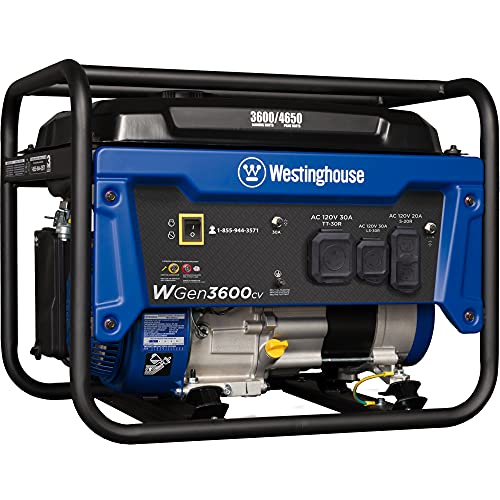
Westinghouse 4650 Peak Watt Portable Generator

Oxseryn Power Equipment 4400 Watts Inverter Generator

ERAYAK 2400W Portable Inverter Generator

AIVOLT 1600W Super Quiet Inverter Generator 28lbs

Oxseryn 2800-Watts Portable Inverter Generator

Oxseryn 4400-Watts Inverter Generator

WEN 6800-Watt Dual Fuel RV-Ready Electric Start Portable Inverter Generator
More Details On Our Top Picks
A battery power station like this fits mobile-home backup better than many gas units because it brings indoor-friendly operation and no exhaust concerns. The 2042Wh capacity means you have meaningful stored energy, while the 2200W AC output gives you room for several essentials at once. For outages that knock out lights, routers, and small appliances, that combination feels more practical than flashy.
The USB-C PD 100W port helps modern phones, tablets, and laptops charge without extra bricks, and the LiFePO4 battery chemistry points to longer service life than older lithium styles. The trade-off is simple, it’s still a power station, so very heavy loads and whole-home ambitions belong elsewhere. For apartment-style mobile-home setups or anyone who wants indoor backup without fuel handling, this is an easy pick to like.
Strong Points
- 2042Wh storage supports longer runtimes for smaller essentials.
- 2200W AC output covers a broad slice of household gear.
- USB-C PD 100W is handy for newer laptops and phones.
- Silent charging mode keeps noise low for late-night use.
- LiFePO4 battery chemistry is a sensible long-life feature.
Things To Consider
- Heavy-duty heating or cooking loads can outgrow this class fast.
- You’ll need a plan for recharging, especially during longer outages.
- Solar charging depends on panel choice, which changes the total setup.
Feature Snapshot
Who It Suits Best
Mobile-home owners who want indoor backup for electronics, lighting, and smaller appliances will get the most from this setup.
A Better Fit Elsewhere
Westinghouse 4650 Peak Watt Portable Generator suits households that want a fuel-powered standby option with a more traditional generator format.
Once you move past battery backup, this gas-powered pick makes more sense for homes that expect longer outages and want faster refueling. The RV-ready 30A outlet matters because it gives you a cleaner path to compatible hookups, which is useful for travel rigs and certain mobile-home backup plans. It feels built for straightforward, no-nonsense utility.
The CO sensor is the headline safety feature in the listing, and that will matter to anyone who keeps equipment near enclosed or semi-enclosed spaces. The catch is that fuel storage, maintenance, and startup routines belong to this style of machine, so it’s less convenient than the Jackery Explorer 2000 v2. For a family that wants traditional generator behavior, though, that trade-off is usually acceptable.
What We Like
- 4650 peak watts give you more headroom for tougher starts.
- RV-ready 30A outlet simplifies certain hookup setups.
- Gas power keeps refueling simple during longer outages.
- CO sensor adds an important layer of awareness.
Worth Noting
- Gas storage and regular upkeep add to ownership work.
- It’s a louder style than inverter or battery options.
- Weight and footprint matter more in tight storage areas.
Core Details
Made For
Mobile-home owners who prefer a fuel generator for longer outage stretches and RV-style connections fit this model well.
Another Choice May Suit
Jackery Explorer 2000 v2 Portable Power Station suits you better for indoor use and lower-noise backup around electronics.
This Oxseryn lands in the middle ground between a compact inverter and a bigger standby-style generator. The open-frame layout usually means a more rugged, work-ready form, while the ECO mode points to fuel-conscious operation under lighter loads. That mix can suit mobile-home backup where you want more muscle than the smaller ERAYAK but less bulk than a heavier traditional unit.
It’s also the kind of pick that makes sense for mixed use, such as outage support, campsite power, and occasional tool duty. The honest read is that open-frame machines are rarely the quietest in a lineup, even when they’re labeled low noise, so placement matters. For people who want flexibility without jumping to a much larger generator, this one is worth a close look.
Positives
- 4400-watt class gives you useful midrange capacity.
- ECO mode can help trim fuel use on lighter loads.
- Open-frame design suits rougher handling and outdoor storage.
- Fits both backup duty and recreational use more easily.
Small Caveats
- Open-frame construction usually takes more space than enclosed units.
- Noise expectations should stay realistic around close neighbors.
- Gas upkeep remains part of normal ownership.
Technical Sheet
Right Fit For
Mobile-home households needing a versatile midrange generator for both backup and outdoor use will appreciate this shape of machine.
Skip It When
ERAYAK 2400W Portable Inverter Generator makes more sense for tighter storage and lighter electrical needs.
The ERAYAK keeps the footprint smaller than the midrange Oxseryn options, which matters when storage space is tight inside a mobile home. Its inverter design is a practical fit for electronics and lighter household backup, especially in spaces where lower noise matters. The shape of the listing suggests a machine aimed at useful simplicity rather than heavy-duty bravado.
In a real outage, that usually translates to a generator you can move around more easily and store without much drama. The trade-off is capacity, so it suits essentials better than power-hungry appliances. For solo households, small families, or weekend campers, that balance can make a lot of sense.
Highlights
- Smaller format is easier to store and shift around.
- Inverter output suits devices that need steadier power.
- Quiet operation suits close quarters and campground use.
- Good middle step between tiny travel units and larger models.
Areas To Watch
- It’s not the pick for the heaviest household appliances.
- You may want more runtime headroom for longer outages.
- Gas maintenance still applies, just like other fuel models.
Details At A Glance
The Right Fit
Mobile-home owners who want a smaller, easier-to-store inverter for essentials and short outages will feel right at home with this one.
Where A Sibling Pick Shines
WEN 6800-Watt Dual Fuel RV-Ready Electric Start Portable Inverter Generator suits larger backup needs and a more upgrade-heavy setup.
Lightweight portability is the obvious story here, and the 28-pound figure makes a difference in real storage and carry use. AIVOLT also lists 57dBA, which is a sound level that usually feels easier to live with in close spaces than a more brute-force open-frame machine. That matters for mobile-home patios, short camping stays, and quick backup jobs around the property.
The <3% THD note is useful for sensitive electronics, and the CO auto-shutoff feature gives the listing a safety-minded angle. The trade-off is straightforward, this is a smaller generator, so it belongs with phones, small appliances, and modest loads rather than power-hungry whole-space backup. It’s the kind of pick you choose for convenience first.
Upsides
- 28-pound weight keeps transport less awkward.
- 57dBA rating suits quieter shared spaces better.
- Pure sine wave output helps with sensitive electronics.
- CO auto-shutoff adds an important response feature.
- ECO mode can stretch use in lighter-demand moments.
Room For Improvement
- Smaller output limits what you can run at once.
- Not the right size for big household startup loads.
- Gas upkeep still applies, even at this lighter size.
Spec Overview
Whose Shelf It Belongs On
Shoppers who value a lighter generator for camping, tailgating, or smaller backup jobs will get the most from this unit.
Look Elsewhere When
Oxseryn 2800-Watts Portable Inverter Generator suits you better for a roomier backup margin and more everyday household flexibility.
This Oxseryn steps up from the lighter AIVOLT by offering more room for everyday backup without jumping into a bulky frame. The 1.1-gallon fuel tank is a helpful detail because it gives you a clear sense of the unit’s on-board fuel storage, and the fuel shut-off feature matters for storage habits and carburetor care. That makes it a practical fit for people who want a manageable gas generator with a little more breathing room.
At 39 pounds, it stays portable enough for most short moves around a mobile home or campsite. The honest catch is that you still need fuel management and regular handling, so this is not the easiest path for someone who wants nearly hands-off backup. For balanced use, though, it lands in a nice middle lane.
Bright Spots
- 2800 watts gives you more flexibility than very small units.
- 1.1-gallon tank gives a clear fuel reference point.
- Fuel shut-off helps with storage habits and upkeep.
- 39-pound body stays manageable for portable use.
Honest Caveats
- It still asks for gas handling and periodic maintenance.
- Larger appliances may push it harder than you want.
- Noise control depends a lot on where you place it.
Quick Facts
Best Suited To
Mobile-home owners who want a midrange portable inverter for common backup chores and a manageable carry weight fit this model well.
Reach For A Different Pick When
Jackery Explorer 2000 v2 Portable Power Station is the cleaner match for indoor-friendly backup and quieter operation.
The RV-ready 30A outlet gives this Oxseryn a stronger role in mixed backup setups, especially where you want a cleaner connection point for compatible gear. Compared with the smaller portable inverter models here, it leans harder toward utility and connection variety. That can be a real advantage for mobile-home owners who also use an RV or want a generator that can cover several different jobs.
The open-frame design makes it feel more work-oriented than sleek, which is neither good nor bad on its own. What matters is fit, and the fit here is for someone who values outlet flexibility and a more rugged layout over compactness. It pairs nicely with larger storage areas and outdoor placement.
Best Bits
- 4400-watt output opens up more use cases.
- RV-ready 30A outlet broadens compatibility.
- Open-frame format suits utility-focused setups.
- Good bridge between portable and more capable backup needs.
Minor Gripes
- Open-frame style takes up more visual and storage space.
- It’s not the quietest route for close-quarter use.
- Gas upkeep stays part of the routine.
Feature Card
Built With In Mind
Mobile-home households that want a flexible backup generator with RV support and a larger output class will benefit most here.
Swap It Out When
WEN 6800-Watt Dual Fuel RV-Ready Electric Start Portable Inverter Generator suits you better for even more headroom and dual-fuel flexibility.
The WEN stands out by stacking several useful traits into one frame, starting with dual fuel support and electric start. Dual fuel means the unit can run on two fuel types, which gives you more flexibility during a long outage or supply disruption. For a mobile home that needs a stronger backup plan, that combination feels especially practical.
The RV-ready layout and CO Watchdog feature make it easier to place this generator into a real-world backup routine, especially for larger spaces or higher demand. The trade-off is size and complexity, because more capability usually means more system to manage. That’s the honest reason this one makes sense as an upgrade rather than a casual starter pick.
Reasons To Buy
- Dual fuel support gives you more fuel flexibility.
- Electric start simplifies getting the unit running.
- 6800-watt class suits more demanding backup setups.
- RV-ready design broadens connection options.
- Fuel shut-off is useful for storage and maintenance habits.
Points To Note
- The larger format can be harder to store in tight spaces.
- More features usually mean more setup to think through.
- It makes the most sense when you truly need the extra headroom.
Core Details
The Right Fit
Mobile-home owners with larger backup needs and a preference for more flexible fuel options will get the most value from this generator.
Not Your Match When
AIVOLT 1600W Super Quiet Inverter Generator 28lbs suits you better for lighter loads, easier carry, and a smaller footprint.
How To Choose The Right Generators For Mobile Home
Power Needs Start With The Load List
Your first job is matching output to the devices you actually keep running during outages. A mobile home usually needs a shortlist of essentials, not a fantasy setup, so lights, a refrigerator, fans, charging gear, and possibly a small window AC unit matter more than headline wattage alone. The right wattage depends on startup surges, too, because some appliances draw more power the moment they begin.
Portable power stations like the Jackery Explorer 2000 v2 work well for electronics and modest backup, while higher-output gas models make more sense for heavier appliance loads. That gap matters because an undersized generator can leave you juggling circuits, while an oversized one can take up space and fuel you never needed. Start with the appliances, then match the machine.
Noise, Fuel, And Storage Shape Daily Comfort
Mobile-home living often means closer neighbors and tighter outdoor space, so noise becomes more than a nice-to-have. Battery units and inverter generators usually feel easier to live with than open-frame gas models, especially for evening use or campground-style parking lots. Fuel choice matters too, because gas brings refueling flexibility while battery storage brings easier indoor use.
Storage is the hidden issue many people miss. A compact inverter like the ERAYAK or AIVOLT is easier to tuck away, while larger models such as the WEN ask for a real storage plan and a place to keep fuel-related gear organized. That’s the trade-off you feel after the purchase, not before it.
Connection Types Should Match Your Setup
Some mobile-home setups need a standard outlet strategy, while others lean on RV-ready 30A connections. A 30A outlet gives you a clearer path for compatible trailers, transfer gear, or travel-focused setups, and it shows up on models like the Westinghouse 4650 and the WEN 6800-Watt Dual Fuel. That’s useful, but only when your gear actually matches the outlet.
Pay attention to charging ports too, especially on battery stations. USB-C PD, which stands for Power Delivery, supports faster charging for newer devices without a separate adapter. For family use during an outage, that small detail can keep phones and laptops from turning into cable chaos.
Think About Long-Term Handling, Not Just Startup Day
People often focus on what a generator can run and forget what it asks from you afterward. Gas models need fuel management, periodic upkeep, and a sensible place to store them, while battery units ask for charging plans and a clear idea of runtime. The easier machine to live with is usually the one that fits your routine instead of fighting it.
LiFePO4 battery chemistry, found in the Jackery, is a good example of a feature that matters more over months than minutes. It points to steadier long-term ownership, while electric start on the WEN reduces hassle during setup. Those are the kinds of details that separate an easy backup plan from a frustrating one.
Things Worth Knowing First
Common Shopping Slip Ups
One common mistake is buying for peak watts only and ignoring the actual appliances you’ll run. Another is overlooking noise, which becomes a real issue near porches, shared lots, or narrow spaces around a mobile home. You also want to avoid ignoring outlet types, because an RV-ready connection means little without matching gear.
Storage and upkeep slip through the cracks often, too. A fuel generator that fits the load list can still become annoying fast when there’s nowhere sensible to keep it or when maintenance feels like a chore after every use.
What The Higher Tier Buys
Higher-tier models usually pay for larger output, broader outlet options, and nicer convenience features like electric start or dual fuel support. In this category, those additions matter because they reduce friction during an outage and make the setup more adaptable for changing conditions.
You’ll feel the upgrade most when your backup needs are broad, your home space is larger, or your routine demands fewer compromises. Smaller picks still have a place, but the added cost often goes into flexibility rather than raw bragging rights.
Frequently Asked Questions
Can a portable generator support a mobile home?
Yes, a portable generator can support many mobile-home essentials, as long as the output matches the load. The key is choosing a unit that fits your appliances and outlet plan.
Is inverter power better for electronics?
Inverter output is usually the safer fit for phones, laptops, and similar devices because it aims for steadier power. That’s why several picks here lean inverter instead of open-frame.
Do battery power stations work for outages?
Yes, battery stations work well for smaller backup jobs such as lights, routers, and charging gear. They are especially useful indoors because they avoid fuel handling and exhaust.
Why does RV-ready matter?
RV-ready means the generator includes an outlet style suited to compatible trailer or RV connections. That makes setup simpler for travel rigs and some mobile-home backup arrangements.
What is the most practical choice for tight storage?
Smaller inverter models usually fit tight storage better than open-frame or higher-output units. The ERAYAK 2400W and AIVOLT 1600W are especially sensible for that kind of space.
Closing Thoughts
The best generators for mobile home use are the ones that match your load, your noise tolerance, and your storage space. A quiet battery station like the Jackery suits indoor-friendly backup, while the WEN fits a larger, more flexible setup. The middle options give you a useful bridge between those two extremes. Choose the machine that fits your routine, and the rest of the decision gets a lot easier.
