

Camper power gets tricky fast once you need to run laptops, charge battery banks, or keep small appliances going off-grid. The right inverter or converter helps you match the load to the job, so you are not stuck with a setup that feels either underpowered or heavier than you need. This roundup focuses on the gear that fits real travel, campsite, and RV use, from compact vehicle units to full-size systems.
The Shortlist At A Glance

Giandel 4000W Pure Sine Wave Power Inverter 12V to 120V AC

PowerMax PM4-55A 55A Deck Mount RV Converter Charger Lithium
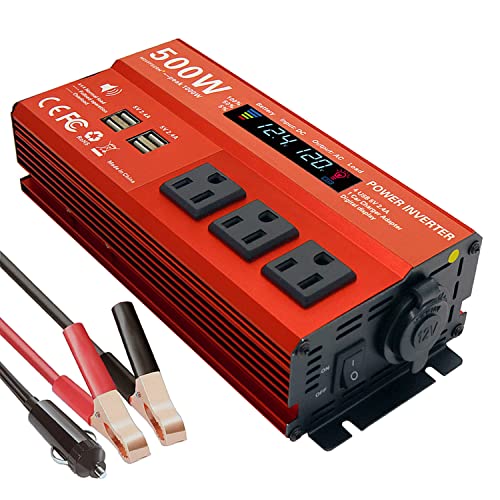
MOVFFGGRM 500W Peak 1000W Power Inverter for Vehicles

AIVOLT 1600W Super Quiet Inverter Generator 28lbs

Giandel 5000Watt Power Inverter ETL UL458 Listed Inverter
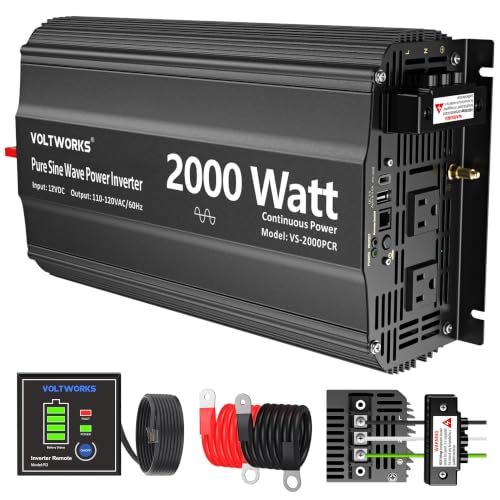
VOLTWORKS 2000 Watt Pure Sine Wave Inverter 12V DC to 110V 120V AC

vansoet 400W Car Power Inverter for Vehicles DC 12V to AC 110V

Xantrex Prowatt SW2000 2000W True Sinewave Inverter Model# 806-1220
More Details On Our Top Picks
That much output belongs in a camper that carries heavier appliances, not just phones and tablets. Pure sine wave power means the AC output is smoother than the cheaper modified-wave style, so gear with sensitive electronics has a friendlier power source.
The dual remote setup is handy in an RV bay or storage compartment, because you do not need to crawl into the installation area every time you check it. The trade-off is size and installation weight, so this fits better for fixed builds than for casual weekend setups.
Strong Points
- Pure sine wave output suits electronics that prefer cleaner AC power.
- 4,000 watts of continuous output gives you room for bigger cabin loads.
- 7,000-watt surge capacity helps cover short startup bursts from motor-driven gear.
- Dual remote control support makes day-to-day monitoring easier in an RV layout.
- It works with the full spread of 12V battery setups, which broadens installation options.
Areas To Watch
- It makes more sense in a permanent mount than in a light portable rig.
- High-capacity inverters usually need careful cable planning and secure placement.
- The larger footprint can be more than you need for phone charging or weekend camping.
Feature Rundown
Who It Suits Best
RV owners and off-grid campers with larger electrical loads get the most from this setup, especially in a fixed install.
A Better Fit Elsewhere
Giandel 5000Watt Power Inverter ETL UL458 Listed Inverter suits heavier hardwired builds better, especially when you want even more overhead for truck or emergency use.
Unlike the high-output inverters in this list, this PowerMax unit is about steady 12V DC conversion and battery charging rather than running AC loads. That matters in an RV that spends time plugged in, because the converter side keeps your house battery side fed while supporting everyday DC needs.
The adjustable charging setup makes sense for mixed battery banks, including lead-acid and lithium packs. In most rigs, that flexibility is worth more than flashy wattage, although you still want to match the unit to your panel layout and ventilation space.
What We Like
- Deck-mount design fits RV electrical compartments cleanly.
- Adjustable charging supports both lead-acid and lithium battery use.
- Clean 12V output is useful for steady onboard DC power.
- The charging role helps a camper battery system stay practical for daily travel.
Worth Noting
- This is a converter charger, so it does not play the same role as a pure AC inverter.
- It works best in a fixed RV installation with proper space and wiring.
- You need a battery setup that matches the charger’s intended use.
Core Details
Right Fit For
You benefit most from this pick if your RV stays plugged in often and you want the battery side managed with less fuss.
Swap It Out When
VOLTWORKS 2000 Watt Pure Sine Wave Inverter 12V DC to 110V 120V AC makes more sense for campers who need household-style AC from a battery bank.
This smaller inverter makes more sense for charging gear in a car, truck, or light camper than for running demanding appliances. Four USB ports, including 2.4A outlets, give you a tidy way to keep phones, tablets, and accessories moving without carrying a separate charging block.
The cigarette-lighter style plug keeps the setup simple, which is exactly why road-trippers tend to look at this size first. The catch is obvious, though, because its output class is built for lighter loads and short-use convenience rather than full cabin power.
Highlights
- Compact format is easier to stash in a glove box or center console.
- Four USB ports cut down on charger clutter for family travel.
- One AC outlet plus the car plug helps cover common roadside charging jobs.
- Low-bulk design suits weekend trips and everyday commuting.
Small Caveats
- It is not the right scale for high-demand appliances.
- Power delivery is better suited to small electronics than full camper systems.
- The plug-in format is convenient, but it also points to a lighter-duty use case.
At A Glance
Made For
Road-trippers and commuters who want lightweight charging support in the cabin will get the most value here.
Where A Sibling Pick Shines
vansoet 400W Car Power Inverter for Vehicles DC 12V to AC 110V works better for someone who wants PD USB-C support alongside a more modern port mix.
Not every camper setup starts from a battery bank, and this generator fills that gap for people who want portable AC power without tying the whole rig to a hardwired inverter. The 57 dBA noise figure matters in camp, because lower sound helps your setup feel less intrusive near tents or neighboring sites.
The 28-pound carry weight keeps it in the portable bracket, and the ECO mode can stretch runtime in a way that suits longer weekends. The trade-off is fuel-based ownership, so you will be dealing with gas storage, maintenance, and a setup that sits outside the clean simplicity of a battery inverter.
Bright Spots
- Portable size works for camping, tailgates, and backup use.
- Pure sine wave output is friendlier to many electronics.
- 57 dBA noise level supports a calmer campsite experience.
- ECO mode is useful for lighter loads and longer stretches between refuels.
- The 28-pound build stays manageable for short carries.
Points To Note
- Fuel-powered gear asks for more upkeep than a battery inverter.
- The running wattage sits below the peak figure, so load planning still matters.
- Outdoor placement and fuel handling are part of daily ownership.
Feature Snapshot
The Right Fit
You will like this most for portable camp power, especially when a generator makes more sense than a fixed inverter.
Another Choice May Suit
Giandel 4000W Pure Sine Wave Power Inverter 12V to 120V AC fits better for an RV owner who already has a battery system and wants hardwired cabin power.
This is the kind of inverter you look at for a serious truck, RV, or off-grid electrical build, not a casual charging kit. The 40-amp hardwire terminal and four AC sockets make it clear that the design expects a more permanent install with a real load plan.
The 30-foot wired remote is useful in larger vehicles because the control point can sit far from the inverter body. That convenience comes with a familiar trade-off, though, since a unit at this scale asks for careful wiring, airflow, and a storage spot that can handle the size.
Reasons To Buy
- 5000-watt class output supports demanding off-grid loads.
- Hardwire terminal is a strong fit for built-in installations.
- Four AC sockets provide flexible device hookups.
- The 30-foot remote gives you more control placement options.
- ETL and UL458 listing language points to a more structured product position.
Room For Improvement
- It is more inverter than casual camper accessory.
- Large installations need disciplined cable routing and mounting space.
- The size and power level are more than many light RV setups need.
Technical Sheet
Built With In Mind
Truck owners and RV builders who want a hardwired, high-output inverter will get the most from this one.
Look Elsewhere When
Xantrex Prowatt SW2000 2000W True Sinewave Inverter Model# 806-1220 fits better for a smaller, more polished cabin install with less raw capacity.
This one sits in a useful middle ground, especially for campers who want clean AC without jumping all the way to a huge installation. Pure sine wave output gives it a better fit for sensitive gear, while the 20A hardwire terminal keeps it relevant for more permanent setups.
The UL fuses are a practical detail because fuses are the sacrificial parts that interrupt current during an electrical fault. That does not make the install hand-free, of course, but it does add a more orderly hardware story for RV, truck, and home backup use.
Positives
- 2,000 watts gives you meaningful power without jumping into the largest class.
- Pure sine wave output is well suited to electronics and mixed appliances.
- The 20A hardwire terminal helps in fixed installs.
- UL fuse support adds a practical layer to the hardware setup.
Honest Caveats
- It still asks for proper wiring and space planning.
- The output level is strong, but not enough for the heaviest cabin loads.
- Owners who want plug-in convenience may prefer a smaller vehicle inverter.
Details At A Glance
Whose Shelf It Belongs On
You are in the sweet spot for this model if you want a cleaner inverter choice for RV, truck, or off-grid use without overcommitting to a huge system.
Reach For A Different Pick When
Giandel 4000W Pure Sine Wave Power Inverter 12V to 120V AC is the better step up for campers who need more headroom for bigger appliances.
This one is built for the driver who wants more than a basic phone charger but does not need a full cabin inverter. The PD 30W USB-C port is the standout practical detail, because USB-C power delivery helps modern devices charge faster and with less cable clutter.
The dual AC outlets and extra USB ports make sense in a car packed with mixed gear, from tablets to a laptop on a road trip. It stays compact enough for everyday storage, though the lighter output means you should think of it as a charging companion rather than a load-heavy camper power source.
Best Bits
- PD 30W USB-C support matches newer phones, tablets, and some laptops.
- Two AC outlets add flexibility for small devices.
- The USB mix makes family travel easier to organize.
- Compact size is practical for glove box or center-console storage.
Minor Gripes
- Output level suits charging more than heavy appliance use.
- Plug-in car format keeps it in the lighter-duty category.
- You may outgrow it quickly in a larger RV setup.
Quick Facts
Who Will Love This
Daily drivers, road-trippers, and campers who mostly need device charging will get the clearest value here.
Skip It When
MOVFFGGRM 500W Peak 1000W Power Inverter for Vehicles is the better fit for someone who wants more USB count and a bit more output room.
Xantrex has a more established, install-focused feel than the lighter vehicle units in this roundup. True sinewave output matters here, because the cleaner power profile is a better fit for equipment that prefers stable AC in a camper, trailer, or custom cabin build.
The 2,000-watt class puts it in a useful middle zone, much like the VOLTWORKS pick, but the Xantrex name and model focus make it feel aimed at more deliberate installation work. The honest read is that it suits someone who wants a straightforward inverter path without stepping into an oversized system.
Standout Traits
- True sinewave output is a strong match for sensitive AC equipment.
- The 2,000-watt class works for many mid-size camper power plans.
- It feels suited to serious installation work rather than casual travel use.
- The model naming is clear enough to simplify matching and replacement.
Softer Spots
- It does not bring the extra USB convenience found on smaller vehicle units.
- Fixed-install buyers will need to think about wiring and placement.
- Higher-output campers may still want a larger inverter class.
Feature Card
Perfect Match For
You suit this pick best if you want a durable-feeling 2,000-watt inverter for a planned camper install.
A Better Fit Elsewhere
vansoet 400W Car Power Inverter for Vehicles DC 12V to AC 110V fits better for drivers who care more about compact USB charging than fixed power work.
How To Choose The Right Camper Inverters
Match Output To Your Real Load
Start with the things you actually want to run, not the biggest wattage number in sight. A phone charger and a laptop dock live in a very different world from a microwave, a fan, or a battery charger, and that gap shows up fast in inverter size.
Pure sine wave output is the cleaner AC form, meaning it resembles household wall power more closely than rougher wave styles. That matters for sensitive electronics, while less delicate gear can live happily on simpler equipment.
Decide Between Plug-In And Hardwired
Plug-in vehicle units are convenient for light travel use and easy storage. Hardwired inverters and converter chargers fit better in RV bays, truck beds, or permanent cabinets where you want steadier power and a cleaner layout.
The trade-off is installation effort. A hardwired unit usually asks for more planning around cable length, ventilation, and mounting, but you get a tidier setup that feels less temporary.
Think About Port Mix And Charging Habits
USB-C, USB-A, and AC outlets each solve a slightly different problem. A camper with several phones, tablets, or laptops benefits from a port mix that cuts down on adapter clutter, while a house-style inverter matters more for small appliances.
That balance is why smaller units like the vansoet make sense for daily driving, while larger picks such as the Giandel 4000W or VOLTWORKS 2000W suit a broader cabin setup. The best match is the one that mirrors your actual charging routine instead of your wish list.
Leave Room For Future Use
A camper setup tends to grow. A good inverter choice leaves some breathing space for another device, a second person’s gear, or a different battery setup later on.
That does not mean overbuying. It means choosing enough headroom to avoid running your system at the edge all the time, which is where ownership gets frustrating.
A Quick Reality Check
Common Shopping Slip Ups
A lot of people start with output size and forget the rest of the system. Voltage, battery type, outlet count, and mounting style matter just as much as the headline wattage.
Another easy miss is buying an inverter when the setup really needs a converter charger, like the PowerMax PM4-55A. The two jobs sound similar, but they solve different problems in an RV.
The Upgrade Payoff
Higher-tier models usually cost more because they bring cleaner output, stronger surge headroom, sturdier hardware, and more installation flexibility. That extra spend often makes sense in an RV or off-grid build where you rely on the unit often.
You also get more comfort around sensitive electronics and larger loads. For occasional phone charging, a smaller vehicle inverter keeps life simpler, but a serious cabin setup usually justifies the stronger hardware.
Frequently Asked Questions
What size inverter suits a camper best?
The right size depends on what you want to power, not just the vehicle type. Small charging jobs fit compact units, while larger appliances need a much stronger inverter.
Is pure sine wave worth it?
Pure sine wave output is a safer match for sensitive electronics and mixed household-style gear. That extra polish matters more as your camper setup gets more complex.
Do you need a hardwired inverter in an RV?
Hardwired models make sense for permanent installs and heavier loads. Plug-in units are easier to move and better for lighter travel use.
Can a converter charger replace an inverter?
No, it handles a different job. A converter charger supplies and manages 12V DC power, while an inverter turns battery power into AC.
Should you buy more wattage than you need?
A little extra headroom is useful, but too much can mean a larger, more complicated setup. The better move is enough capacity for your actual devices plus a sensible buffer.
Final Thoughts
Your best camper inverter depends on how you travel, how much you plug in, and how fixed your setup is. A small road-trip unit can be the right answer for one vehicle, while a hardwired 2,000-watt or 4,000-watt option makes more sense for an RV that carries real cabin loads. The shortlist above covers the main use cases without forcing you into one style. Choose the pick that fits your battery system, your storage space, and your daily routine, and the whole setup feels a lot less fussy.
