

Campground power is convenient until the pedestal is crowded, the site is far from hookups, or a storm knocks the lights out at home. You need a generator that fits your space, your noise tolerance, and the appliances you actually plan to run. That usually means balancing wattage, RV-ready outlets, fuel choice, and portability without getting stuck with more machine than you want to move. The eight picks below focus on practical fit, not showy specs.
The Shortlist At A Glance
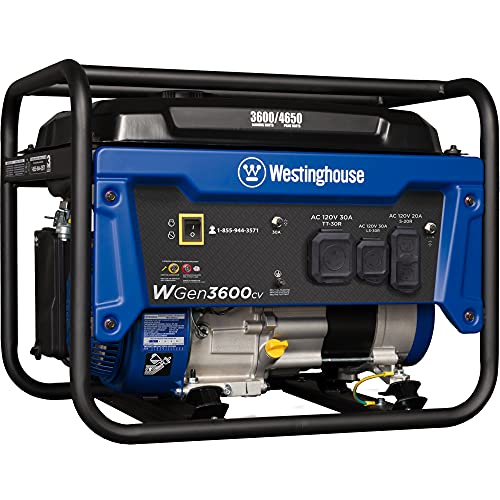
Westinghouse 4650 Peak Watt Portable Generator

Oxseryn Power Equipment 4400 Watts Inverter Generator

WEN 3600-Watt Portable Inverter Generator (56360i)

WEN Quiet and Lightweight 3600-Watt Dual Fuel RV-Ready Portable Inverter Generator (DF360iX)

AIVOLT 4300W Inverter Generator for Camping

WEN Quiet and Lightweight 4800-Watt RV-Ready Portable Inverter Generator (56477i)

Champion Power Equipment 4000-Watt RV Ready Portable Inverter Generator

WEN 6800-Watt Dual Fuel RV-Ready Electric Start Portable Inverter Generator (DF680iX)
More Details On Our Top Picks
This Westinghouse feels aimed at campers who want a straightforward gas generator with RV-friendly connections and enough headroom for common site needs. The 30A outlet matters because it matches a typical camper hookup, so you’re not stuck juggling adapters as much.
The CO sensor adds a practical layer for tight outdoor setups, and that’s a real comfort point around a trailer or backyard backup spot. The trade-off is size and fuel-only operation, so it suits people who value familiar operation over extra flexibility.
Strong Points
- RV-ready 30A outlet makes camper hookup simpler.
- 4650 peak watts gives breathing room for common campsite loads.
- Gas power keeps refueling familiar on longer stays.
- CO sensor adds a useful layer for enclosed-adjacent setups.
Things To Consider
- Gas-only design leaves out dual-fuel flexibility.
- The larger output class usually means more bulk to store and move.
- Routine fuel care matters, especially for seasonal campers.
Core Details
Who It Suits Best
Weekend RV campers who want a simple, familiar gas setup will get the most from this one.
Where Another Pick Suits Better
WEN DF360iX fits you better when dual fuel matters more than raw simplicity, especially on trips where propane storage feels easier.
Compared with the Westinghouse above, this Oxseryn leans into open-frame utility and a lower-noise inverter layout. That mix works well for a campsite, tailgate spot, or emergency backup corner where you want steadier output without a huge footprint claim.
The ECO mode is the useful bit here, because it adjusts output to demand instead of running flat-out all the time. You may find the open-frame format a little less polished for quiet campground etiquette than the more enclosed inverter styles later in the list.
Upsides
- 4400-watt output covers a wide range of portable power needs.
- ECO mode helps match engine effort to load demand.
- Inverter design suits electronics better than basic open-frame units.
- RV-ready framing makes it useful for camper and backup use.
Points To Note
- Open-frame construction can feel less sheltered than a fully enclosed body.
- Gas operation means you’ll plan fuel storage and refills around trips.
- Noise stays lower than many basic generators, but campground etiquette still matters.
Feature Rundown
Built With In Mind
Campers who want a useful, no-fuss inverter generator for mixed outdoor and backup duty will appreciate this one.
A Better Fit Elsewhere
Champion Power Equipment 4000-Watt RV Ready Portable Inverter Generator suits you better for a more established brand feel and a quieter-tech-first approach.
After the larger-output Oxseryn, this WEN makes the case for keeping things light. The quieter inverter format and compact 3600-watt class suit smaller campers, short trips, and anyone who has to lift the unit in and out more than once.
The fuel shut-off is a nice ownership detail because it helps simplify storage after a trip, and that matters more than it sounds. The honest read is that you’re trading away extra headroom, so larger rigs or heavy appliance use will want more capacity.
Bright Spots
- Quiet inverter layout suits campground use.
- Lightweight framing helps with loading and storage.
- RV-ready design matches many camper hookups.
- Fuel shut-off supports cleaner end-of-trip handling.
- Smaller size feels easier to tuck into a trailer compartment.
Room For Improvement
- 3600 watts is more modest than several picks later in the list.
- Best fit stays with lighter camper loads.
- Regular fuel management still matters for seasonal storage.
Details At A Glance
Made For
Small-trailer campers and weekend travelers who value easier lifting over extra capacity will feel at home with this pick.
Skip It When
WEN DF680iX is the better match for heavy appliance use or a larger RV that needs far more overhead.
This DF360iX keeps the same compact 3600-watt size as the prior WEN, but the dual-fuel setup changes the ownership story. Propane can be convenient for storage and trip prep, while gas gives you the familiar fallback many campers still prefer.
The CO Watchdog feature adds another layer of practical awareness around outdoor power use, and that matters around trailers or nearby tents. The trade-off is still capacity, so you’re buying flexibility more than sheer output.
Positives
- Dual-fuel design gives you two fuel paths.
- CO Watchdog adds a useful watchpoint for campsite setups.
- Quiet and lightweight wording points to easier handling.
- Fuel shut-off helps with tidier storage after a trip.
- RV-ready design keeps it practical for campers.
Minor Gripes
- 3600-watt output still keeps this in the midrange class.
- Dual-fuel flexibility can mean more planning around fuel storage.
- Regular maintenance matters with any generator that sits between outings.
Feature Snapshot
Whose Shelf It Belongs On
Campers who want propane flexibility without moving up to a much larger unit should pay close attention here.
Reach For A Different Pick When
Westinghouse 4650 Peak Watt Portable Generator fits better for RV users who care more about a stronger output ceiling than fuel flexibility.
The AIVOLT stands out because it pairs a 3450-watt running figure with a quiet-rated inverter setup and clean power output under 3% THD. THD, or total harmonic distortion, matters for sensitive electronics because lower numbers usually mean steadier power delivery for devices you’d rather not stress.
That makes it a strong campsite companion for phones, laptops, and small appliances, especially for people who keep a lot of gear charged. The catch is that it’s still a gas unit with a stated run-time profile in ECO mode, so it rewards planning more than carefree all-day use.
Best Bits
- Quiet operation suits close-set campgrounds.
- Clean power spec helps with sensitive electronics.
- CO auto-shutoff adds a useful protection layer.
- Parallel-ready setup leaves room to expand later.
- ECO mode supports lighter-demand use.
Worth Noting
- Gas-only fueling keeps it in a single-fuel lane.
- Runtime planning matters more on longer stays.
- Parallel setup only helps when you add a matching unit.
At A Glance
Right Fit For
Campers who run laptops, chargers, and other delicate electronics will appreciate the clean-power angle here.
Consider Something Else When
WEN 4800-Watt RV-Ready Portable Inverter Generator makes more sense for heavier appliance loads and a little more output cushion.
Moving up from the 3600-watt WEN models, this 4800-watt version gives you more breathing room for appliances that need a stronger start. That extra headroom matters on a camper trip with a microwave, air conditioner, or a few things running at once.
It still keeps the RV-ready angle and the fuel shut-off convenience, so the appeal is not just raw output. The trade-off is predictable, though, because more capacity usually means a heavier unit and a bit less ease when you lift or store it.
Reasons To Buy
- 4800 watts gives more room for higher-demand camper gear.
- RV-ready format keeps hookup straightforward.
- Fuel shut-off helps with after-trip storage.
- Quiet and lightweight wording still points to manageable handling for its class.
Areas To Watch
- The larger power class can feel less compact than the 3600-watt WEN units.
- Fuel care still matters for seasonal storage.
- Heavier load capacity can tempt you to run more than a smaller campsite really needs.
Quick Facts
The Right Fit
Campers who want extra wattage without jumping all the way to a heavy-duty dual-fuel machine fit this model well.
Look Elsewhere When
WEN 3600-Watt Portable Inverter Generator (56360i) is easier to live with for lighter trailers and simpler packing routines.
After the WEN 4800-watt option, this Champion looks like the more measured choice for campers who want a 4000-watt class unit without moving into a larger footprint. Quiet technology is the key phrase here, and that usually translates into a calmer experience around nearby campsites and tailgates.
The brand also gives this model a familiar, settled feel, which helps when you want something that slots into regular weekend use rather than a niche setup. The honest read is that 4000 watts fits many camper routines well, but bigger rigs will still want more margin.
Highlights
- Quiet technology suits shared camping spaces.
- 4000-watt class covers many common RV loads.
- RV-ready design keeps connection simple for compatible setups.
- Portable inverter layout makes it friendlier for electronics than a basic generator.
Small Caveats
- 4000 watts sits in the middle of the group, not the highest output tier.
- Quiet technology helps, but placement still affects how noticeable it feels.
- Seasonal users still need sensible fuel and storage care.
Technical Sheet
Who Should Grab It
Campers who want a balanced, familiar inverter generator for routine trips will find a lot to like here.
Where A Sibling Pick Shines
AIVOLT 4300W Inverter Generator for Camping suits you better when lower THD and a more electronics-forward setup matter more than brand familiarity.
This DF680iX is the clear heavy-duty entry in the group, with dual fuel, electric start, and a much larger 6800-watt class. That combination makes sense for bigger campers, power-hungry appliances, or home backup situations where easy startup matters as much as output.
The CO Watchdog and fuel shut-off features round out the ownership picture by making routine use feel more considered. The trade-off is size and complexity, so it’s not the casual carry-every-weekend option that the smaller WEN models offer.
Best Suited To
- 6800 watts gives serious room for larger loads.
- Dual fuel opens up more trip planning options.
- Electric start simplifies startup compared with a manual pull model.
- CO Watchdog adds a useful awareness feature.
- RV-ready design keeps the unit aligned with camper use.
Softer Spots
- The larger body is less convenient for frequent lifting.
- Dual-fuel, electric-start hardware usually adds setup and storage considerations.
- Seasonal upkeep matters more with a higher-capacity machine.
Core Details
Built With In Mind
Large-RV owners and campers who want one generator that can also support backup needs will get the most from this model.
Another Choice May Suit
WEN 4800-Watt RV-Ready Portable Inverter Generator (56477i) is easier to handle for trips where you want more power than a 3600-watt class unit without going all the way up here.
How To Choose The Right Camper Generators
Match Output To Your Real Load
Start with the appliances you actually run, not the biggest number on the box. A small trailer with chargers, lights, and a fan can live happily in the 3600-watt range, while a larger RV often needs more headroom for startup surges.
Peak watts and running watts are not the same thing, and that difference matters. Peak covers the brief startup burst, while running output is the steady figure you live with during the trip.
Think About Noise, Space, And Handling
Quiet inverter models are friendlier in packed campgrounds, especially where people sit close to one another. Open-frame units can work well for backup use, but they usually ask for more space and are less subtle beside a tent.
Portability matters more than many shoppers expect. A lighter case, smaller footprint, and sensible handles can make the difference between a generator you use often and one that stays buried in storage.
Choose Fuel And Start Style For Convenience
Gas-only models keep refueling simple, while dual-fuel units add propane flexibility for storage and travel planning. That extra choice is handy on longer trips, though it also adds another layer to manage.
Electric start helps when you want an easier routine, especially with a larger machine. Fuel shut-off features and RV-ready outlets sound minor, but they make everyday ownership smoother in real camp use.
Do Not Skip Safety-Oriented Features
CO sensors and CO Watchdog systems are worth a close look because they show up on units meant for outdoor living near trailers and tents. They do not replace good placement habits, yet they add a thoughtful layer to the design.
For most campers, the best fit blends usable wattage, manageable size, and features that reduce friction after the trip ends. That mix usually beats chasing the biggest number alone.
What To Weigh Before You Decide
Wrong Turns To Avoid
People often size up too far and end up with a generator that feels heavy for routine campsite moves. Another common miss is forgetting the outlet type, which leads to extra adapters and more clutter around the hookup.
Noise and storage get overlooked too. A unit can look appealing on paper, then feel awkward in a small trailer compartment or too noticeable in a quiet campground.
The Case For Spending Up
Higher-tier camper generators usually give you more output, more connection options, and more convenience features like dual fuel or electric start. That extra hardware costs more because it adds flexibility and makes daily use easier.
The upgrade makes sense for larger RVs, frequent travelers, or anyone powering several appliances at once. For lighter weekend use, a simpler model often keeps life easier and avoids carrying capacity you never need.
Frequently Asked Questions
What size generator works for a camper?
A smaller camper often does well with a 3600-watt class unit. Larger rigs or heavier appliance use usually call for more output headroom.
Is inverter power worth it for camping?
Inverter models are a smart fit for camp use because they usually run more quietly and produce steadier power for electronics. That makes them a better match for phones, laptops, and modern RV gear.
Does dual fuel matter much?
Dual fuel adds convenience because you can choose propane or gas. It helps most when storage flexibility matters or you want another option on longer trips.
Why does RV-ready matter?
RV-ready usually means the generator includes a connection that lines up with camper use more easily. That can reduce adapter clutter and simplify setup at the site.
How much noise should you expect?
Quiet inverter models are usually a better fit for campgrounds than basic open-frame machines. The exact experience depends on placement, load, and how close your neighbors are.
Closing Thoughts
The best camper generator for you depends on how much power you need, how often you move it, and whether fuel flexibility matters more than a smaller footprint. The WEN 3600-watt models stay appealing for lighter trailers, while the 6800-watt DF680iX makes more sense for bigger setups and backup use. For many trips, the sweet spot is the model that feels easy enough to carry, simple enough to start, and quiet enough to live with. That balance is usually what makes a generator worth owning for the long haul.
