

Whether you’re wiring up a dual-battery setup in an RV, replacing a corroded jumper set in the trunk, or building out an off-grid solar bank, the right cable makes the difference between a clean start and a frustrating afternoon. I’ve rounded up ten solid options across marine, automotive, and inverter use, so you can match the gauge, length, and terminal style to the job without second-guessing every spec sheet.
A Side-By-Side Look

End Game 6 Gauge Marine Grade Battery Cables (Black, 3ft, 3/8 Lugs)

Cartman 4 Gauge 20 ft Heavy Duty Jumper Cables

TOPDC 4 Gauge 20 Feet Heavy Duty Jumper Cables
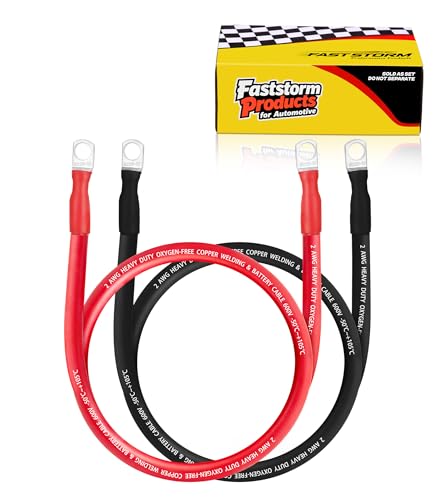
FASTSTORM 2 AWG Flexible Inverter Cable 2ft Pair
FASTSTORM 2 AWG Flexible Inverter Cable 3ft Pair
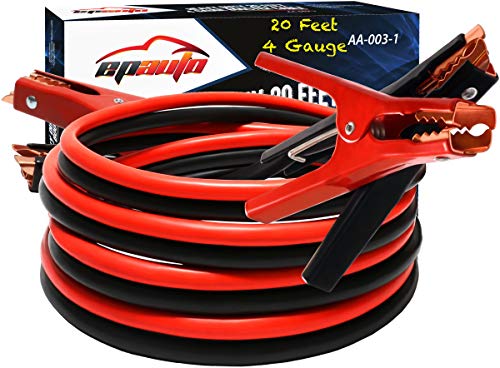
EPAuto 4 Gauge x 20 ft Heavy Duty Jumper Cables
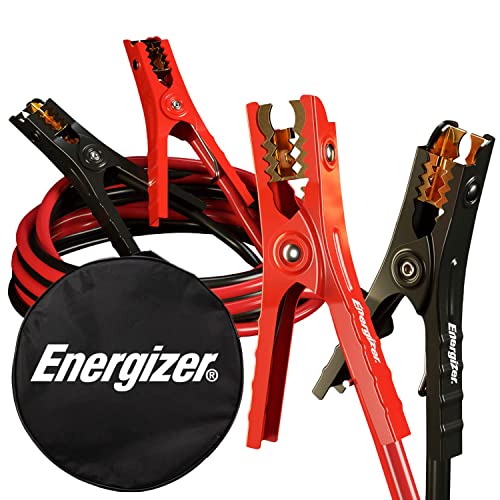
Energizer Jumper Cables 16-Feet 6-Gauge with Carrying Bag

FASTSTORM 6 AWG Battery Cable 10ft Black + 10ft Red with Lugs

FASTSTORM 4 AWG Flexible Inverter Cable 3ft Pair

FASTSTORM 2 AWG Battery Cable 10ft Black + 10ft Red with Lugs
The Picks, Examined More Closely
End Game’s marine cable targets boat owners who care about corrosion resistance as much as conductivity. The build uses tinned copper (copper strands coated in a thin layer of tin to slow corrosion in salty, humid air) wrapped in a PVC jacket rated for fuel and oil exposure, which matters in engine bays where a spill is always possible.
The 6-gauge thickness handles typical cranking loads for outboards and starters without significant voltage drop, and the 3/8″ lugs fit standard marine battery posts and switches. For coastal owners who want a cable that shrugs off salt spray, this is the most purpose-built option in the roundup.
Useful Highlights
- Tinned copper construction slows corrosion in marine environments
- PVC insulation resists oil and fuel splashes in engine compartments
- 3/8″ and 5/16″ lugs cover most battery post and switch sizes
- Assembled in the USA, available in multiple lengths for custom routing
Things To Consider
- The 3ft length works for compact battery compartments but may fall short in larger engine bays
- Specialty marine pricing reflects the tinned build, not a budget-tier cost
Built With In Mind
Boat owners and saltwater anglers who need a corrosion-resistant cable from switch to starter.
Skip It When
Garage mechanics looking for a general-purpose jumper set will get more reach and value from the Cartman 4 Gauge 20 ft Heavy Duty Jumper Cables.
The Cartman set covers the everyday dead-battery scenario most drivers actually face. The 20-foot reach handles nose-to-nose parking, parallel parking, and the awkward side-post layouts common on domestics. The clamps use a non-conductive rubber coating, which keeps hands safer when polarity gets reversed in a panic.
Inside, copper-coated aluminum conductors deliver usable cranking amps at a friendlier cost than full copper. The included carry bag keeps everything coiled in the trunk, which matters more than it sounds, since loose cables in a cargo area turn into a tangled mess the one time you actually need them.
Positive Points
- 20ft reach works for most parking and dead-battery scenarios
- Insulated clamps reduce accidental shock risk during hookup
- Fits both top-post and side-post batteries for broad compatibility
- Carry bag keeps cables tidy in the trunk between uses
Worth Noting
- Copper-coated aluminum carries current well but weighs less than pure copper, which may matter for heavy-duty diesel starts
- Owners commonly report the clamps stiffen in deep cold, so winter storage indoors helps
Right Fit For
Daily commuters and family drivers who want a reliable emergency set stashed in the trunk.
Consider Something Else When
Truck and SUV owners running larger engines get a stronger clamp bite from the TOPDC 4 Gauge 20 Feet Heavy Duty Jumper Cables.
TOPDC leans into clamp quality, which is where most jumper cables fail first. The reinforced jaw structure and aggressive teeth bite down on corroded terminals that softer clamps slip off of, which is the difference between a successful jump and a frustrating loop of re-positioning.
The 4-gauge thickness supports full-size SUV and light-truck starting loads, and the 20ft length gives enough slack for awkward parking configurations. The insulating rubber on each clamp handle protects against accidental contact during hookup, a small detail that earns its keep in low-light situations.
Noteworthy Benefits
- Reinforced clamp jaws grip corroded terminals securely
- 4-gauge wire handles larger engine displacements without voltage drop
- Insulated handles reduce shock risk during hookup
- 20ft length reaches across most parking arrangements
Trade Offs
- Heavier gauge means more weight in the trunk than lighter consumer sets
- Clamp spring tension can feel stiff for users with limited hand strength
Best Suited To
SUV, truck, and van owners with higher-amperage starting demands and a parking situation that requires long reach.
Look Elsewhere When
Sedan drivers who just need a compact emergency set will find the lighter Cartman 4 Gauge 20 ft Heavy Duty Jumper Cables easier to handle.
FASTSTORM’s 2-foot pair solves the cramped battery box problem. Most off-the-shelf jumper cables and inverter leads leave a coil of excess wire that gets pinched or rubbed against sharp edges. This short pair goes from terminal to terminal with no slack to manage.
The 2 AWG rating (a thick, low-resistance wire size) handles serious current for inverters running modest loads, and the tin-plated copper lugs (terminal rings) seal against oxidation. The red-and-black pair makes polarity obvious during install, which matters in tight spaces where a flashlight angle is awkward.
What Helps Most
- Pure copper conductors carry high current with minimal loss
- 2ft length fits tight battery compartments and inverter bays
- Tin-plated 3/8″ lugs resist corrosion at the terminal interface
- Color-coded pair simplifies positive/negative identification
Points To Note
- The 2ft length only suits side-by-side battery layouts, not remote-mounted banks
- Heavy 2 AWG wire is less flexible to route around tight bends
Who Should Grab It
Installers wiring dual batteries or compact inverter setups where battery-to-device distance is short.
Swap It Out When
Longer cable runs between batteries and inverters call for the FASTSTORM 2 AWG Flexible Inverter Cable 3ft Pair instead.
The 3-foot version of FASTSTORM’s 2 AWG pair addresses setups where the inverter sits a bit further from the battery bank, common in van builds and boat consoles. The pure copper core keeps resistance low even when the inverter pulls serious amps for induction cooktops or audio amplifiers.
Pre-terminated with 3/8″ lugs, the cables drop straight onto standard battery posts and inverter terminals. Owners commonly note that the flexible jacket makes routing through bulkheads and around corners much easier than rigid welding cable.
Where It Excels
- Pure copper conductors handle sustained high-current inverter loads
- 3ft length bridges slightly separated battery and inverter mounts
- Flexible jacket simplifies routing through tight van or boat spaces
- Pre-installed lugs eliminate the need for a separate crimping step
Honest Caveats
- At 2 AWG, the cable is stiff and benefits from careful bend planning during install
- The pure-copper construction costs more than CCA (copper-coated aluminum) alternatives
Key Specs
Whose Shelf It Belongs On
Van-lifers and audio enthusiasts running high-draw inverters who want pre-terminated, low-resistance cable.
A Better Fit Elsewhere
Workshop builders doing longer runs may prefer the FASTSTORM 2 AWG Battery Cable 10ft Black + 10ft Red with Lugs for routing flexibility.
EPAuto’s specialty insulation jacket earns its keep when temperatures drop. Standard PVC stiffens below freezing, turning a stored cable into a stubborn coil that refuses to unroll. The jacket here stays pliable in cold garages, which is the moment most stranded drivers actually reach for their cables.
Beyond flexibility, the 4-gauge conductors support most passenger and light-truck engines, and the 20ft length covers the awkward nose-to-side parking situations. For cold-weather households, the jacket material alone can justify the choice.
Practical Advantages
- Cold-flexible insulation jacket resists tangling and stiffness
- 4-gauge wire handles typical jump-start loads for cars and SUVs
- 20ft length adapts to varied parking configurations
- Stays pliable for easier coiling and storage between uses
Points To Keep In Mind
- Soft jacket flexibility can feel floppy for users who prefer a stiffer cable body
- No included carry bag, so a separate storage solution helps protect trunk carpet
Made For
Drivers in cold climates who store cables in unheated garages or trunks through winter months.
Reach For A Different Pick When
Hot-climate drivers who want a carry bag included should consider the Cartman 4 Gauge 20 ft Heavy Duty Jumper Cables instead.
Energizer targets the mainstream family driver who needs a cable that just works. The 6-gauge thickness suits compact and mid-size engines, and the thick vinyl coating shrugs off the rust that builds up on cables that live in a trunk for years.
For sedan-focused households, the 16-foot length is plenty for typical parking situations without the storage bulk of longer sets. The included carrying case keeps the cables organized and makes them easy to pass between family vehicles.
Notable Upsides
- 6-gauge rating fits compact and mid-size engine requirements
Small Caveats
- 6-gauge wire is thinner than 4-gauge sets, so it may struggle with very large V8 or diesel starts
- 16ft reach may be tight for nose-to-tail truck configurations
Quick Facts
Perfect Match For
Sedan households and commuters who want a straightforward, easy-to-store emergency jumper set.
Not Your Match When
Truck owners with larger engines should size up to the TOPDC 4 Gauge 20 Feet Heavy Duty Jumper Cables for safer cold cranking.
This FASTSTORM kit suits people who build their own cables instead of buying pre-cut lengths. You get 10 feet each of red and black 6 AWG wire along with five 5/16″ and five 3/8″ tinned copper lugs, plus heat shrink tubing for clean terminations.
The bulk-wire approach makes sense for custom installs where one size never fits all. Whether you’re wiring a solar shed, replacing a corroded ground strap, or adding a second accessory battery, the included hardware covers common terminal sizes without a separate trip to the parts store.
Well-Handled Touches
- Bulk wire format lets you cut custom lengths for exact routing
- Tinned copper lugs in two terminal sizes handle varied post dimensions
- Heat shrink tubing included for sealed, weather-resistant terminations
- Pure copper conductors support typical automotive and solar loads
Factors To Consider
- Requires a crimper and heat source to terminate the included lugs
- DIY cuts and crimps depend on installer skill for reliable connections
Who It Suits Best
Hobbyist mechanics and off-grid builders who want flexibility to cut and terminate cables to specific project layouts.
Another Choice May Suit
Shoppers who want a finished cable with no extra tools should pick the FASTSTORM 2 AWG Flexible Inverter Cable 3ft Pair instead.
The 4 AWG pair lands in the practical middle of FASTSTORM’s inverter cable lineup. It’s thicker than 6 AWG for lower voltage drop, but lighter and more flexible than the 2 AWG pairs above. For most solar charge controllers, RV battery banks, and moderate inverters, this gauge carries current without overkill.
The pre-terminated 3/8″ lugs fit standard battery terminals and inverter studs, so installation amounts to bolting down both ends. The flexible jacket helps when routing around frame rails or through cable channels.
Everyday Wins
- 4 AWG gauge handles typical solar and RV battery bank loads
- Flexible jacket simplifies routing through tight channels
- Pre-installed 3/8″ lugs eliminate extra crimping steps
- Color-coded pair keeps polarity clear during install
Details To Watch
- 3ft length restricts placement when inverter sits far from the battery bank
- 4 AWG is less tolerant of very long cable runs than thicker gauges
The Right Fit
RV and solar installers running moderate-load inverters who want a balanced gauge without overbuilding.
Where A Sibling Pick Shines
Higher-amperage inverter setups benefit from the FASTSTORM 2 AWG Flexible Inverter Cable 3ft Pair for reduced voltage drop.
The 2 AWG bulk kit steps up the current capacity while keeping the project-builder format. You get 10 feet of red and 10 feet of black 2-gauge wire, plus the same lug assortment as the 6 AWG kit above. For off-grid solar arrays, marine battery banks, or large inverter installations, this kit gives the material to do the job properly.
The thicker gauge means heavier cable and stiffer handling, so plan your bends before cutting. Once terminated, the tinned copper lugs and shrink-tubed seals stand up to vibration and weather for years of service.
Bright Spots
- 2 AWG wire supports high-amperage inverter and solar array runs
- Bulk format allows custom cuts for project-specific routing
- Tinned copper lugs in two sizes handle varied terminal configurations
- Heat shrink tubing included for sealed, weather-resistant terminations
Less-Strong Areas
- 2 AWG cable is stiff and harder to route through tight bends
- Requires accurate measurements before cutting to avoid wasted material
Who Will Love This
Off-grid solar installers and marine workshop owners building high-current battery banks with custom cable runs.
Where Another Pick Suits Better
Anyone needing a finished, pre-cut cable for a quick install will prefer the FASTSTORM 2 AWG Flexible Inverter Cable 3ft Pair.
What Matters Most Before Choosing Battery Connection Cables
Gauge and Current Demand
Wire gauge determines how much current a cable can carry without excessive voltage drop. Lower AWG numbers mean thicker wire and lower resistance, which matters for inverters, starters, and any high-draw accessory. A 2 AWG cable handles serious sustained loads, while 6-gauge suits lighter applications like small jump-start scenarios. Match the gauge to the highest current your setup will pull, not the average.
Length and Voltage Drop
The longer the cable, the more resistance builds up over distance. For inverter and battery bank wiring, keep runs as short as practical and size up the gauge when longer distances are unavoidable. A 3-foot pair that fits cleanly beats a 10-foot coil of slack that creates routing headaches and electrical loss.
Terminal Compatibility
Lug size and stud fit are easy to overlook until you’re mid-install. 3/8″ and 5/16″ lugs cover most marine, automotive, and inverter terminals, but check your specific post size before committing. Pre-terminated cables save tool requirements, while bulk wire with included lugs gives flexibility for custom projects.
Environment and Insulation
Corrosion resistance matters more in marine, outdoor, or high-humidity settings. Tinned copper conductors and oil-resistant PVC jackets hold up where bare copper would oxidize quickly. For automotive engine bays, fuel and oil resistance protects against spills that degrade standard insulation over time.
Key Considerations Across These Picks
Wrong Turns To Avoid
First-time shoppers often grab the cheapest jumper set without checking gauge, then wonder why a dead battery won’t crank. A 6-gauge cable works for small engines, but full-size trucks and SUVs need 4-gauge for reliable cold starts. The other common slip-up is ignoring terminal size; a 5/16″ lug doesn’t fit a 3/8″ post, and improvising with a hammer only damages both. Measure your battery posts and switch studs before committing to a pre-terminated set.
When Paying More Pays Off
Higher-tier cables earn their premium through tinned copper construction, heavier gauge, and marine-grade insulation. For boats, off-grid solar, or any install exposed to weather, those upgrades translate to longer service life and fewer corrosion-related failures. For occasional trunk-stash emergency use, a mid-tier set delivers plenty of capability without the marine premium.
