

I’ve spent enough weekends crawling under car hoods and wrestling with short factory leads to know how much a decent extension cable matters. Whether your charger sits across the garage from the battery, you run a small off-grid solar setup, or you keep a vintage motorcycle on a tender through winter, the right extension turns a frustrating reach problem into a simple plug-in. The ten options below cover common connector types (the round SAE plug is the most widely used quick-disconnect in this category), current capacities, and lengths, so you can match the cable to your specific setup instead of forcing a square peg into a round post.
The Lineup, Simplified

RUILAOYXT GC004 X-Connect Extension Cable 2-Pack

RUILAOYXT GC002 X-Connect M6 Eyelet Terminal Cable 2-Pack
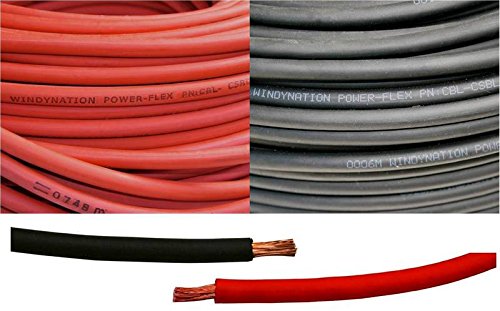
WindyNation 2/0 AWG Welding & Battery Copper Cable

BatteryMINDer DCE25 25-Foot SAE Extension Cable

Oyviny 3.3FT 10AWG SAE to O-Ring Harness

Hobbypark Deans T to Banana Bullet Adapter 2-Pack

Oyviny 2-Pack SAE Battery Charger Cable with 10A Fuse

RUILAOYXT GC002 & GC004 X-Connect Combo Cable

Oyviny 5-Pack SAE Connector 12AWG 1-Foot Extension

Oyviny 12AWG SAE Connector Cable 1-Foot 2-Pack
More Details On Our Top Picks
If your garage charger is a NOCO Genius unit and the factory lead falls short of your battery bay, this pair of 10-foot extensions plugs the gap without rewiring anything. The female-to-male X-Connect ends seat firmly into NOCO’s existing accessories, so you keep the brand’s sealed quick-disconnect feel rather than jury-rigging a third-party plug. I like that it ships as a 2-pack, which suits owners with two vehicles or one main plus a backup.
For NOCO households, the reach problem usually comes down to where the wall outlet sits versus where the battery lives. Ten extra feet per cable solves most two-car garage layouts, and the 16 AWG copper conductor keeps voltage drop modest for the gentle current a trickle charger delivers. Owners of older NOCO Boost jump starters should note this is not designed for them.
What It Does Well
- Drops cleanly into the NOCO X-Connect family without adapters
- Two-pack covers a second vehicle or a stored spare
- 10-foot length clears most garage-to-bay stretches
- 16 AWG copper keeps resistance low for routine charging
- Waterproof cover shields the connection from splashes
Worth Noting
- Not designed for NOCO Boost or Boost X lithium jump starters
- 16 AWG is fine for maintenance charging but not heavy jump duty
Right Fit For
Households running NOCO Genius chargers on a daily-driver sedan and a stored classic both benefit from this 2-pack setup.
Look Elsewhere When
The WindyNation 2/0 AWG cable is the better reach when you’re wiring a high-amperage system like an inverter bank or a solar array.
Eyelet terminals turn a charger cable into something semi-permanent. Bolt them to the battery posts once, and after that you just snap your NOCO charger onto the mating X-Connect plug without popping the hood. Compared to the GC004 extension reviewed above, this option sacrifices flexibility for a cleaner, always-installed solution that suits vehicles sitting on a tender for months at a time.
The M6 (1/4-inch) eyelet fits most passenger-car and motorcycle battery bolts. The included 20A fuse and waterproof cap add a layer of safety you don’t always get on cheaper harnesses, which matters when the lead lives near a hot engine bay. The lie-flat profile also keeps the cable from snagging on bodywork once routed.
Where It Excels
- Bolt-on install means no more hood gymnastics every charge cycle
- Inline 20A fuse guards the cable against unexpected current spikes
- Low-profile shape routes cleanly along factory wiring channels
- 16 AWG pure copper keeps voltage drop reasonable for maintenance charging
Trade Offs
- M6 eyelet only fits bolts with 1/4-inch clearance, so check before buying
- More permanent than a clip lead, which complicates multi-vehicle swaps
Made For
Owners who store a seasonal vehicle or motorcycle on a tender all winter and want a tidy, semi-permanent hookup they don’t have to wrestle each month.
Swap It Out When
The Hobbypark Deans T adapter pair makes more sense for hobbyists charging RC battery packs rather than full-size vehicle batteries.
Most of the cables on this list are 16 or 12 AWG, sized for the gentle current of a trickle charger. This WindyNation wire is a different animal: industrial-grade 2/0 (that’s “two-aught,” or roughly 67 mm²) copper cable sold in matching red and black pairs at 5-, 10-, or 15-foot lengths. That cross-section handles inverter banks, large solar arrays, and the heavy inrush of welding equipment without breaking a sweat.
The flexibility surprised me on paper. Pure copper at this gauge usually means stiff, but the jacket stays pliable enough for tight battery-box routing, which matters when you’re bending around an RV house-battery compartment. There are no end fittings, so you bring your own lugs and crimps, which is exactly the point for custom builds.
Notable Gains
- Carries hundreds of amps without significant voltage sag
- Stranded copper stays flexible despite the heavy gauge
- Color-coded red and black pairs cut wiring errors on site
- Three length options let you buy only what the job needs
Points To Keep In Mind
- Bare cable requires you to source terminals, lugs, and a crimper separately
- Overkill for anyone just maintaining a single lawn tractor battery
Best Suited To
DIYers building out an off-grid solar bank, a high-output inverter setup, or a trailer wiring project who already own (or plan to buy) proper crimping tools.
Consider Something Else When
The BatteryMINDer DCE25 makes more sense when you only need a 25-foot bridge between an SAE outlet and a battery, with no custom fabrication required.
Twenty-five feet of slack is a luxury when your charger lives by the garage door and the car sleeps deep in the bay. The DCE25 uses automotive SAE bullet connectors on each end, which is the same quick-disconnect standard found on most BatteryMINDer maintainers and a wide range of solar panel leads. The cable itself is 16-gauge zip cord, the familiar side-by-side black jacket you see on low-voltage DC accessories.
Where the GC004 extension reviewed earlier targets NOCO chargers specifically, this one is brand-agnostic at the connector level. If you’ve mixed and matched chargers and maintainers over the years, the SAE bullet pattern usually works across all of them without adapters.
Well-Handled Touches
- 25-foot length reaches chargers parked far from the battery bay
- SAE bullet pattern is the most widely adopted DC quick-disconnect
- Heavy-duty 16-gauge conductor handles typical maintainer current
- Brand-neutral ends play nicely with mixed charger fleets
Some Limits To Know
- 25 feet of extra cable means more to coil and store when not in use
- SAE bullet connectors can work loose on rough roads if not fully seated
Who Will Love This
Owners of long driveways or detached workshops where the only outlet sits well away from the parked vehicle.
A Better Fit Elsewhere
The Oyviny 3.3FT 10AWG harness is the cleaner match for compact installations under a motorcycle seat where short runs beat long ones.
Wire thickness matters when you’re pushing real current, and 10 AWG is roughly twice the copper cross-section of the 16 AWG cables elsewhere in this lineup. The Oyviny harness uses tinned copper strands, which resist corrosion at the connector ends far better than bare copper in damp or salty environments. Three interchangeable fuse ratings (10A, 20A, 30A) come in the box, so you can match the protection to whatever device you wire in.
At just over three feet long, this is a short jump-lead rather than a long extension. It works best bridging a battery to a wall-mounted maintainer in a tight engine bay, or wiring a solar charge controller to a battery bank a short distance away. The trade-off for that thicker copper is a stiffer cable that’s less forgiving in cramped routing.
Bright Spots
- 10 AWG tinned copper minimizes voltage drop over the short run
- Three fuse options cover a wide range of charging current needs
- Tin plating helps the ends resist salt air and humidity
Honest Caveats
- 3.3-foot length is too short for garage-to-driveway setups
- Thicker jacket makes the cable less pliable than 16 AWG leads
Who Should Grab It
Side-by-side owners running higher-output maintainers or anyone wiring a solar controller within arm’s reach of the battery bank.
Not Your Match When
The BatteryMINDer DCE25 is the obvious step up when 25 feet of slack matters more than conductor thickness.
RC hobbyists live in a connector world all their own, and Deans T-plugs (also called Tamiya-style or Dean’s Ultra connectors, depending on who you ask) are the dominant standard for car, boat, and quadcopter battery packs. This pair of adapters turns a Deans plug into a 4mm banana bullet pair, which lets you bridge hobby chargers to bench power supplies or older charging leads. The 14 AWG silicone-jacketed wire stays soft and flexible even in cold garages, which matters when you’re fiddling with small packs at a workbench.
For someone outside the RC world, none of this probably means much, and that’s the point. This is a niche within a niche, and it earns its place on the list specifically because finding a reliable Deans-to-banana adapter in this gauge and quality isn’t always easy. The two battery straps tossed in the package are a small bonus for bench organization.
Practical Pluses
- Bridges Deans packs to banana-style chargers without soldering
- 14 AWG silicone wire tolerates cold-shop temperatures without cracking
- Tin-plated copper keeps resistance low at hobby charging currents
What To Weigh
- Strictly an RC-hobby adapter, not a vehicle charging solution
- Adapter length runs short, so placement of charger and pack matters
Whose Shelf It Belongs On
RC hobbyists running multiple vehicle classes who want one adapter pair to standardize their bench charging setup.
Reach For A Different Pick When
The Oyviny 5-pack SAE extension suits people running a mixed garage of motorcycles, tractors, and a small trolling motor more than a Deans-only bench.
Two short SAE extension leads for the price of a single premium cable is the core pitch here. Each cable runs about 1.98 feet of 16 AWG copper with a 10A inline fuse and O-ring terminals on the battery end, which suits standard automotive and motorcycle charging setups. The fuse slot gives you a serviceable item to swap if it ever pops during a wiring fault.
The short length keeps resistance low and the install tidy under a hood or seat pan. For seasonal vehicles, two cables let you hard-wire one ring terminal pair at each battery location and shuttle a single charger between them, which is a flexible trick if you maintain both a motorcycle and a small car on the same tender.
Positive Points
- Inline fuse gives a clear failure mode if a wiring fault develops
- Two-pack covers a second battery or a backup lead
- Pure copper 16 AWG is plenty for typical maintainer current
Room For Improvement
- Short 1.98-foot length won’t bridge much more than a battery-to-firewall gap
- 10A fuse rating caps the charging current it can safely pass
Built With In Mind
Multi-vehicle households running a single maintainer across a motorcycle and a small car that both need winter charging.
Skip It When
The RUILAOYXT GC004 pair reviewed earlier covers longer 10-foot runs for chargers mounted across the garage.
If you’ve just bought a NOCO charger and realized you need both a permanent eyelet mount and a longer extension lead, this combo bundle ships both the GC002 and GC004 accessories in one box. The pair covers the two most common NOCO hookup scenarios: a bolted-on ring terminal at the battery and a flexible extension to reach wherever the charger sits. For first-time NOCO owners, the convenience of solving both reach problems in a single purchase is hard to overstate.
Compatibility covers the same NOCO Genius family as the standalone cables reviewed earlier (G750, G1100, G3500, G7200, G4, GENIUS1, GENIUS2, GENIUS5, GENIUS10, and the GENIUS2X2/2X4 models). Like the individual pieces, it’s not designed for the Boost series of lithium jump starters.
Real-World Strengths
- Two accessories in one bundle simplifies a new NOCO install
- Covers both the permanent-mount and flexible-extension use cases
- Same proven X-Connect fit as the standalone cables
Factors To Consider
- Costs more than picking just the cable you actually need
- Same Boost/Boost X incompatibility as the individual RUILAOYXT cables
Perfect Match For
First-time NOCO buyers who know they want both a bolted eyelet and a longer lead, and would rather buy the bundle than shop twice.
Where A Sibling Pick Shines
The Oyviny 2-Pack SAE cable pair is the better value pick for households not committed to the NOCO X-Connect ecosystem.
Five identical 12 AWG SAE leads at one foot each is the kind of stockpile that suits a small property with several DC accessories. Each lead has matching-polarity ends (red-to-positive, black-to-negative), so they only extend an existing SAE connection without flipping polarity. If you need a reverse-polarity adapter, that’s an extra purchase the source notes call out explicitly.
One-foot leads are very short jumpers, useful for chaining a solar panel to a charge controller, or moving an SAE outlet a few inches to a more convenient mounting point. The 12 AWG copper sits in the middle of the conductor thickness range on this list, generous for solar and maintainer use without the stiffness of the 10 AWG Oyviny harness.
Everyday Advantages
- Bulk 5-pack covers multiple vehicles or accessories at once
- 12 AWG balances current capacity and flexibility
- Color-coded leads prevent polarity mix-ups during install
Less Ideal Details
- Same-polarity ends limit some hookup configurations
- One-foot length is essentially a jumper, not a true extension
Who Should Grab It
Property owners running solar trickle charging on a tractor, a trolling motor, and a couple of motorcycles who need a few spares on hand.
Where Another Pick Suits Better
The WindyNation 2/0 cable is the better tool for building out a long inverter run where heavy gauge matters more than connector standardization.
The smaller sibling to the 5-pack above, this Oyviny 2-pack delivers the same 12 AWG copper and SAE quick-disconnect pattern in a more modest quantity. The 33-centimeter length works well as a panel-to-controller jumper on a portable solar setup, or as a tidy bridge between an SAE wall plate and a battery maintainer sitting on a workbench. Tractors and small farm equipment tend to be where these short leads earn their keep.
The same-polarity ends repeat the limitation noted earlier: you can’t use these to flip a connector’s polarity without a separate reverse-polarity adapter. For straightforward same-polarity extensions, however, the clean 12 AWG construction and weather-resistant SAE housing handle outdoor storage without complaint.
What Makes Sense
- Compact 33 cm jumper fits tight tractor and equipment bays
- 12 AWG copper supports solar and maintainer current comfortably
- Two-pack suits a small fleet or a primary plus spare
Things To Consider
- Same-polarity ends limit use in reverse-polarity hookups
- Not long enough to act as a true reach extension
The Right Fit
Compact solar panel owners and small-equipment operators who need a tidy, weather-tolerant jumper rather than a long cable run.
Not Your Match When
The BatteryMINDer DCE25 is the right call for owners needing 25 feet of bridge between a distant charger outlet and the battery.
What Matters Most When Shopping for Battery Cable Extensions
The first decision is connector type, and it usually makes the choice for you. SAE bullet connectors are the most universal pattern in this category, fitting most maintainers, solar chargers, and portable power gear. NOCO’s proprietary X-Connect only fits NOCO chargers, but locks in tighter than generic plugs. RC hobbyists live in a Deans T-plug world, and heavy inverter or welding setups usually skip quick-disconnects entirely in favor of ring terminals bolted to bus bars.
Wire gauge is the second filter. Lower AWG numbers mean thicker copper, which carries more current with less voltage drop. For a 1-amp maintainer, 16 AWG is plenty. For a 10-amp solar controller or a high-output charger, 12 or 10 AWG is safer. The WindyNation 2/0 cable is the extreme case for inverter and welding loads where hundreds of amps move through the lead. Match the gauge to the current your charger or device actually pushes, not to a guess about “thicker is better.”
Length and routing round out the practical decisions. Measure the actual path from your charger or controller to the battery, including any detours around bodywork, and add a small service loop. Excess length costs you in two ways: it adds storage hassle and it slightly increases voltage drop, though for low-current maintenance charging that drop is rarely meaningful. Shorter is usually cleaner unless your outlet truly sits far from the vehicle.
Key Considerations Across These Picks
Wrong Turns To Avoid
The most common slip-up is mismatching connector types. Buying a beautiful NOCO X-Connect cable for a BatteryMINDer maintainer, or an SAE lead for an RC battery, leaves you with a paperweight. Match the connector to the device first, then sort gauge and length. The second mistake is undersizing the wire. Running a 30-amp solar controller through a 16 AWG lead designed for a 1-amp maintainer creates a real resistance-and-heat problem that can degrade insulation over time. Always check the current rating of the inline fuse and match the gauge to your charger’s actual output.
The Case For Spending Up
Higher-tier cables earn their premium with thicker copper, better jacket compounds, and more weatherproofing. For a stored classic on a year-round tender, a sealed, fused, higher-AWG lead pays back in longevity and peace of mind. For a bench setup that rarely sees weather, a budget SAE pair does the job just fine. The honest read is that spending up makes sense when the cable lives in a harsh environment or carries meaningful current, and matters less when it’s a tidy indoor jumper.
Frequently Asked Questions
What gauge battery cable extension do I need for a trickle charger?
For most 1 to 2 amp maintainers, 16 AWG is sufficient. If your charger pushes more current, or you want extra headroom for voltage-sensitive setups, step up to 14 or 12 AWG.
Are SAE connectors universal?
The round SAE bullet pattern is the closest thing to universal in this category, fitting most BatteryMINDer, solar, and maintainer products. Brand-specific plugs like NOCO X-Connect only fit that brand’s ecosystem.
Can I use welding cable as a battery cable extension?
Yes, pure copper welding cable like the WindyNation option works well for battery and inverter wiring, and its flexibility is a bonus in tight routing. You just need to add your own terminals and lugs.
How long can a battery extension cable be?
For low-current maintenance charging, runs of 25 feet or more are common with modest voltage drop. For heavier loads, longer runs demand heavier gauge to keep voltage drop within an acceptable range.
Do I need a fuse in my battery extension cable?
An inline fuse is good practice on any positive lead that stays connected to the battery, especially in vehicles that see road vibration. It provides a predictable point of failure if a wire chafes and shorts.
The Takeaway
Pick the connector that matches your charger, choose a gauge that handles your current without complaint, and only then worry about length. Most households running a NOCO or BatteryMINDer maintainer will find the GC004 extension or the combo bundle covers the bases without overthinking. Anyone building out a heavier inverter or solar setup should reach for the WindyNation cable and the tools to terminate it properly. The right cable is the one that fits the connector on day one and stays out of your way after that.
