

Reaching a tucked-away battery shouldn’t feel like solving a puzzle. Whether the issue is a motorcycle parked with the seat up, a deep-cycle marine cell in a bilge, or a garage project where the charger lives across the room, the right cable setup quietly fixes the problem. I put this list together for powersports owners, weekend wrenchers, and roadside-prep folks who want their gear to actually plug in without a wrestling match.
The Picks In Brief

Battery Tender Junior 12V, 750mA Charger and Maintainer (021-0123)

Battery Tender Ring Terminal Harness Accessory Cable, 18 Inch (081-0069-6)
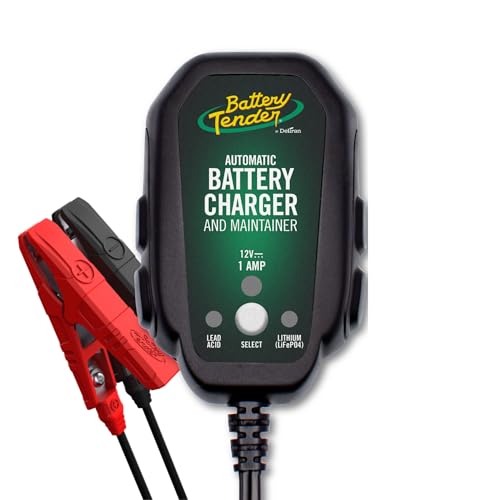
Battery Tender Junior 12V, 800mA Charger for Lead Acid and Lithium (022-0199-DL-WH)

NOCO GC008 X-Connect M10 XL Eyelet Terminal Accessory
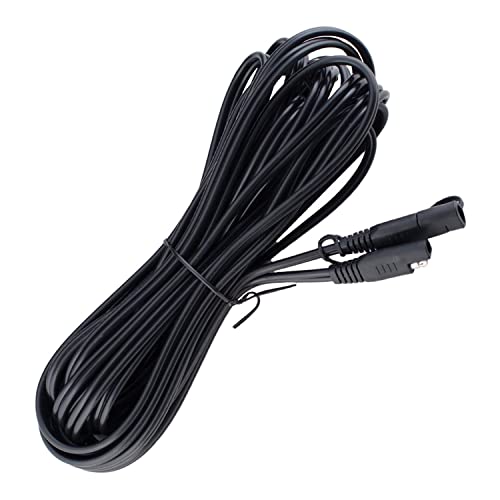
Battery Tender 25 Foot Extension SAE Cable (081-0148-25)

GOODYEAR Heavy Duty Jumper Cables, 4 Gauge, 16 ft
Battery Tender 6 Foot Extension SAE Cable (081-0148-6)
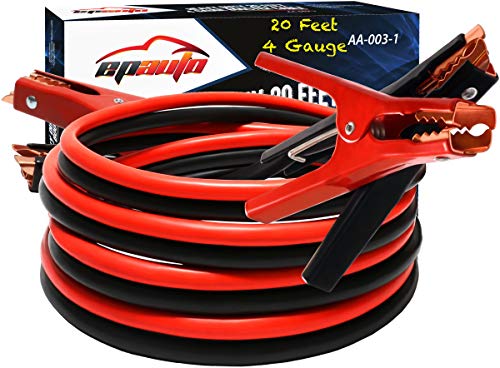
EPAuto 4 Gauge x 20 Ft Heavy Duty Jumper Cables

Energizer Jumper Cables, 30 ft, 1 Gauge, 800A

NOCO GC004 X-Connect 10-Foot Extension Cable
A Breakdown Of The Leading Choices
The Battery Tender Junior is the small brick that quietly ends dead-battery mornings in the garage. A 750mA output (that’s the rate at which it pushes current into the battery) covers powersports batteries without overheating, and the four-step program walks the cell from initialization through bulk charge, absorption, and finally float maintenance. In plain terms, it tops the battery off, then watches it forever so it never drops below a safe level.
Compatibility spans flooded, AGM (absorbent glass mat, a sealed lead-acid design), and gel lead-acid packs, which covers the bulk of what motorcycles, ATVs, and lawn tractors actually run. Owners commonly report leaving it plugged in all winter with no ill effects, and the included ring-terminal or alligator-clip lead (depending on bundle) makes the first hookup painless. Compared to the heavier 800mA sibling below, this one is the gentler, slower option for long-term storage duty.
Key Advantages
- Four-stage charging program that handles initial fill-up and steady maintenance in one unit
- Wide chemistry coverage across flooded, AGM, and gel 12V batteries
- Compact housing that disappears on a shelf or hangs from a hook in a busy garage
- Float mode that protects stored batteries through entire off-seasons without overcharging
Trade Offs
- 750mA is slower than bigger chargers, so a deeply drained battery takes longer to recover
- Not designed for lithium chemistries, which narrows future flexibility
Right Fit For
Powersports owners with classic lead-acid bikes or ATVs who store vehicles for months at a time and want a set-and-forget maintainer.
Consider Something Else When
You run lithium batteries or want chemistry switching, in which case the Battery Tender Junior 12V, 800mA Lead-Acid and Lithium model offers that flexibility.
This 18-inch ring terminal harness is the unglamorous piece that makes every other Battery Tender charger nicer to use. The rings bolt directly to the battery posts, the SAE quick-disconnect (a standard two-pin plug used across many brands of maintainer) parks somewhere accessible, and from then on the charger just clicks on without tools. For someone who plugs in a bike every weekend, that convenience compounds fast.
A built-in 3-amp fuse sits between the rings and the plug, which is a sensible safety touch for a lead that lives permanently on the battery. The harness is rated for 12V systems only, so it’s not the right adapter for 6V classics. Pair it with the Junior above or any SAE-equipped charger, and you’ve eliminated the part where you fish for alligator clips in a dark garage. Compared to the NOCO eyelet accessory further down, this one is shorter and Battery Tender-branded, but the use case is almost identical.
What Pays Off
- Permanent install means no more fumbling with clips or seat removal each charging session
- Inline 3-amp fuse adds a layer of protection between battery and charger
- Standard SAE connector plays nicely with multiple Battery Tender models and other chargers using the same plug
Honest Caveats
- 18 inches can feel short on larger motorcycles or vehicles where the battery sits under a deep cover
- 12V only, so anyone with a vintage 6V setup needs a different adapter
Feature Snapshot
Built With In Mind
Anyone who charges the same battery more than once a month and wants the connection to feel effortless.
Look Elsewhere When
You run a NOCO Genius charger, in which case the NOCO GC008 X-Connect M10 XL Eyelet Terminal matches the X-Connect plug on those units instead.
Think of this as the Junior that grew up. Same compact shell, but the headline upgrade is a push-button switch between lead-acid and lithium (LiFePO4) charging profiles, plus a slightly higher 800mA output. For a household with one old bike on AGM and a newer dirt bike on lithium, that switch saves owning two separate maintainers. It also steps through a four-stage charging cycle designed by an onboard microcontroller, which is the part that decides when to push current and when to back off.
Real-world benefit: charging lithium properly matters, because the chemistry is less forgiving of overvoltage than lead-acid. This unit’s lithium mode is tuned for LiFePO4 specifically, so owners commonly report no need to babysit the process. The trade-off versus the 750mA Junior above is the higher price and the slightly larger size, which is generally a fair swap for the chemistry flexibility.
The Upside
- Selectable profiles for lead-acid (flooded, AGM, gel) and LiFePO4 lithium packs
- Higher 800mA output shortens recovery time on moderately discharged batteries
- Microprocessor-managed cycle protects both battery types from overcharge
Less-Strong Areas
- Larger footprint than the original Junior, so it may not tuck into every tight shelf
- Switching modes manually means picking the wrong profile is a real mistake to watch for
Key Specs
Whose Shelf It Belongs On
Multi-bike households or powersports owners planning to upgrade to a lithium battery who want one maintainer that handles both.
A Better Fit Elsewhere
You only run one chemistry and want the simplest, smallest brick possible, in which case the Battery Tender Junior 12V, 750mA Charger and Maintainer keeps things basic.
The GC008 is the eyelet accessory for people already inside the NOCO ecosystem. It bolts to a battery with M10 ring terminals and ends in the proprietary X-Connect plug that snaps into NOCO Genius chargers (G750, G1100, G3500, G7200, G4, plus the newer GENIUS1 through GENIUS10 line). The “XL” in the name refers to the larger eyelet size, useful on bigger batteries where standard M6 or M8 hardware won’t fit.
The lie-flat design is the sleeper feature here. Standard eyelets stick out at an angle that fights you when routing cable under a seat or through a battery box. The GC008 lays flush, which makes installations on motorcycles, ATVs, and side-by-sides look closer to factory. Compatibility is broad within NOCO’s own catalog, so anyone who plans to swap chargers later won’t need a new lead. It’s explicitly not for the Boost jump-starter line, though, which uses a different connector.
What Helps Most
- M10 eyelets fit larger battery posts where smaller rings won’t seat properly
- Low-profile geometry routes under covers and panels without forcing bulky bends
- Broad NOCO Genius compatibility protects the investment when chargers get upgraded
Things To Consider
- NOCO X-Connect plug only, so it won’t help anyone running Battery Tender SAE gear
- M10 size is overkill on smaller motorcycle batteries that use M6 hardware
Who Will Love This
NOCO Genius owners with bigger batteries in cars, trucks, tractors, or large powersports vehicles who want a permanent, low-profile lead.
Swap It Out When
You use Battery Tender chargers and SAE connectors, in which case the Battery Tender Ring Terminal Harness Accessory Cable, 18 Inch is the right ring lead for that setup.
Twenty-five feet sounds absurd until you actually need it. This extension bridges the gap between a charger that lives near an indoor outlet and a vehicle parked outdoors, on a lift, or in a detached bay. It plugs into any Battery Tender Junior, Plus, 2-Bank, 4-Bank, 5-Bank, or 10-Bank charger via the same SAE quick-disconnect used across the lineup.
The honest trade-off is voltage drop, which is the small amount of power lost as current travels through long wire. At 25 feet on a 12V maintainer pushing low current, the loss is generally fine for float maintenance. For higher-current charging on deeply discharged batteries, owners commonly report the extra length nudges charging times up slightly, but for trickle work it’s a non-issue. Compared to the 6-foot sibling, this is the option for when the bike sits far from the outlet.
Features That Help
- 25-foot reach covers detached garages, carports, and outdoor parking spots
- SAE connectors on both ends match Battery Tender’s full charger family
- Available in shorter 6-foot and 12-foot versions if you need less cable later
Worth Bearing In Mind
- Long cable runs can introduce small voltage drops during high-current charging
- Excess cable needs somewhere to coil when not in use to keep a workspace tidy
At A Glance
Best Suited To
Garage setups where the charger and the parked vehicle are on opposite ends of the room, the driveway, or even different buildings.
Another Choice May Suit
Your vehicle and outlet are close together, in which case the Battery Tender 6 Foot Extension SAE Cable keeps the run short and clean.
Jumper cables are the cousin to maintainer extensions: same idea (more reach to a battery), different mission (brief bursts of high current instead of long sips). The GOODYEAR 4-gauge set is a sturdy mid-size option, where “gauge” measures wire thickness, with lower numbers meaning thicker wire that handles more amps with less resistance. The 16-foot length gives enough slack to park nose-to-nose without the awkward two-car shuffle.
PVC insulation is the practical detail worth noting: it stays flexible in cold weather, which matters on a freezing morning when cables that turn into stiff ropes become useless. The set ships in a carrying case, which is genuinely useful for trunk organization. For everyday cars and mid-size SUVs, 4 gauge is plenty of copper. For heavy-duty diesel work, an owner may want to look at thicker options like the 1-gauge Energizer set further down.
Practical Pluses
- 4-gauge copper moves enough current to start most cars and light trucks confidently
- PVC jacket stays pliable in cold weather for winter emergency use
- Included carrying case keeps trunks organized and prevents tangling
Practical Considerations
- 16-foot reach can feel short when the only donor vehicle parks nose-to-tail
- 4 gauge is sufficient for gas engines but on the lighter side for large displacement diesels
Made For
Everyday motorists who want a reliable set in the trunk for the occasional dead-battery surprise.
Skip It When
You drive a heavy diesel truck or run a roadside service setup, in which case the Energizer Jumper Cables, 30 ft, 1 Gauge handles bigger engines more comfortably.
Six feet covers the boring, common case: the bike is parked three feet from the wall outlet, and the charger’s native lead is just barely too short. This little extension closes that gap without turning the garage into a cable spaghetti pile. Same SAE quick-disconnect on both ends as the longer siblings, so it plugs into the same Junior, Plus, and multi-bank Battery Tender units.
The benefit over a 25-foot run is real: shorter cable means almost no voltage drop, less coiling hassle, and a tidier install. Owners commonly pick the 6-foot version as a first extension and only step up if the garage layout demands it. Compared to the 25-foot model above, this is the right pick for tight quarters.
What Stands Out
- Compact 6-foot length stays neat in tight garage and shelf setups
- SAE quick-disconnects on both ends for tool-free daisy-chaining
- Broad compatibility with the full Battery Tender charger family
Areas To Watch
- Too short to bridge outlets and vehicles parked across the room or outdoors
- Redundant if the charger’s native lead already reaches the battery comfortably
Right Fit For
Riders whose bikes or ATVs sit within arm’s reach of an outlet but just a little too far for the stock charger lead.
Reach For A Different Pick When
Your charger sits much farther away, in which case the Battery Tender 25 Foot Extension SAE Cable covers a longer run in one cable.
EPAuto’s 4-gauge, 20-foot set leans into the flexibility angle. The insulation jacket is engineered to resist tangling, which sounds trivial and quickly becomes the reason you reach for this set first on a busy roadside. It uncoils smoothly, packs back into a trunk bag without a fight, and stays pliable in cool weather. Twenty feet gives more reach than the GOODYEAR above, which helps when donor vehicles arrive nose-in or angle-parked.
The 4-gauge copper core handles most gas-engine cars and SUVs without strain. For diesel trucks or larger engines, owners may find the headroom tight, and at that point a 1-gauge or 2-gauge set makes more sense. As an everyday emergency set for a family vehicle, though, this hits the sweet spot between reach, current capacity, and storage convenience.
Standout Benefits
- 20-foot length adds useful reach when donor cars park at awkward angles
- Tangle-resistant insulation saves frustration during emergency use
- Flexible jacket stays manageable in cooler weather
Potential Compromises
- 4-gauge copper is plenty for most cars but lighter than heavy-duty diesel recommendations
- Storage bag is functional but basic compared to hard-shell case kits
Who Should Grab It
Family drivers who want a tangle-free, easy-to-store emergency set that handles most jump-start scenarios.
A Better Fit Elsewhere
You want a hard carrying case included or run a heavy diesel, in which case the GOODYEAR Heavy Duty Jumper Cables, 4 Gauge, 16 ft or the Energizer 1-gauge set may serve better.
This is the pro-tier entry on the list. One-gauge copper means thicker wire than the 4-gauge options, which translates to less resistance when pushing high current into big engines. The 30-foot length plus a permanent installation kit and quick-connect plug means a service truck can stay parked where it is and reach batteries from awkward angles around the disabled vehicle.
It’s overkill for the average commuter, and that’s the honest read. But for tow operators, fleet managers, and serious roadside service folks, the combo of long reach, heavy copper, and a permanent-mount plug system makes the workflow noticeably faster. Owners commonly report the cables feel heavy, which is the trade-off you accept for that level of copper cross-section.
Notable Upsides
- 1-gauge copper handles up to 800A, suitable for large gasoline and diesel engines
- 30-foot reach allows jump-starting from behind the service vehicle without repositioning
- Permanent installation kit and quick-connect plug streamline repeated professional use
Worth Noting
- Heavier and bulkier than consumer jumper sets, which is the cost of thicker copper
- Higher cost makes it harder to justify for occasional household use
Perfect Match For
Tow operators, roadside assistance drivers, and fleet shops that need dependable heavy-gauge reach on demand.
Not Your Match When
You’re storing it in a personal trunk for occasional use, in which case the EPAuto 4 Gauge x 20 Ft Heavy Duty Jumper Cables is the lighter, simpler choice.
The NOCO GC004 is the missing middle child: ten feet of X-Connect extension cable for Genius-series chargers. Where the GC008 above is the eyelet that lives on the battery, this is the cable that bridges the charger and the eyelet (or any other X-Connect accessory) when the stock lead is just a little short. The X-Connect plug is the same standard used across the G750, G1100, G3500, G7200, and GENIUS1 through GENIUS10 chargers.
Ten feet hits a useful middle ground between the very short stock leads and the full stretches some installations need. It is explicitly not for the Boost and Boost X UltraSafe jump-starter family, so anyone holding one of those units should look elsewhere. For a Genius charger owner with a slightly awkward setup, this is the cheap, tidy fix.
Useful Highlights
- 10-foot length covers most mid-sized reach issues without excess slack
- X-Connect plug matches the entire current NOCO Genius charger family
- Daisy-chains with other X-Connect accessories for flexible configurations
Trade-Offs To Consider
- Won’t work with NOCO Boost or Boost X UltraSafe jump-starter units
- Redundant if your charger’s stock lead already reaches comfortably
The Right Fit
NOCO Genius owners whose stock charger lead falls a few feet short of the battery and want a clean, brand-matched extension.
Where A Sibling Pick Shines
You need both a battery eyelet and a longer run, in which case pairing the NOCO GC008 X-Connect M10 XL Eyelet Terminal with this 10-foot extension covers both jobs at once.
What Matters Most Before Choosing Battery Cable Extenders
The right cable setup depends less on brand loyalty and more on three practical questions. First, what are you actually connecting: a low-current maintainer to a motorcycle battery, or a high-current jump between vehicles? That answer decides whether you need an SAE extension lead or heavy-gauge booster cables. Second, how far does the cable need to travel, and through what environment? Six feet covers a tight garage; twenty-five feet handles an indoor outlet and an outdoor bike. Third, what connector standard does your charger use? Battery Tender uses SAE, NOCO uses X-Connect, and mixing them without an adapter is the most common reason setups don’t click.
For maintainer extensions, match the connector first, then pick the shortest length that actually reaches. Voltage drop (the small loss of power across long wire runs) is rarely an issue at maintenance current levels, so the longer 25-foot Battery Tender cable is generally fine even for routine float charging. For jumper cables, gauge matters more than length for most users: 4-gauge handles typical cars and SUVs, while 1-gauge is the safer pick for diesel trucks and service fleets. Storage matters too, since a tangled mess in a trunk is the kind of cable nobody reaches for in an emergency.
Powersports owners with classic lead-acid batteries can stay simple. Owners planning to mix lead-acid with lithium, or who already run lithium, should look for chargers and leads with selectable profiles or lithium-specific tuning. For anyone running multiple vehicles, the cost of a second permanent ring-terminal lead is small compared to the time saved on every future charging session.
Picking The Right Cable Without Regret
Wrong Turns To Avoid
A common mistake is grabbing the cheapest SAE extension without checking that it matches the charger’s plug standard. Battery Tender and some other brands use SAE, while NOCO uses X-Connect, and the two are not interchangeable without an adapter. Another misstep is buying 1-gauge jumper cables for a small commuter car: heavier copper costs more, adds trunk weight, and offers no real benefit for engines that don’t need it. Finally, overlooking the fuse on permanent ring-terminal harnesses is a small but real safety miss, since that fuse is what protects the wiring if a lead ever gets pinched or shorted against the frame.
When Paying More Pays Off
Higher-tier models earn their keep in three situations: frequent professional use, large engines that demand thick copper, and installations where longer cable runs and lithium battery profiles are part of the plan. The Energizer 30-foot, 1-gauge set costs more, but for a roadside service operator, the reach plus permanent plug system pays back the difference quickly in saved time. The Battery Tender Junior 800mA with lithium mode costs more than the 750mA version, and that premium is worth it for anyone with a mixed battery fleet or a planned upgrade to lithium. For occasional home use on a single vehicle, though, the simpler, less expensive option is usually the smarter pick.
Frequently Asked Questions
What is the difference between SAE and X-Connect battery connectors?
SAE is a standard two-pin plug used by Battery Tender and many other charger brands, while X-Connect is NOCO’s proprietary plug used on Genius-series chargers and accessories. They look different and don’t fit each other without an adapter.
Do I really need heavy-gauge jumper cables for a small car?
For typical gasoline engines in compact and mid-size cars, 4-gauge cables handle the current comfortably. Heavy 1-gauge cables are mainly useful for large displacement engines and diesel trucks that pull higher cranking amps.
Can I use a maintainer extension cable for jump-starting?
No, maintainer extensions are designed for low-current float charging and aren’t built to carry the high amps a jump-start requires. Use proper jumper cables for jump-starting and a maintainer extension only with a battery maintainer.
How long of an extension can I use without losing charging effectiveness?
At typical maintainer current levels, even 25 feet produces only a small voltage drop, and routine float charging stays effective. For high-current charging or jump-starting, shorter runs and thicker wire preserve performance better.
Are ring terminal harnesses worth installing permanently on the battery?
For anyone who charges the same battery more than a few times a year, a permanent ring-terminal harness turns each session into a quick click instead of a tool job. The inline fuse is a useful safety feature, and the small install effort pays back fast in convenience.
The Takeaway
The best battery cable extender is the one that matches your charger’s connector, fits the actual distance you need, and doesn’t force you to wrestle with it every time. Maintainers and their extensions are about routine, low-current reach, while jumper cables are about brief, high-current bursts for emergencies. Pick for the use case, keep the run as short as practical, and the right cable quietly does its job for years.
