

I keep a mental list of devices that eat through batteries faster than I’d like. The thermostat remote, the trail camera, the heated vest I pull on for cold morning walks, all of it adds up. Picking the right 5v rechargeable battery changes how often I think about charging at all, and how smoothly each device actually runs when I need it.
A Snapshot Of The Selections
A Snapshot Of The Selections

12 Pack Rechargeable AAA Lithium Batteries with USB-C Charger

Glaais 5V 7.4V 18400mAh Heated Vest Battery Pack
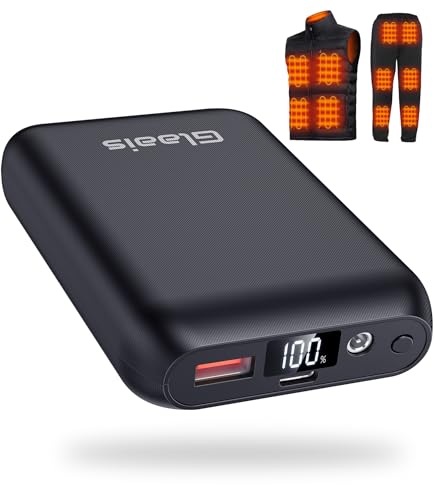
Glaais 5V 7.4V 16000mAh Heated Vest Battery Pack

Glaais 20000mAh 7.4V 5V Heated Vest Battery Pack

Rechargeable C Batteries 4 Pack 7400mWh Lithium LR14

ColdBye 12V Battery Pack 20000mAh / 12V 6500mAh

Rechargeable AA Lithium Batteries with Charger 8 Pack
What Each Pick Brings To The Table
A 12-pack of AAA lithium cells covers the small electronics that quietly drain alkalines in the background. This M2CSMK bundle ships with a USB-C charger built for the format, so the top-up cable is the same one I already use for a phone. For anyone juggling TV remotes, wireless mice, and walkie-talkies, that shared cable is a real quality-of-life upgrade.
The cells target a 1.5V output and a longer runtime per charge than standard alkaline disposables, which matters most in low-draw devices that sit in a drawer for months. Compared to the AA-focused QLRR pack reviewed later, this set targets a different slot in the household battery drawer.
The Case For It
- Twelve cells cover most small-device households in one buy.
- USB-C input means the same cable charges batteries and phones.
- 1.5V lithium chemistry keeps performance steadier as cells drain.
- Low self-discharge behavior suits items that sit idle between uses.
Trade-Offs To Consider
- The charger is sized for AAA only, so AA owners need a separate solution.
- Capacity claims depend heavily on the device’s draw, so high-drain toys may still drain quickly.
Who Should Grab It
Homeowners with a drawer full of small remotes and wireless accessories will get the most mileage out of this 12-cell bundle.
Reach For A Different Pick When
AA households chasing a similar all-in-one solution should look at the QLRR 8-pack instead.
Heated apparel needs a steadier power source than a typical phone bank, and this Glaais pack is built around that reality. The 7.4V DC output (a higher-voltage line used by heated jackets) pairs with USB-A and USB-C ports for charging a phone at the same time. For anyone who spends a real winter outside, that combination covers both body warmth and a backup top-up.
An LED readout on the casing shows remaining capacity at a glance, which helps when planning a hike or a long commute. Earlier in this list I covered AAA cells for remotes; this is the heavier-duty counterpart aimed at wearable warmth rather than household electronics.
Why It Works Well
- Triple-port layout handles heated gear plus a phone in parallel.
- DC output is tuned for the 7.4V class common in heated clothing.
- LED capacity readout removes the guesswork mid-walk.
- Compatibility with ORORO-style jackets broadens its usefulness.
Honest Caveats
- Capacity claims assume a medium heat setting, so cranking to high drains it much faster.
- Heavier than a phone-sized power bank, so it feels noticeable in a coat pocket.
Built With In Mind
Winter walkers, skiers, and outdoor workers who already wear 7.4V heated layers benefit most from the dedicated DC port.
Look Elsewhere When
Anyone needing a multi-plug adapter for unusual heated gear should consider the Glaais 16000mAh pack reviewed next.
Plug size matters more than most shoppers realize in the heated-apparel world. This 16000mAh Glaais battery ships with a DC port that accepts 3.5mm, 3.8mm, and 4.0mm connectors, so it works with several heated-clothing brands without a separate adapter hunt. For households with mixed-brand gear, that flexibility removes a real headache.
Capacity sits a touch below the 18400mAh model covered earlier, but the multi-plug DC port is the differentiator. Anyone whose heated vest uses a non-standard plug should put this one near the top of their shortlist.
Where It Excels
- Three DC plug diameters accepted, covering most 7.4V heated clothing.
- USB-A and USB-C outputs let it double as a phone charger.
- LED display keeps the remaining capacity visible at a glance.
- Lighter than larger-capacity alternatives for short outings.
Less Ideal Details
- Not compatible with 12V heated gear, which rules out some heavier jackets.
- Run time depends heavily on which heat level the vest is set to.
Who Will Love This
Owners of mixed-brand heated vests and pants who need a single battery to cover several pieces of clothing.
Consider Something Else When
Shoppers wanting maximum warmth hours per charge should reach for the 20000mAh Glaais pack featured as Pick 4.
For all-day cold-weather work, capacity is the metric that matters. This 20000mAh Glaais pack ships two DC adapter cables plus a charging cable and manual, giving shoppers everything needed to plug into 3.5mm, 3.8mm, or 4.0mm jacks straight out of the box. The result is a battery that covers a long shift or a full day on the slopes without a mid-day swap.
Compared to the 16000mAh and 18400mAh siblings reviewed above, the larger cell bank trades a bit of portability for noticeably longer run time. For most heated-vest users, that trade lands in the right place.
Noteworthy Benefits
- 20000mAh capacity covers the longest outings in this category.
- Two DC adapters included, so multi-brand gear works immediately.
- Dual output (7.4V DC and 5V USB) handles heated clothing plus a phone.
- Compatible with ORORO and similar mainstream heated apparel.
Possible Compromises
- The larger cell bank makes it the heaviest pack in this lineup.
- Charging the unit itself takes longer than smaller-capacity models.
- Higher heat settings still drain it faster than the listed range suggests.
The Right Fit
Outdoor workers, ice fishers, and anyone spending eight or more hours outside in winter conditions will appreciate the extra capacity.
A Better Fit Elsewhere
Casual users on short walks may find the lighter 18400mAh Glaais pack from Pick 2 easier to live with.
Size C cells power gear that AA cells simply cannot, from large flashlights to portable radios and automatic trash cans. AKTTKA’s lithium LR14 cells target that niche with a 7400mWh rated energy and a 500+ cycle claim, which means far fewer battery runs to the store. For anyone running camping lanterns or a high-draw toy, fewer charge cycles per year is the real win.
Lithium chemistry (a rechargeable cell type that holds voltage more steadily than alkaline) also holds its charge better in storage than older NiMH cells, so spares stay ready longer. The previous picks on this list focused on AAA, AA, and heated-vest banks, leaving a gap this set fills cleanly.
A Few Strong Suits
- High mWh rating supports longer runtimes in size-C flashlights and lanterns.
- Rechargeable format cuts down on disposable C-cell waste over time.
- Four-pack covers multi-cell devices without buying in bulk.
- Lithium chemistry typically holds charge in storage better than NiMH cells.
Practical Considerations
- Requires a separate lithium-compatible charger, which is not always included.
- Higher upfront cost than alkalines, even though long-term savings kick in.
Best Suited To
Campers, preppers, and homeowners with high-draw C-cell gear like lanterns or automatic soap dispensers.
Swap It Out When
Shoppers who mostly need AA power should turn to the QLRR 8-pack covered as Pick 7.
Most power banks need a cable to be useful, and that cable is the first thing to get left behind. ColdBye’s 20000mAh pack integrates a USB-C cable into the body itself, doubling as a lanyard that takes a real beating in daily use. For travelers juggling a heated vest, a phone, and a camera on a long trip, one less cable is a small but meaningful win.
The unit also adds a dedicated 12V DC port alongside USB-A and USB-C PD (Power Delivery, a fast-charging standard that pushes higher wattage over USB-C). That makes it useful for heated camping chairs and breast pumps in addition to the 5V and 7.4V gear covered earlier in this roundup.
What Stands Out
- Built-in USB-C cable doubles as a tested lanyard.
- Three output types cover 5V, 12V, and PD fast-charge needs.
- High 20000mAh capacity supports multi-day camping use.
- 12V DC port unlocks gear that lower-voltage packs cannot power.
Factors To Consider
- Heavier than 5V-only power banks due to the larger cell bank.
- Built-in cable cannot be swapped out if it ever wears.
Made For
Frequent travelers, campers, and parents powering heated accessories and breast pumps away from outlets.
Where A Sibling Pick Shines
Users with 7.4V-only heated vests will get a more compact carry from the Glaais 18400mAh pack reviewed as Pick 2.
The AA slot is the workhorse of any battery drawer, and a lithium rechargeable set keeps that slot full without a steady stream of disposables. QLRR’s 8-pack includes a charger, which removes the guesswork about which charging base fits the cells. For families juggling game controllers, flameless candles, and remote controls, eight cells plus a charger is the practical minimum.
The 1.5V constant output keeps devices like digital thermometers running in their sweet spot until the cells fully deplete. That’s a different behavior than older rechargeables, which drop voltage as they drain.
Useful Strengths
- Eight cells plus a charger covers most households in one buy.
- Constant 1.5V output keeps sensitive electronics stable through the cycle.
- Higher energy density (3600mWh per cell) supports longer device runtime.
- Rechargeable format reduces disposable waste over time.
Small Limitations
- Upfront cost is higher than a pack of disposables.
- Older NiMH chargers may not be compatible with lithium AA cells.
Whose Shelf It Belongs On
Families and shared-office spaces that cycle through AA batteries quickly will see the most value from this 8-cell bundle.
Not Your Match When
Shoppers whose devices use AAA cells should consider the M2CSMK 12-pack from Pick 1 instead.
How To Pick The Right Capacity And Format
Voltage tells you what a battery can run, and capacity tells you how long it can run it. A 1.5V cell format matters for remotes and small electronics, while 5V and 7.4V banks are aimed at USB devices and heated apparel. Capacity ratings like mAh (milliamp hours, a measure of stored charge) and mWh (milliwatt hours, which factors in voltage) describe stored energy, so a higher number means longer runtime at a given draw.
For household AA and AAA cells, lithium chemistry generally outlasts NiMH in storage and holds voltage more steadily. That matters in devices like digital thermometers that misbehave when voltage sags. For heated clothing, dedicated DC ports matter more than raw capacity; a pack with the wrong plug will not power a vest regardless of how much energy it stores.
Travelers should also weigh cable clutter. A built-in USB-C cable, like the one on the ColdBye unit, removes one item from the bag. Backpackers and remote workers may value that more than a modest jump in capacity.
Finally, think about charger compatibility. Lithium AA and AAA cells need a charger designed for their chemistry. Older NiMH-only chargers can undercharge or damage lithium cells, so the bundled charger in the M2CSMK and QLRR packs is more than a convenience.
Key Considerations Across These Picks
Where Shoppers Go Wrong
The most common slip in this category is mixing voltage classes. A 5V power bank will not run a 7.4V heated vest, and a 12V heated chair will not run on a 7.4V battery even if the connectors look similar. Matching the battery to the device’s required voltage and plug diameter matters more than chasing the highest capacity number.
When Paying More Pays Off
Higher-tier packs in this lineup add real engineering, not just bigger cells. The Glaais 20000mAh unit ships with two DC adapters for multi-brand heated gear, and the ColdBye unit integrates a tested lanyard cable. For shoppers who use a battery daily, those touches pay back quickly. A casual user running a flashlight once a month can stay closer to the entry-level packs without missing out.
Frequently Asked Questions
How long does a 5v rechargeable battery typically hold a charge in storage?
Most lithium 5v rechargeable batteries hold usable charge for several months when stored at room temperature, though NiMH-based cells lose charge faster than lithium chemistries over the same period.
Can I use a 7.4V heated-vest battery to charge my phone?
Yes, the Glaais and ColdBye packs reviewed here include USB-A and USB-C outputs alongside the DC port, so a phone top-up is straightforward on the same battery that runs the vest.
Are rechargeable C cells worth it compared to disposables?
For high-drain devices like lanterns and portable fans used weekly, rechargeable C cells typically pay back the upfront cost within a year or two, depending on how often the devices run.
Do I need a special charger for lithium AA and AAA batteries?
Lithium AA and AAA cells should be charged only on a charger designed for their chemistry, since older NiMH-only chargers can undercharge or damage them.
What is the difference between mAh and mWh on a battery label?
mAh measures stored charge, while mWh measures stored energy and accounts for voltage. Comparing two packs in mWh is the more accurate way to compare runtime across different voltages.
The Takeaway
Picking the right 5v rechargeable battery comes down to the device it powers and how often that device runs. Household cells from M2CSMK and QLRR cover the everyday drawer, while the Glaais and ColdBye packs handle heated apparel and travel kits. Match the format to the device, double-check the plug, and the rest tends to fall into place.
