

When the lights flicker and the fridge hums into silence, most homes realize just how fragile our dependence on the wall outlet really is. A serious portable power station changes that equation, turning a short blackout into a minor inconvenience and an outdoor project into a comfortable one. I wrote this roundup for homeowners prepping for storm season, RV travelers chasing off-grid comfort, and workshop builders who need quiet, fume-free electricity without the noise of a traditional gas generator. Each pick below earned its spot for a specific kind of user, so you can match the right capacity to your real-world power needs.
The Essentials At A Glance
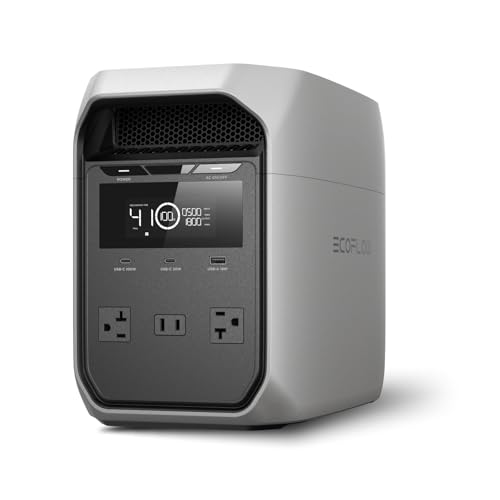
EcoFlow DELTA 3 Classic Portable Power Station

EcoFlow DELTA Pro 3 Portable Power Station

EcoFlow RIVER 2 Pro Portable Power Station

EcoFlow DELTA 3 Ultra Plus Portable Power Station

EcoFlow DELTA Pro 3600Wh Portable Power Station

EcoFlow DELTA 2 Max Portable Power Station

EcoFlow DELTA Pro Ultra Power Station
A Deeper Look At The Lineup
The DELTA 3 Classic lands in the sweet spot for people who want backup power without hauling around something the size of a rolling suitcase. With a 1024Wh capacity and 1800W AC output (expandable to 2600W with X-Boost), it handles a fridge, Wi-Fi router, and a few lights during an evening outage with room to spare. Compared to the larger DELTA Pro 3 reviewed below, this unit trades raw output for portability, and most apartment dwellers will appreciate that trade.
I find the AC fast-charge useful for last-minute top-ups before a storm rolls in, and the LFP (lithium iron phosphate) battery chemistry tends to hold up well to frequent cycling. Owners commonly report that the unit runs cool and quiet enough to keep in a living room corner, which matters when the alternative is a roaring gas generator in the driveway.
Useful Strengths
- 1800W continuous output covers refrigerators, microwaves, and laptops in one session.
- 0–80% recharge in roughly 45 minutes with X-Stream AC input, a real advantage during rolling blackouts.
- LFP battery chemistry rated for long cycle life, translating to lower replacement cost over years of use.
- Compact enough at under 30 pounds for one person to carry from the car to the kitchen.
Things To Consider
- 1024Wh drains fast when you run a full-size fridge for two days, so plan for recharges.
- Solar charging input is limited compared to larger siblings in the lineup.
Quick Facts
Who Should Grab It
Condo owners and small-households who want backup for the essentials during short outages.
Look Elsewhere When
You need multi-day whole-home coverage, in which case the EcoFlow DELTA Pro 3 Portable Power Station makes more sense.
The DELTA Pro 3 steps up to 4096Wh of LFP storage and a serious 4000W AC output, capable of running a 3-ton central AC or a 1 HP water pump according to EcoFlow. With X-Boost, that climbs to 6000W, and stacking extra batteries scales the system up to 48kWh. Compared to the DELTA 3 Classic above, this is the unit for people who refuse to compromise during a multi-day grid failure.
The 120V/240V voltage support means it can power both standard household outlets and 240V appliances like well pumps or ovens. For homeowners in wildfire or hurricane zones, this level of headroom turns a stressful evacuation watch into something far more manageable.
Advantages To Know
- 4000W continuous output runs heavy household appliances without inverter throttling.
- 120V/240V native support simplifies wiring for stoves, dryers, and well pumps.
- Expandable to 48kWh with extra batteries or smart generators for two to four days of whole-home use.
- LFP chemistry keeps the pack safe during indoor storage between outages.
Honest Caveats
- The unit weighs roughly 115 pounds, so two people should plan to position it.
- Full price puts it out of reach for shoppers on a strict budget.
- Charging from empty takes longer than smaller units, even with AC fast input.
Feature Snapshot
Made For
Homeowners in storm-prone regions who want a single station that can replace a gas generator for most needs.
Swap It Out When
You mostly camp or travel light, where the EcoFlow RIVER 2 Pro Portable Power Station is easier to manage.
The RIVER 2 Pro trims size and weight without giving up the essentials. At 768Wh and 800W output (up to 1600W with X-Boost), it powers laptops, cameras, drones, and small kitchen gear on a weekend trip. For the size category, the 11-port output panel is unusually generous, so a family of four can charge phones, run a projector, and keep a cooler humming at the same time.
The 70-minute AC recharge means plugging in at a coffee shop on a road trip can fully refill it during lunch. Compared to the DELTA 3 Classic, this one trades absolute capacity for a footprint that actually fits in a sedan trunk without rearranging cargo.
Features That Help
- AC refills in roughly 70 minutes, ideal for road-trip pit stops.
- 11 ports handle phones, laptops, and small appliances simultaneously without tripping protection.
- LFP battery chemistry offers a long cycle life relative to older NMC packs.
- Under 18 pounds makes it manageable for one person to load into a car.
Worth Noting
- 768Wh won’t keep a full-size fridge running overnight during a serious outage.
- 1600W X-Boost only applies to resistive loads, so power tools may still exceed the limit.
Who It Suits Best
Tailgaters, van lifers, and weekend campers who value portability over raw capacity.
A Better Fit Elsewhere
For full-home backup, the EcoFlow DELTA Pro 3 Portable Power Station is the more capable sibling.
The DELTA 3 Ultra Plus sits between the Classic and the Pro 3, and that’s exactly where many households land. With 3072Wh of capacity and 3600W of continuous output (7200W surge), it handles a sump pump, fridge, and Wi-Fi simultaneously. Expandable from 3kWh up to 11kWh with add-on batteries, the platform grows as your needs grow rather than forcing a full upgrade. The X-Quiet 3.0 inverter design aims at lower fan noise, useful in bedrooms and home offices.
For RV owners, this station covers induction cooking and a rooftop AC unit during a long stay. Compared to the older DELTA Pro 3600Wh unit below, the Ultra Plus brings newer inverter tech and quieter operation, which matters when the unit sits three feet from your pillow.
Key Advantages
- Expandable from 3kWh to 11kWh covers both short outages and extended off-grid weekends.
- 3600W continuous output handles heavy household loads like dryers and induction stoves.
- X-Quiet 3.0 inverter tech reduces fan noise compared to older models.
- Surge rating of 7200W starts motor-driven appliances without tripping protection.
Trade Offs
- Heavier than mid-size competitors, so plan for help moving it into position.
- Best performance requires buying extra battery packs that add cost.
Spec Overview
Best Suited To
RVers and homeowners who want one platform that can scale with their changing power demands.
Reach For A Different Pick When
You want the absolute largest single-box capacity, in which case the EcoFlow DELTA Pro 3 Portable Power Station leads.
The original DELTA Pro has earned a long track record since its launch, and the 3600Wh version remains a smart middle-ground pick for serious backup. The 3600W AC output (expandable to 4500W with X-Boost) covers most household essentials, and stacking extra batteries or smart generators pushes capacity all the way to 25kWh. For homeowners who want a battle-tested platform with a deep ecosystem of accessories, this station remains a dependable anchor.
Compared to the newer DELTA 3 Ultra Plus, this unit is a touch heavier and louder, but the ecosystem of compatible batteries and generators is wider. If you already own an EcoFlow Smart Generator or extra DELTA Pro batteries, this unit slots into that existing setup without rework.
The Value In It
- 3600W continuous AC handles whole-room backup without overloading the inverter.
- Expandable to 25kWh with extra batteries and smart generators for serious emergencies.
- Mature ecosystem of compatible panels, batteries, and accessories.
- LFP chemistry provides a long service life with daily cycling.
Some Limits To Know
- Older inverter design runs louder than the newer DELTA 3 Ultra Plus.
- Unit weight near 99 pounds typically requires two people to move safely.
- Only 120V output, so 240V appliances like ovens need a different solution.
Right Fit For
Homeowners building a phased backup system who want to start with one unit and expand over time.
Not Your Match When
Quiet bedrooms and 240V appliances matter most, where the EcoFlow DELTA Pro 3 Portable Power Station offers a quieter, more capable alternative.
The DELTA 2 Max delivers 2048Wh of LFP storage and a 2400W AC output in a relatively approachable package. Combined AC and solar charging up to 1000W solar input takes the unit from empty to 80% in about 43 minutes, which is impressively quick for the capacity. For studio owners, food-truck operators, and remote workers, this hits a real sweet spot between portability and capability.
The 10-year LFP cycle life (3000+ cycles to 80% capacity) means heavy users won’t worry about replacement for years. Compared to the larger DELTA Pro above, this one is easier to carry, though it can’t quite match the wattage for the heaviest household loads.
Points In Its Favor
- 2048Wh capacity covers a full workday of laptops, lights, and small tools.
- 1000W solar input refills fast for off-grid cabins and remote job sites.
- LFP battery rated for 3000+ cycles, useful for daily cycling applications.
- Around 50 pounds makes it manageable for one strong adult.
Points To Keep In Mind
- 2400W AC output can’t run a central AC unit, so it suits partial-home backup only.
- Solar input at 1000W requires high-wattage panels to actually hit that ceiling.
Whose Shelf It Belongs On
Home-office pros, content creators, and small workshop owners who run gear without whole-home loads.
Where Another Pick Suits Better
Whole-home backup seekers should look at the EcoFlow DELTA Pro 3 Portable Power Station instead.
The DELTA Pro Ultra is the most ambitious unit in this lineup, pairing an inverter and battery into a single whole-house system. With 7200W of output per unit and 12kWh of included storage (with extra battery), it handles a 3-ton central AC and nearly any heavy household appliance. Tripling the inverter count scales AC output to 21.6kW, enough for the most demanding homes and small commercial spaces.
This is a permanent-installation-class system rather than a grab-and-go station, so most shoppers will need professional setup help. Compared to the standalone DELTA Pro 3 above, the Ultra trades portability for raw capability and direct 120V/240V hardwired output, ideal for homeowners planning serious resilience.
A Strong Showing
- 7200W output per inverter handles 3-ton central AC and heavy appliances.
- 12kWh included storage with the extra battery for serious outage coverage.
- Triple inverter support scales to 21.6kW for whole-home or small business use.
- 120V/240V hardwired output supports direct integration with home electrical panels.
Some Limits To Know
- Installation is heavier and more involved than portable units.
- Higher cost puts it out of reach for casual backup shoppers.
- Not designed for frequent relocation once installed.
Feature Card
Built With In Mind
Homeowners in wildfire or hurricane zones who want a permanent backup system that can replace grid power entirely.
Consider Something Else When
You need a portable station for travel, where the EcoFlow RIVER 2 Pro Portable Power Station fits the use case better.
What Actually Matters Before Choosing 5000 Watt Solar Generators
Sizing Capacity To Your Real Loads
Before comparing brands, I always suggest listing the appliances you actually plan to back up. A fridge draws roughly 150W running (with compressor surges near 800W), while a window AC unit pulls 600–1500W continuously. Total the running watts and double it for surge headroom, and you’ll land on a realistic capacity target. Most homeowners prepping for storm season find 2000–4000Wh covers essentials for a day or two, while full-home backup typically requires 10kWh or more with extra battery packs.
Battery Chemistry And Cycle Life
LFP (lithium iron phosphate) batteries have largely replaced older NMC (nickel manganese cobalt) packs in this category. LFP offers a longer cycle life (3000+ full charges before noticeable capacity loss) and better thermal stability for indoor storage. The trade-off is slightly higher weight per watt-hour, which is why LFP units often feel a few pounds heavier than older NMC alternatives.
Charging Speed And Solar Input
Fast AC charging matters when a storm knocks out power and you need a quick top-up from a generator or shore outlet. Solar input rating matters more for off-grid cabins and RVs, where wall power isn’t always available. A 1000W solar input ceiling lets a serious rooftop array refill the station in four to six peak sun hours, while a 200W limit leaves you waiting two days for a refill.
Expandability And Ecosystem
The smartest buys often factor in tomorrow’s needs, not just today’s. Stations with extra-battery support and 120V/240V flexibility scale from weekend camping to whole-home backup with the same inverter. Modular platforms tend to age well because you can add storage or output rather than replacing the whole unit.
Key Considerations Across These Picks
Where Shoppers Go Wrong
The most common slip-up I see is sizing the unit by total watt-hours alone. A 4000Wh station means nothing if the inverter caps output at 1800W, since heavy appliances will simply refuse to start. Match both capacity and continuous output to your load list, and confirm surge ratings cover motor-driven equipment like well pumps and fridge compressors.
Where The Extra Money Goes
Higher-tier models cost more because they bundle in longer-lasting LFP chemistry, modular expandability, and quieter inverter designs. The jump from a mid-capacity station to a whole-home unit typically buys you 120V/240V flexibility, larger solar input ceilings, and the ability to stack batteries over time. For anyone planning long-term resilience, that headroom tends to pay for itself once a serious outage hits and the lights stay on.
Frequently Asked Questions
How long can a 4000Wh power station run a refrigerator?
A modern fridge uses about 1.5 kWh per day, so a 4096Wh pack should keep it running roughly two to three days without other loads. Add a freezer or a router, and you’ll see that drop toward a day and a half.
Can I run central air off a portable power station?
Only the largest units with 4000–7200W continuous output and 120V/240V support, like the DELTA Pro 3 or DELTA Pro Ultra, can start and run a 3-ton central AC system. Smaller stations will trip or refuse to start the compressor.
How many solar panels do I need to refill a 3000Wh station?
A 1000W solar array in good sun refills roughly 1kWh per peak hour, so a 3000Wh pack takes about four to five hours. A modest 200W portable panel would need a full day or longer, depending on cloud cover and panel angle.
Is LFP battery chemistry safer indoors?
Yes, LFP cells handle thermal stress better than older NMC packs and rarely enter thermal runaway. Most manufacturers still recommend storing the unit in a ventilated space during heavy use.
Do these stations need maintenance?
Very little. Owners commonly mention wiping dust from the intake vents every few months and updating the app firmware when prompted. LFP batteries don’t need periodic full discharges to stay healthy, unlike older chemistries.
Final Verdict
A serious portable power station earns its keep the moment the grid stumbles or the campsite demands real electricity. For most households, the EcoFlow DELTA 3 Classic covers essentials without bulk, while whole-home shoppers will appreciate the DELTA Pro 3 or DELTA Pro Ultra. Pick the capacity that matches your load list, lean into LFP chemistry for longevity, and you’ll have a quiet, fume-free backup that pays off whenever the next storm rolls through.
