

Owning a portable generator opens up a lot of practical options, from running a job site in the woods to keeping the fridge humming during an unexpected outage. The catch is that getting clean power from that generator into your home or equipment almost always runs through a 4 prong plug, and the wrong cord or adapter can turn a useful tool into a frustrating paperweight. I put together this shortlist of six solid 4 prong generator plugs and adapters that cover the most common scenarios, so you spend less time sorting through confusing listings and more time actually running your gear.
A Closer Look At The Lineup

Kanayu 25ft NEMA L14-20P to L14-30R Adapter Cord
Kanayu 1ft NEMA 14-30p to 6-50r Welder Adapter

Houseables 30 Amp 25ft 4-Prong Generator Cord
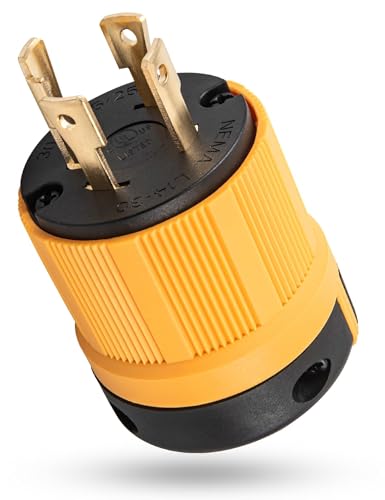
MECMO L14-30P Twist Lock Male Plug

MECMO L14-30R Twist Lock Female Connector

Parkworld 62176 10ft L14-30P to SS2-50R Adapter
The Details Behind The Selections
Whole-home backup power usually starts with a transfer switch mounted near the breaker panel, and that switch almost always wants a 4 prong L14-30 inlet. The Kanayu 25ft NEMA L14-20P to L14-30R Adapter Cord bridges the gap when your generator only ships with a 20-amp outlet, letting you feed a 30-amp transfer switch without rewiring anything.
The 25-foot run is generous enough to set a generator safely away from windows and doors, and the molded plug body is shaped with a built-in handle so connecting and disconnecting feels controlled rather than awkward. Compared to a basic plug-ended cord, this adapter keeps the plug change contained to one short, easy-to-store accessory.
Advantages To Know
- 25-foot length gives safe placement away from exhaust fumes and noise.
- Molded plug with ergonomic handle reduces fumbling in low light.
- Copper wiring coating supports steady current under sustained loads.
- Flame-retardant and UV-resistant jacket material holds up to outdoor storage.
Trade Offs
- Not a direct 30-amp feed, so it caps output at the 20-amp source.
- Storage bag or wrap is not included, so a simple reel helps prevent tangles.
Feature Snapshot
Whose Backup Plan It Solves
Homeowners with a smaller portable generator and a 30-amp transfer switch who want a clean, plug-and-play bridge without custom wiring.
Reach For A Different Pick When
Welders running a 14-30 outlet to a 6-50 welder plug should look at the Kanayu 1ft Welder Adapter instead.
Welders who own a small generator often hit the same wall: the generator only offers a 14-30 outlet, but the welder wants a 6-50 plug. The Kanayu 1ft Welder Adapter resolves that in roughly 12 inches of cable, sitting close to the generator so the cord stays tidy rather than coiling extra length across the floor.
The STW-rated jacket is built for hard service, and the short body tucks behind a welder cart or generator without snagging on boots or cables. For mobile welders moving between job sites, the size means the adapter lives in a truck drawer instead of a separate toolbox.
Where It Delivers
- Compact 1-foot body avoids excess slack around the welder.
- STW 10AWG 3C construction handles typical stick welder loads.
- ETL listing provides a recognizable safety certification.
- Plug-and-play format means no tools or rewiring required.
Points To Note
- Only useful for 14-30 to 6-50 conversion, not general generator hookups.
- Short body can put strain on the generator outlet if pulled sideways.
Who It Suits Best
Mobile welders and small-shop fabricators who need a fast, portable bridge between a household-style generator outlet and a 6-50 welder plug.
Look Elsewhere When
Anyone wiring a home transfer switch will get more mileage from the longer Kanayu 25ft Adapter Cord above.
Storm season is when most generator cords earn their keep, and the Houseables 30 Amp 25ft Generator Cord is built for that exact moment. It’s a 10-gauge, 4-conductor rubber cord rated for 240 volts and 7500 watts, which covers most portable generator setups used for backup home circuits or job-site tools.
What I appreciate is the all-weather jacket, which stays flexible in cold garages and shrugs off driveway mud. Owners commonly store it loosely coiled on a hook, and the rubber body wipes clean with a damp rag after a wet storm run.
What It Does Well
- All-rubber jacket rated for indoor and outdoor service.
- 25-foot reach suits most driveway-to-inlet distances.
- Plies up cleanly on a hook or reel after use.
- Compatible with transfer switches, AC units, and compressors.
Worth Noting
- Heavier than PVC cords, so it takes effort to haul long distances.
- 30-amp rating rules out larger standby generator loads.
Quick Facts
Made For
Suburban households and contractors who need a reliable, weather-ready cord to run a transfer switch or portable AC during outages.
Swap It Out When
Owners of 50-amp marine or RV setups should reach for the Parkworld 62176 Shore Power Adapter instead.
When a generator cord ends up with a cracked or melted male plug, the cheapest path forward is usually a replacement plug rather than a whole new cord. The MECMO L14-30P Twist Lock Male Plug is a 30-amp, 125/250-volt industrial-grade connector designed to rebuild that end of the cable and restore the secure twist-lock feel that L14-30 setups depend on.
What’s notable here is the locking collar, which keeps the plug seated against vibration from a running generator. In our view, that small detail is what separates a 4 prong generator plug that feels solid from one that slowly backs itself out.
Useful Touches
- Twist-lock design resists accidental disconnection from vibration.
- Industrial-strength housing suits rough job-site handling.
- Replacement format saves the cost of buying a whole new cord.
- Grounded 3-pole, 4-wire layout matches standard transfer-switch inlets.
Things To Consider
- Wiring requires basic electrical skill and a screwdriver, not just a plug-in swap.
- Available male-only, so a damaged female end calls for the matching MECMO connector.
Best Suited To
DIYers comfortable with light wiring work who want to rebuild a damaged generator cord rather than replace the entire thing.
Consider Something Else When
Anyone who just needs a ready-made cord should pick up the Houseables 30 Amp 25ft Generator Cord instead.
The female end of a generator cord takes more abuse than people realize, since that’s the side that gets dragged, dropped, and stepped on. The MECMO L14-30R Twist Lock Female Connector replaces that worn-out receptacle and keeps the rest of your cord in service, so a damaged end doesn’t mean a trip back to the retailer.
Like the male version reviewed above, the twist-lock design is the real draw. It grips the matching plug and holds it through generator vibration, which is a comfort during overnight storm use when nobody wants to check connections at 2 a.m.
The Practical Payoff
- Repairs rather than replaces, cutting long-term cost.
- Twist-lock action mirrors the male connector for matched security.
- Industrial-grade housing handles dragging and dropping.
- Standard L14-30 fit keeps it compatible with most transfer switches.
Honest Caveats
- Wiring skills are still needed to attach the new connector properly.
- Replacement only covers the female end, so inspect the male side too.
Feature Rundown
Perfect Match For
Owners with a generator cord that has a damaged or burned female end who want to rebuild it themselves.
Not Your Match When
Someone needing a full adapter should jump to the Parkworld 62176 for marine-to-generator use instead.
RV owners and boaters tend to live in a 50-amp shore-power world, but campground or driveway generators usually hand out 30-amp 4 prong outlets. The Parkworld 62176 Adapter bridges that gap with a 10-foot run, a 30-amp L14-30P male end, and a marine-style SS2-50R female connector with a locking ring that grips the shore cord.
It’s the kind of niche adapter that earns its keep once a season. The 10-foot length is short enough to stay inside an RV storage bay yet long enough to keep the generator at a safe distance from the coach.
A Favorable Mix
- Locking ring keeps the shore cord seated against bumps and motion.
- 10-foot length fits RV storage compartments without folding stress.
- L14-30P end matches most portable generator outlets.
- SS2-50R female pairs with standard 50-amp marine and RV cords.
Points To Keep In Mind
- Adapter is specialized, so it has limited use outside RV and marine setups.
- Not suited for whole-home backup, since it targets 50-amp RV loads.
Right Fit For
RV travelers and boat owners who want to power their rig from a portable 30-amp 4 prong generator.
Where Another Pick Suits Better
Homeowners backing up a transfer switch should pick the Kanayu 25ft Adapter Cord or Houseables 30 Amp Cord instead.
Factors To Consider When Choosing 4 Prong Generator Plugs
Match The Plug To The Outlet Type
NEMA configurations are not interchangeable. The L14-30 plug is the most common 30-amp 4 prong shape, but welders often need a 14-30 to 6-50 adapter, and RVs use an entirely different 50-amp marine connector. Before anything else, confirm the exact configuration on both your generator and your target equipment.
Length And Storage Go Together
A 25-foot cord is a sweet spot for most driveways, but anything longer becomes heavier and harder to coil. For dedicated job sites or backup setups, a longer cord gives safer generator placement. For mobile welders and RV travelers, a 1-foot adapter or a 10-foot specialty cable keeps clutter down.
Locking Vs Straight Connections
Twist-lock plugs resist vibration far better than straight-blade designs, which matters when a generator runs on uneven ground or sits next to a running engine. For fixed home backup, either works. For portable use around vibration, a locking plug earns its extra cost.
Material And Jacket Rating
A rubber STW or all-weather jacket stays flexible in cold garages and shrugs off driveway mud. PVC cords are lighter but can stiffen in winter and crack after repeated outdoor exposure. For most homeowners, an all-weather rubber jacket is worth the slight weight increase.
Smart Shopping Notes For Generator Plug Buyers
Mistakes Worth Dodging
A common slip is choosing a cord based on length alone without confirming the amperage rating matches the generator output. Undersized cords run hot under load and age quickly. Another trap is buying a 3-prong cord by mistake when the transfer switch or inlet requires a 4-prong configuration. The extra prong carries the neutral, which modern code requires.
Where The Extra Money Goes
Higher-tier cords and adapters usually mean thicker jacket material, copper wiring throughout, and locking collars that survive vibration. For storm-prone regions or frequent job-site use, that upgrade pays off in cord life and connection security. For occasional backyard use, a mid-tier cord often gets the job done without the added cost.
