

I think most people reach for a 30 foot cord because the outlet sits across the room, on the other side of the patio, or halfway down the driveway. Picking the wrong one leaves you with a tool that runs too hot, kinks at the worst moment, or simply doesn’t reach. I pulled together seven options across reels, outdoor runs, solar hookups, and power-strip combinations, so the right match is closer than the nearest socket.
A Quick View Of The Lineup

DEWENWILS Retractable Extension Cord Reel 30FT Metal

HONDERSON 20 Ft White Outdoor Extension Cord 12 Gauge
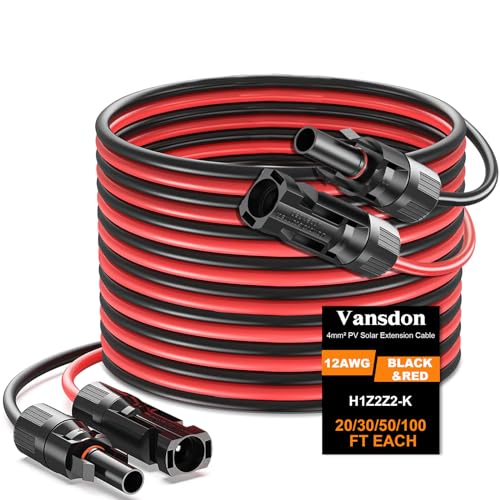
Vansdon 2×30 Feet Solar Panel Extension Cable 12AWG

NTONPOWER 25 Ft Extension Cord with 6 Outlets and 4 USB Ports

Hiutgowt 12AWG XT60i Solar Cable 30FT

DEWENWILS 25FT Hand Wind Extension Cord Reel
DEWENWILS Open Cord Storage Reel with 4 Outlets
The Details Behind The Selections
I see this reel most often called for in workshop and garage settings, where the same long cord gets unspooled and put away dozens of times a week. The spring-loaded rewind pulls the cord back in, an auto-guide keeps it from stacking unevenly, and the ratchet holds the cord at any length you stop at. It’s a metal reel on a metal frame, which keeps the whole thing stable when mounted to a ceiling joist or stud.
For a homeowner who wants one reliable cord ready for the leaf blower or the band saw, this hits a sweet spot. Setup is mostly mechanical, and the cord is heavy enough to drape across a driveway without tangling badly.
The Good Stuff
- Automatic retract saves real time when wrapping up a job site.
- Ratcheting lock holds the cord at the exact length needed, no extra slack flopping around.
- Metal frame and reel handle rough garage duty better than plastic shells.
- The 30-foot reach covers most single-car garages and shop rooms without an extension-on-extension chain.
Things To Consider
- Spring-loaded rewind can tug suddenly, so keeping bystanders clear during retraction is wise.
- The reel itself is best mounted; using it as a portable unit reduces stability.
Key Specs
Who It Suits Best
DIYers and shop owners who mount the reel once and use it daily for handheld tools.
Where Another Pick Suits Better
The DEWENWILS Hand Wind Reel is a friendlier fit for someone who only pulls the cord out a few times a month and doesn’t want the spring-load fuss.
Where many outdoor cords stick to green or black, this one ships in white with a clear illuminated plug end, which is genuinely useful when the cord is hidden under leaves or snow. It’s listed as 20 feet rather than 30, but it’s built heavier than most: 12 AWG copper wire under a thick vinyl sheath means lower resistance and cooler runs for power-hungry tools.
For most homeowners running a chainsaw, leaf blower, or holiday lights in tougher weather, the heavier gauge and weather-resistant jacket give real confidence. The lighted end acts like a built-in indicator that the line is live.
A Strong Showing
- 12-gauge copper wire handles higher-draw tools without voltage drop (the loss of power over distance that dims lights or stalls motors).
- Lighted plug end confirms power at a glance, helpful outdoors in low light.
- Thick vinyl jacket resists moisture, abrasion, and flexing in cold weather.
- Three-prong grounded plug adds a layer of safety for outdoor use.
Worth Noting
- The 20-foot length falls short of a true 30-foot run, so plan around the distance.
- White coloring shows grass stains and dirt faster than darker cords.
Feature Snapshot
Built With In Mind
Homeowners running heavy outdoor tools and holiday displays who want a cord that won’t bog down under load.
Consider Something Else When
The DEWENWILS Retractable Reel covers a longer run and stays tidy in a garage, which works better for someone who needs a long reach indoors and out.
Most extension cords aren’t built for solar arrays, which is why the standard household one falls short for off-grid setups. This pair ships as a matched red and black 30-foot run, each with its own male and female MC4-style connector (the click-together plugs common to photovoltaic panels). The wire is tin-coated copper, which resists corrosion better than bare copper and helps keep charging efficiency up.
For someone setting up a cabin solar array or running panels on an RV roof, having the polarity-coded pair ready to go saves a lot of fiddling. The waterproof connectors mean the run can sit outside year-round without worry.
What Stands Out
- Matched red/black pair keeps polarity obvious at a glance.
- Tin-coated copper resists corrosion in damp outdoor environments.
- 12 AWG wire keeps voltage loss low across a 30-foot run.
- Sealed waterproof ends handle rain and humidity.
Trade Offs
- The MC4 connectors are specific to solar gear; this cable can’t double as a household cord.
- UV exposure over years will age any outdoor cable, so owners commonly plan for replacement every several seasons.
Quick Facts
Made For
Off-grid enthusiasts and RV owners wiring solar panels to a controller or battery bank.
Look Elsewhere When
Anyone wanting a portable power station hookup should grab the Hiutgowt XT60i cable, which ends in the right adapter for that gear.
Compared to the other picks here, this isn’t really an extension cord in the workshop sense; it’s a power strip on a long leash. Six spaced outlets plus two USB-A and two USB-C ports cover a full desk setup. The flat plug tucks behind a bookshelf or nightstand, and the wall-mount holes let you anchor it to the side of a desk.
For dorm rooms or home offices where everything from a laptop to a monitor to a phone needs power at once, this solves the “one outlet, ten plugs” problem. The 25-foot run reaches across most bedrooms.
What Works In Its Favor
- Six widely spaced outlets handle chunky wall-wart plugs without blocking neighbors.
- Built-in USB-C and USB-A ports cut the need for separate bricks.
- Flat-profile plug slips into tight gaps behind furniture.
- Overload protection trips at 1250W, a sensible guard for desktop electronics.
Points To Keep In Mind
- This is an indoor power strip, not a heavy-duty outdoor cord, so it isn’t suited for tools.
- Mounting hardware isn’t included for everyone, depending on the wall surface.
Best Suited To
Students and remote workers setting up a desk far from a wall outlet with a clutter of small devices.
Not Your Match When
The HONDERSON 12-gauge outdoor cord is the right swap for someone needing a heavy-duty outdoor run instead of indoor USB charging.
Portable power stations like EcoFlow and similar brands use a specific XT60i input for solar charging, so a generic cable won’t help. This one terminates in the right plug, with 12 AWG tin-coated copper running the 30 feet between array and station. The XLPE jacket (cross-linked polyethylene, a tough insulation) handles extreme temperatures and UV, which matters when the cable lives outside.
For campers and overlanders who already own a station, this cable unlocks the panel-to-station pairing in one step. No splices, no adapters, just plug and go.
A Favorable Mix
- XT60i connector matches portable power stations without extra adapters.
- 12 AWG conductor keeps charging efficient over distance.
- Temperature- and UV-resistant jacket survives outdoor exposure.
- Tin-coated copper resists corrosion better than bare wire.
Honest Caveats
- Single cable only; users needing a polarized pair should look at the Vansdon solar run.
- Connector fit can vary between station brands, so confirming the XT60i spec on the station is worth a moment.
Spec Overview
Who Should Grab It
Power station owners who want one clean cable from solar panel to battery without adapters.
A Better Fit Elsewhere
The Vansdon MC4-style pair suits permanent rooftop arrays wired into a charge controller, which is a different setup.
Where the first DEWENWILS reel uses a spring to do the work, this one drops the motor and asks you to turn a crank. The triangular swivel handle makes winding comfortable, and the open frame design lets you see exactly how much cord is left. It’s lighter, cheaper, and quieter, which makes it a friendlier choice for occasional yard or hobby use.
For someone who pulls out a hedge trimmer twice a month, the lack of automatic retract is more of a feature than a flaw. You control the pace, and there’s nothing mechanical to wear out.
Features That Help
- Hand-crank winding means no springs to weaken over time.
- Open frame keeps the cord visible and easy to spot when tangled.
- Swivel handle reduces wrist fatigue during rewind.
- 25-foot reach is enough for most yard tasks.
A Few Limitations
- Manual winding takes longer than auto-rewind for repeated daily use.
- The 25-foot length is shorter than the 30-foot reel above.
Perfect Match For
Casual DIYers and hobby gardeners who only need a tidy reel a few times a month.
Skip It When
The DEWENWILS Metal Retractable Reel is the better swap for a busy workshop that winds and unwinds the cord many times a day.
This third DEWENWILS option acts like the hand-wind reel but adds four grounded outlets built right into the side, turning the reel itself into a multi-outlet power source. The round swivel crank keeps winding smooth, and the bottom lock keeps the reel steady while you turn. It’s a small detail that solves the real headache of finding four open wall outlets when stringing holiday lights.
For seasonal decorations and outdoor gatherings, the built-in outlets mean fewer splitters and less cable mess. You wind up one cord instead of three.
Strong Points
- Four grounded outlets built into the reel body.
- Swivel crank handle winds without tangles.
- Locking base keeps the reel from sliding during use.
- Open frame makes the cord easy to inspect for wear.
Softer Spots
- It’s a storage reel, not a cord itself; users bring their own cord to spool.
- The built-in outlets draw from the wall outlet the reel is plugged into, so a single 15-amp circuit is the limit.
Whose Shelf It Belongs On
Holiday decorators and party hosts running multiple low-draw devices from one wall outlet.
Swap It Out When
The HONDERSON outdoor cord is a better pick for someone who needs a heavier-duty 20-foot run for high-draw tools rather than a multi-outlet storage reel.
What To Weigh Before Buying 30 Foot Extension Cords
Match The Gauge To The Load
The wire gauge is the single biggest decision here. Lower AWG numbers mean thicker wire, and thicker wire carries more current over distance without voltage drop or heat. A 16 AWG cord, like the retractable reel’s 16/3 SJTW (a 16-gauge cord with three conductors inside a thermoplastic jacket rated for outdoor use), runs string trimmers and work lights comfortably. A 12 AWG cord, like the HONDERSON outdoor cord, handles chainsaws and heavy shop tools without bogging down.
Think About The Jacket And Connectors
Indoor cords can use lighter thermoplastic jackets, but anything that touches weather needs SJTW or similar weather-resistant insulation. Solar and station cables add specialized connectors (MC4 or XT60i) that won’t match a household wall outlet. Picking a cord built for the environment saves real replacement headaches later.
Decide Between A Reel And A Loose Run
Reels, hand-wound or automatic, make storage cleaner and extend cord life by preventing kinks. Loose cords are lighter to carry and cheaper, but they tangle. For daily garage use, a mounted reel pays for itself in convenience. For yard work once a week, a plain cord on a hook is plenty.
Key Considerations Across These Picks
Where Shoppers Go Wrong
The most common mistake is grabbing the lightest cord in the bin because it’s also the cheapest. A 16 AWG cord pushed through a 50-foot run of a circular saw will heat up, drop voltage, and may trip breakers. Another pitfall is choosing a cord by length alone and ignoring connectors; a 30-foot cord with the wrong plug for a solar array is useless for that job.
When Paying More Pays Off
Higher-tier cords earn their keep in three places: thicker copper that runs cooler, weather jackets that survive years of UV, and connectors that seal out moisture. For seasonal outdoor work, the upgrade usually pays back in fewer replacements. For an indoor desk strip, the savings matter more than the upgrade path.
