

Swapping a worn or damaged range cord can feel intimidating, especially when the outlet behind the stove is one of the older 3-wire configurations found in homes built before the mid-1990s. The right replacement plug matters more than people realize, since a mismatch between plug type and outlet can prevent the appliance from powering on at all. I put together this roundup to help homeowners, renters, and weekend DIYers sort through the most common plug and cord options for ranges, dryers, and similar heavy appliances. Each pick here addresses a specific scenario, so you can match the part to the outlet already on your wall.
A Fast Comparison Of The Options
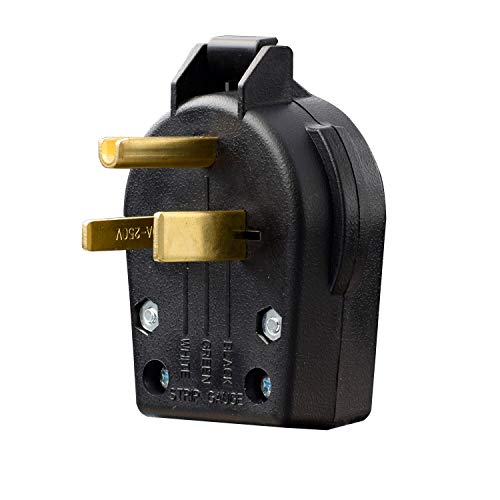
AIDA NEMA 6-30P & 6-50P Heavy Duty Angle Plug

AIDA NEMA 10-30P & 10-50P Replacement Angle Plug
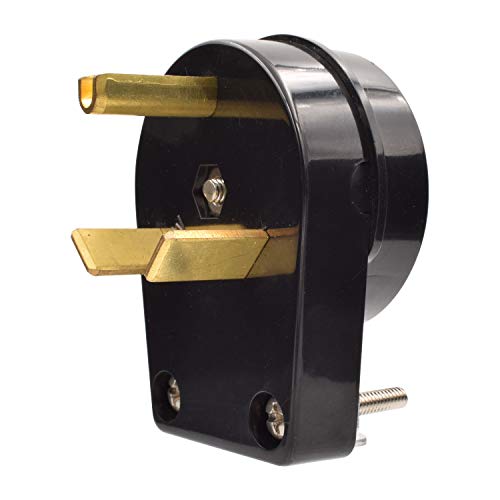
AIDA NEMA TT-30P RV Replacement Angle Plug

LoraTap Mini Remote Control Outlet Plug

SURIEEN NEMA 10-50P to 10-30R Dryer Adapter 1.5FT

Supplying Demand 5-Foot Range Power Cord 40 Amp

Parkworld 10-50 Range Extension Cord 20FT
What Each Pick Brings To The Table
This angle plug from AIDA ships with interchangeable blades that let the same housing work as either a 30-amp NEMA 6-30P or a 50-amp NEMA 6-50P configuration, which is genuinely useful if you own both a heavy compressor and a welder on the same circuit family. Rated for 250 volts and built to industrial standards, it fits the kind of outlets you find in detached workshops, garage subpanels, and small fabrication spaces.
For homeowners doing range swaps, the grounded 3-prong design (two hots plus a ground) is the right call for any appliance that wasn’t originally wired with a neutral. Compared to the AIDA 10-series plug reviewed later in this list, this one is purpose-built for 240-volt equipment rather than legacy range outlets.
Points In Its Favor
- Two amp ratings in one plug, so one purchase covers two common workshop setups.
- Right-angle body keeps the cord close to the wall and reduces strain on the outlet.
- Industrial-grade construction feels sturdy when wiring larger gauge conductors.
- Grounded design is appropriate for modern 3-wire welder and compressor circuits.
Things To Consider
- Not a fit for older 10-30 or 10-50 range outlets found in pre-1996 homes.
- Wiring larger gauge leads takes patience; tight work areas make terminal access awkward.
Made For
Shop owners and serious DIYers running welders, compressors, or generators on 30 or 50 amp 240-volt circuits.
Skip It When
Someone replacing a stove cord in an older kitchen should look at the AIDA NEMA 10-30P & 10-50P plug further down instead.
The NEMA 10-series plug is the format most people picture when they think of an older electric range or dryer outlet: two angled hot blades and a single straight neutral, no separate ground wire. This AIDA plug handles either 10-30P (30 amp) or 10-50P (50 amp) wiring using interchangeable blades, and it accepts the 125/250-volt ratings that older homes actually deliver.
It matters because so many legacy kitchens and laundry rooms still have these 3-wire outlets and homeowners get stuck when the original plug cracks or the stove arrives with a different cord. Unlike the LoraTap remote plug, this is a hardwired component, not a smart accessory, so it belongs on the appliance end of the cord rather than the wall.
The Practical Payoff
- Replaces cracked or burnt plugs on legacy range and dryer cords.
- Solid brass blades for steady conductivity during long cooking sessions.
- Industrial-grade housing holds up to repeated connect and disconnect cycles.
- One plug covers both 30 and 50 amp legacy outlet configurations.
Worth Noting
- Non-grounding design is outdated and may not satisfy local code for new installations.
- Some jurisdictions now require a 4-wire upgrade when replacing a range cord entirely.
Best Suited To
Homeowners in pre-1996 properties who just need to replace a worn 3-prong range or dryer plug without rewiring the wall outlet.
A Better Fit Elsewhere
The Supplying Demand 5-foot cord is a simpler grab if a complete factory-made cordset feels easier than wiring a plug from scratch.
The TT-30P is the standard 30-amp RV shore power plug, sometimes called a “travel trailer” plug, with two flats and a single round pin. AIDA builds this version as a self-grounding, industrial-grade angle plug rated for 125 volts, which is the same configuration found at campground pedestals and on portable generator panels. For owners who keep snapping or losing the molded plug on their RV pigtail, replacing just the plug head is faster and cheaper than buying a whole new cordset.
Compared to the AIDA 6-series plug reviewed above, this one is grounded differently and operates at 125 volts rather than 250. It’s a specialty choice, not a kitchen option, but it earns its spot on the list because anyone Googling 3-prong plugs often stumbles into RV models by accident.
The Good Stuff
- Self-grounding design avoids the extra jumper wire some cheaper plugs require.
- Angle body keeps the cord routed close to the RV inlet, reducing snagging.
- Marked terminals speed up the wiring step for anyone doing their own repair.
Room For Improvement
- Not interchangeable with NEMA 10 or 6-series plugs, so it stays a one-purpose item.
- RV owners commonly replace the entire pigtail rather than just the head, depending on cord condition.
Key Product Details
Who It Suits Best
Full-time and weekend RVers maintaining their own shore power cords, especially those comfortable with basic wiring work.
Not Your Match When
Kitchen range replacements belong with the AIDA 10-series plug, not this RV-focused model.
Stepping away from appliance cords for a moment, the LoraTap is a wireless remote-control outlet plug that lets you switch a lamp or small appliance on and off from across the house. The remote and the plug pair out of the box, so there’s no wiring, no app, and no hub required. The 656-foot rated range in open conditions is generous, though walls and floors shrink that figure significantly in most homes.
I included it because the search term “3 prong range plugs” pulls in plenty of people looking for any plug-shaped solution to a reach or control problem. It’s worth flagging that this is a 120-volt household accessory, not a range replacement, and it cannot handle a 30 or 50 amp stove load under any circumstance.
Strengths Worth Knowing
- Magnetic mounting plate lets the remote sit on a fridge or stick to a workbench.
- Pairing the remote is quick enough that one person can finish the job in minutes.
Honest Caveats
- Suitable only for lamps and small appliances, never high-draw kitchen equipment.
- Range drops sharply through multiple walls, so the 656-foot rating is best-case.
- Outlet switches like this tend to wear out faster than a hardwired switch under heavy daily use.
Right Fit For
Renters and apartment dwellers who want a switch in a spot where running new wire isn’t an option.
Look Elsewhere When
Anyone actually replacing a stove cord should skip this and pick up the Supplying Demand range cord reviewed below.
This SURIEEN adapter solves a frustrating scenario: the appliance has a 10-50 plug but the available wall outlet is a 10-30. The 1.5-foot cord bridges the gap without rewiring, so a vintage range with a 50-amp cord can plug into a 30-amp dryer receptacle when no 50-amp outlet is nearby. It also works in reverse if a smaller appliance needs to reach a higher-rated circuit temporarily.
It is an adapter, not a permanent fix, and the cord length keeps it from being mistaken for a real extension. Compared to the Parkworld extension cord in the final review, this one is for matching outlet types rather than adding distance.
Where It Delivers
- Removes the need to swap cords when moving a stove between two homes or workshops.
- No tools or rewiring, so even non-technical users can connect it.
Points To Keep In Mind
- An adapter does not change the amperage of the wall circuit, so the lower rating governs.
- 1.5-foot length leaves little slack to hide behind a tight-fitting appliance.
- Strain on the adapter’s joints adds up if the range gets slid in and out often.
Feature Snapshot
Who Should Grab It
Owners of vintage ranges who occasionally need to plug into a 30-amp dryer outlet during moves or renovations.
Swap It Out When
For adding actual length behind the stove, the Parkworld 10-50 extension cord is a more useful option.
Supplying Demand offers a factory-made 5-foot range cord pre-wired with a 3-prong plug at one end and bare leads at the other, rated for 40 amps at 250 volts. The 8/2 and 10/1 gauge conductors inside are sized appropriately for a typical residential range, and the included strain relief bracket takes the worry out of securing the cord to the back of the appliance.
For most homeowners, this is the easiest path: pull the old cord, match the wire colors to the terminal block, attach the bracket, and slide the stove back into place. Compared to the AIDA NEMA 10-series plug reviewed earlier, no separate plug assembly is required.
Where It Excels
- 5-foot length suits most standard kitchen layouts without leaving excess slack.
- Strain relief hardware is included, so no extra trip to the hardware store.
- Pre-stripped leads make the connection at the terminal block straightforward.
Trade Offs
- 3-prong design is non-grounding and may not meet local code for new installations in some regions.
- 40-amp rating tops out below true 50-amp range circuits, so heavy commercial ranges are out of reach.
Whose Shelf It Belongs On
Homeowners who want a complete, ready-to-install cord and don’t want to wire a plug head themselves.
Where Another Pick Suits Better
Anyone needing a full 50-amp reach should consider the Parkworld extension cord for greater length and capacity.
The Parkworld 20-foot cord is built for situations where the wall outlet sits well away from where the range actually goes: think basement kitchens, garage apartments, or older homes where the electrician placed the receptacle on the wrong wall. Rated for 50 amps at 250 volts, it uses STW-rated 6 AWG/3C cable with an outdoor PVC jacket, so it tolerates the rough path between an outlet and an island or appliance nook.
Nickel-plated brass terminals help prevent oxidation when the cord lives in a damp garage or basement. Compared to the SURIEEN adapter reviewed earlier, this cord extends distance rather than converting between plug types.
What Pays Off
- 20-foot length removes the need to relocate an outlet during a kitchen rearrangement.
- STW jacket and 6 AWG conductors handle the full 50-amp load without voltage drop concerns.
- Nickel-plated brass pins resist corrosion in humid basements and outdoor-adjacent spaces.
Practical Considerations
- Bulk of a 6 AWG cable makes coiling and storing the excess behind a stove awkward.
- 3-prong 10-50 design means it won’t work on grounded 4-wire outlets found in newer homes.
- Long heavy cords tend to wear faster at the connectors if dragged across concrete regularly.
Built With In Mind
Homeowners with a mismatched outlet location who need real distance behind a heavy range or welder.
Reach For A Different Pick When
The Supplying Demand 5-foot cord is a cleaner fit for a standard kitchen where the outlet is already in the right spot.
How To Choose A Range Plug That Actually Fits
Getting the right plug starts with reading the outlet, not the appliance. The NEMA number stamped or molded on the receptacle face tells the whole story: 10-30 means a 30-amp, 125/250-volt, 3-wire hookup (two hots plus a neutral, no separate ground); 10-50 is the same family at 50 amps; 14-series outlets are the modern 4-wire grounded versions. Match the new plug to that exact code, since forcing a 30-amp plug into a 50-amp circuit (or the reverse) creates real safety risks.
Once the configuration is clear, confirm the amperage and voltage ratings on the plug itself. A plug rated for 250 volts belongs on a 240-volt range circuit, and the amperage on the plug must meet or exceed the appliance’s draw. For workshop equipment like welders and compressors, the AIDA 6-series plug handles 30 or 50 amp 250-volt service well. For kitchen ranges in older homes, the AIDA 10-series plug or a pre-made cord like the Supplying Demand option covers most legacy outlet styles.
Cord length matters more than people expect. Five feet is standard for a tight galley kitchen; longer runs only make sense when the outlet is genuinely far from the appliance. A heavy 6 AWG extension like the Parkworld cord adds flexibility, but the bulk gets in the way behind a flush-mounted range.
Things Worth Knowing Before You Order
Mistakes Worth Dodging
The most common mistake is assuming any 3-prong plug will fit any 3-prong outlet. NEMA 10-series and 6-series plugs share a prong count but completely different blade angles and ratings, so they are not interchangeable. Always confirm the NEMA code on the existing wall outlet before clicking order.
Another frequent slip is choosing the wrong amperage. Plugging a 50-amp range into a 30-amp circuit is a fire risk, and underrating the plug for a 50-amp appliance causes overheating at the terminals. Match the plug’s amp rating to the circuit breaker that feeds the outlet, not to the appliance’s nameplate alone.
Where The Extra Money Goes
Spending more usually means heavier gauge wire, solid brass or nickel-plated terminals, and a housing that holds up to repeated plug cycles. Industrial-grade plugs from brands like AIDA and Parkworld tend to last through years of seasonal connect/disconnect, while bargain-bin plugs often crack at the cord clamp within a season.
The upgrade is worth it for anyone running high-draw equipment on a frequent basis, whether that is a welder in a shop or a range that gets pulled out for deep cleaning every month. For a one-time swap in a kitchen that rarely moves, a mid-priced cord like the Supplying Demand option strikes a reasonable balance between cost and durability.
Frequently Asked Questions
What does NEMA mean on a range plug?
NEMA stands for the National Electrical Manufacturers Association, and the number following it (like 10-30 or 14-50) defines the plug’s blade pattern, voltage, and amperage. Matching this code to the wall outlet is the single most important step in choosing the right plug.
Can I use a 3-prong range plug on a 4-prong outlet?
No, the blade patterns are physically different, so a 3-prong plug will not seat in a 4-prong outlet. If the wall is 4-wire but the appliance cord is 3-wire, the safer fix is usually to replace the cord with a 4-wire version rated for the same amperage.
Is a 3-prong range plug safe in an older home?
It can be safe when matched correctly to the existing 3-wire outlet and circuit, since many homes built before 1996 were never wired with a separate ground. Local electrical codes may now require a 4-wire upgrade during major renovations, so checking with an inspector is wise for new work.
Do I need an electrician to replace a range plug?
Swapping a plug on an existing cord is a manageable DIY task for anyone comfortable matching wire colors to terminals. Running a new outlet, upgrading the home’s wiring, or installing a subpanel is electrician territory in most jurisdictions.
What is the difference between a range cord and a dryer cord?
Range cords typically carry 40 or 50 amps at 250 volts to handle cooking loads, while dryer cords usually run 30 amps at 250 volts. The NEMA codes reflect this, so a 10-30 dryer plug will not fit a 10-50 range outlet even though they look similar.
Closing Thoughts
The right 3 prong range plug depends almost entirely on the outlet already on the wall, so the first job is identifying that NEMA code before anything else. From there, the choices narrow quickly: a heavy-duty angle plug for the workshop, a pre-made cord for a quick kitchen swap, or an extension for an awkward outlet location. Pick the part that matches the outlet, check the amperage, and the rest is just wiring.
