

A single voltage spike from a nearby lightning strike or a utility hiccup can quietly destroy the control boards in modern refrigerators, ovens, and HVAC equipment in one blink. I put this guide together for homeowners and small-shop operators who want serious defense for sensitive gear without guesswork. These six options cover whole-home panels, plug-in appliance guards, and inline arrestors built for harsher electrical environments.
The Leading Options At A Glance

ABB THOMESURGEP Whole Home Surge Protection Device Type 1 SPD
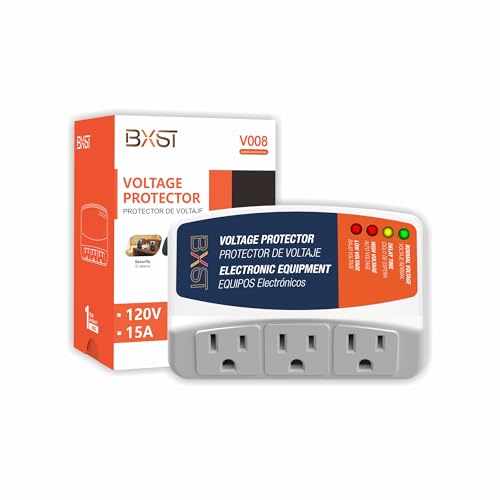
BXST Surge Protector 3 Outlet Voltage Protector

Eaton CHSPT2ULTRA Surge Protection Device

Fosmon Refrigerator Surge Protector 3 Outlet 1200J

EVOSPD2SURGE Whole House Surge Protector 72kA

Delta LA302R Single Phase 3 Wire Surge Arrestor
What Each Pick Brings To The Table
The ABB THOMESURGEP sits at the very front of your electrical system as a Type 1 SPD, which means it intercepts surges before they ever reach your breaker panel. That kind of upstream placement matters in neighborhoods where overhead lines take direct hits or where utility switching causes recurring spikes. I think of it as the bouncer standing at the door, turning trouble away before it walks into the house.
The NEMA 3R enclosure is rated for outdoor mounting, so homeowners in areas with frequent storms can install it right at the meter base. Compared to plug-in guards later on this list, this unit sacrifices convenience for whole-home reach, which is exactly the trade-off worth making when sensitive electronics fill every room.
Useful Strengths
- Type 1 classification handles the largest external surges, including direct lightning energy on service lines.
- NEMA 3R rating allows outdoor mounting at the service entrance where surges first arrive.
- Whole-home coverage means televisions, kitchen appliances, and HVAC controls all share the same defensive front.
- ABB brand heritage in industrial protection translates to robust internal thermal management.
Things To Consider
- Installation almost always requires a licensed electrician working near live service conductors.
- No plug-and-play option for renters who cannot modify the panel.
Who It Suits Best
Homeowners in storm-prone regions who want a serious first line of defense and are comfortable hiring an electrician for panel-side work.
Consider Something Else When
The Delta LA302R is a better match for someone wiring a sub-panel or detached workshop and needs a compact inline arrestor rather than a service-entrance unit.
The BXST is the kind of device I recommend for a single high-value appliance where brownouts are nearly as dangerous as surges. A “brownout” is a sustained drop in voltage, and a low-voltage cutoff can save a refrigerator compressor from burning out during a saggy grid event. Rated at 15A and 1800W on a standard 120V outlet, it sits between the wall and your appliance without rewiring anything.
The three-outlet design is helpful for grouping related gear, like a fridge plus a freezer in the garage. Where the ABB upstream unit fights lightning, this BXST fights everyday utility wobble, which in many neighborhoods happens far more often.
What Stands Out
- High and low voltage cutoff protects against both spikes and damaging brownouts.
- Plug-in form factor means renters and apartment dwellers can use it without modification.
- LED status indicators give a quick visual confirmation that protection is active.
- Wide compatibility with refrigerators, microwaves, washing machines, and similar heavy loads.
Worth Noting
- Outlet-style design only shields whatever is plugged into it, not the rest of the home.
- Bulkier than a basic power strip and may block adjacent outlets on some wall plates.
Key Specs
Made For
Apartment renters or homeowners who want targeted protection for a single kitchen or laundry appliance without hiring an electrician.
Look Elsewhere When
The Fosmon 4-pack offers more outlets per dollar across multiple appliances, making it a smarter grab for outfitting an entire kitchen at once.
The Eaton CHSPT2ULTRA is a Type 2 SPD, which means it lives downstream of the main breaker and handles residual surges that slip past a Type 1 device or arrive from inside the home. Electricians reach for this model because its quick-connect design mounts inside nearly any manufacturer’s load center, so retrofitting older panels is rarely a fight.
At 108kA per phase surge capacity, it absorbs serious energy before it reaches the branch circuits. Where the ABB above is the door guard, this Eaton is the hallway sentinel catching anything that sneaks through.
The Practical Payoff
- Universal compatibility with most residential load centers simplifies retrofit projects.
- 108kA per phase rating offers substantial headroom for repeated surge events.
- LED status indication lets homeowners verify protection at a glance.
- Compact footprint fits inside crowded panels where space is at a premium.
Trade Offs
- Requires opening the breaker panel, so most people hire an electrician for installation.
- Type 2 placement means a Type 1 device upstream is still recommended for direct lightning exposure.
Right Fit For
Anyone working with a licensed electrician on a panel upgrade who wants industry-standard surge defense layered behind the meter.
A Better Fit Elsewhere
The EVOSPD2SURGE offers a higher joule rating for homes with solar arrays or large workshop equipment that pulls heavy inductive loads.
The Fosmon brings 1200 joules of absorption through a wall-tap design rated for 1875 watts. Joules measure how much energy a surge protector can absorb before its internal MOVs (metal oxide varistors, the small components that sacrifice themselves to clamp spikes) wear out. For a refrigerator, microwave, or washing machine, that figure covers the vast majority of household surge events.
Sold as a 4-pack, this option rewards homeowners who want to deploy guards across multiple rooms. The 3-prong grounded design and ETL listing suggest straightforward compatibility with standard US outlets.
A Strong Showing
- 4-pack pricing lowers the per-unit cost for whole-home appliance coverage.
- Three outlets per unit handle a fridge plus a nearby lamp or garage door opener.
- ETL listing supports confidence in safety testing for North American outlets.
- 1200 joule rating comfortably covers routine utility switching surges.
Points To Note
- Wall-tap form factor blocks the second receptacle on duplex outlets.
- Single-mode protection without the brownout cutoff the BXST offers.
Best Suited To
Budget-conscious homeowners outfitting a kitchen, laundry room, or garage with multiple appliances on separate circuits.
Skip It When
The BXST is a stronger match for areas with chronic low-voltage events, since it adds brownout protection the Fosmon lacks.
The EVOSPD2SURGE leans into the heavy-duty side of residential protection with a 72kA per phase rating and 1880 joules total. Built around eight thermally protected MOVs sourced from Taiwan, it offers a generous safety margin for homes with solar inverters, EV chargers, or workshop tools that generate their own switching transients.
Where the Eaton CHSPT2ULTRA handles typical suburban exposure, this EvoDevice model stretches further into light-commercial territory. Owners commonly report smooth installation in standard 120/240V panels, though an electrician should still handle the wiring.
Useful Highlights
- 72kA per phase capacity absorbs the largest indirect lightning events.
- Thermally protected MOVs reduce fire risk during end-of-life failure.
- 1880 joule total rating extends service life across many smaller surges.
- 120/240V compatibility fits standard US residential split-phase panels.
Honest Caveats
- Premium capacity comes at a higher cost than basic Type 2 units.
- No included Type 1 companion means homes in lightning alley may want both upstream and downstream layers.
Feature Snapshot
Perfect Match For
Homeowners with rooftop PV systems, EV charging, or detached workshops drawing significant inductive loads.
Swap It Out When
The ABB THOMESURGEP is the better fit for those prioritizing a Type 1 upstream device with outdoor-rated mounting.
The Delta LA302R is the old-school workhorse of this list, a 2-pole surge arrestor with 18-inch leads rated for 120-240 VAC single-phase service. “Leads” simply means pre-attached wires, so the electrician can land the conductors directly into a panel or disconnect without separate lugs. It is the kind of device electricians grab for sub-panels in detached garages, well pumps, or outbuildings with long wire runs.
Voltage coverage up to 250V makes it flexible across a handful of service configurations. Where the EVOSPD2SURGE is a polished consumer unit, the Delta reads like industrial utility, and that honesty appeals to anyone wiring up a workshop that sees real load.
Benefits That Matter
- Compact inline form factor fits inside small sub-panels and disconnects.
- 18-inch leads simplify wiring in tight electrical enclosures.
- 2-pole design handles 120-240 VAC across common residential service configurations.
- Delta Lightning Arrestors brand carries a long track record in utility-grade protection.
Some Limits To Know
- No status indicator means a visual inspection requires opening the panel.
- Installation should be performed by a qualified electrician familiar with local codes.
Whose Shelf It Belongs On
DIYers working alongside an electrician to protect well pumps, outbuildings, or sub-panels fed by long underground runs.
Reach For A Different Pick When
The Eaton CHSPT2ULTRA is a smoother fit for whole-home retrofits where LED status and universal panel compatibility save time.
What To Weigh Before Choosing 3 Phase Surge Suppressors
Match The SPD Type To Your Service Entrance
Type 1 SPDs mount ahead of the main breaker and absorb direct utility-side surges, including lightning energy on overhead lines. Type 2 SPDs sit inside the load center and clean up residual energy, which is what most homeowners actually need. For full coverage in storm-prone regions, layering both types works well, with the Type 1 upstream and Type 2 downstream.
Read The Joule And kA Numbers Carefully
Higher joule ratings mean a protector can absorb more total energy before its MOVs wear out. Higher kA per phase ratings indicate tolerance for larger single events. For typical suburban homes, anything above 1000 joules and 50kA per phase covers the vast majority of real-world exposure. Rural properties with frequent storms benefit from pushing those numbers higher.
Decide Between Plug-In And Hardwired Protection
Plug-in guards like the BXST and Fosmon serve renters and single-appliance needs without rewiring. Hardwired units like the Eaton, ABB, and Delta require an electrician but cover the whole panel or sub-panel. Mixing both layers is common, since plug-in units add a final safety net for the most sensitive electronics such as computers and audio gear.
Choose The Right Mounting Environment
Outdoor service entrances call for NEMA-rated enclosures that handle rain and ice. Indoor load centers can use slimmer Type 2 modules. Sub-panels in detached buildings benefit from inline arrestors with leads, which fit where larger devices cannot.
Key Considerations Across These Picks
Pitfalls Shoppers Hit
The most common mistake is buying a cheap power strip and assuming it offers serious surge defense. A basic strip may have a tiny MOV that handles one event at best. Another trap is installing only one layer of protection and expecting it to stop direct lightning energy, which is rarely realistic for any single residential device. Finally, many shoppers forget to replace surge protectors after a major event, since the internal MOVs sacrifice themselves quietly.
When Paying More Pays Off
Higher-tier models bring thermally protected MOVs that reduce fire risk during failure, larger joule capacities for longer service life, and NEMA-rated enclosures for outdoor mounting. For homes with solar arrays, EV chargers, or sensitive home office gear, the upgrade tends to pay back through avoided replacement costs alone. For an apartment with one fridge and a TV, a quality plug-in guard usually covers the bases without the added expense.
