

Choosing the right solar panel used to feel like decoding a foreign language. Wattage ratings, cell types, busbars, bifacial gains, and rigid versus folding form factors all blur together once you start comparing listings. I pulled together five of the most interesting 200 watt solar panel options across both fixed-mount and portable categories so you can match hardware to the way you actually use power, whether that means mounting panels on a van roof or unfolding a blanket at a campsite.
The Leading Options At A Glance

Callsun N-Type 16BB 400W Bifacial Solar Panel (2-Pack)
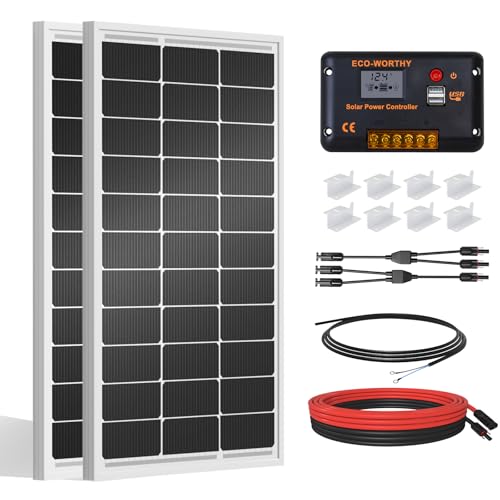
ECO-WORTHY 200W 12V/24V Solar Panel Kit
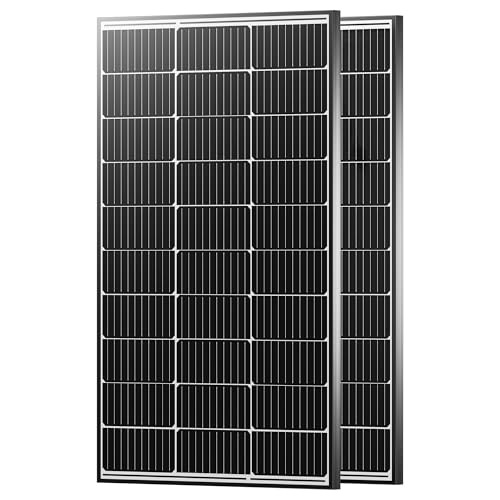
JJN 200W Solar Panels (2-Pack)

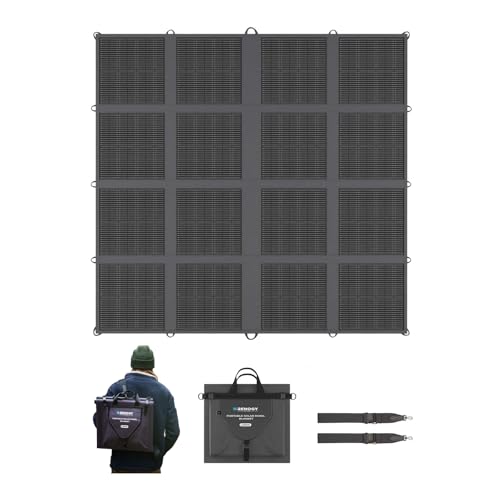
Renogy 400W Portable Solar Blanket
A Closer Look At Each Pick
This Callsun bundle ships two rigid panels rated at 200 watts each, built around N-type cells with 16 busbars and a claimed 25.6% conversion efficiency. Bifacial construction means the back side harvests reflected light, so a white RV roof or light-colored ground surface can boost daily yield without any extra hardware on your part.
The dual-module design is aimed at people wiring into 12V or 24V battery banks for serious off-grid living. Compared to the portable folding options later in this roundup, these are fixed-mount panels meant to stay put once installed. They pair naturally with MPPT controllers for anyone pushing toward a full cabin solar array.
Where It Delivers
- N-type cells outperform older P-type designs in real-world heat and low-light conditions, which matters on cloudy coastal mornings.
- The 16-busbar layout reduces hot spots and hidden microcracks, a common failure point that quietly drags down output over years.
- Bifacial gain from reflected light can add meaningful watt-hours on bright surfaces like a van roof or pale concrete pad.
- Two-pack delivery simplifies building a balanced 400W array without sourcing matching panels from different sellers.
- Compatibility with 12V and 24V systems covers most RV, marine, and small-home battery banks in circulation.
Trade Offs
- Rigid glass panels add weight and require a permanent mounting plan with brackets, rails, or roof adhesive.
- Bifacial gains depend entirely on the surface behind the panel, so dark shingle roofs will see less of the advertised upside.
- Higher cell density means careful handling during install; a single cracked cell can knock out meaningful output.
Who It Suits Best
Van lifers, boat owners, and homeowners with a fixed rooftop or ground-mount array who want top-tier cell tech and plan to leave the install alone for years.
Look Elsewhere When
Campers who need a grab-and-go panel should reach for the Renogy 200W Portable Solar Panel instead, since the folding form factor trades raw efficiency for genuine mobility.
ECO-WORTHY bundles a single 200W monocrystalline panel with a 30A PWM charge controller, which removes the most intimidating step for first-time builders. Instead of choosing a controller separately and worrying about compatibility, you get the parts sized to work together right out of the box.
Monocrystalline cells offer solid efficiency in a standard aluminum-framed rigid panel, and the 12V/24V flexibility covers everything from a small cabin battery to a trolling motor setup. Where the Callsun pick above leans toward high-end cell tech, this one leans toward accessibility. The trade-off is that a PWM controller wastes a bit of potential harvest compared to MPPT, especially in cold weather.
Positive Points
- The included 30A PWM controller removes a research-heavy decision for anyone new to solar wiring.
- Monocrystalline construction delivers dependable output without the price tag of N-type or bifacial setups.
- The single-panel format keeps the install simple and avoids the balancing concerns of multi-panel arrays.
Points To Note
- PWM controllers harvest less energy than MPPT units, particularly when panel voltage climbs in cool conditions.
- Standard rigid frame requires planning for brackets or a ground mount before delivery arrives.
Made For
First-time off-grid builders, RV weekend warriors, and anyone who wants a working solar setup without a deep dive into charge controller specs.
Not Your Match When
Owners planning a larger permanent array should look at the Callsun N-Type Bifacial Panel, which trades the included controller for higher-end cell technology.
JJN ships a pair of 100W panels that share a 12V profile, marketed together as a 200W bundle. The cells use a 10-busbar layout with around 23% efficiency, which puts them a step behind the Callsun and Renogy portable panel in pure conversion numbers but well ahead of older 5-busbar designs that still dominate the bargain tier.
Two-panel kits work well for parallel wiring into a single battery bank, and the matched pair removes the headache of mismatched outputs. For someone testing the waters on a cabin shed or backup power supply, this is a low-commitment way to start harvesting sunlight without buying into premium pricing.
Useful Strengths
- A matched two-pack eliminates output mismatch that happens when pairing panels from different batches.
- The 10-busbar design improves shade tolerance compared to budget panels with fewer busbars, which matters for partial roof coverage.
- Standard 12V architecture drops cleanly into common RV, marine, and small off-grid battery setups.
Honest Caveats
- Lower conversion efficiency means slightly more roof or ground space for the same daily harvest as the Callsun pick.
- No included controller or wiring accessories, so budgeting for those extras is part of the real cost.
- Rigid glass panels need careful transport if you are not mounting them immediately on arrival.
Best Suited To
Budget-focused shoppers wiring a small cabin, boat, or shed who want a dependable matched pair without premium pricing.
Skip It When
Buyers chasing the highest efficiency in a rigid panel should step up to the Callsun N-Type Bifacial Panel, which leads this list on cell technology.
Renogy’s portable 200W panel folds into a compact carry format aimed squarely at power station owners. The 16-busbar N-type cell layout claims 25% efficiency, which gives it a noticeable edge over older folding panels that often sit in the 22% range.
Unlike the rigid panels earlier in this roundup, this one lives in your truck bed or campsite setup and chases the sun as it moves. The folding form factor makes it a strong match for pairing with a portable power station rather than wiring into a permanent battery bank.
Bright Spots
- Higher efficiency in a folding panel means faster top-ups for power stations between campsite moves.
- Portable design eliminates the install step entirely, which is a real win for renters and travelers.
- N-type cell construction handles partial shade and heat better than older P-type folding panels.
Less Ideal Details
- Folding panels are easier to knock over or leave behind than permanently mounted rigs.
- Output drops sharply when the panel is not aimed directly at the sun throughout the day.
- Folding hinges and fabric surfaces need more careful storage than glass-and-aluminum alternatives.
Who Should Grab It
Overlanders, weekend campers, and anyone running a portable power station who wants the highest efficiency in a folding format.
Consider Something Else When
Shoppers needing twice the wattage in a similarly portable package should look at the Renogy 400W Portable Solar Blanket later in this roundup.
This Renogy blanket steps the wattage up to 400W while keeping the weight near 16 pounds, which lands it well below conventional 400W folding panels. The 16-fold design packs down to roughly the size of a daypack, fitting behind a truck seat or in an SUV cargo area without rearranging the whole vehicle.
The blanket format trades the rigid frame of the Callsun and JJN panels for genuine backpack portability. For road-trippers running a power station to keep cameras, fridges, and laptops alive, that mobility usually matters more than the small efficiency hit that comes with a flexible surface.
Positive Takeaways
- Backpack-sized storage means it travels in passenger vehicles without dedicating cargo space to solar gear.
- Double the wattage of the 200W Renogy panel keeps larger power stations topped up through shorter daylight windows.
- The flexible blanket format handles uneven ground and angled surfaces that rigid panels cannot follow.
Things To Weigh
- Higher wattage in a single blanket means you need a power station or inverter sized to accept that input.
- Blanket surfaces can crease or scuff over time, which owners commonly report as a long-term wear concern.
- Larger unfolded footprint requires more campsite space to catch full midday light.
Perfect Match For
Overlanders, van lifers, and SUV travelers who want maximum wattage in the smallest possible folded footprint.
Reach For A Different Pick When
Owners planning a fixed rooftop or ground array should consider the Callsun N-Type Bifacial Panel, which is purpose-built for permanent installs.
What To Match Before You Buy 200 Watt Solar Panels
Start with the form factor. Rigid glass panels make sense for permanent rooftop or ground mounts where weight is not a problem and you want maximum durability. Portable folding panels and blankets trade some efficiency and ruggedness for the ability to chase the sun, which matters for campers and renters who cannot drill into a roof.
Cell technology shapes daily output more than most shoppers expect. N-type cells with more busbars harvest more energy in partial shade and high heat than older P-type designs, which is the difference between a panel that quietly underperforms and one that keeps delivering through August afternoons. Busbars are the thin metal ribbons printed across each cell that carry electricity, so more of them means lower resistance and less power lost as heat.
Match the panel to your battery bank voltage before anything else. A 12V system works fine for small RV or trolling motor setups, while 24V banks suit larger cabin or whole-home arrays. Mixing voltages without the right charge controller wastes harvest, especially in cooler weather when panel voltage climbs above its rated output.
Finally, think honestly about installation. Fixed panels need mounting hardware, cable runs, and often roof penetrations. Portable panels need storage space and a flat surface at camp. The honest read is that the “best” panel is the one you will actually set up and use, not the one with the most impressive spec sheet.
Key Considerations Across These Picks
Common Shopping Slip Ups
Underestimating daily energy need is the trap I see most often. A 200W panel sounds impressive on paper, but actual daily harvest depends on your location, season, and shade. Run a quick estimate of the watt-hours your fridge, lights, and devices pull before sizing the array. Another mistake is skipping the charge controller research. PWM units cost less but waste energy, while MPPT controllers extract more harvest from the same panel, especially in cold weather or low-light conditions.
What The Higher Tier Buys
Premium panels in this category invest in newer cell technology, more busbars, and bifacial designs that harvest light from both sides. Those upgrades show up as better shade tolerance, stronger performance in heat, and longer service life before output drift sets in. The upgrade pays off most for permanent installs where the panels will sit in the same spot for a decade or longer.
Frequently Asked Questions
How many watts does a 200 watt solar panel actually produce? Real-world output depends on sunlight hours, angle, and temperature, but most fixed panels deliver somewhere between 70% and 85% of their rated wattage during peak conditions. A typical 200W panel might produce around 1,400 watt-hours on a sunny summer day in a temperate climate.
What can a 200 watt solar panel run? A single 200W panel can comfortably charge phones, laptops, and camera batteries while keeping small LED lights and a low-draw 12V fridge going. Running larger appliances like microwaves or air conditioners usually requires multiple panels and a properly sized inverter.
Do I need an MPPT or PWM charge controller? MPPT controllers harvest more energy, especially in cold weather and low-light conditions, and they handle voltage differences between panel and battery more efficiently. PWM controllers cost less and work fine for small setups where every efficiency point is not critical.
Can I connect two 200 watt solar panels together? Yes, panels can be wired in series to raise voltage or in parallel to raise current, depending on your charge controller and battery bank. Match the configuration to your controller’s input rating to avoid damage or wasted harvest.
How long do 200 watt solar panels last? Most modern solar panels carry a service life measured in decades, with output gradually dropping a small percentage each year rather than failing suddenly. Quality monocrystalline and N-type panels commonly continue producing useful power well past the 20-year mark with minimal maintenance.
Bottom Line
Picking the right 200 watt solar panel comes down to honest answers about how you travel, where you mount things, and how much daily energy you actually need. The Callsun leads on cell technology for permanent installs, the ECO-WORTHY kit removes guesswork for first-time builders, the JJN pair delivers solid value, and the Renogy folding panels trade a bit of efficiency for genuine portability. Match the format to your routine and the rest falls into place.
