

Anyone who’s spent time in a truck cab, an RV galley, or a boat helm knows the frustration of a dead phone and no clean way to charge it. A hardwired 12V USB outlet changes that equation, turning a single cigarette-lighter slot into a reliable power source for navigation, comms, and everyday devices. I’ve put together seven solid options that cover everything from quick weekend installs to multi-device family charging, so you can pick what actually fits your setup.
A Quick View Of The Lineup

Linkstyle 2PCS 12V USB Outlet, Dual 18W QC3.0 USB A Ports

Acegoo 12V USB Outlet 30W PD Type-C & 18W QC3.0 Waterproof
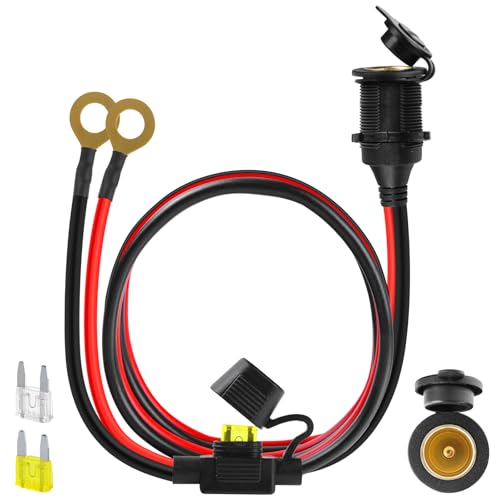
XIOGZAXI Cigarette Lighter Socket 3FT, 13AWG, 20A

Nilight QC 3.0 USB & PD Type C Charger and Cigarette Lighter Socket

acegoo 72W 3-Port RV USB Outlet, Surface Mount

acegoo 24W USB C Car Charger, Aluminum 12V USB Outlet

acegoo 78W 12V USB Outlet, 3 Port Fast Charging Aluminum
More Details On Our Top Picks
The Linkstyle kit arrives as a twin pack, which solves a problem most single-socket outlets ignore: outfitting more than one vehicle, or front and rear seats in a crew cab, without buying twice. Each socket houses two USB-A ports running on the QC 3.0 (Quick Charge 3.0) standard, which negotiates higher voltage with compatible phones so a near-dead battery gets meaningful juice in a lunch stop rather than a crawl.
A small blue LED voltmeter sits next to the ports, giving you a live read on your 12V or 24V battery. The tactile button switch is genuinely useful, since parasitic draw from always-on USB circuits is a real concern in vehicles that sit for weeks between drives. Owners who store campers seasonally will appreciate being able to cut the circuit completely.
What Pays Off
- Twin-pack format covers two vehicles or two cabin zones from one purchase.
- QC 3.0 ports recognize modern Android fast-charge protocols for noticeably quicker top-ups.
- Integrated voltmeter doubles as a battery health monitor during long trips.
- Hardwired button switch prevents phantom drain on stored RVs or boats.
Things To Consider
- USB-A only, so newer USB-C cables need an adapter for the latest iPhones and Android flagships.
- The included wiring pigtails are functional but short, which can complicate clean routing through dashboards.
Who It Suits Best
Multi-vehicle households and overlanders who want a matched pair of outlets without paying for two separate orders.
Skip It When
Single-port users who travel solo should look at the simpler acegoo 24W USB C Car Charger instead.
The Acegoo waterproof outlet leans into the harsh-environment crowd with an aluminum alloy body and a hinged cover that seals the ports when nothing is plugged in. Compared to the Linkstyle twin pack above, this one trades quantity for environmental hardening, which matters the moment you mount it on a center console exposed to spray or dust.
The port mix is modern and useful: a 30W Power Delivery (PD) USB-C for newer phones, tablets, and even small laptops, paired with an 18W QC 3.0 USB-A for legacy gear. Compared to the Nilight panel covered later, this Acegoo skips the traditional cigarette-lighter receptacle and focuses purely on USB, keeping the footprint compact.
The Helpful Details
- Hinged waterproof cover shields unused ports from road spray and salt air.
- 30W PD USB-C handles tablets and power-hungry phones that older USB-A sockets starve.
- Aluminum shell pulls heat away from the circuitry during long charging sessions.
- Two-piece pack suits dual-mount installs in trailers or boat cabins.
Honest Caveats
- No traditional cigarette lighter receptacle, so 12V plug-in accessories need their own socket.
- Waterproof rating helps against splashes, but submersion or pressure washing is not recommended.
Made For
Anglers, sailors, and overlanders who deal with rain, splash, and dust on a regular basis.
Look Elsewhere When
Shoppers who also need a classic 12V receptacle should consider the Nilight QC 3.0 USB & PD Type C Charger and Cigarette Lighter Socket.
The XIOGZAXI socket breaks from the rest of this list on purpose. There are no USB ports here at all, just a hardwired 12V receptacle on a 3-foot 13AWG (American Wire Gauge) copper lead with ring terminals and an inline fuse holder. For builders and tinkerers, that is exactly the point: this is raw infrastructure you splice into a fuse box or battery box to add a powered port anywhere.
The 20A rating (with a 25A fuse included) supports heavier accessories like heated blankets, air compressors, and small inverters that lighter-duty sockets struggle to handle. The cover and sealed body keep dust and water out, and the 3-foot lead gives you room to route cleanly behind a panel.
Useful Strengths
- 13AWG copper lead handles up to 20A continuous draw without voltage sag.
- Inline fuse holder adds a replaceable layer of circuit protection.
- Ring terminals make direct battery or bus-bar connections straightforward.
Things To Consider
- No USB output, so phones and tablets still need a plug-in car charger.
- Open-wire install requires basic electrical comfort and proper fuse sizing.
Best Suited To
DIY installers who want a permanent 12V outlet for high-draw accessories like compressors or inverters.
Consider Something Else When
Anyone wanting plug-and-play USB should step up to the Nilight QC 3.0 USB & PD Type C Charger and Cigarette Lighter Socket, which adds USB to a similar socket format.
The Nilight panel is the practical all-rounder of the group. It bundles a 12V cigarette-lighter receptacle with both a PD Type-C and a QC 3.0 USB-A port in one flush-mount housing, so you can run a phone, a dashcam, and a 12V cooler simultaneously. For van builds and UTV dashes where panel space is tight, that consolidation is genuinely useful.
The dual-standard USB pairing means newer USB-C devices charge at proper speeds while older cables still find a home. Nilight lists broad vehicle compatibility, covering 12V to 24V systems, which suits everything from a daily commuter to a 24V truck or marine bus bar.
Positive Takeaways
- Combined USB-C, USB-A, and 12V receptacle covers three device types in one cutout.
- Flush-mount panel looks tidy in custom dashes and consoles.
- Wide voltage range supports 12V cars and 24V commercial rigs from a single unit.
Points To Keep In Mind
- Charging speeds are functional rather than class-leading compared to the acegoo 78W outlet later in this list.
- Surface-mount installation needs a clean rectangular cutout and some wiring skill.
Who Should Grab It
Van lifers and trailer builders who want one tidy panel that handles modern phones and traditional 12V gear at the same time.
A Better Fit Elsewhere
If multi-device family charging is the priority, the acegoo 72W 3-Port RV USB Outlet delivers more simultaneous wattage for the same panel real estate.
The acegoo 72W outlet solves a problem most two-port designs ignore: when three people pile into a cabin with depleted phones, somebody gets left waiting. This unit ships with three ports, two PD (30W and 24W) and one QC 3.0 (18W), and the smart circuitry lets each port run independently at full speed.
That independent behavior is the real story. Many multi-port chargers share a single power budget and throttle everyone when more than one device is plugged in. For RV families running phones, tablets, and a hotspot on long weekends, that difference shows up at the campground, not on the spec sheet.
Everyday Perks
- Three independent ports keep charging speeds steady with all slots full.
- Mix of two USB-C PD and one USB-A QC 3.0 covers both modern and older cables.
- Surface-mount form factor installs without cutting a precise rectangular hole.
Things To Weigh
- Larger footprint than two-port models, so tight dashboards may need planning.
- No included 12V cigarette receptacle, unlike the Nilight panel reviewed earlier.
Perfect Match For
RV and boat households where multiple travelers want fast charging without fighting over outlets.
Swap It Out When
Two people and lighter gear are enough, in which case the acegoo 24W USB C Car Charger covers the basics at a smaller footprint.
The 24W acegoo is the minimalist of the family. Two ports, no cigarette lighter receptacle, no voltmeter, no switch. Just a PD 3.0 USB-C and a QC 3.0 USB-A, each capable of 24W output, in a compact aluminum housing. For commuters who already have a 12V receptacle and just want clean, fast USB charging without extra features, this is the kind of stripped-down option that earns its space.
The aluminum body is the same heat-dissipating alloy used in the larger acegoo outlets, so it runs cooler than the plastic-bodied alternatives during long summer drives.
The Upside
- Compact footprint tucks into tight dashes without dominating the panel.
- PD 3.0 USB-C handles modern phones and small tablets at proper speeds.
- Aluminum shell aids long-term heat management during continuous charging.
Some Limits To Know
- Lower per-port wattage than the 72W or 78W acegoo models in the lineup.
- No switch or cover, so it’s always drawing a small standby current when wired to a constant-on circuit.
Whose Shelf It Belongs On
Solo commuters and minimalists who want modern dual-port charging without the bulk of a multi-device panel.
Reach For A Different Pick When
Multi-device households should look at the acegoo 72W 3-Port RV USB Outlet, which adds a third port and higher combined output.
The 78W acegoo is the top-tier model in this lineup, and the spec sheet explains why. Two USB-C ports at 30W each, plus one USB-A QC 3.0 at 18W, deliver genuine full-speed charging on all three ports at once without throttling. For road-trip families and content creators running cameras, laptops, and phones off a vehicle battery, that headroom matters.
The CNC aluminum housing is the same heat-spreading approach used on smaller acegoo models, scaled up for higher continuous loads. Compared to the waterproof 30W model reviewed earlier, this one drops the hinged cover but gains serious wattage, a fair trade for installations where splash exposure is not a concern.
Real Benefits
- 78W combined output keeps three devices at full speed without shared-budget throttling.
- Dual USB-C PD handles power-hungry tablets, hotspots, and even small laptops.
- CNC aluminum body manages heat under sustained high draw.
Honest Caveats
- Higher output demands solid wiring and a reliable fuse upstream, especially in older vehicles.
- No waterproof cover, so open-cab or marine installs should look at the sealed 30W Acegoo model instead.
Built With In Mind
Power-hungry multi-device setups, content creators, and families who want the most headroom for current and future USB-C gear.
Where Another Pick Suits Better
Boaters and off-roaders should choose the Acegoo 12V USB Outlet 30W PD Type-C & 18W QC3.0 Waterproof for sealed-port protection in wet environments.
What Matters Most Before Choosing 12v Usb Outlets
Wattage And Port Standards
The first number to compare is total wattage, not the number of ports. A four-port charger at 30W shared is less useful than a two-port unit at 60W total. Look for PD (Power Delivery) on USB-C for modern phones and tablets, since legacy USB-A at 5W charges far slower. QC 3.0 on USB-A still helps older Android devices, but USB-C PD is the path forward for newer gear.
Vehicle Voltage And Wiring
Most cars run 12V systems, while many trucks, buses, and marine setups use 24V. Outlets that list 12V to 24V compatibility handle both without modification. For high-draw installs, gauge matters: 14AWG or thicker copper keeps voltage drop manageable over long wire runs. Inline fuse holders add a cheap, replaceable layer of protection that is worth having.
Environmental Sealing
Open dashes and interior panels tolerate plastic-bodied outlets just fine, but marine consoles, motorcycles, and exterior trailer mounts benefit from sealed covers and aluminum housings. Waterproof covers keep salt spray and dust off the contacts when nothing is plugged in, extending service life in harsh environments.
Installation Style
Flush-mount panels look tidy but require a clean cutout and some panel work. Surface-mount units bolt onto an existing flat surface with minimal fabrication. For builders who want full control, a hardwired socket with ring terminals (like the XIOGZAXI option above) wires directly to a battery or fuse block.
Key Considerations Across These Picks
Where Shoppers Go Wrong
The biggest mistake is buying a multi-port charger that shares a single power budget across all ports. The spec lists four ports, but plug in three devices and each drops to a third of the rated wattage. Independent port circuitry, like the acegoo 72W and 78W models use, avoids that trap. Another common miss is forgetting the wiring: a high-wattage outlet fed by undersized cable creates voltage drop and heat, which shortens the life of both the outlet and the device battery.
What The Higher Tier Buys
Spending more on a premium outlet typically buys aluminum housings for heat dissipation, independent port circuitry, and broader voltage compatibility. For someone charging a single phone on short commutes, that is overkill. For families running three devices on a summer road trip, the extra headroom prevents the slow-charge bottleneck that ruins the experience. The 78W acegoo and waterproof Acegoo models both justify their step up through those specific, tangible benefits.
Frequently Asked Questions
Can I install a 12V USB outlet myself?
Most surface-mount and panel-mount units are within reach of someone comfortable with basic wiring, a fuse tap or ring terminal connection, and a multimeter. Hardwiring directly to a battery should include an inline fuse sized to the outlet’s rating.
Will a USB-C PD outlet charge a laptop?
Some PD outlets deliver enough wattage (45W to 60W) to charge smaller laptops, but the 30W units in this list handle tablets and phones comfortably. Check the laptop’s required input wattage before relying on a 12V USB outlet as a primary charger.
Do I need a special outlet for 24V systems?
Outlets that list 12V to 24V compatibility handle both systems without modification. Units rated only for 12V should not be installed on 24V batteries, since the higher voltage can damage the internal circuitry.
How do I prevent battery drain when the vehicle is parked?
Choose an outlet with a physical switch, or wire the unit through an ignition-only circuit so it loses power when the key is off. The Linkstyle twin pack above includes a button switch specifically for this purpose.
Is aluminum really better than plastic?
Aluminum pulls heat away from internal components during long charging sessions, which extends the life of the circuitry. For intermittent commuter use, plastic-bodied outlets perform similarly. In hot cabins or continuous high-wattage charging, aluminum holds up noticeably better over time.
Closing Remarks
The right 12V USB outlet depends on how many devices you carry, where the unit will live, and whether splash or dust are part of the daily picture. Solo commuters get by with compact two-port designs, while families and content creators benefit from independent multi-port circuits. Match the build to the environment, and the rest takes care of itself.
