

Lithium iron phosphate batteries have quietly become the default upgrade for everything from weekend camper vans to garage-stored classics. A standard lead-acid charger will cook them, so picking the right 12v LiFePO4 charger keeps those expensive cells healthy for years. I put together this roundup for hobbyists, RV owners, and anyone running a small solar setup who wants a charger that actually matches how LiFePO4 wants to be charged.
A Quick View Of The Lineup

Victron Energy Blue Smart IP65 Battery Charger 12V 7A

CTEK CT5 12V Battery Charger Maintainer
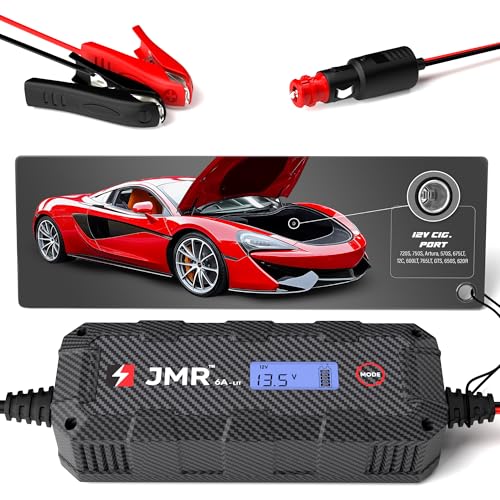
JMR 12V Battery Charger for McLaren

Jovialpoa 12V 20A Lithium Battery Charger
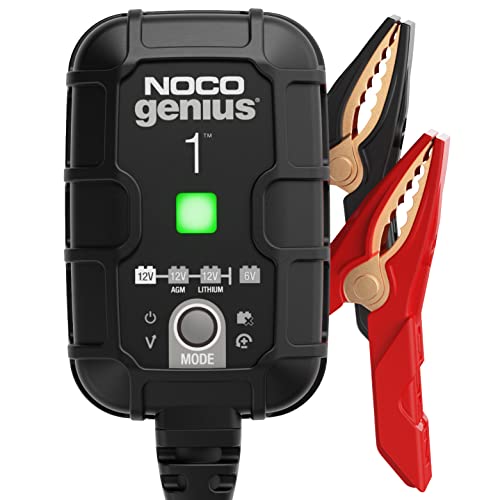
NOCO GENIUS1 1A 6/12V Smart Charger

NOCO GENIUS10 10A 6/12V Smart Charger

NOCO GENIUS5 5A 6/12V Smart Charger
More Details On Our Top Picks
Victron’s Blue Smart IP65 sits at the top of this list for a reason: it pairs a sealed, water-resistant housing with built-in Bluetooth, which means I can check charging progress from the driveway without lifting the hood. The 7A output is a comfortable middle ground for daily-driver cars and small camper batteries, charging faster than a 1A maintainer without stressing larger cells. For anyone who likes data and wants to know exactly what their LiFePO4 pack is doing, the Victron Connect app adds a layer of visibility most rivals skip.
The trade-off shows up in the price tag, which runs noticeably higher than a basic NOCO trickle unit. For owners running one or two vehicles who value app-based monitoring, the extra spend tends to feel justified. If you just need to keep a battery topped off in storage, the Victron may be more charger than you need.
What Stands Out
- Built-in Bluetooth pairs with the Victron Connect app for live voltage and current readouts.
- IP65-rated sealed housing handles damp garages and outdoor mounting reasonably well.
- Seven-stage charging algorithm suits both LiFePO4 and traditional lead-acid chemistries.
- Seven-amp output cuts charge times noticeably versus small 1A maintainers.
Honest Caveats
- Pricing sits well above basic trickle chargers in the same amp range.
- App setup takes a few minutes and requires a modern phone, which may frustrate less tech-savvy owners.
- Lead-acid and LiFePO4 modes must be manually selected, so a misclick on the wrong profile could send the wrong curve to the battery.
Feature Snapshot
Made For
Tech-friendly owners who want app-based visibility and a sealed housing for indoor or sheltered outdoor use.
Consider Something Else When
Shoppers keeping things simple may prefer the NOCO GENIUS1, which strips out the app and focuses purely on quiet maintenance charging.
The CTEK CT5 earns its spot for owners who don’t run a single-chemistry fleet. It happily charges lead-acid, AGM, and 12V LiFePO4 batteries, which makes it a sensible choice for a garage that mixes a modern motorbike with a classic car and a small lithium accessory pack. Its Recond mode can help recover deeply discharged lead-acid batteries, a feature most LiFePO4-only chargers skip entirely.
For LiFePO4-specific charging, the CT5 uses a dedicated lithium profile that handles the chemistry’s voltage needs without overcooking cells. Owners commonly report that the unit runs quiet on a workbench and survives years of seasonal use. The catch is a lower amperage than bulkier models, so plan on overnight charging for larger packs.
The Value In It
- Compatible with lead-acid, AGM, gel, and 12V LiFePO4 chemistries.
- Built-in Recond mode helps revive deeply discharged lead-acid batteries.
- Automatic temperature compensation adjusts output for colder workshops.
- Spark-free clamp design reduces risk during hookup in tight engine bays.
Small Caveats
- Charging current sits lower than dedicated 10A or 20A lithium units, so bigger packs take longer.
- Included lead-acid-only default mode means you must remember to switch profiles before charging lithium.
- No Bluetooth or app integration, which may disappoint data-driven users.
Who It Suits Best
Multi-vehicle households juggling motorcycles, ATVs, and cars with mixed battery chemistries.
Skip It When
Owners running large LiFePO4 banks will get faster turnaround from the Jovialpoa 12V 20A unit.
This Juice My Ride charger solves a problem most people never think about: McLaren’s battery access can be awkward, and pulling panels just to plug in is annoying. The JMR uses a 12V cigarette lighter plug-and-play adapter designed for the brand’s designated charging port, so no battery access is required. The “Add Lithium Mode” lets it switch from AGM to LiFePO4 charging without swapping hardware.
It is, by design, a specialty tool. Outside the McLaren ecosystem, the same approach won’t translate to other vehicles. If you own a 720S, 750S, 570S, 765LT, GT, or similar non-electric McLaren, it removes a real point of friction. For anyone else, this is the wrong pick.
Bright Spots
- Cigarette-lighter plug eliminates the need to access the battery directly.
- Lithium mode supports LiFePO4 alongside AGM, lead-acid, gel, and calcium chemistries.
- Model-specific fit avoids guesswork for McLaren owners.
- Compact form factor stows easily in a garage corner or travel bag.
Factors To Consider
- Fitment is limited to specific McLaren models and won’t suit other exotics.
- Charging rate is modest, so expect long overnight sessions for deeply discharged packs.
Quick Facts
Whose Shelf It Belongs On
McLaren owners who want a clean, no-fuss way to maintain their car’s battery through long storage periods.
A Better Fit Elsewhere
Anyone without a McLaren should look at the CTEK CT5 for broader multi-chemistry coverage.
When the battery bank gets serious, the Jovialpoa 20A steps in with the kind of current most consumer chargers can’t match. It’s built around a 14.6V output tailored to 12V LiFePO4 packs and adds a 0V activation feature for batteries shut down by their BMS, which is the protection circuit inside the pack. For an RV or off-grid solar setup running 100Ah to 300Ah of capacity, this unit chews through charging cycles in a fraction of the time a 5A trickle box would take.
Universal 100-240V AC input means international travel isn’t a problem, and owners commonly report that the cooling fan stays reasonably quiet under load. The trade-off is size and weight, plus a less polished user interface than premium brands. For raw power-per-dollar on big lithium banks, though, this charger delivers.
Reasons It Performs
- 20A output handles 100Ah-300Ah LiFePO4 banks in realistic timeframes.
- 0V activation mode can recover BMS-protected batteries that appear fully dead.
- Universal 100-240V AC input supports use in different electrical environments.
- 14.6V charging voltage matches standard 12V LiFePO4 absorption targets.
Things To Weigh
- Larger and heavier than 5A-class maintainers, so it’s not a glovebox-friendly unit.
- Cooling fan noise is noticeable during heavy charging sessions.
- Interface and indicators are functional but lack the polish of premium brands.
Feature Snapshot
Right Fit For
Solar, RV, and marine owners running sizeable LiFePO4 banks who want genuinely fast turnaround.
Reach For A Different Pick When
Owners of a single small car battery should look at the NOCO GENIUS5, which is sized for that workload.
The NOCO GENIUS1 is the smallest member of this roundup, and that’s exactly the point. It delivers a 1A trickle-style charge for batteries up to around 30Ah, which covers motorcycles, lawn tractors, and small LiFePO4 accessory packs. Owners tucking a car away for winter find it ideal: clamp it on, walk away, and the unit quietly maintains the pack for months without overcharging.
Force mode lets the GENIUS1 attempt to recover deeply discharged batteries, and the unit supports 6V and 12V lead-acid plus LiFePO4 chemistries. For anyone who values a tiny footprint more than fast charging, this little box earns its space on the shelf.
A Favorable Mix
- Compact housing fits inside a toolbox or glovebox.
- Supports 6V and 12V lead-acid plus 12V LiFePO4 batteries up to 30Ah.
- Force mode can attempt recovery on deeply discharged packs.
- Operates cool and quiet during long-term maintenance sessions.
Points To Keep In Mind
- 1A output is too slow for any meaningful recovery on car-sized batteries.
- Clamps and leads feel light compared to higher-amp NOCO models.
Feature Snapshot
Best Suited To
Storage owners with small batteries on motorcycles, ATVs, or classic toys that need gentle, long-term maintenance.
Look Elsewhere When
Anyone charging full-size car batteries regularly will find the NOCO GENIUS10 a better fit for the workload.
The GENIUS10 is the workhorse of the NOCO lineup, replacing the older G7200 with a smaller housing and noticeably more capability. Ten amps handles batteries up to around 230Ah, which covers everything from a family SUV to a sizeable LiFePO4 deep cycle. Temperature compensation adjusts the charging curve for hot engine bays or chilly garages, and a built-in desulfator helps recover lead-acid batteries that have sat neglected.
For owners who want one charger to cover both bulk charging and long-term maintenance, the GENIUS10 strikes the most balanced note in this lineup. Force mode lets it attempt recovery on deeply discharged cells, and overcharge protection means it can stay connected indefinitely. Compared with the Jovialpoa, it trades raw amps for a more polished interface.
Everyday Wins
- 10A output suits batteries up to around 230Ah, including larger LiFePO4 packs.
- Temperature compensation adjusts voltage for climate variation.
- Desulfation mode helps revive neglected lead-acid batteries.
- Overcharge protection supports indefinite connection in storage.
Practical Considerations
- Costs more than the smaller GENIUS5 for capability casual users may not need.
- Force mode recovery is hit-or-miss on severely damaged cells.
- For LiFePO4 banks over 230Ah, the Jovialpoa 20A finishes faster.
Who Should Grab It
Owners who want a single charger that handles cars, trucks, and mid-sized LiFePO4 banks across seasons.
Where Another Pick Suits Better
Shoppers running truly large off-grid banks will appreciate the heavier-duty 20A output of the Jovialpoa unit.
The GENIUS5 sits squarely in the middle of NOCO’s smart-charger family, and for most everyday vehicles, that’s exactly the right place. Five amps handles batteries up to around 120Ah comfortably, which covers the vast majority of cars, crossovers, and small LiFePO4 upgrades. Owners commonly report that the smaller housing fits more neatly on a workbench than the larger GENIUS10 while still delivering useful bulk-charge speed.
Like its siblings, the GENIUS5 supports 6V and 12V lead-acid plus LiFePO4 chemistries, with overcharge protection that allows indefinite connection. For shoppers torn between the GENIUS1 and the GENIUS10, the GENIUS5 is often the sweet spot. It charges faster than the 1A model without the higher cost of the 10A unit.
Positive Takeaways
- 5A output is well-matched to typical 120Ah car batteries.
- Compact housing is smaller than older NOCO designs in this amp range.
- Multi-chemistry support covers lead-acid, AGM, gel, and LiFePO4 cells.
- Overcharge protection enables worry-free long-term connection.
Possible Compromises
- Charges slower than the 10A GENIUS10 on larger battery banks.
- May feel underpowered for RVs and off-grid setups over 120Ah.
Perfect Match For
Daily drivers and weekend garage projects where a balanced amp rating matters more than maximum speed.
Swap It Out When
Owners needing more current for larger LiFePO4 banks should move up to the NOCO GENIUS10.
What To Weigh Before Picking A 12v LiFePO4 Charger
Match The Amperage To The Battery Size
A charger’s amp rating, which is how much current it pushes into the battery per hour, should track your battery’s capacity, measured in amp-hours (Ah). A 1A trickle unit like the NOCO GENIUS1 works on small 10Ah-30Ah packs, while a 10A charger like the GENIUS10 handles 100Ah-200Ah batteries comfortably. Going too small just means longer charge times, while going too big can stress smaller cells if the charger’s absorption stage isn’t well tuned. For most daily drivers, 5A hits a comfortable middle ground.
Look For A Real LiFePO4 Profile
A “lithium-compatible” label isn’t always enough. Chargers worth considering run a dedicated LiFePO4 profile with the right absorption voltage (typically 14.4V-14.6V) and a float stage suited to lithium chemistry, which is the type of battery chemistry, defining how voltage and current behave during charging. Cheaper multi-mode units may default to lead-acid curves and silently cook a LiFePO4 pack over months. Every pick in this roundup lists LiFePO4 support, but always double-check the profile matches your specific battery’s spec sheet.
Plan For Storage And Seasonal Use
If you’re parking a car, boat, or camper for weeks at a time, a maintainer-style charger earns its place. Look for overcharge protection and the ability to stay connected indefinitely without damaging the battery. For shop environments, sealed or IP-rated housings (an Ingress Protection rating that rates dust and water resistance) keep the unit safe from incidental moisture. The Victron IP65 and most NOCO models handle dusty or mildly damp garages without complaint.
Decide How Much Visibility You Want
Some owners just want to clamp and forget, while others enjoy watching voltage curves on a phone app. Bluetooth-enabled chargers like the Victron Blue Smart add real-time data and historical logging for those who want it. If data isn’t your thing, a plain LED-indicator unit like the NOCO GENIUS5 keeps things simple. Neither approach is wrong, just pick the one that matches how you’ll actually use it.
Things To Think About Before You Commit
Mistakes Worth Dodging
The single biggest misstep is assuming any 12V charger will handle LiFePO4 safely. Lead-acid charging curves push higher absorption voltages and use equalization stages (controlled overcharges that balance lead-acid cells) that can damage lithium cells over time. Always confirm the charger has an actual LiFePO4 mode, not just a generic “lithium” label. Another common trap is undersizing amperage for large battery banks, leading to overnight charge times that never quite finish.
Where The Extra Money Goes
Stepping up to a more expensive charger usually buys three things: higher amperage for faster charging, app-based monitoring, and better build quality. The Victron Blue Smart earns its premium through Bluetooth visibility and a sealed IP65 housing. The Jovialpoa 20A justifies its price with raw charging power for big banks. For most owners, the upgrade is worth it when the charger handles daily use across multiple vehicles or larger packs. For a single small battery in storage, a budget NOCO GENIUS1 does the job without fanfare.
Frequently Asked Questions
Do LiFePO4 batteries need a special charger?
Yes. LiFePO4 cells want a specific absorption voltage (around 14.4V-14.6V) and no equalization stage, which is a controlled overcharge step used in lead-acid charging to balance cell voltages. A standard lead-acid charger can push them too high over time and shorten their lifespan. Every pick in this roundup lists LiFePO4 support, but always confirm a dedicated profile before connecting.
Can I leave a LiFePO4 charger connected all winter?
Modern smart chargers with overcharge protection and a proper float stage (a low-voltage stage that keeps a battery topped off without overcharging it) can stay connected indefinitely without harm. Units like the NOCO GENIUS line and the Victron Blue Smart are designed for exactly this kind of long-term maintenance. Cheaper chargers without true float logic should be unplugged once the battery is full.
What size charger do I need for a 100Ah LiFePO4 battery?
For a 100Ah pack, a 10A to 20A charger will refill it in roughly five to ten hours from empty. A 5A unit will work but takes closer to twenty hours, which can feel slow if you cycle the pack regularly. For batteries under 50Ah, a 5A charger like the NOCO GENIUS5 is more than enough.
Is a higher amp charger always better?
Not necessarily. Bigger amps shorten charge times but also generate more heat and cost more. For a small powersport battery, a 20A charger is overkill and may complicate storage. Match the charger to the battery’s capacity rather than buying the biggest amp number you can find.
Can these chargers revive a dead LiFePO4 battery?
Sometimes. Chargers with a 0V activation mode, like the Jovialpoa, can wake packs that the BMS, the Battery Management System inside the pack, has shut down for protection. If the cells are physically damaged or deeply discharged for months, no charger will bring them back. Always check cell voltage before assuming recovery is possible.
Closing Remarks
Pick a charger that matches how you actually use your battery, whether that’s a 1A maintainer for winter storage or a 20A unit for a busy solar bank. The right 12v LiFePO4 charger pays for itself by keeping your lithium cells healthy for years rather than months.
