

Running a Starlink dish from a battery bank, a vehicle socket, or a wall outlet halfway across a campsite shouldn’t feel like solving a puzzle. I’ve spent time digging through the options, and the six adapters below cover the most common ways people power their dishes off the beaten path. Each one solves a different headache, from bulky power bricks to finicky voltage drops, so the right match depends on where you actually plan to use it.
The Shortlist At A Glance

Gen 3 Power Supply Adapter for Starlink Gen3

Starlink Mini Power Supply Adapter 30V 60W

12V to 57V Step Up Conversion for Starlink Gen 3

Starlink Mini 12V Battery Adapter 30V Step Up

11FT Starlink Mini 12V Car Charger 30V
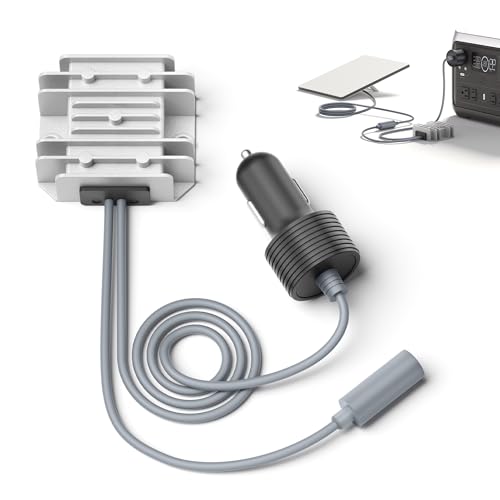
Starlink Mini Car Adapter 12V to 30V 3.5A
A Breakdown Of The Leading Choices
For anyone running a rectangular Gen 3 dish at home, this adapter is the closest thing to a no-brainer on the list. The 195W output and 57V target match what the dish expects, and the 10-foot DC cable included in the kit gives real room to position the dish without pinning the brick against the wall. Compared to the Mini-specific options lower in the lineup, this one focuses purely on plug-and-play wall power rather than mobile battery setups.
It earns the top spot because it does the simple job very cleanly. There’s no need to wire up alligator clips or worry about cigarette lighter sockets; just connect it to the dish and the original Gen 3 router and go. For stationary home and office installations, that straightforward approach usually beats the extra versatility of the step-up converters.
Benefits That Matter
- True plug-and-play: no clamps, no wiring, just connect and the dish powers up.
- 195W output comfortably covers typical Gen 3 draw with headroom for cold-start surges.
- 10-foot DC lead gives flexibility for placing the dish on a roof or pole away from the outlet.
- Native 57V target matches Gen 3 expectations, so no step-up conversion is required.
Honest Caveats
- Tied to wall power; not useful for RV, boat, or off-grid battery users.
- The brick itself is bulkier than typical Mini chargers, so plan a spot behind the desk or media console.
Built With In Mind
Home and small office owners who already own a Gen 3 dish and want a clean replacement brick that just works without any setup fuss.
Reach For A Different Pick When
Campers and overlanders running off 12V batteries should look at the 12V to 57V Set Up Conversion instead, since it handles direct battery inputs.
This is the wall-plug answer for the smaller Starlink Mini dish. The 30V at 2A delivers 60W, which sits right at the Mini’s appetite, and the included 3-meter DC cable reaches roughly 10 feet for flexible placement. Where the Gen 3 adapter above leans into raw wattage, this one prioritizes a tidier footprint that won’t dominate a desk or shelf.
It’s a solid match for someone who treats the Mini as a desktop or patio dish. The longer lead also helps when the nearest outlet is across the room from where the dish has line of sight to the sky.
Everyday Wins
- 60W output matches the Mini’s typical draw without overspec cost or bulk.
- 3-meter waterproof DC cable reaches distant outlets without an extension cord.
- Compact wall-plug form factor slips behind furniture without complaint.
- Included cable saves the hassle of buying a compatible one separately.
Trade-Offs To Consider
- Only useful for the Mini dish; won’t power a full-size Gen 3 unit.
- Tied to AC mains, so travelers will still need a DC option for vehicles.
Right Fit For
Starlink Mini owners who run their dish from a wall outlet at home, in a small office, or at a fixed RV site with shore power.
Skip It When
Anyone needing to run a Mini from a vehicle socket should pick the 11FT Starlink Mini 12V Car Power Supply Adapter instead, since it plugs straight into a 12V cigarette lighter.
Quick Facts
This is the pick for off-grid Gen 3 owners. The converter takes a 12V to 24V input from a battery, solar generator, or car electrical system and steps it up to 57V at up to 4.5A. Dual 14AWG input wires with red and black leads clamp directly to a battery’s positive and negative terminals, no cigarette socket required. Where the wall adapters above depend on AC, this one unlocks true remote operation.
The boost design also helps fight the voltage drop problem that plagues long DC cable runs. Even at the end of a long lead to a pole-mounted dish, the dish still sees stable voltage, which matters when the connection drops every time the converter sags.
Useful Highlights
- Direct battery connection via alligator clamps means no inverter needed.
- Up to 256W output handles cold-start peaks without flinching.
- 12V-24V wide input range works with most deep-cycle and vehicle batteries.
- Boost design resists voltage sag on long cable runs to roof or pole mounts.
- Useful for solar generator setups where 12V DC is the native output.
Worth Bearing In Mind
- Gen 3 only; not compatible with the smaller Mini dish’s 30V requirement.
- Owners commonly report needing to verify polarity carefully before clamping to avoid reversed-power damage.
- More setup steps than a wall adapter, which may intimidate first-timers.
Who Will Love This
Off-grid homeowners, overlanders, and anyone running a Gen 3 dish from a deep-cycle battery, solar generator, or vehicle bank.
A Better Fit Elsewhere
Starlink Mini owners on the go should consider the Starlink Mini 12V Battery Adapter, which targets the Mini’s 30V profile rather than Gen 3’s 57V.
Feature Card
If the Gen 3 step-up converter is the heavy-duty truck of off-grid power, this Mini version is the backpack-friendly hatchback. It accepts 12V to 24V input and steps it up to the Mini’s 30V at 2A, alligator clips included for direct battery hookup. The unit is small enough to slip into a backpack or RV cubby without claiming much real estate.
Where the car chargers lower in this roundup rely on a cigarette socket, this adapter pulls straight from the battery. That matters for boondockers with portable lithium packs and no vehicle in play.
What Pays Off
- Direct battery clamps make it inverter-free for portable power stations.
- Compact housing slips into tight storage spaces during transit.
- Built-in protections guard against overload, overvoltage, overheating, and shorts.
- 2-meter DC cable is included, so no extra parts to chase down.
Less Ideal Details
- 2A output caps sustained use; heavy weather may push the Mini closer to its limit.
- Alligator clips require occasional cleaning on terminals that see corrosion.
The Right Fit
Travelers running a Mini from a portable lithium power station, RV house battery, or marine cell while camping or working remotely.
Look Elsewhere When
Drivers who simply want to plug into the dash should pick the 11FT Starlink Mini 12V Car Power Supply Adapter, which uses the lighter socket instead of bare clamps.
The 11-foot cable on this car charger is the headline feature, and it earns its place for anyone mounting the dish on a vehicle roof. Plug it into the cigarette lighter, route the cord up the door frame or through a weatherproof gland, and the dish gets clean 30V power without stretching the cab. Compared to the bare alligator-clip adapters above, this one trades direct battery access for a much simpler plug-and-drive experience.
For weekenders who don’t want to crack open the dashboard or wire a dedicated battery feed, the lighter-socket approach keeps installation truly portable.
The Upside
- 11-foot cable reaches roof racks, toppers, and rear-window mounts with slack to spare.
- Cigarette lighter plug means no tools, no clamps, no splicing.
- Stable voltage boost keeps the Mini online across rough roads and idle periods.
- Stows quickly when transitioning between vehicles or travel days.
Points To Note
- Depends on the vehicle’s lighter socket being live with ignition on or switched correctly.
- Longer cable runs can pick up radiated noise in some setups; routing away from radio harnesses helps.
- Engine-off use will drain the starter battery over time.
Who Should Grab It
RVers, overlanders, and tailgaters who mount the Mini on a roof rack and want a simple lighter-socket hookup with generous cable reach.
Swap It Out When
Runners of higher-draw setups or larger vehicles should look at the Starlink Mini Car Adapter DC Step Up Converter for its 3.5A headroom.
Feature Snapshot
The last adapter on this list pushes the most current to the Mini dish: 3.5A at 30V versus the 2A cap on the previous car option. That extra headroom matters on buses, boats, and trucks where voltage swings are wider and the dish has to fight through tougher conditions. The PVC composite shell and aluminum converter housing are designed to shed water and dust, which helps when the cable runs along an exposed exterior surface.
Most casual users won’t need this much output, but for anyone pushing the Mini hard in a work truck or commercial vehicle, the higher current ceiling is the difference between steady throughput and dropped connections under load.
Points In Its Favor
- 3.5A output gives solid headroom for sustained Mini use in demanding environments.
- Waterproof housing tolerates dust, splash, and UV exposure on exterior runs.
- 12V-24V wide input covers cigarette sockets in cars, trucks, buses, and marine craft.
- Stable voltage output reduces dropouts during idle or rough terrain.
- Compact form factor keeps the converter out of the way once installed.
Some Limits To Know
- Owners commonly report that running the engine-off will drain the vehicle battery, so pairing with a house battery is wise.
- Higher output means slightly more heat under heavy load, so avoid enclosed mounting spots.
Best Suited To
Fleet drivers, marine operators, and overlanders running a Mini dish in trucks, buses, or boats where extra current headroom is worth the slightly larger housing.
Where A Sibling Pick Shines
Casual weekend RVers who don’t need the extra amperage will be happier with the lighter, simpler 11FT Starlink Mini 12V Car Charger above.
Matching The Right Adapter To Your Power Source
The first decision is whether you’re plugging into a wall outlet or running off a battery. Wall-plug adapters like the Gen 3 unit and the 30V Mini version assume AC mains are available, which fits fixed homes, offices, and RV parks with shore power. Battery-side adapters, including the 12V to 57V conversion and the Mini 12V battery unit, are the right call for solar generators, deep-cycle batteries, and remote setups where no wall exists. Cigarette-lighter adapters split the difference for vehicle use without requiring any wiring.
Cable thickness and length matter more than most shoppers expect. Voltage drop on long DC runs is real: a thin 22AWG lead over 20 feet can starve the dish and cause drops even when the source is healthy. Look for 14AWG to 18AWG wire, especially on long roof or pole runs, and prefer adapters that include waterproof cabling if any portion runs outdoors.
Output current headroom is the next filter. The Starlink Mini asks for around 30V at 2A under typical draw, but cold starts and weather conditions can push that higher. A 2A adapter usually suffices for casual use, while 3.5A units give more breathing room in commercial or marine settings. For Gen 3, the wattage target is much higher, so a 195W or 256W adapter is appropriate.
Finally, think about protection circuitry. Overload, overvoltage, overheating, and short-circuit protection are standard on the better units here, and they prevent a bad battery or a miswired clamp from damaging the dish. For travelers and anyone new to DC power, those safeguards turn a small mistake into a recoverable event rather than a fried router.
Smart Shopping Habits For DC Power Gear
Pitfalls Shoppers Hit
A common misstep is grabbing an adapter designed for the wrong dish generation. Gen 3 expects 57V, the Mini expects 30V, and mixing them either fails to boot or risks hardware damage. Always confirm dish compatibility in the listing before clicking buy. Another trap is underestimating cable length. Measure the route from the power source to the dish mount before choosing, then add at least a couple of feet of slack for routing and service loops.
When Paying More Pays Off
Higher-tier adapters in this category tend to add genuine current headroom, better waterproofing, and more robust internal components. For a casual weekend user, the value pick usually wins. For someone running the dish daily in a work truck or marine environment, the extra dollars translate directly into fewer dropouts and longer service life. The honest read is that paying up makes sense when the dish is mission-critical, and a basic unit is fine when it’s a backup or hobby setup.
Frequently Asked Questions
Can I use a Gen 3 power adapter with a Starlink Mini?
No, Gen 3 adapters output around 57V while the Mini expects 30V. The voltages are not interchangeable, so always pick an adapter labeled for your specific dish.
Do these adapters work with solar generators?
Yes, units with 12V to 24V DC input like the Mini battery step-up and the Gen 3 converter clamp directly to most solar generator outputs. Just confirm the generator has a 12V DC port or Anderson-style outlet before buying.
How long can the DC cable be without losing performance?
Most 18AWG cables run reliably up to about 25 feet. For longer runs, choose a thicker 14AWG cable or a converter with active voltage boost to compensate for drop.
Will a car charger drain my vehicle battery?
Yes, any lighter-socket adapter will pull from the starter battery when the engine is off. For idle use, wire to a house battery or portable power station instead.
Is waterproofing important if the cable runs indoors?
Not strictly, but any exterior portion exposed to rain, snow, or road splash benefits from waterproof cabling and sealed connectors. Indoor-only runs can usually use standard jackets.
Closing Thoughts
The right 12 Volt DC adapter depends entirely on where the dish lives. Wall-plug owners get the cleanest experience with the Gen 3 and Mini wall adapters. Off-grid users get the most flexibility from the step-up converters and alligator-clip battery units. Drivers get the easiest install from the cigarette-lighter models, with the 3.5A version standing ready for heavier use. Match the dish, match the power source, and check the cable gauge. That’s the path to a setup that just keeps working.
