

Off-grid living has shifted from a fringe experiment into a practical weekend setup, and most of the people I talk to are running more gear than their old inverter was built for. Laptops, phone chargers, small kitchen appliances, CPAP machines, and the occasional induction cooktop all add up fast, and a weak inverter will quietly trip or overheat under that load. The picks below sit near or above the 700W mark because that range tends to handle a real household mix without overpromising.
A Side-By-Side Look

Renogy Inverter P2 1000W Pure Sine Wave Inverter 12V DC to 120V AC

Renogy Inverter P2 2000W Pure Sine Wave Inverter 12V DC to 110V AC Converter

FOVAL 1500W Pure Sine Wave Inverter 12V DC to 110V AC Converter
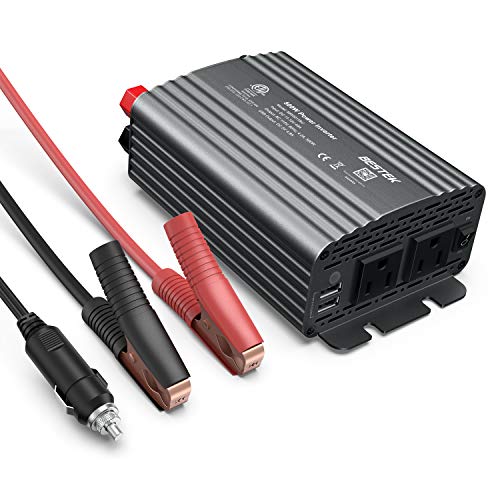
BESTEK 500W Power Inverter for Vehicles DC 12V to AC 110V

TOPBULL 4000W Power Inverter 12V DC to 120V/110V AC for Vehicles
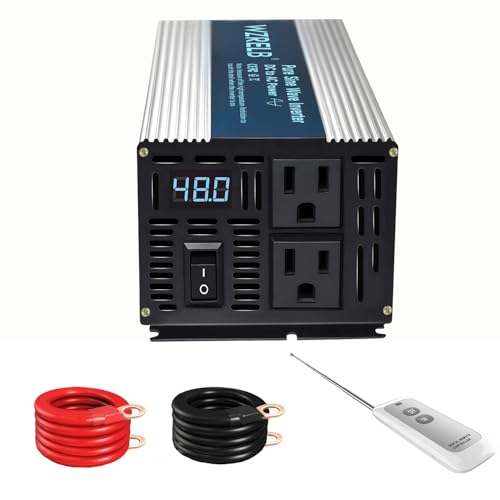
WZRELB 1000W Pure Sine Wave Inverter 48V DC to 110V 120V AC
The Picks, Examined More Closely
The Renogy P2 1000W is the kind of inverter that quietly becomes the household default for off-grid setups. It pushes a clean pure sine wave, which matters because modified sine units tend to make sensitive electronics hum, run hotter, and occasionally fail sooner. I like this one for an RV or a small cabin where someone might plug in a laptop, a phone charger, and a small fan at the same time without thinking about it.
The build feels solid for the size, and the included remote is genuinely useful when the inverter lives under a bench or behind a panel. Compared to the larger P2 you’ll see in pick 2, this one trades away headroom for a smaller footprint, which is the right call for tight installs. The trade-off shows up the moment you try to run a microwave or a kettle; those inductive loads (appliances with motors or heating elements) spike past 1000W on start-up, so the unit will complain or shut down.
Where It Excels
- Pure sine output plays nicely with laptops, CPAP machines, and audio gear, reducing noise and long-term wear.
- Built-in 5V/2.1A USB port removes the need for a bulky wall adapter on the road.
- AC hardwire port gives a cleaner permanent install in a cabin or van build.
- Remote controller saves you from crawling into a cabinet to check status.
- Multiple LED indicators warn about under-voltage, over-voltage, and overload before damage happens.
Trade-Offs Worth Knowing
- 1000W continuous rating caps the appliance list; a microwave and a kettle won’t run together.
- Cooling fans can run audibly under sustained load, which matters in a quiet sleeping area.
- Owners commonly report needing a properly sized fuse and thick cabling for safe install.
Key Specs
Made For RV Owners
RV and van dwellers running mixed electronics on a 12V bank get the cleanest match here, especially when paired with a proper fuse and gauge wire.
Consider Something Else When
The TOPBULL 4000W Power Inverter in pick 5 suits job-site users running heavier tools or induction cooking on a regular basis.
The bigger sibling in Renogy’s P2 line doubles the continuous output to 2000W, which changes the conversation from “what can I run” to “what can’t I run.” For a workshop or a small off-grid office, that headroom matters because power tools and small kitchen appliances rarely sip. You can fire up a microwave, charge tool batteries, and keep a laptop alive on the same unit without juggling plugs.
The hardwire port and remote carry over from the 1000W version, so the install story stays familiar. Compared to pick 1, this unit pulls noticeably more current from the battery at peak, which is the catch anyone running a smaller battery bank should think through. With heavy inductive loads, you may find the fans working harder than expected during long sessions.
What Works In Its Favor
- 2000W continuous handles microwaves, small air compressors, and induction burners in a pinch.
- 4000W peak surge absorbs the worst start-up spikes from refrigerators and pumps.
- Pure sine output keeps motors and electronics running cooler and quieter.
- Remote controller simplifies monitoring when the unit lives behind a panel.
- Hardwire terminals allow a clean, code-friendly permanent install.
Points To Keep In Mind
- Heavier cabling and a higher-amp fuse are essentially mandatory at this draw level.
- It demands a healthy battery bank; a small leisure battery will drain alarmingly fast.
- The unit runs warm under sustained load, so mounting airflow matters.
Built With Workshops In Mind
Shed-based makers, hobby woodworkers, and small-office off-gridders running power tools get the most use out of this rating.
Look Elsewhere When
Light travelers should grab the BESTEK 500W Power Inverter in pick 4 instead, since 2000W is overkill for charging phones in a sedan.
FOVAL’s 1500W unit slots between Renogy’s two P2 models, but the headline feature is the LCD display, which gives real-time voltage, wattage, and error codes instead of a handful of mystery LEDs. For someone learning off-grid power for the first time, that visibility is genuinely useful. You can watch the battery sag under load and learn how much a kettle actually costs you in amp-hours.
The two AC outlets cover most small appliance pairings, and the included remote keeps you out of tight mounting spots. Where it lands compared to pick 2 is on surge headroom; 3000W peak is generous but a touch lower than the Renogy 2000W’s 4000W figure. Depending on your fridge compressor, that single number could be the deciding factor.
Notable Upsides
- LCD readout turns the unit into a teaching tool for new off-gridders.
- 1500W continuous sits in a comfortable middle ground for most households.
- Pure sine waveform protects sensitive electronics and motor-driven gear.
- Remote controller saves trips to awkward install locations.
Honest Caveats
- Peak surge of 3000W is lower than some rivals, which matters for tough-start motors.
- Cooling fans tend to ramp up audibly under sustained heavy loads.
Right Fit For Truck Campers
Truck and overlanding setups running a mix of laptops, camera batteries, and small cooking gear benefit most from the LCD feedback.
Skip It When
Heavy job-site users get better surge protection from the TOPBULL 4000W Power Inverter in pick 5.
BESTEK’s 500W inverter lives a different life than the rest of this list. It plugs straight into a 12V cigarette lighter, which means no wiring project, no fuse box, and no commitment. For road-trip charging, that’s the whole appeal: a laptop, a camera battery, or a small gaming console plugged in next to the driver without burning down the car’s electrical system.
Two AC outlets and two USB ports (a USB port is a standardized charging socket that delivers 5V for phones and tablets) cover most passenger-side scenarios. The honest read is that 500W is a real ceiling here, and you should not push it. Anything with a heating element will trip the lighter plug’s fuse long before the inverter complains, so this is a charge-and-laptop tool, not a cooking tool.
Noteworthy Benefits
- Cigarette-lighter plug means true grab-and-go convenience.
- Two USB ports handle phones and tablets without adapters.
- Compact body slips into a glove box or center console.
- Smart USB ports adjust output up to 2.4A for faster phone charging.
Practical Considerations
- 500W continuous is the practical ceiling, not the marketing ceiling; inductive loads trip lighter fuses fast.
Key Specs
Best Suited To Road Warriors
Daily commuters and road-trippers who want laptop and phone charging without touching the car’s wiring will find the BESTEK 500W Power Inverter refreshingly simple.
Reach For A Different Pick When
Anyone running actual kitchen gear on the road should choose the Renogy Inverter P2 2000W from pick 2 instead.
TOPBULL’s 4000W unit is the loud option in this roundup, in both wattage and physical size. Four AC outlets plus USB and Type-C ports (a Type-C port is a modern reversible connector used by newer phones, laptops, and tablets) make it a hub-style inverter for serious loads. Job sites with multiple tools, mobile detailing rigs, and tiny-home kitchens are the natural fits.
The peak figure of 8000W absorbs even the grumpiest motor start-ups. The trade-off shows up in install complexity: 4000W of continuous draw will pull your battery down fast, and you absolutely need proper gauge cabling, a high-amp fuse, and ideally a lithium bank to make this practical. Compared to pick 2, you give up some sine-wave refinement for raw output.
Useful Strengths
- 4000W continuous handles multiple heavy loads simultaneously.
- Four AC outlets let you stop rotating plugs on a busy site.
- Type-C and USB ports cover modern charging without adapters.
- Peak surge of 8000W shrugs off tough-start motors.
Things To Weigh Up
- At this draw level, a small battery bank will be drained in minutes under load.
- Install demands heavy-gauge cabling and a properly rated fuse for safety.
- Cooling fans ramp up loudly under sustained load, which matters in enclosed spaces.
- Physical footprint is large; mounting space needs planning.
Key Specs
Whose Shelf It Belongs On
Job-site contractors, mobile workshop owners, and serious off-grid households get the most value out of this output class.
Where A Sibling Pick Shines
Casual RV owners get cleaner, quieter operation from the Renogy Inverter P2 1000W in pick 1 without the install burden.
The WZRELB 1000W is the only 48V unit in this roundup, which is either exactly what you need or a deal-breaker depending on your battery bank. A 48V system (instead of the more common 12V) means lower current draw for the same power, thinner cables, and less voltage drop on longer runs. For a fixed solar install on a cabin or a sizable shed, that math works in your favor.
The pure sine output and 2000W surge match the Renogy 1000W on capability, but the LED display is more diagnostic than decorative. Compared to pick 3’s LCD, this one shows the essentials without the extra readout noise. Where it stumbles is in 12V applications: plugging this into a car or RV bank will simply not work, so it is a stationary-only play.
Everyday Wins
- 48V input reduces current draw, which means smaller cables and lower heat losses.
- Pure sine output protects sensitive electronics and motor-driven gear.
- LED display gives quick status checks during routine use.
- Remote controller simplifies monitoring from inside the living space.
- 2000W surge absorbs typical motor start-ups from fridges and pumps.
Factors To Consider
- 48V input is incompatible with standard 12V vehicle and RV battery banks.
- Install requires a matching 48V battery system or a step-up converter from existing banks.
Who Will Love This
Homeowners and cabin dwellers building a 48V solar battery bank get the cleanest, most efficient match here.
Swap It Out When
RV and van owners running 12V systems should grab the FOVAL 1500W from pick 3 instead.
What Matters Most Before Choosing 700 Watt Inverters
Match Wattage To The Actual Load
Wattage ratings tell you what the unit can deliver continuously, but real life is messier. Inductive loads like microwaves, fridges, and pumps spike two to three times their rated draw at start-up, so a “500W” microwave might ask the inverter for 1500W for a fraction of a second. Always oversize the inverter against your highest single load, not just the running total. The peak surge number on the spec sheet is the real ceiling.
Pure Sine Wave Pays For Itself
Modified sine inverters cost less, but they make motors run hot, audio gear hum, and some electronics misbehave. Pure sine wave output matches the grid, which is why sensitive gear (laptops, CPAP machines, modern fridges) tends to last longer on it. For anything beyond casual charging, pure sine is the sensible default in 2026.
Battery Bank And Cabling Are Part Of The Spec
An inverter is only as honest as the wiring behind it. Undersized cables waste power as heat and create fire risk, and a weak battery bank will sag voltage the moment a real load kicks in. For most 12V installs above 1000W, expect to budget for thick gauge wire, a proper fuse, and ideally a lithium battery bank. A pure sine inverter with cheap wiring underperforms a basic inverter done right.
Mounting, Cooling, And Noise
Inverters hate heat, and the cooling fans that keep them alive are not always quiet. Plan for ventilation around the unit, especially in an enclosed cabinet or under a bench. If the inverter lives near a sleeping area, smaller fans and lower continuous loads will keep the cabin sane at night.
Picking The Right Tier And Avoiding Common Mistakes
Where Shoppers Go Wrong
The most common mistake I see is buying a 500W inverter for a kitchen build and wondering why the fuse keeps blowing. The second is ignoring peak surge, which bites hard with fridges and induction cooktops. A third pitfall is treating inverter wattage as separate from battery capacity; a 2000W inverter on a 50Ah battery is a 20-minute experiment, not a power system.
Where The Extra Money Goes
Higher-tier models buy three things: cleaner output (true pure sine), more surge headroom, and better protection circuitry. They also tend to include remotes, LCDs, and harder mounting hardware. For stationary off-grid use, that upgrade pays back in longer battery life and fewer appliance replacements over the years. For a road-trip occasional-use case, the cheaper tier is genuinely fine.
Frequently Asked Questions
What Will A 700 Watt Inverter Actually Run?
A 700W inverter handles laptops, phone chargers, small fans, and most low-wattage kitchen appliances individually. Running two such appliances at once works until the combined draw approaches the continuous rating, after which the inverter will warn or shut down.
Is Pure Sine Wave Worth The Extra Cost?
For sensitive electronics, motors, and audio gear, pure sine wave is worth the difference because it reduces heat, noise, and long-term wear. For simple phone charging or basic lighting, a modified sine unit is acceptable.
Can A 700W Inverter Run A Refrigerator?
Small fridges draw 50 to 100W while running, but their compressors can spike much higher at start-up. A pure sine inverter with adequate peak surge (around 1500W or more) is the safer pick for any fridge use.
How Long Will An Inverter Run On A Battery?
Runtime depends on battery capacity and load. A 100Ah battery running a 100W constant load gives roughly 8 to 10 hours, less after inverter efficiency losses. Always oversize the battery for headroom.
Do I Need A Special Fuse For An Inverter?
Yes, high-wattage inverters pull serious current and need a properly rated fuse close to the battery. Skipping the fuse is a common cause of vehicle fires, so treat it as part of the install, not an optional extra.
The Takeaway
For most people shopping in this category, the Renogy P2 1000W hits the sweet spot of capability, footprint, and price. Heavier users should step up to the 2000W or 4000W tiers, while road-trippers will barely notice the BESTEK 500W in the glove box. Match the inverter to your battery bank and your actual load list, and the rest tends to take care of itself.
