

Storms, job sites, and weekend camping all ask the same question: where will my power come from? A solid 5000-watt portable generator handles fridges, sump pumps, well pumps, and the tools you need to keep the day moving. I put together this guide for homeowners, RV travelers, contractors, and tailgaters who want a clear read on what’s actually worth their money.
The Choices Worth Comparing

BLUETTI FridgePower Portable Power Station 2016Wh 1800W LFP
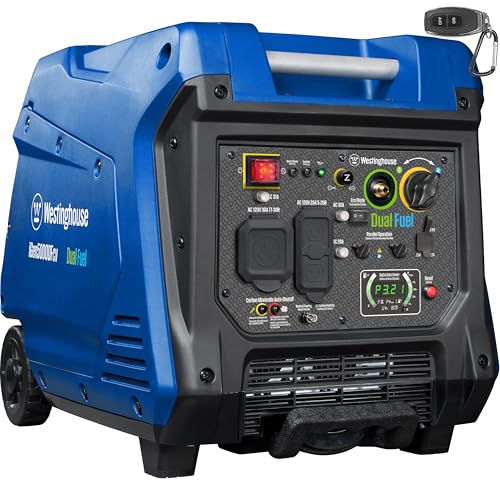
Westinghouse 5000 Peak Watt Dual Fuel Portable Inverter Generator
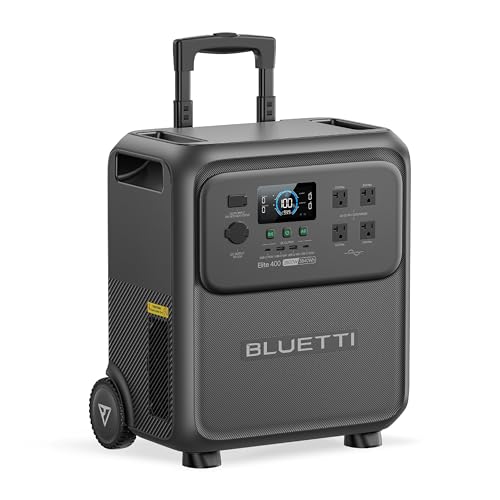
BLUETTI Elite 400 Portable Power Station 3840Wh LiFePO4

Westinghouse 5000 Peak Watt Portable Inverter Generator (Blue)

Green-Power America 5000W Gasoline Generator Manual Recoil Start

Oxseryn 4400-Watt Inverter Generator Open Frame Gas Powered

BLUETTI Elite 100 Mini Portable Power Station 1004.8Wh 700W LFP
The Picks, Examined More Closely
The BLUETTI FridgePower is built around a specific mission: keep your refrigerator and freezer alive through a blackout. The 2016Wh lithium iron phosphate (LFP) battery paired with 1800W of continuous output runs most full-size fridges without breaking a sweat, and the chemistry tends to handle thousands of cycles without the memory concerns of older batteries.
For households in regions with frequent storm-driven blackouts, this kind of focused backup feels like a smart middle ground. Unlike the combustion-based Westinghouse units covered later, this one runs silently indoors, which matters if your power room is anywhere near living space.
Noteworthy Benefits
- Silent operation means no fumes, no noise complaints from neighbors during overnight outages.
- LFP chemistry supports many more charge cycles than typical lithium-ion, so it stays useful for years of seasonal outages.
- Low standby draw keeps the battery from draining itself while waiting for a grid failure.
- Expandable with extra battery packs for households that want multi-day runtime.
Trade-Offs
- No combustion heat means cold garages can sap battery performance; owners in unheated spaces often report reduced winter runtime.
- Cannot power high-draw 240V appliances like central air or electric ranges.
Who It Suits Best
Apartment dwellers and homeowners who mainly need to protect groceries and run a few essentials through short to mid-length outages.
Look Elsewhere When
You need to operate heavy power tools or central HVAC, in which case the Westinghouse 5000 Peak Watt Dual Fuel Portable Inverter Generator will serve you better.
The dual-fuel Westinghouse iGen5000DFcv stands out because it runs on either gasoline or propane. That flexibility pays off in real situations: propane stores indefinitely for emergencies, while gasoline handles high loads more efficiently.
The TT-30R RV outlet is a genuine convenience for camper owners, and parallel capability lets you pair two generators when a single unit isn’t enough. Compared to the BLUETTI FridgePower covered above, this delivers much higher surge capacity for motor-driven appliances.
Useful Touches
- Dual-fuel capability means you can keep extra propane on hand for multi-day emergencies.
- RV outlet and parallel-ready design open up travel and expansion options.
- Inverter technology produces clean power safe for laptops and modern electronics.
- Built-in CO sensor adds an important safety layer for enclosed or partially enclosed spaces.
Some Limits To Know
- Propane output drops noticeably compared to gasoline, so high-draw tools may struggle on propane alone.
- Maintenance is unavoidable: oil changes, spark plug checks, and fuel stabilizer for storage.
Feature Snapshot
Right Fit For
RV owners and homeowners who want one generator that handles both weekend trips and home backup duty.
Consider Something Else When
You want silent indoor operation, in which case the BLUETTI FridgePower Portable Power Station makes more sense.
The Elite 400 jumps into whole-home territory with 3840Wh of capacity and 2600W of continuous output, with surge capability reaching 3900W. For most households, that’s enough to keep essentials running for many hours or even days with careful load management.
The trolley-style wheel system is a thoughtful touch given the weight, and the nine output ports cover everything from a fridge to power tools. Against the smaller FridgePower unit, this trades portability for genuine extended-run capacity.
Where It Excels
- Near 4kWh capacity handles fridges, sump pumps, internet gear, and lighting for extended outages.
- Multiple port types reduce the need for adapters and power strips.
- LFP battery chemistry handles frequent cycling without rapid degradation.
- Trolley design makes a heavy unit movable by one person.
Factors To Consider
- Weight makes it a two-person lift even with the trolley, and stairways get tricky.
- Higher capacity typically pairs with longer recharge times on standard wall outlets.
- Price sits well above the smaller FridgePower unit, so it’s a real investment.
Made For
Homeowners in storm-prone or wildfire-affected regions planning for multi-day blackouts and serious food protection.
Skip It When
You mostly camp light and need something easier to carry, where the BLUETTI Elite 100 Mini Portable Power Station fits the bill.
The gas-only Westinghouse iGen5000cv delivers the same 5000W peak in a simpler package without the dual-fuel hardware. For shoppers who don’t want to bother with propane tanks, that simplicity is the appeal.
The TT-30R outlet, parallel capability, and CO sensor carry over from the dual-fuel sibling. Compared to the dual-fuel version, this one trims cost and complexity for users who only plan to run gasoline.
Well-Handled Touches
- Variable engine speed improves fuel economy when loads are light, stretching runtime.
- Wheel kit included from the factory saves a separate accessory purchase.
- Clean inverter power protects sensitive electronics like TVs and laptops.
Points To Keep In Mind
- Gasoline-only operation limits long-term fuel storage options.
- Larger than open-frame workhorses, so trunk space in smaller SUVs gets tight.
Quick Facts
Best Suited To
Campers, tailgaters, and homeowners who want a familiar gas-only inverter without the dual-fuel markup.
Reach For A Different Pick When
You want longer fuel shelf life for emergency kits, where the Westinghouse 5000 Peak Watt Dual Fuel Portable Inverter Generator is the better choice.
Green-Power America takes a different angle: no inverter electronics, no fancy displays, just a 223cc overhead valve engine rated at 5000 starting watts and 3850 running watts. For contractors and rural property owners who care about raw output per dollar, that direct approach still has merit.
The 4-gallon tank and 11-hour runtime at half load cover a long workday on the job site. Compared to the Westinghouse inverters covered earlier, this trades quieter operation and clean power for a lower price on the receipt.
The Helpful Details
- Open-frame design keeps weight and cost manageable for tool-focused users.
- Long runtime per tank reduces mid-day refueling on extended jobs.
- Conventional generator architecture handles heavy inductive loads like compressors well.
Honest Caveats
- Manual recoil start means no push-button convenience, which can be a hassle in cold weather.
- Not inverter-clean power, so sensitive electronics need a separate surge protector or UPS.
- Louder than enclosed inverter units at typical loads.
Feature Rundown
Perfect Match For
Contractors, farmers, and homeowners running power tools who value raw output and durability over quiet operation.
Swap It Out When
You need quiet, electronics-safe power for camping or home backup, in which case the Oxseryn 4400-Watt Inverter Generator is a smarter fit.
The Oxseryn 4400 slots in below the 5000W peak class but covers most of what people actually plug in: 3400 running watts is enough for a fridge, a few lights, and a laptop at the same time. The open-frame inverter design keeps weight at roughly 56 pounds, which matters when you’re loading it into a trunk or RV storage bay.
The ECO mode and cold-start technology make this one friendlier for seasonal campers. Against the heavier Green-Power unit covered above, the Oxseryn trades raw wattage for inverter cleanliness.
Practical Advantages
- Open-frame inverter keeps weight under 60 pounds, unusual in this wattage class.
- ECO mode reduces fuel use and noise during lighter loads.
- Cold-start tech helps in shoulder-season camping temperatures.
- Clean power output is safe for sensitive electronics.
Practical Considerations
- Lower peak wattage than the 5000W class, so two heavy motor loads at once may trip it.
- Open-frame design means louder operation than fully enclosed inverters.
Quick Technical Notes
Who Should Grab It
Campers, RV travelers, and small-home backup users who want a lighter, quieter option than a 5000W workhorse.
A Better Fit Elsewhere
Run power-hungry job site tools like table saws, where the Green-Power America 5000W Gasoline Generator is the stronger pick.
The Elite 100 Mini is the smallest unit in this roundup, weighing around 23.6 pounds and sized roughly like a small kitchen appliance. The vertical design is intentional: it tucks onto a counter, desk, or vehicle floor without claiming much real estate.
The 700W continuous output limits you to smaller appliances and electronics, but for camping, remote work, and short outages, that’s enough. Compared to the much larger BLUETTI Elite 400 covered earlier, this trades serious capacity for genuine portability.
Everyday Wins
- Compact vertical body fits where horizontal batteries won’t.
- LFP chemistry supports long cycle life for repeated weekend use.
- Light enough at under 25 pounds for most adults to carry one-handed.
Where It May Fall Short
- 700W output cannot handle a fridge, space heater, or most power tools.
- Smaller capacity means frequent recharging for multi-day trips.
Whose Shelf It Belongs On
Campers, van-lifers, and apartment dwellers who want grab-and-go battery power for laptops, lights, and small electronics.
Another Choice May Suit
You need backup for a full refrigerator, in which case the BLUETTI FridgePower Portable Power Station is the better match.
What Matters Most Before Choosing 5000 Watt Portable Generators
Running Watts vs. Peak Watts
Peak wattage handles the brief surge when motors start. Running wattage is what you can sustain, and that’s the number that matters most for everyday operation. A fridge that needs 800W running might draw 2000W at startup, so always size for the higher number across your combined loads.
Fuel Type and Storage Life
Gasoline is easy to find but degrades in storage. Propane stores indefinitely, which is a real advantage for emergency kits. Battery stations require no fuel at all but recharge from wall outlets or solar.
Noise, Emissions, and Placement
Inverter generators and battery stations run quieter than conventional open-frame units, which matters for campgrounds and noise-restricted neighborhoods. Combustion engines also produce carbon monoxide, so they need outdoor placement and a working CO sensor.
Portability and Weight
Wattage often correlates with weight. The Green-Power America unit is a workhorse but heavy, while the BLUETTI Elite 100 Mini trades capacity for easy carrying. Match the unit to how far and how often you’ll move it.
Smart Choices Across This List
Pitfalls Shoppers Hit
The most common slip is buying on peak wattage alone. A 5000W peak unit with only 3500W running won’t actually power a 4000W load, so check running ratings before pulling the trigger. Another trap is ignoring fuel storage, where gasoline degrades in a few months and propane tanks need refilling from specialty suppliers.
Where The Extra Money Goes
Higher-tier pricing usually buys inverter electronics, longer runtime, dual-fuel flexibility, or larger battery capacity. For full home backup, the BLUETTI Elite 400’s expanded capacity and the Westinghouse dual-fuel’s propane option are where the extra cost shows up in real-world resilience.
Frequently Asked Questions
How long will a 5000 watt portable generator run on a full tank?
Runtime depends on fuel tank size and load. The Green-Power America unit offers around 11 hours at half load, while inverter units like the Westinghouse often stretch further at lighter loads thanks to variable engine speed.
Can a portable generator power a whole house?
Not usually. Most 5000W-class generators cover essentials like a fridge, sump pump, lights, and internet gear, but not central air, electric ranges, or electric water heaters. Whole-home coverage typically needs a larger standby unit or careful load rotation.
Are battery power stations better than gas generators?
Battery stations run silently indoors with no fumes, which is a real advantage for apartments or nighttime use. Gas generators deliver higher continuous output and indefinite runtime with refueling, which suits heavy loads and long outages.
How often should I run my portable generator?
Monthly exercise runs of 15 to 30 minutes help keep fuel moving through the carburetor and surfaces lubricated. Owners commonly report that neglected units develop starting issues, especially after sitting through a winter without use.
Is dual fuel worth it?
Dual fuel matters most for emergency prep, since propane stores longer than gasoline. For occasional camping or job site use, gas-only units are usually simpler and lower maintenance.
Wrap Up
The right 5000-watt portable generator depends on whether you value runtime, portability, silence, or fuel flexibility. Combustion units handle heavy loads and long outages; battery stations deliver clean, quiet, indoor-safe power for essentials. Match the tool to your real situation, and you’ll end up with something that actually pulls its weight when the grid goes dark.
