

A 5000-watt generator sits in that sweet spot where serious capacity meets manageable size. It can run a fridge, some window AC units, sump pumps, or power tools on a job site without requiring a forklift to move it. I’ve watched plenty of households overbuy a tiny portable unit, then panic when the freezer thaws during a 12-hour outage, and I’ve also seen the opposite: people buying industrial-grade monsters they can barely wheel to the curb. The middle ground is where 5000-watt generators live, and the six options below cover the most common ways people actually use them.
Your Options, Compared
Your Options, Compared

BLUETTI Elite 200 V2 Portable Power Station 2073.6Wh 2600W

BLUETTI Elite 300 with Elite 10 Portable Power Station 3014.4Wh 2400W LFP
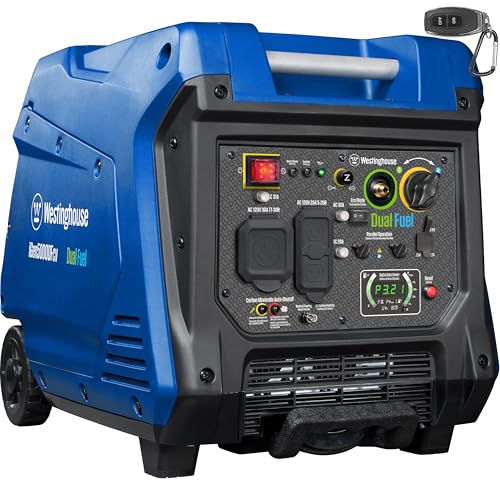
Westinghouse 5000 Peak Watt Dual Fuel Inverter Generator, Wheel & Handle Kit

Westinghouse 5000 Peak Watt Super Quiet Inverter Generator, Wheel & Handle Kit

Oxseryn 4400-Watts Inverter Generator, Open Frame, Gas Powered

BLUETTI Elite 100 mini Portable Power Station 1004.8Wh 700W LFP
Meet The Standout Selections
The Elite 200 V2 swaps a roaring gas engine for a silent battery box, which changes the whole ownership experience. During a blackout it sits in the living room humming along, no fumes, no extension cords snaked through a cracked window. Power lifting mode (a brief burst above the rated output for motor-driven appliances) lets it punch above its weight when a fridge compressor kicks in.
Where it really earns its keep is mixed-use households: someone working from a laptop during a storm, a router that can’t drop, a phone charger for the family. Compared to the louder Westinghouse units below, this one lives indoors without complaint.
A Favorable Mix
- 2600W continuous output handles most kitchen and home-office loads at once
- Silent operation means it can sit in a hallway or bedroom closet without ear fatigue
- Zero fuel storage and zero exhaust, which renters and condo dwellers usually appreciate
- Up to nine devices can run simultaneously through the assorted AC and DC outlets
Honest Caveats
- Recharging from a wall outlet takes several hours, so heavy daily cycling calls for planning
- Power-lifting bursts only last a few seconds, so very heavy motor startup may trip it
- Higher upfront cost than a basic open-frame gas unit of similar wattage
Quick Facts
Who Should Grab It
Suburban households wanting silent, fume-free backup for essentials during grid outages, and anyone living somewhere with strict noise ordinances.
Swap It Out When
Step up to the BLUETTI Elite 300 with Elite 10 Portable Power Station 3014.4Wh 2400W LFP if multi-day outages are common and you want more stored energy.
The Elite 300 pushes battery capacity to roughly 3kWh in a body significantly smaller than traditional deep-cycle alternatives, which is a big deal in a closet or RV bay. The LFP (lithium iron phosphate) chemistry trades a bit of energy density for far longer cycle life, meaning the battery should keep most of its capacity through years of regular use.
For RV owners, this means running a 12V fridge, lights, and a laptop without firing up a propane generator at every stop. Compared to the Elite 200 V2 above, the trade is slightly less continuous power for meaningfully more stored energy.
What Pays Off
- 3014.4Wh capacity stretches across a full overnight outage for most households
- Compact body fits in an RV basement or a tight apartment corner
- LFP cell chemistry tends to age gracefully through thousands of cycles
- Pairs cleanly with rooftop solar for off-grid cabin setups
Trade-Offs To Consider
- 2400W continuous AC is a step below the Elite 200 V2 for heavy appliances
- Full recharge from a wall outlet still takes the better part of a day
- Solar input speed depends heavily on panel wattage and direct sun angle
Made For
Families who lose power for a day or more at a stretch, and RV travelers who want quiet, fuel-free energy for multi-day trips.
Look Elsewhere When
The Westinghouse 5000 Peak Watt Dual Fuel Inverter Generator is a smarter fit when you need higher continuous wattage for window AC or heavy shop tools.
This is the dual-fuel workhorse: it runs on gasoline for max output or propane for cleaner combustion and longer shelf life. A built-in CO sensor (carbon monoxide detector that shuts the engine down if fumes build up in an enclosed space) adds a meaningful safety margin when the unit sits near a garage or porch.
The TT-30R outlet (the standard 30-amp receptacle used by most RVs) makes it plug-and-play for travel trailers, and parallel capability (linking two units via a special cable for double the output) lets owners scale up later without replacing the original. Compared to the gas-only Westinghouse iGen5000cv below, you give up a touch of runtime on propane but gain fuel flexibility when gas stations are closed after a storm.
Useful Strengths
- Dual-fuel flexibility shines during extended outages when gasoline is scarce
- Inverter electronics deliver stable power safe for sensitive electronics like laptops
- RV-ready TT-30R outlet removes the need for adapter cords at the campsite
- Wheel and handle kit makes sense on a unit this heavy
Points To Note
- Heavier than a battery station, so storage and placement matter
- Still needs outdoor placement due to exhaust, even with the CO sensor
- Oil changes and spark plug service follow standard small-engine intervals
Feature Snapshot
Built With In Mind
Homeowners in storm-prone regions who want fuel flexibility, and contractors who need reliable jobsite power without dependence on the grid.
Not Your Match When
The BLUETTI Elite 100 mini Portable Power Station 1004.8Wh 700W LFP suits apartment dwellers and campers who need grab-and-go power without engine noise.
This gas-only sibling focuses on doing one thing well: producing inverter-clean power at moderate volume. The variable engine speed (an Eco mode that throttles RPM down under light load to save fuel and reduce noise) keeps the hum unobtrusive at a crowded campground, which matters more than spec sheets suggest when neighbors are ten feet away.
The 30A RV outlet is the headline feature for travel trailer owners. Unlike the dual-fuel Westinghouse reviewed above, this one skips propane plumbing for a simpler engine package, which some owners prefer for reliability.
Notable Gains
- Lower noise output under partial load thanks to Eco mode throttling
- Clean inverter power protects laptops, phones, and modern RV control boards
- Wheel kit and folding handle ease transport to and from the truck bed
- Parallel capability lets you bridge to a second unit if loads grow
Practical Considerations
- Gasoline only, which complicates long-term fuel storage and rotation
- Still requires outdoor running and basic small-engine upkeep
- Heavier than any battery station, so a second pair of hands helps on stairs
Best Suited To
Campers, tailgaters, and RV travelers who want quiet inverter power and don’t need propane flexibility for extended off-grid stays.
Skip It When
The Westinghouse 5000 Peak Watt Dual Fuel Inverter Generator is the better call if you live in an area where gasoline availability drops during severe weather.
The Oxseryn trades the fully enclosed shell of the Westinghouse units for an open-frame design at a lighter carry weight. For a garage, workshop, or tailgate, that open frame moves heat well and keeps the unit approachable for one person to lift onto a truck tailgate.
It lands closer to 4400 peak watts rather than 5000, so heavy motor startup loads warrant a quick check of the running watt rating. Compared to the larger enclosed Westinghouse models above, this is a more compact shop companion than a whole-home backup play.
Noteworthy Benefits
- Open-frame layout cuts weight for easier solo transport
- Inverter electronics still produce clean power for sensitive tools and chargers
- Eco mode and cold start tech help in colder garage or porch environments
- 30A RV outlet keeps it useful beyond the workshop
Where It Is Less Suited
- 4400 peak watts leaves less headroom than 5000-watt class competitors
- Open frame exposes moving parts and runs louder than enclosed units
- Less brand recognition means long-term parts support is less predictable
The Right Fit
DIYers and hobbyists who need portable power for tools and lights on weekend projects, without paying for full home-backup capacity.
Where Another Pick Suits Better
The BLUETTI Elite 200 V2 Portable Power Station 2073.6Wh 2600W is the cleaner choice for indoor or apartment use where exhaust and noise are deal-breakers.
The Elite 100 mini is the smallest of the bunch by a wide margin, closer to a car battery in size than a generator. For tent camping, a popup camper, or quick outages where you only need to keep a few essentials alive, it removes every ounce of hassle that comes with gasoline.
It tops out at 700W continuous, so it’s not in the same conversation as the 5000-watt Westinghouse units for heavy loads. Compared to the larger BLUETTI Elite 200 V2 reviewed earlier, this one trades peak output for a much smaller footprint and easier one-handed carry.
A Few Highlights
- Compact vertical body fits on a kitchen counter or beside a tent
- LFP chemistry supports long cycle life for repeated weekend use
- Silent operation means no early-morning campsite grumbles
- Light enough to move between rooms during a short outage
Small Limitations
- 700W output rules out hair dryers, microwaves, and most space heaters
- 1kWh capacity drains quickly with refrigerators or CPAP machines
- Best paired with solar panels for multi-day off-grid use
Core Details
Who Will Love This
Campers, van lifers, and city dwellers who want backup power for phones, routers, and small electronics without touching gasoline.
Consider Something Else When
The Westinghouse 5000 Peak Watt Super Quiet Inverter Generator handles whole-home essentials if you need actual 5000-watt capacity during a serious outage.
Picking The Right Match For Your Situation
Buying a generator usually starts with one honest question: what needs to stay on when the grid goes dark? From there, the trade-offs between battery stations and combustion engines get a lot clearer.
Fuel type and storage. Gasoline spoils in storage and may be unavailable during the exact emergency you bought the unit for. Propane stores for years and burns cleaner, which is why dual-fuel units make sense in storm-prone regions. Battery stations sidestep fuel entirely but require either wall charging time or a solar array, so consider how the unit will actually recharge in your environment.
Wattage and surge handling. Running watts keep things alive, but startup watts (the brief spike when a motor kicks on) often double or triple that number. Refrigerators, well pumps, and window AC units all demand surge headroom. An inverter generator (a generator that produces AC through electronic inversion for cleaner, more stable output than traditional alternators) handles sensitive electronics better than older open-frame designs, which matters for laptops, TVs, and modern appliances with digital control boards.
Runtime and noise. Eco mode throttling can extend fuel economy dramatically under partial load, and quieter inverter units open up campsite and neighborhood use. For indoor or apartment scenarios, only battery stations fully sidestep the exhaust and noise equation.
Portability and footprint. Wheel kits and folding handles matter more than spec sheets suggest once you actually need to move a heavy unit up stairs or across a wet yard. Battery stations trade outright capacity for grab-and-go convenience.
Key Considerations Across These Picks
Pitfalls Shoppers Hit
The biggest misstep is buying by peak wattage alone. Peak numbers reflect a brief startup surge, not sustained output, and overloading a generator damages both the unit and the appliance plugged into it. Always check the running wattage against your actual load list. Another common error is forgetting about fuel rotation; gasoline stored for a year gums up carburetors and turns into a maintenance headache the first time you really need the unit.
What The Higher Tier Buys
Stepping up to a premium model typically buys you longer runtime per tank, quieter Eco mode operation, dual-fuel flexibility, and cleaner inverter output for sensitive electronics. For most households, that upgrade pays off the first time a long outage forces the generator to run overnight near bedrooms. Shorter outages and lighter loads don’t always justify the extra cost, which is where smaller battery stations or open-frame units earn their keep.
Frequently Asked Questions
How long will a 5000-watt generator run on a full tank? Runtime depends on tank size and load, but most units in this class stretch roughly 8 to 18 hours at 25% load in Eco mode. Heavier loads cut that figure significantly.
Can a 5000-watt generator power a whole house? Not usually all at once. A 5000-watt unit can run essentials like a fridge, some lights, a router, and a sump pump, but central AC and electric ranges typically demand more.
Are inverter generators safer for laptops and TVs? Yes. Inverter generators produce cleaner AC output with less total harmonic distortion, which protects sensitive electronics better than older conventional designs.
Do I need a transfer switch for home backup? A transfer switch (a panel that safely swaps your home’s circuits between grid and generator power) is strongly recommended for any permanent home-backup setup. Backfeeding through a dryer outlet can damage the generator and endanger utility workers.
How loud are 5000-watt generators? Most inverter units in this class run between 52 and 62 decibels at a distance of about 23 feet, similar to a normal conversation. Open-frame models run louder.
Bottom Line
The right 5000-watt generator depends less on wattage numbers and more on where you’ll use it. Battery stations like the BLUETTI Elite lineup excel indoors and on short outings, while the Westinghouse dual-fuel and inverter models take over for serious outages and jobsite demands. Match the unit to your most likely scenario, and the rest of the decision tends to fall into place.
