

Picking a generator for a home isn’t just about the biggest number on the spec sheet. I think of it more like choosing a backup battery for a freezer full of groceries, a sump pump, and a few lights during a storm. The right wattage range, fuel flexibility, and noise profile decide whether a power outage feels manageable or miserable. After comparing seven strong options side by side, including backup power units and weather-resistant covers that protect your investment, I put together this roundup to help anyone in the market for a dependable home setup.
An Overview Of The Picks

Westinghouse 14500 Peak Watt Tri-Fuel Home Backup Portable Generator

Westinghouse 13500 Peak Watt Tri-Fuel Home Backup Portable Generator

Porch Shield Generator Cover for 3000-5000W (Black & Gray)

Porch Shield Generator Cover for 5000-10000W (Light Tan)

Oxseryn 4400-Watt Inverter Generator (RV Ready)
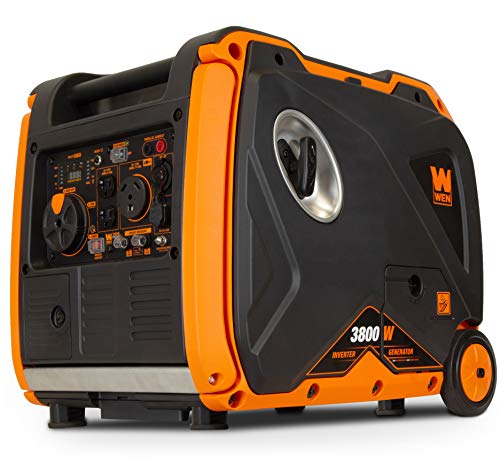
WEN 56380i 3800-Watt RV-Ready Inverter Generator

Porch Shield Generator Cover for 3000-5000W (Black)
Meet The Standout Selections
Westinghouse’s top-tier tri-fuel unit sits at the heavy end of this category, and I think it earns that spot through flexibility rather than raw numbers alone. Gasoline, propane, and natural gas compatibility means it adapts to whatever fuel source a household keeps on hand during a multi-day outage.
Pair that with remote electric start and transfer switch readiness, and the experience feels closer to a permanently installed system than a portable generator. The 550cc overhead valve engine and cast iron sleeve suggest long service life for owners who keep their gear in regular rotation.
A Few Strong Suits
- Tri-fuel design covers gasoline, propane, and natural gas without separate hardware swaps
- 9.5-gallon fuel tank supports extended runtimes between refueling interruptions
- Transfer switch ready for clean integration with a home electrical panel
- Remote electric start simplifies cold-weather startups from inside the house
Things To Consider
- Larger footprint and weight demand a stable outdoor placement plan
- Open-frame design means running noise is louder than inverter alternatives
Made For
Homeowners wanting whole-home backup who already have a transfer switch and propane or natural gas service available.
Consider Something Else When
Noise-sensitive neighbors or smaller households may prefer the Oxseryn 4400-Watt Inverter Generator for its quieter open-frame profile.
The slightly smaller sibling in Westinghouse’s tri-fuel lineup trades a bit of peak output for a more modest 500cc engine, and for many households the difference is hard to notice in daily use. I see this one as the sweet spot for someone who wants tri-fuel flexibility without stepping up to the largest frame.
It keeps the same 9.5-gallon tank, remote start, and transfer switch compatibility as its bigger brother, which means owners don’t lose convenience features by choosing this model. Compared to item 1, you give up some headroom for big startup surges, but gain a marginally easier physical footprint.
Useful Strengths
- Tri-fuel capability covers gasoline, propane, and natural gas on demand
- 500cc overhead valve engine balances output with manageable service weight
- Transfer switch ready for direct home panel integration
- Remote electric start eliminates manual pull-cord effort during storms
Worth Noting
- Open-frame construction still produces noticeable operating noise
- Cast iron sleeve requires seasonal oil checks for long-term reliability
Key Specs
Right Fit For
Mid-to-large households that need robust tri-fuel output but don’t require the absolute highest peak wattage.
Look Elsewhere When
Anyone prioritizing low-noise operation should reach for the WEN 56380i 3800-Watt RV-Ready Inverter Generator instead.
Once you have a generator picked out, the next practical decision is how to keep it from rusting through a few winters. This Porch Shield cover addresses that for mid-size units in the 3000 to 5000W range, which lines up nicely with most inverter models on this list.
The 26 by 20 by 20 inch dimensions are aimed at portable inverters like item 5 and item 6, so the fit is intentional rather than approximate. It uses 600D polyester with a water-resistant laminated backing, which is a noticeable step up from lightweight nylon covers that tear after a season.
Notable Gains
- 600D polyester shell resists tearing and weather exposure
- Water-resistant laminated undercoating blocks rain and snow
- Compact dimensions fit popular 3000 to 5000W inverter units
- Two-tone color scheme hides dust better than solid light shades
Minor Gripes
- Sizing leaves no room for larger exhaust stacks or accessory brackets
- Polyester fabric may fade faster under direct constant sunlight
Feature Snapshot
Whose Shelf It Belongs On
Owners of mid-size inverter generators who store equipment on a side yard or open porch.
Another Choice May Suit
Shoppers with larger open-frame units should pick the Porch Shield 5000-10000W Light Tan cover for a roomier fit.
Stepping up to the larger 32 by 24 by 24 inch size class, this cover handles the bulkier open-frame generators that item 1 and item 2 represent. I think of it as the protective layer that lets someone wheel a heavy Westinghouse tri-fuel unit into a driveway corner without worrying about rain pooling overnight.
The same 600D polyester construction carries over from the smaller sibling, which keeps material quality consistent across the line. Light tan coloring is a small but useful detail, since it reflects heat better than dark covers during summer storage in direct sun.
Positive Points
- Generous dimensions fit most 5000 to 10000W open-frame generators
- 600D polyester shell stands up to repeated outdoor handling
- Light tan color reduces heat absorption in sunny storage spots
- Water-resistant undercoating protects against pooled rainwater
Trade Offs
- Looser fit on smaller 5000W units means fabric can flap in wind
- Larger size is bulkier to fold and store when not in use
Best Suited To
Owners of larger open-frame tri-fuel generators who keep their units parked outdoors between uses.
Skip It When
Anyone running a compact inverter like the Oxseryn 4400-Watt should grab the 3000-5000W Black & Gray cover for a snug fit.
Inverter generators change the home backup conversation because they’re lighter and quieter than traditional open-frame units. The Oxseryn 4400W model leans into that with a 56-pound frame and a 30A RV outlet, which is handy for people whose backup plan spans house and travel trailer.
ECO mode adjusts engine speed to match the load, and the inverter electronics produce clean power that’s safe for sensitive electronics like laptops and CPAP machines. A 2-gallon fuel tank delivers around 14 hours of runtime at a quarter load, which covers most overnight outages.
Benefits That Matter
- Inverter technology delivers clean power for sensitive electronics
- Lightweight 56-pound frame suits one-person transport
- 30A RV outlet covers both home and travel trailer use
- ECO mode reduces fuel consumption during lighter loads
- Cold start technology helps with chilly morning startups
Honest Caveats
- 4400 peak watts may fall short for central AC or whole-house loads
- Smaller fuel tank means more frequent refills on heavy jobs
- Open-frame design trades some noise for lower weight
At A Glance
Perfect Match For
Small to mid-size households needing clean inverter power without the bulk of a full-size portable.
Reach For A Different Pick When
Whole-home coverage with tri-fuel flexibility calls for the Westinghouse 13500 Peak Watt Tri-Fuel Portable Generator.
The WEN 56380i makes the most sense in close-quarters situations where traditional generator noise would cause problems. Operating at roughly 57 decibels at quarter load, it sits in the same general range as a window air conditioner, which matters a lot during multi-day outages in dense neighborhoods.
A 212cc overhead valve engine provides enough headroom for an RV air conditioner or several home essentials. Electric start and fuel shutoff add everyday convenience, and the inverter electronics protect laptops and home office gear without extra surge protectors.
Positive Takeaways
- 57 dB operation at quarter load keeps neighborhood complaints down
- Electric start removes pull-cord hassle during storm prep
- Fuel shutoff reduces stale fuel issues during seasonal storage
- Inverter clean power suits laptops and entertainment systems
Points To Note
- 3800 peak watts falls short for central HVAC systems
- Compact fuel tank needs refueling on extended runtime demands
Quick Facts
Who Should Grab It
Homeowners in noise-restricted areas or RV travelers who want quiet, clean inverter power for smaller essentials.
A Better Fit Elsewhere
Households needing tri-fuel flexibility and higher output should pick the Westinghouse 14500 Peak Watt Tri-Fuel Portable Generator.
The all-black version of the Porch Shield mid-size cover trades the two-tone styling of item 3 for a cleaner, more uniform look. For someone storing a generator near a dark-sided shed or under a deck, that color choice is a small but real benefit.
It uses the same 600D polyester construction and 26 by 20 by 20 inch dimensions as the Black & Gray variant, so the protective performance matches across both colorways. Owners with multiple inverter units may find the consistent sizing helpful for swapping covers between machines.
The Good Stuff
- Solid black finish blends into shaded storage areas cleanly
- 600D polyester shell holds up to repeated seasonal use
- Water-resistant laminated undercoating blocks rain and snow
- Dimensions suit common 3000 to 5000W inverter footprints
Soft Spots
- Black fabric absorbs more heat in direct sun
- Same sizing limits mean no extra room for accessory add-ons
Built With In Mind
Owners who prefer single-color accessories and store equipment in shaded or semi-enclosed outdoor spots.
Swap It Out When
Sun-exposed storage areas call for the Porch Shield Black & Gray variant, which handles heat absorption slightly better.
Matching A Generator To Your Real Power Demands
The single most useful step before choosing a generator is sketching out the wattage loads you actually need during an outage. A refrigerator, a sump pump, a few lights, and a Wi-Fi router together pull roughly 1500 to 2500 running watts, which is well within range for most inverter models on this list. Central air conditioning or an electric range changes the math entirely, pushing requirements into the heavy-duty tri-fuel territory of items 1 and 2.
Fuel type matters more than people expect. Gasoline is easy to source but degrades quickly during long storage, while propane stores indefinitely and natural gas connects directly to home supply lines. Tri-fuel units add convenience but cost more upfront, and inverter-only gas models like items 5 and 6 stay lighter and quieter at the price of fuel flexibility.
Runtime and tank size shape the daily ownership experience. Larger tanks like the 9.5-gallon setup on items 1 and 2 mean fewer middle-of-the-night refueling trips, but they also add weight and footprint. Inverter tanks are smaller but pair with ECO mode for efficient low-load operation, which suits overnight essentials without burning through fuel.
Finally, think about where the generator will actually live. Open-frame units need firm outdoor footing and benefit from covers like items 3, 4, or 7. Inverter generators can sit closer to the house due to lower noise, though local ordinances may still dictate placement distances.
Key Considerations Across These Picks
Common Shopping Slip Ups
The biggest mistake I see is buying based on peak wattage alone without checking running watts, which is what your appliances actually draw continuously. A generator with impressive peak numbers but modest running output will trip its own breaker the moment a refrigerator compressor kicks in. Matching running watts to your worst-case load list prevents that frustration.
Another frequent slip is underestimating fuel storage requirements. A generator that runs 14 hours on a small tank sounds appealing until a multi-day outage arrives and you’re refilling every evening. For extended readiness, larger fuel capacity or dual-fuel flexibility often pays off.
What The Higher Tier Buys
Stepping up to the Westinghouse tri-fuel models costs more, but the extra money buys several practical advantages at once. The 550cc and 500cc engines handle heavier startup surges for well pumps and power tools, while the tri-fuel design means you’re never dependent on a single fuel source during long disruptions.
Higher-tier picks also tend to include transfer switch compatibility, which simplifies safe home panel integration. For someone wiring a generator directly into house circuits, that feature alone can save the cost of an electrician’s custom setup.
Frequently Asked Questions
What size generator runs a typical house during an outage?
A 5000 to 7500 running watt generator covers essentials like a refrigerator, sump pump, furnace blower, and several lights for most mid-size homes. Larger homes with central air or electric cooking typically need 10000 running watts or more.
How long can a portable generator run continuously?
Most portable generators on this list are rated for 8 to 19 hours of continuous operation on a full tank, depending on fuel type and load. Owners commonly shut down units briefly for oil checks during extended outages to prevent overheating.
Is a tri-fuel generator worth the extra cost?
Tri-fuel capability matters most in regions where fuel supplies get disrupted during major storms. For homeowners with reliable gasoline access, single or dual-fuel units often provide better value.
Do I need a transfer switch for home backup?
A transfer switch is the safest way to connect a portable generator to home wiring without backfeeding the utility grid. Many models on this list are transfer switch ready, though installation may still require a licensed electrician.
How often should I run a generator that’s in storage?
Running a stored generator every few months for 15 to 30 minutes keeps seals lubricated and fuel systems clean. Owners commonly pair this schedule with fresh fuel or fuel stabilizer swaps to prevent carburetor issues.
Final Verdict
A reliable home backup generator comes down to honest wattage math, the right fuel flexibility, and a noise profile your neighbors can live with. The picks above cover everything from heavy-duty tri-fuel whole-home backup to compact inverter models and protective covers that extend equipment life. Match the generator to your real outage scenarios rather than chasing the biggest number, and the rest of the decision tends to fall into place.
