

Power outages hit at the worst moments, and most folks only start shopping for a generator after the lights have already gone out. I put this roundup together for anyone planning ahead, whether you’re outfitting a small workshop, prepping for storm season, or just want a backup that runs on whatever fuel you have on hand.
The picks below cover full-size home backup units, a power station alternative, and the kind of accessory that protects your investment long-term.
The Shortlist At A Glance

Westinghouse 14500 Peak Watt Tri-Fuel Portable Generator

Westinghouse 13500 Peak Watt Tri-Fuel Portable Generator

FIRMAN 1009 Large Portable Generator Cover
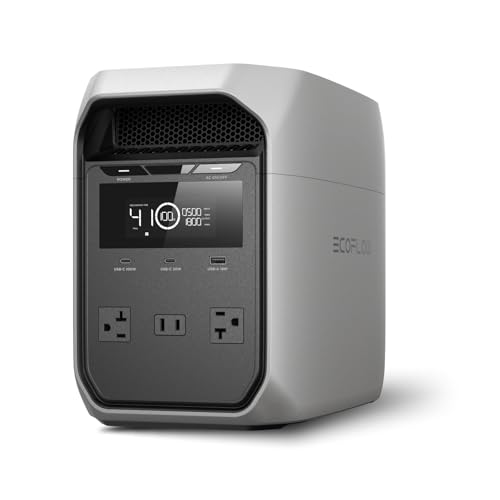
EF ECOFLOW Portable Power Station Delta 3 Classic

DuroMax XP13000EH 13,000-Watt Dual Fuel Portable Generator

DuroMax XP13000HXT 13,000-Watt Tri-Fuel Portable Generator

DuroMax XP11000iH 11,000-Watt Dual Fuel Digital Inverter
A Deeper Look At The Lineup
For a homeowner who wants the widest fuel flexibility on the market, the Westinghouse 14500 Peak Watt Tri-Fuel Portable Generator stands out from the rest of this list. The tri-fuel design runs on gasoline, propane (LPG), or natural gas, so you can keep things going whether a storm knocks out delivery routes or propane runs low.
A transfer-switch-ready outlet means it ties into a home’s electrical panel through a proper interlock, which matters if you’re running hardwired appliances like a furnace or well pump. Remote electric start adds real convenience when the unit sits 30 feet from your back door and you don’t want to trudge through a storm to pull a cord.
The Good Stuff
- Tri-fuel capability covers gasoline, propane, and natural gas for long outages
- Transfer switch ready for whole-home wiring integration
- Remote electric start saves a walk through bad weather
- Large fuel capacity supports extended overnight runs
Things To Consider
- Heavy frame, so you’ll want wheels and a planned storage spot
- Running costs on propane are typically higher than gasoline per kilowatt-hour
Key Product Details
Right Fit For
A homeowner in storm-prone regions who wants maximum fuel flexibility and plans to wire the unit into a transfer switch.
Where Another Pick Suits Better
The DuroMax XP11000iH suits RV travelers better, since its inverter design runs quieter and handles sensitive electronics more cleanly.
The Westinghouse 13500 Peak Watt Tri-Fuel Portable Generator is a slightly smaller sibling to the first pick on this list, and it makes sense for households that don’t need the absolute top of the output range. Tri-fuel operation means the same gasoline, propane, and natural gas flexibility.
Compared to the 14,500-watt model above, this one trades a modest slice of peak power for what I’d call a more practical size class. Most mid-size homes running a fridge, a few lights, and a furnace blower land comfortably within its range, and the transfer switch readiness keeps the wiring path simple.
Where It Delivers
- Tri-fuel versatility for any fuel source on hand
- Transfer switch ready for direct panel connection
- Remote electric start keeps operation comfortable
- Capable output for essential home circuits during outages
Worth Noting
- Still a heavy unit requiring wheel kit setup
- Natural gas hookup requires professional installation
Whose Shelf It Belongs On
A homeowner with a mid-sized house who prioritizes fuel choice and wants a slightly easier-to-position unit than the largest models.
Skip It When
Anyone running central air plus heavy electric loads should reach for the Westinghouse 14500 Peak Watt Tri-Fuel Portable Generator instead.
The FIRMAN 1009 Large Portable Generator Cover isn’t a generator at all, but it earns a spot on this list because every portable unit in the lineup above needs protection between uses. Heavy-duty waterproof vinyl with double insulation handles rain, snow, and UV without falling apart after one season.
A drawstring closure and secure pull cord keep the cover from blowing off in a storm, which is the most common failure I see with cheaper covers. Sizing is built for 5000-watt-and-up generators, so it fits the full-size units reviewed here.
A Few Highlights
- Waterproof vinyl shields against rain, snow, and dust
- Double insulation adds longevity over single-layer covers
- Drawstring with pull cord keeps it secured in wind
- Sized for large portable units in this category
Points To Note
- Only fits large frame generators, not compact inverter models
- Vinyl can stiffen in extreme cold during winter storage
Feature Snapshot
Made For
Anyone storing a full-size portable generator outdoors between use, especially in regions with rain, snow, or strong sun.
Consider Something Else When
Owners of smaller inverter units like the EF ECOFLOW Portable Power Station Delta 3 Classic don’t need a cover at all, since the power station stores indoors.
The EF ECOFLOW Portable Power Station Delta 3 Classic isn’t a generator in the traditional sense, but it earns its place for anyone who needs quiet, fume-free power in places a combustion engine can’t go. A 1024Wh battery capacity and 1800W AC output (with surge capability up to 3600W through X-Boost) covers laptops, small appliances, and similar loads.
For apartment dwellers, campers, or anyone running sensitive electronics in a quiet setting, the Delta 3 Classic sidesteps every complaint people have about gas generators: noise, fumes, and fuel storage. It sits indoors, charges from a wall outlet or solar panel, and runs without vibration.
The Upside
- Silent operation makes it apartment and indoor friendly
- No fuel storage or exhaust fumes
- Surge capability handles brief motor startups
- Compact form factor for transport and closet storage
Honest Caveats
- Limited runtime compared to gas units on heavy loads
- Recharge time means downtime between uses
Quick Facts
Perfect Match For
Campers, apartment residents, and anyone needing silent backup power for electronics and small appliances.
Look Elsewhere When
Homeowners needing whole-house coverage during multi-day outages should reach for the Westinghouse 13500 Peak Watt Tri-Fuel Portable Generator instead.
The DuroMax XP13000EH 13,000-Watt Dual Fuel Portable Generator covers households that need serious output without stepping into tri-fuel territory. It runs on gasoline or propane, which keeps things simpler if you don’t have a natural gas line at the house.
The 500cc OHV engine and 13,000-watt peak capacity land it firmly in the whole-home backup category, and electric start gets it running without a manual pull. Compared to the Westinghouse units earlier in the list, this one trades tri-fuel flexibility for what some shoppers will find a friendlier price point.
What Makes Sense
- Dual fuel operation on gasoline or propane
- Transfer switch ready for full panel integration
- Electric start eliminates manual pulling
- Strong output for large appliances and HVAC equipment
Trade Offs
- No natural gas option means less fuel flexibility
- Open-frame design runs louder than inverter models
Best Suited To
Homeowners without a natural gas line who still need high output for whole-home backup during extended outages.
Another Choice May Suit
Owners who already have a natural gas hookup and want all three fuel options should consider the DuroMax XP13000HXT 13,000-Watt Tri-Fuel Portable Generator.
The DuroMax XP13000HXT 13,000-Watt Tri-Fuel Portable Generator pairs the high output of its XP13000EH sibling with the addition of natural gas as a third fuel option. A built-in CO alert adds a safety layer that matters when a generator runs overnight near living spaces.
The 500cc engine delivers the same 13,000-watt peak class as the dual-fuel version, so households get all the same whole-home capability plus more fuel options. It suits anyone who wants flexibility during a long outage when fuel availability shifts.
The Helpful Details
- Tri-fuel capability across gasoline, propane, and natural gas
- CO alert for safer operation near living areas
- Whole-home backup output for large electrical loads
- 500cc OHV engine built for sustained use
Room For Improvement
- Larger footprint needs planned storage space
- Open-frame design produces more noise than inverter units
- Natural gas setup may need a professional for the line tap
Specification Snapshot
Who Should Grab It
Homeowners with a natural gas line who want the widest fuel flexibility along with built-in CO safety monitoring.
Not Your Match When
Anyone prioritizing quiet operation should look at the DuroMax XP11000iH 11,000-Watt Dual Fuel Digital Inverter instead.
The DuroMax XP11000iH 11,000-Watt Dual Fuel Digital Inverter brings inverter technology into the high-output class, which is a meaningful step up from the open-frame units earlier in this list. Inverter designs produce cleaner power that’s safe for sensitive electronics like laptops and modern TVs.
It runs on gasoline or propane, with 11,000 peak watts and 9,000 running watts, and a CO alert shuts things down if fumes build up. Compared to the louder XP13000 models, this one fits better in residential settings and RV parks where neighbors notice noise.
Key Advantages
- Inverter output for safe sensitive-electronics use
- Quieter operation than open-frame units
- Remote electric start adds convenience
- CO alert for automatic safety shutoff
Points To Keep In Mind
- Lower peak wattage than the 13,000-watt DuroMax models
- Premium feature set commands a higher investment
- Maintenance items like oil changes still follow a regular schedule
Who Will Love This
RV travelers and homeowners who want inverter-clean power at high output for both sensitive electronics and major appliances.
Reach For A Different Pick When
Anyone running central air plus an electric range may need the Westinghouse 14500 Peak Watt Tri-Fuel Portable Generator’s higher peak output.
Key Specs That Matter When Comparing These Picks
Wattage ratings are the first spec to compare, and the difference between peak and running watts matters more than most shoppers realize. Peak watts handle motor startup surges from refrigerators, well pumps, and air conditioners, while running watts cover everything else. Choosing a unit with too little peak headroom is the most common reason generators trip breakers on startup.
Fuel flexibility separates the Westinghouse tri-fuel models and the DuroMax XP13000HXT from the dual-fuel options. Tri-fuel units can tap a home’s natural gas line for unlimited runtime, while dual-fuel models stick to gasoline and propane. For most households in storm-prone regions, that extra fuel option is worth the price difference.
Inverter technology, like in the DuroMax XP11000iH, produces cleaner sine wave output that mimics utility power. This matters for laptops, gaming consoles, and modern HVAC control boards that don’t tolerate the “dirty” power from open-frame generators. The trade-off is price and a slightly smaller output ceiling.
Common Buying Mistakes Worth Dodging
Where Shoppers Go Wrong
The most common mistake is sizing by running watts instead of peak watts. A fridge might only need 700 running watts, but its compressor can pull 2,200 watts at startup. Always check the peak rating against the largest motor-driven load in your home.
Another slip is ignoring transfer switch compatibility. A generator that isn’t transfer switch ready forces you to backfeed via a dryer outlet, which is unsafe and against electrical code in most regions. The units in this roundup are all transfer switch ready, so wiring is straightforward.
What The Higher Tier Buys You
Premium models in this category typically add CO sensors, remote start, and tri-fuel capability. For most homes, the CO sensor alone justifies stepping up a tier, since carbon monoxide buildup during overnight runs is a real safety concern.
Tri-fuel flexibility matters more in extended outages when gasoline supplies run low at local stations. Households in areas with frequent multi-day blackouts will see the upgrade pay off faster than those in regions with rare, short outages.
Frequently Asked Questions
How long can a 5000 watt dual fuel generator run on a tank of gas?
Runtime depends on load and tank size, but most units in this output class run 8 to 12 hours on gasoline at 50% load. Propane runtime is typically slightly shorter per tank.
Can these generators power an entire house?
Units with 11,000+ peak watts can run most home essentials including a fridge, furnace blower, and lights simultaneously. Central air conditioning usually requires the highest-output models in this roundup.
Is natural gas really better than propane for backup?
Natural gas is unlimited through your utility line but produces slightly less power per hour than propane or gasoline. Propane stores indefinitely and burns cleaner, while gasoline is widely available but degrades over time.
Do I need a transfer switch to use one of these?
For whole-home coverage, yes. A transfer switch isolates your home’s wiring from the utility grid, which protects linemen and prevents backfeeding. The units in this list are transfer switch ready.
What’s the difference between an inverter generator and a conventional one?
An inverter generator produces cleaner AC output that’s safe for sensitive electronics. Conventional generators cost less and run louder, which is fine for power tools but harder on laptops and modern appliances.
Closing Thoughts
The right pick depends on your home size, fuel setup, and noise tolerance. For whole-home coverage with maximum fuel flexibility, the Westinghouse and DuroMax tri-fuel units lead the list, while the EF ECOFLOW power station fills the role for quiet, indoor-friendly backup. Match the generator to your actual load requirements rather than chasing peak numbers, and you’ll avoid the most common sizing regret I see in this category.
