

A clean install lives or dies on the wire you choose. I put this list together for anyone wiring an amp, replacing corroded battery cable, or running power and ground through a car, boat, or RV. Gauge matters because thinner cable drops voltage under load and robs your system of headroom, so a 4 gauge run keeps current flowing where it needs to go.
The Leading Options At A Glance

GS Power 14 AWG Wire 100ft OFC Copper Automotive Speaker Wire Spool
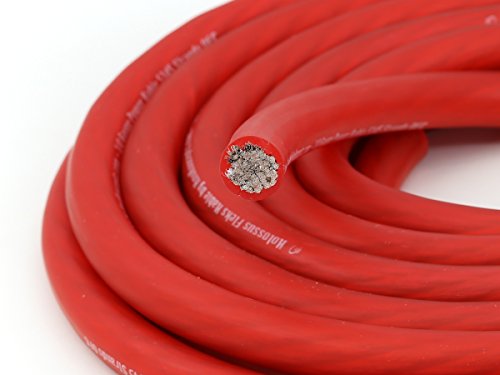
KnuKonceptz Kolossus Flex Kable OFC 4 Gauge Power Wire Red 10 ft

InstallGear 4 Gauge Battery Cable 25ft Pure Copper OFC

GEARit 4 Gauge OFC Wire Set 25 ft Each Red/Black Battery Cable

HiFind 4 Gauge 4 AWG 15 Ft Blue Power/Ground Wire
HiFind 4 Gauge 4 AWG 15 Ft Black Power/Ground Wire
HiFind 4 Gauge AWG Power Ground Wire Cable 10 Ft 2 Pack
A Closer Look At Each Pick
I’ll start here because the GS Power spool is built for the kind of job most people actually do: pulling speaker wire through doors, kick panels, and trunk runs. It’s 14 AWG rather than 4 gauge, which matters. The thicker 4 gauge options lower in this list are purpose-built for power and ground between the battery and an amp, while this 14 AWG oxygen-free copper paired run handles signal to your speakers without choking dynamics.
The bonded red and black jacket means you route both conductors together, then split them at the speaker side. For a four-door full rewire, having 100 ft of each conductor on one spool removes the guesswork.
Practical Pluses
- 99.99% oxygen-free copper (OFC) conductors keep resistance low over long door-to-trunk runs, which preserves signal clarity.
- Bonded jacket simplifies routing through tight grommets and door boots, then peels apart cleanly at the speaker end.
- 200 ft of paired wire is enough for most full-car speaker rewire projects without leftover scraps.
- Stranded copper flexes around corners without kinking, which matters when pulling through factory channels.
Things To Consider
- 14 AWG is speaker wire, not power wire. Running it to an amp from the battery undersizes the run and can starve high-current systems.
- Some installers find the jacket a bit thicker than bare copper wire, so plan extra room at tight bends.
Who It Suits Best
Anyone doing a full factory-to-aftermarket speaker rewire in a sedan or SUV and wants enough wire for both runs from a single spool.
Consider Something Else When
Truck owners wiring a sub amp from the battery should reach for the KnuKonceptz Kolossus Flex Kable, which is true 4 gauge.
The Kolossus Flex is the cable I think about when an install demands tight bends behind a head unit or amp rack. It’s a 10 ft run of true 4 AWG built from 2058 strands of tinned oxygen-free copper, which gives it a noticeably soft hand compared to stiff CCA alternatives. The matte PVC jacket grips well without feeling rubbery.
Where the GS Power spool handles speaker signal, this one is sized for the current an actual amplifier pulls. The tinning helps resist corrosion in humid environments, so it’s a thoughtful choice for marine and RV work as well as cars.
Noteworthy Benefits
- 2058 strands of tinned OFC means extreme flexibility, ideal for routing through dashboards and amp brackets.
- Tin coating resists corrosion, which makes it a smart pick for marine panels and humid engine bays.
- The cable is reported to meet or exceed AWG standards, which matters when true gauge affects voltage drop.
- Matte soft-touch PVC stays flexible in cold weather and lays flat when routed along trim panels.
Worth Noting
- At 10 ft, this run covers short amp hops but won’t reach a trunk-mounted amp from a front battery without adding length.
- Premium construction puts it above basic CCA pricing, so budget installers may look at the InstallGear instead.
Made For
Enthusiasts running a compact amp under a seat or in a center console who want premium copper and tight-bend flexibility.
Skip It When
Anyone needing a longer matched red-and-black pair from a single brand should consider the GEARit 4 Gauge OFC Wire Set.
The InstallGear cable sits in the middle of this list because it’s a workhorse 25 ft spool aimed at full vehicle runs. It’s pure OFC copper, so it sidesteps the conductivity trade-off of CCA. The jacket is built to take engine bay heat, which matters if you’re routing power cable near exhaust manifolds or headers.
For a typical trunk-mounted amp install with the battery up front, 25 ft gives you breathing room for both the positive run and a separate ground to chassis. Compare that to the KnuKonceptz’s 10 ft, which assumes a closer battery.
What It Does Well
- Pure OFC copper holds voltage under load better than CCA, which keeps bass tight on heavy transients.
- Heat-resistant jacket holds up near engine bay heat sources without stiffening or cracking.
- 25 ft covers most front-battery-to-trunk-amp runs with margin for routing around fuel lines and AC lines.
- Flexible jacket helps during installation, even if it’s not as supple as the KnuKonceptz tinned build.
Points To Note
- Spools are sold in one color, so a separate ground cable in a different color is needed to keep polarity obvious.
- Some owners report the jacket can scuff if dragged across sharp edges, so add grommets at metal pass-throughs.
Best Suited To
DIYers running a full front-to-back amp install in a car, RV, or trailer who want one spool that handles the run.
Reach For A Different Pick When
Tight-bend routing near a firewall or dash calls for the more flexible KnuKonceptz Kolossus Flex Kable.
The GEARit set solves a small but nagging problem: matching lengths. You get one 25 ft red cable and one 25 ft black cable, both stranded OFC at true 4 gauge, so power and ground runs end at the same place without one falling short. For installers who like color-coded polarity from the start, this avoids the “grab another spool” trip mid-project.
The set format also makes it friendly for bench work. A hobbyist wiring a sub box, a second battery, or a solar array on a camper can run both conductors in parallel without guesswork.
What Stands Out
- Stranded OFC copper at 4 gauge handles sustained amp draw without the voltage sag CCA can introduce.
- Red and black color coding from the same brand keeps polarity obvious during the install and any future service.
- 50 ft total covers full vehicle runs, dual battery links, or marine and solar wiring projects.
- Stranded construction makes routing around corners easier than solid-core cable of the same gauge.
Honest Caveats
- Two separate cables mean two jackets to route, which can be bulkier than a bonded pair in tight channels.
- Some users report the jacket is firmer than premium tinned builds, so plan slightly larger bend radii.
Key Specs
Perfect Match For
Bench installers and DIYers running matched power and ground in a car, boat, or off-grid solar project.
Look Elsewhere When
Anyone wiring a tight engine bay bend should consider the softer KnuKonceptz Kolossus Flex Kable.
The HiFind blue cable is a budget entry built around copper-clad aluminum (CCA), with about 30% copper content in the conductor. CCA is lighter and cheaper than pure copper, which is why this 15 ft run lands at a friendlier price point. The blue jacket helps you mark a specific circuit if you’re running multiple wires through the same loom.
The honest read is that CCA trades some conductivity for that lighter weight. For short runs to a moderate-draw amp, it does the job. For long runs or high-current systems, stepping up to OFC pays off in voltage stability.
The Helpful Details
- CCA construction keeps the cable light, which matters when routing overhead or along a roof rail.
- Soft-touch jacket bends easily around corners in tight installs.
- Blue color helps distinguish a specific run in a multi-cable loom, useful in complex builds.
- 15 ft fits typical compact amp locations without excessive slack to bundle.
Some Limits To Know
- CCA has higher resistance than OFC, so longer runs may show more voltage drop at high volume.
- One color per spool means a separate ground wire is needed for a full install.
Whose Shelf It Belongs On
Shed, garage, and hobby projects where weight savings and budget matter more than maximum conductivity.
A Better Fit Elsewhere
Anyone running a high-current sub amp from a front battery should reach for the InstallGear 4 Gauge Battery Cable.
The black HiFind is the same cable as the blue one in spec, just dressed for the negative side of an install. Black is the conventional color for ground conductors, which keeps the wiring visually consistent with factory harnesses and avoids confusion during future service work. CCA construction, 4 AWG, soft-touch jacket, and 15 ft of length.
The pairing logic matters here. If you grabbed the blue HiFind for the positive run, this black version completes the circuit without buying two of the same color.
Notable Gains
- Black jacket matches conventional negative-side color coding for a clean, professional-looking install.
- CCA keeps the cable light and flexible for routing along chassis grounding points.
- 15 ft fits typical short chassis-to-amp or battery-to-body ground runs.
- Pairs naturally with the blue HiFind to form a matched positive and negative pair.
Trade Offs
- CCA grounding over long chassis paths can introduce small voltage differences versus pure copper.
- For high-amperage systems, a heavier OFC ground like the GEARit set may be the wiser call.
The Right Fit
Installers who want a separate, color-coded ground cable for a short amp or accessory circuit.
Swap It Out When
Long ground paths or high-current systems deserve the GEARit 4 Gauge OFC Wire Set instead.
The HiFind 2-pack is the most install-specific entry on this list. You get two 10 ft runs of 4 AWG CCA cable, red and black, with a braided shield and aluminum foil layer designed to resist electromagnetic interference. For amp racks sitting near factory ECU modules, that shielding can keep signal noise from creeping into sensitive audio.
It’s also a tidy package for someone running a small system in a tight space, where 10 ft is exactly what you need and the matched pair saves a second order.
The Case For It
- Braid plus foil shielding helps reject EMI from nearby engine and electronics modules.
- 10 ft paired runs fit compact amp installs without excess cable to bundle.
- CCA keeps the cable light, which is helpful in overhead or wall-mounted routing.
- Red and black pair ships together, so polarity coding is built in from the start.
Possible Compromises
- CCA construction trades some conductivity versus the OFC options higher in this list.
- Shielded cable is slightly stiffer than unshielded builds, so allow extra room at tight bends.
Built With In Mind
Compact amp racks and tight installs where EMI shielding matters more than maximum conductor cross-section.
Where A Sibling Pick Shines
Anyone running a longer, higher-current trunk amp should consider the InstallGear 4 Gauge Battery Cable.
What To Weigh Before Choosing 4 Gauge Speaker Wires
Match Conductor Type To Current Demand
Oxygen-free copper (OFC) carries current more efficiently than copper-clad aluminum (CCA). For high-current amp runs or any distance over 10 to 12 ft, OFC keeps voltage drop low and bass response tight. CCA can still do the job on short, light-duty runs where budget and weight matter more than maximum conductivity.
Length And Routing Drive Cable Choice
Measure the actual routing path, including curves around obstacles, before settling on a spool length. Add a foot or two for service loops at terminals. A 10 ft run covers under-seat amps, while 25 ft handles front-battery-to-trunk layouts. Buying too short mid-project is the most common reason for a return trip.
Jacket And Environment Matter
Heat-resistant jackets are worth it in engine bay routing. Tinned conductors resist corrosion in marine and humid environments. Soft-touch PVC bends more easily in tight dashboards and amp brackets. The right jacket turns a frustrating install into a smooth one.
Color Coding And Shielding Are Practical Details
Color-coded red and black pairs reduce polarity mistakes during installation and any future service. Shielded braid with foil rejects EMI in installs near factory electronics. Neither feature changes the wire’s ability to carry current, but both make the build cleaner and quieter.
Practical Wisdom For 4 Gauge Speaker Wire Shoppers
Where Shoppers Go Wrong
CCA sold as “4 gauge” sometimes measures thinner than true AWG after insulation, which can hurt current capacity. Buyers who skip measuring their routing path often end up with a spool that’s too short. Buying cable without considering jacket type can mean cracked insulation in hot engine bays. Always measure, confirm true gauge, and match jacket to environment.
What Separates Premium From Basic
Premium 4 gauge wire costs more because of higher copper content, finer strand counts, and tinned coatings that fight corrosion. Softer jackets and tighter AWG tolerances come from better extrusion and quality control. For a daily-driven car with modest audio, the basics work fine. For high-current systems, marine use, or long cable runs, the upgrade pays back in stable voltage and longer service life.
Frequently Asked Questions
Is 4 gauge wire actually needed for most car audio?
For modest systems under 500 watts RMS, 8 gauge often does the job. 4 gauge becomes important once you push past that threshold, run long cable paths, or add a second battery. Choosing thicker than needed rarely hurts, but undersizing can starve an amp and dim headlights on bass hits.
Can I mix OFC and CCA wire in the same install?
Mixing is technically possible but not ideal. The two conductors have different resistance profiles, and the transition point can create an inconsistent current path. Sticking with one material throughout the power and ground run keeps behavior predictable.
How do I know if a cable is true 4 gauge?
True 4 gauge cable measures roughly 5.19 mm in conductor diameter before insulation. Cheaper CCA wire sometimes falls short of that. Visual inspection of the strip and cross-section, or checking stated AWG compliance with the manufacturer, is the practical check.
Is shielded 4 gauge wire worth the extra cost?
In installs near factory ECU modules, alternator cables, or noisy ignition components, shielding helps reject interference that can show up as alternator whine in the audio. In simpler setups routed away from noise sources, unshielded cable is typically fine.
Does cable color affect performance?
Color is purely a labeling convention. Red for positive and black for ground is the standard, which makes polarity mistakes less likely. The conductor inside the jacket is what carries current, and that doesn’t change with jacket color.
Closing Thoughts
Pick the cable that matches your install, not the one with the flashiest spec sheet. A short OFC run from the KnuKonceptz or a longer matched set from GEARit covers most real-world projects cleanly. CCA options from HiFind fit budget and weight-sensitive builds. Any of these will do honest work if matched to the system you actually have.
