

Power connections don’t get much fuss, until one lets go at the worst moment. A generator running through a transfer switch, an RV parked at a campsite, a welder humming in a workshop: each scenario depends on a plug that won’t wiggle free mid-use. I’ve gathered six 30 Amp Twist Lock Plugs and adapters that handle these situations, mixing trusted industrial names with newer specialty options so you can find what your setup actually needs.
A Closer Look At The Lineup

Leviton 30 Amp NEMA L14-30P Locking Plug
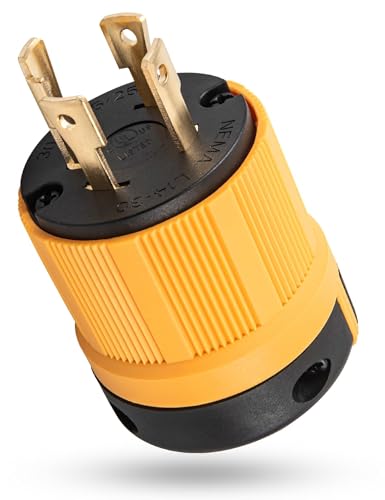
MECMO L14-30P Generator Locking Plug 30A

Kohree RV Adapter 30A to 15A Twist Lock
MECMO L5-30P Generator Locking Plug 30A

MECMO L14-30R Generator Locking Connector

AA Ignition RV Adapter 15A to 30A 12″
Why These Options Stand Out
The Leviton 2711 has been the quiet workhorse of generator hookups for decades, and for good reason. As an NEMA L14-30P plug, a four-prong configuration rated for 125/250V, it carries both legs of split-phase power plus neutral and ground, which makes it the standard match for many whole-home transfer switches. Industrial-grade construction means the locking collar and body are built to take repeated connect-and-disconnect cycles without the housing cracking.
Owners wiring up a backup generator or replacing a damaged cord end tend to land on this one because Leviton’s reputation carries weight in the electrical trade. Compared to the newer MECMO entry below, the Leviton trades flashy features for the comfort of a part number an electrician recognizes on sight. For most residential backup setups running through a transfer switch, this remains the baseline I trust.
A Favorable Mix
- Industrial-grade build designed for repeated mating cycles in workshop or garage environments
- NEMA L14-30P configuration handles 125/250V split-phase, matching most home transfer switches
- Recognized part number means replacement parts and electrician familiarity are easy to find
- Locking collar rotates smoothly to seat fully before power flows, reducing arc risk on connection
Things To Consider
- Requires a full four-wire cord (hot, hot, neutral, ground), which adds bulk over three-wire alternatives
- Installation calls for proper strain relief and wire termination, so less experienced DIYers may want guidance
Quick Facts
Built With In Mind
Homeowners with a portable generator wired to a transfer switch who want a plug an electrician can source and install without second-guessing.
Consider Something Else When
RV owners running 125V-only shore power will find the MECMO L5-30P a simpler three-prong fit for their setup.
MECMO’s L14-30P arrives as a male-end replacement plug aimed squarely at generator cords that have seen better days. The twist lock collar clicks into place and stays put, which matters when a portable generator is vibrating on a concrete pad during a long outage. Rated for the same 125/250V split-phase service as the Leviton above, it slots into the same transfer switch inlet without compatibility headaches.
This is the plug I think of when someone tells me their generator cord end got dragged across gravel or chewed by a critter. It’s industrial-strength, so the body holds up to rough handling in truck beds and job sites. For homeowners running a portable generator who want a fresh cord end without replacing the entire cable, this hits the right balance of price and durability.
Bright Spots
- Twist lock design resists vibration pull-out, critical for portable generators running on uneven pads
- Direct replacement for damaged L14-30P male ends, avoiding the cost of a full cord replacement
- Industrial-strength housing handles rough handling in truck beds and outdoor storage
Points To Keep In Mind
- Wire termination requires attention to torque specs, so the install benefits from a second look before energizing
- MECMO is a newer brand in this category compared to Leviton, so long-term field data is still building
Made For
Portable generator owners who need to replace a damaged male plug on their existing cord rather than buy an entirely new assembly.
Look Elsewhere When
Anyone wiring a permanent transfer switch installation may prefer the Leviton 2711 for its long-standing electrician familiarity.
The Kohree adapter solves a specific campsite headache: pulling into an older site with only a standard 15A household outlet and needing to power the RV’s 30A twist lock inlet. A 12-inch cable bridges a NEMA 5-15P male (the regular household plug) to an L5-30R twist lock female. The built-in LED indicator lights up when power is flowing, sparing you the walk back inside to check whether the battery is charging.
Compared to the AA Ignition dogbone below, this one adds the LED indicator but keeps the same compact short-cable form factor. For travelers who move between full-hookup sites and older parks with limited amperage, it’s a small tool that pays for itself the first time you avoid a dead-battery morning. The trade-off is real: running an RV on 15A means managing load carefully, since the adapter doesn’t add capacity, it only adapts the plug shape.
Everyday Perks
- LED indicator confirms at a glance whether the outlet is delivering power, handy in low-light campsite setups
- Twist lock on the 30A female side keeps the connection secure even when the cord gets nudged
- 12-inch length bridges the gap between an awkward outlet position and the RV inlet without excess coil
Soft Spots
- 10/3 STW cord jacket, while durable, is stiffer than lighter residential cords and stores bulky in tight RV compartments
- Limited to the load a 15A household circuit can supply, so high-draw appliances need to stay off
Feature Snapshot
Right Fit For
RV travelers who frequently camp at sites with only basic 15A outlets and want a quick visual confirmation the power is flowing.
A Better Fit Elsewhere
Shoppers who don’t need the LED indicator and want a slightly lower-cost option should look at the AA Ignition adapter in this lineup.
The MECMO L5-30P is a three-prong twist lock plug, which makes it the right call for 125V-only setups that don’t need split-phase power. RVs and boats commonly use this configuration for shore power: you get hot, neutral, and ground without the extra leg that 240V appliances require. At 30A and 125V, it matches what most marinas and RV parks actually deliver.
Compared to the four-prong L14-30P sibling above, this one trades the second hot leg for a simpler wire bundle. For marine applications where corrosion resistance and a secure twist lock matter, the industrial-grade housing aims to handle the saltwater-adjacent environment. If you’re replacing a cracked or corroded plug on a marine shore power cord, this is the configuration you need.
Features That Help
- NEMA L5-30P three-prong layout matches most RV and marine shore power inlets without rewiring the whole cord
- Twist lock collar prevents accidental disconnection from dock or campsite power pedestals
- Industrial-grade construction aims to resist the corrosion cycles common near coastal storage
Honest Caveats
- Limited to 125V service, so anyone running 240V equipment will need the four-prong L14-30P version instead
- Saltwater exposure still calls for routine rinsing and inspection regardless of housing grade
Best Suited To
Boat owners and RV travelers with 125V-only shore power needs who want a secure locking connection at the pedestal.
Reach For A Different Pick When
Anyone running 240V appliances through a transfer switch should be looking at the Leviton 2711 or the MECMO L14-30P for the extra hot leg.
The MECMO L14-30R is the female counterpart to the L14-30P male plug reviewed earlier, and it answers a very specific repair scenario. When the female receptacle end of a generator cord gets cracked, melted, or worn from repeated connect-disconnect cycles, this replacement connector lets you rebuild the cord without buying a whole new assembly. The NEMA L14-30C form factor is the matching receptacle that accepts the standard L14-30P male plug.
Workshop owners and homeowners who rely on their generator cord regularly tend to wear out the female end first because it’s the side that takes the most handling. Compared to swapping the entire cord, replacing just the connector body saves money and keeps the cable length you already trust. The twist lock design here mirrors the male version, so the connection stays seated under vibration.
What Earns Its Place
- Female receptacle replacement avoids the cost of a full generator cord when only the end is damaged
- Twist lock collar matches the male plug version, maintaining a vibration-proof connection through the repaired cord
- Industrial-strength housing handles the rough handling common in workshop storage and transport
- Same NEMA L14-30 configuration as the male plug, so compatibility with transfer switches stays consistent
A Few Limitations
- Replacement requires cutting the old connector off and re-terminating four wires, which may not suit everyone
- MECMO’s track record in this specific connector is shorter than legacy brands, so long-term data is still emerging
At A Glance
Whose Shelf It Belongs On
Workshop owners and homeowners with a worn generator cord end who want to repair rather than replace the full cable.
Swap It Out When
If you need a male plug replacement instead of a female connector, the MECMO L14-30P earlier in this list is the matching pick.
The AA Ignition adapter covers the same basic job as the Kohree above: bridging a 15A household outlet to an RV’s 30A twist lock inlet. The difference comes down to construction and extras. This one uses an ergonomic polyvinyl plastic body that bends 180 degrees at both ends, which helps when the campsite outlet is awkwardly positioned behind a picnic table or post. At 12 inches, it’s the same compact length that keeps the cord from coiling into a trip hazard.
For casual RV owners who don’t need the LED indicator and want a straightforward dogbone adapter, this hits the practical middle ground. Compared to the Kohree, you trade the visual power confirmation for a slightly different housing profile. The twist lock on the 30A female side still does the real work of keeping the connection secure during windy nights and restless neighbors.
Everyday Advantages
- Polyvinyl housing bends 180 degrees at both ends, easing strain when the outlet sits in an awkward spot
- Twist lock on the 30A side keeps the connection from working loose in windy or high-traffic campsites
- 12-inch length keeps the adapter compact enough to store in most RV exterior compartments
Factors To Consider
- Lacks the LED power indicator found on the Kohree adapter, so confirming power requires checking inside the RV
- Still bound by the 15A source circuit’s capacity, so high-draw appliances need to stay off
Made For
Casual RV travelers who occasionally need to adapt a 15A outlet and prefer a flexible housing over added indicator lights.
Not Your Match When
Anyone who wants at-a-glance power confirmation should pick the Kohree RV adapter earlier in this roundup instead.
What Matters When Choosing a 30 Amp Twist Lock Plug
NEMA configuration is the first thing to match. The NEMA L14-30 (four-prong) handles 125/250V split-phase service for whole-home generators, while the NEMA L5-30 (three-prong) covers 125V-only RV and marine shore power. Picking the wrong configuration means the plug physically won’t seat in the inlet, so this single choice eliminates half the options right away.
The twist lock mechanism itself is the next attribute that separates these from standard plugs. The rotating collar seats the plug fully into the receptacle before contact is made, which reduces arcing during connect-disconnect cycles and keeps the connection secure under vibration. For portable generators running on uneven pads, this matters more than the housing material.
Cord and housing rating come down to environment. STW-rated cords handle outdoor weather and oil exposure, while industrial-grade thermoplastic housings resist impact better than residential-grade plastic. For workshop or jobsite use, the heavier rating pays back in longevity; for occasional home backup, a lighter build may suffice.
Replacement versus full-cord replacement is the practical decision most shoppers face. If the cord itself is fine but the plug end is damaged, a replacement connector like the MECMO L14-30R or L14-30P saves the cost of a new cable. If the cord is frayed or undersized, replacing the whole assembly with the correct gauge wire is the safer move.
Smart Considerations Across These Picks
Where Shoppers Go Wrong
The most common slip-up in this category is mixing NEMA configurations. A four-prong L14-30P plug physically cannot seat in a three-prong L5-30R receptacle, and forcing it damages both parts. Before clicking buy, confirm the exact configuration printed on your existing inlet or transfer switch. The second pitfall is underestimating cord gauge: a 30A circuit demands 10-gauge wire at minimum, and lighter cords overheat under sustained load, which becomes a genuine safety issue rather than just an inconvenience.
Where The Extra Money Goes
Higher-tier plugs and adapters in this category typically spend the difference on housing material and internal contact construction. Industrial-grade thermoplastic resists cracking in cold weather better than residential-grade plastic, and brass or nickel-plated contacts hold conductivity longer than bare copper under repeated mating cycles. For someone running a generator weekly or storing gear in an unheated workshop, that upgrade pays back in fewer replacements. For an occasional-use RV adapter, the lighter build may be enough.
Frequently Asked Questions
What does NEMA L14-30 mean? NEMA L14-30 refers to a four-prong locking configuration rated for 30A at 125/250V split-phase service. It’s the standard configuration for most portable generators wired to home transfer switches.
Can I use a 30 Amp twist lock plug with a regular outlet? Not directly. A 30A twist lock plug requires a matching L14-30 or L5-30 receptacle. Adapters like the Kohree or AA Ignition bridge to a 15A household outlet but limit you to that lower amperage.
What’s the difference between L14-30 and L5-30? L14-30 is a four-prong configuration carrying 125/250V split-phase for home backup generators. L5-30 is a three-prong configuration carrying 125V only, common in RV and marine shore power.
Do I need an electrician to install a 30 Amp twist lock plug? For cord-end replacements, experienced DIYers can handle wire termination with proper tools. For transfer switch or panel wiring, a licensed electrician is the safer call given the amperage involved.
How do I know which gauge wire to use with these plugs? 30A circuits require 10-gauge wire at minimum, and longer runs may need 8-gauge to avoid voltage drop. Check the cord jacket marking before connecting to confirm the gauge matches the plug rating.
Final Verdict
A 30 Amp Twist Lock Plug earns its place by staying seated when everything around it shakes, and by matching the exact NEMA configuration your inlet calls for. Match the configuration first, then choose based on environment and whether you’re replacing an end or building a new cord. The right plug is the one that fits your inlet, your wire gauge, and your workload without cutting corners.
