

A blown fuse at the worst possible moment can ruin a fishing trip, stall a van build, or leave a boat dead at the dock. I’ve spent enough time chasing electrical gremlins in trucks, campers, and small craft to know that a tidy fuse block is the difference between fixing a fault in minutes and pulling half a dashboard apart. The seven 12v fuse blocks below cover the common ground: 12V to 24V systems, ATC/ATO blade fuses (the standard “blade” style fuse found in nearly every modern vehicle), and some form of indicator so you can spot trouble fast. Here’s what fits, what matters, and where each one earns its place.
The Leading Options At A Glance
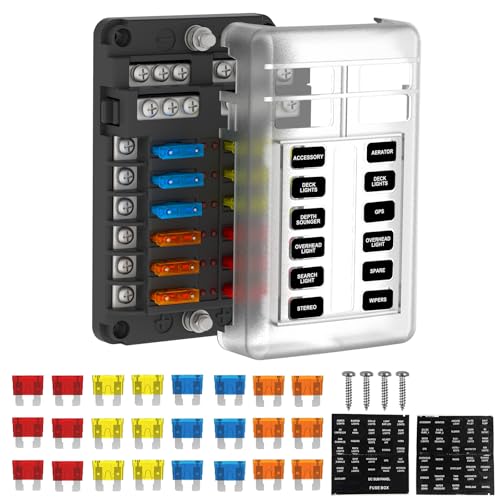
UCkasayfy 12 Way Fuse Block Box 12V/24V DC

UCkasayfy 12 Way Fuse Block Box with LED Display

UCkasayfy 6 Way Fuse Block Box with LED Display

True Mods 6 Way Blade Fuse Box with Negative Bus

Pautou 6-Way Marine Fuse Block with LED Indicator

FASTSTORM 12 Way Fuse Block with 36 Blade Fuses

SOYOND 12 Volt Fuse Block with Damp-Proof Cover
Meet The Standout Selections
Twelve slots is a sweet spot for most weekend builds, and this UCkasayfy panel lands right in it. It runs 12V to 32V systems with a 100A total ceiling and 30A per circuit, which covers everything from driving lights and a sound system to a fridge and a couple of USB chargers in a sprinter van.
The red LED indicator sits beside each fuse, so a tripped circuit announces itself without pulling fuses in the dark. I’ve talked to enough overlanders to know that step alone saves hours of head-scratching on a trail repair.
Where It Excels
- Twelve independent circuits give you room to grow a build in stages
- Individual LED indicators make fault-finding genuinely fast at night
- 30A per circuit handles heavier accessories like inverters and pumps
- Wide 12V to 32V tolerance suits mixed automotive and marine setups
Things To Consider
- Cover is not fully sealed, so it prefers dry engine bays over open decks
- Larger footprint needs a planned mounting spot before wiring begins
Who It Suits Best
Diyers building out a van, truck, or trailer with a moderate spread of accessories.
Look Elsewhere When
Wet marine installations call for the Pautou 6-Way Marine Fuse Block with LED Indicator, which ships with a sealed cover.
Same twelve-circuit layout as the first pick, but with a built-in voltage readout showing the live battery state from 5V to 32V. For anyone running solar, a fridge, or auxiliary lighting off a second battery, that screen turns the fuse box into a tiny dashboard.
The rest of the spec sheet is familiar territory: ATC/ATO compatibility, 12V to 32V input, individual LEDs per circuit. The difference is that you can spot a sagging alternator or a slow drain without pulling out a multimeter.
Standout Benefits
- Integrated voltage display removes the need for a separate battery monitor
- Identical 12-circuit capacity matches the first UCkasayfy panel for consistency across builds
- 5V to 32V readout range also covers smaller accessory batteries
- Helps catch low-voltage damage before it kills expensive electronics
Worth Noting
- The display draws a small amount of current, which matters on long-stored vehicles
- Pricier than the indicator-only sibling above for what amounts to a screen swap
Feature Snapshot
Made For
Builders running a second house battery who want charging health visible at a glance.
Consider Something Else When
Dry, simple installs without a battery monitor requirement can skip the screen and grab the UCkasayfy 12 Way Fuse Block Box 12V/24V DC instead.
If the twelve-circuit UCkasayfy is overkill, this six-circuit sibling trims back without losing the screen. It runs the same 12V to 32V range and same ATC/ATO fuse format, just with fewer slots and a tighter housing.
It’s the friendlier choice for a motorcycle, a side-by-side, or a small boat where space is tight and accessory count is low. You still get a real-time voltage readout, which is rare at this size class.
Practical Pluses
- Six circuits are plenty for lights, a horn, USB, and a small audio setup
- Compact housing fits where larger blocks physically cannot
- Live voltage display carries over from the bigger UCkasayfy panel
- Same LED-per-circuit fault indication as the twelve-way model
Trade Offs
- Half the circuit capacity of the larger UCkasayfy twelve-way block
- Limited headroom if accessory lists grow over time
Right Fit For
Riders and weekend tinkerers running modest loads on smaller vehicles or craft.
Reach For A Different Pick When
Van and overland builds with a longer accessory list suit the SOYOND 12 Volt Fuse Block, which has twelve circuits and a damp-proof cover.
Where most picks in this roundup ship a single fuse box, the True Mods panel arrives as a pack of two. For shops or anyone running two isolated electrical zones (front and rear of a vehicle, say), that math works out cleanly without ordering twice.
The six ATC/ATO slots per box give 100A total and 30A per circuit, and each one carries an LED indicator. A built-in negative bus bar means grounds land on the block itself instead of chasing chassis bolts.
Why It Works Well
- Pack-of-two format saves money and shipping on multi-zone builds
- Integrated negative bus bar keeps grounds tidy and consistent
- 100A total per box handles serious accessory loads
- Snap-on protection cover shields the fuses from splash and dust
Small Caveats
- No voltage display like the UCkasayfy six-way panel
- Buying two when you only need one offsets the value angle
Best Suited To
Installers splitting power distribution between two zones in a larger vehicle or trailer.
A Better Fit Elsewhere
Single-zone hobbyists avoid the redundant second box and find the FASTSTORM 12 Way Fuse Block with 36 Blade Fuses more efficient.
Salt spray and splash punish exposed electrical parts, which is exactly why the Pautou block exists. It’s a six-circuit ATC/ATO panel wrapped in a waterproof cover, with a red LED that lights up the moment a fuse blows.
Inside, the housing is built from PBT (a tough, heat-resistant plastic often used in automotive connectors) with high mechanical strength and good heat and flame resistance. On small craft, golf carts, or any open-deck mount, that combination pays off the first time a wave lands where it shouldn’t.
A Few Highlights
- Waterproof cover protects against spray and rain at the dock
- Bright red LED makes a blown fuse obvious without opening the cover
- PBT body resists heat, flame, and mechanical stress
- Works with 12V and 24V systems across marine, RV, and automotive use
Points To Keep In Mind
- Six circuits cap out modest accessory lists faster than larger blocks
- Lighter on board-level diagnostics than voltage-display competitors
Feature Card
Who Should Grab It
Boat owners and RV folks who need sealed protection in genuinely wet mounting spots.
Swap It Out When
Dry installs with longer accessory lists suit the FASTSTORM 12 Way Fuse Block with 36 Blade Fuses instead.
The FASTSTORM twelve-way arrives with thirty-six blade fuses already in the box, plus a sticker sheet for labeling each circuit. For someone wiring their first build, that little sticker pack makes a bigger difference than it sounds.
Each slot has its own red LED, and the housing is water resistant rather than fully waterproof, so it handles splashes and rain but stays happier under a hood or behind a panel than on an open foredeck.
A Favorable Mix
- Fuses and labels ship in the box, so the first install is one trip to the mailbox
- Twelve circuits cover a typical accessory spread with room to spare
- Red LED per slot removes guesswork during fault checks
- Water-resistant housing handles engine-bay and under-dash mounting
Honest Caveats
- Not fully sealed, so it is not the right call for open-deck marine use
- The included fuse assortment skews common sizes, so specific amperages may still need a separate purchase
Who Will Love This
First-time builders who want a complete starter kit without sourcing fuses separately.
Where Another Pick Suits Better
Boat owners needing sealed protection are better served by the Pautou 6-Way Marine Fuse Block with LED Indicator.
SOYOND leans into hardware quality where it counts. The busbars (the metal strips that distribute power across each fuse position) and fuse clips are nickel-plated copper, which holds up far better to corrosion than bare copper in marine air. A damp-proof cover adds another layer of protection.
Twelve circuits, 30A per circuit, and a 300A panel ceiling make this the heaviest hitter in the roundup. The red LED warning light still does its job, telling you which fuse has called it quits.
What Makes Sense
- Nickel-plated copper hardware resists corrosion on long-term marine installs
- 300A panel ceiling handles serious inverter and audio loads
- Damp-proof cover keeps condensation off the fuses
- Twelve circuits suit full camper, boat, or overland electrical systems
Where It Is Less Suited
- Larger chassis footprint demands planning before mounting
- More capability than small-bike or simple builds realistically use
Perfect Match For
Serious marine or overland builds running heavy loads in corrosion-prone environments.
Not Your Match When
A modest two-accessory install belongs on the UCkasayfy 6 Way Fuse Block Box with LED Display instead.
Picking The Right Fuse Block For Your Build
The right 12v fuse block is less about brand and more about matching the panel to your accessory count, your environment, and how much diagnostic detail you actually want at a glance.
Circuit count is the first gate. Six circuits covers a motorcycle, a side-by-side, or a basic lighting setup. Twelve covers a full van, boat, or trailer build. For multi-zone installs, a pack-of-two like the True Mods option spreads loads across separate boxes without doubling the wiring effort.
Environment matters more than people expect. A dry engine bay or interior panel tolerates a basic indicator-only block. Open decks, boat consoles, and exposed trailer mounts benefit from waterproof covers, damp-proof sealing, or nickel-plated hardware that fights corrosion. Saltwater punishers go straight to the SOYOND or Pautou options.
Diagnostic features range from simple LED fault lights to live voltage displays. LEDs tell you which fuse blew. Voltage displays tell you whether the battery is healthy in the first place. For solar banks, second batteries, or anything that sits unused for weeks, that screen earns its place.
Per-circuit amperage (how much current each fuse slot can safely handle) and panel total both deserve a look. A 30A-per-circuit ceiling is the realistic minimum for anything beyond small electronics. Higher totals give headroom for inverters and amplifiers.
Smart Shopping Notes For Fuse Block Shoppers
Common Shopping Slip Ups
Under-buying circuits is the most frequent miss. Six slots sounds generous until the second USB charger, light bar, and compressor get added. Plan for growth rather than building tight. Another slip is ignoring the environment: indicator-only blocks do fine under a van dashboard, but on an open boat deck they corrode faster than most people expect.
Where The Extra Money Goes
Higher-tier 12v fuse blocks earn their cost through three things: corrosion-resistant hardware like nickel-plated copper, sealed covers that block moisture, and built-in voltage monitoring that replaces a separate battery gauge. For a weekend car build, those extras feel optional. For a boat that lives on a lift or a van that sits in a driveway for months, they prevent the slow failures that ruin electronics.
