

Most people don’t think about the tiny 12V cell powering their garage remote until the door refuses to open on a rainy night, or their car’s alarm fob goes silent in a parking lot. That’s the real-world moment these batteries exist for: small specialty cells that quietly run key fobs, alarm sensors, glucometers, dog-training collars, and remote-control toys. I focused this roundup on the two flavors shoppers actually hunt for: tiny alkaline A23/MN21 cells for household gadgets, and one mid-size LiFePO4 pack for folks who want a rechargeable option for outdoor or hobby use.
A Snapshot Of The Selections

A23 23A 12 Volt Battery (20-Pack), MN21/23 12V Alkaline

Duracell MN21/A23 12 Volt Alkaline Battery 2 Pack

GOLDENMATE 12V 10Ah LiFePO4 Lithium Battery, IP67

A23 23A 12 Volt Battery (5-Pack), MN21/23 12V Alkaline

A23 23A 12 Volt Battery (10-Pack), MN21/23 12V Alkaline
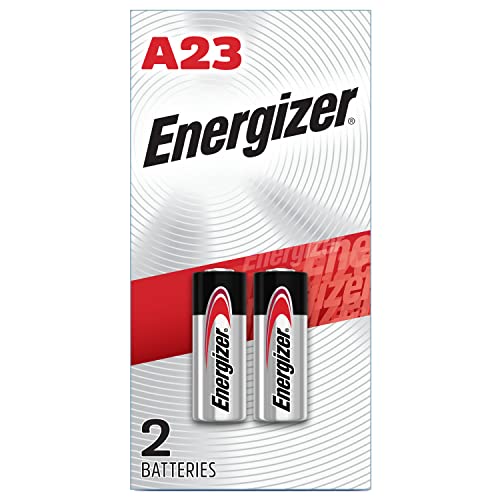
Energizer A23 Batteries (2 Pack), Alkaline

Duracell 21/23 12V Alkaline Battery, 1 Count
Twenty cells is a lot for one household, but hear me out. A typical home runs three or four A23-powered devices at any given moment: a garage remote, a car alarm fob, maybe a wireless doorbell, occasionally a glucometer or pet collar. Buying singles each time gets old fast, and the math usually punishes you for it.
The Bvgokcell 20-pack arrives in plastic-bordered sleeves that keep the cells organized until you need them. Each A23 (also called MN21 or 23A, depending on the device label) outputs 12 volts from alkaline chemistry, which is what most low-drain specialty gadgets expect. The trade-off versus smaller packs is shelf flexibility: if your fobs go through batteries slowly, some cells will sit for years.
Noteworthy Benefits
- Twenty cells means most households stop thinking about replacements for a long stretch.
- Low self-discharge chemistry, so spares stay usable across long storage.
- Plastic-sleeve packaging helps prevent contact shorts in a junk drawer.
- The A23/MN21/23A naming covers the common specialty cells, reducing the “did I buy the right one?” gamble.
Honest Caveats
- Twenty cells may be more than a one-device household will use before the shelf life drifts past prime.
- Alkaline cells are not rechargeable; budget-conscious hobbyists may want to consider a LiFePO4 alternative like the GOLDENMATE later in this list for repeat-use scenarios.
Right Fit For
Households juggling several fobs, sensors, and specialty gadgets who want one purchase to quietly handle the next few years of replacements.
Skip It When
A single-device user should reach for the Duracell 21/23 single-cell option (pick 7) instead, since twenty spares is wasteful for one remote.
The pair-pack from Duracell is the kind of cell I reach for when a key fob suddenly stops responding on a Tuesday morning. Two A23-equivalent cells, in the MN21/A23 size, ready to pop into a remote and forget about. Duracell has built decades of reputation around alkaline reliability, and this format reflects that no-nonsense approach.
Unlike the bulk Bvgokcell 20-pack above, this Duracell offering is targeted: two cells, one purpose, simple packaging. For someone with a single dead fob and a low tolerance for guesswork, the brand-name familiarity carries weight.
What Stands Out
- Brand-name consistency, which matters when a fob behaves oddly with bargain cells.
- Two-cell format matches how most households actually use these: one in, one spare.
- Standard 12V alkaline output fits the common garage remote, alarm fob, and doorbell range.
Points To Note
- Only two cells, so repeat replacements mean reordering more often than the bulk packs.
- Alkaline cells have a finite shelf clock even sitting unused, so buying years ahead is wasteful.
Quick Facts
Whose Shelf It Belongs On
Anyone with one or two specialty remotes who values predictable performance over the lowest per-cell price.
Look Elsewhere When
Multi-device households may find better long-run value in the Bvgokcell 20-pack (pick 1) without sacrificing the 12V specialty format.
Now we shift gears entirely. The first two picks were coin-sized cells for fobs. The GOLDENMATE 10Ah is a different animal: a rechargeable lithium iron phosphate (LiFePO4) pack in a sealed ABS-style case, designed for kid ride-on toys, fish finders, camping lights, marine accessories, and small solar setups. If your “12V” need involves something heavier than a remote, this is where the conversation changes.
Where the A23 cells above are single-use, this battery lives and dies by the charge cycle. The IP67 rating means dust-tight and short-term water immersion protection. Owners commonly mount it in a kayak hatch or under a jon boat seat without much fuss. The trade-off versus a sealed lead-acid replacement is weight: LiFePO4 is meaningfully lighter, which matters for portable rigs.
Where It Excels
- LiFePO4 chemistry tolerates thousands of recharge cycles, far beyond lead-acid alternatives.
- IP67 sealing handles splashes, spray, and brief dunks during outdoor use.
- Built-in BMS (battery management system) protects against over-charge, over-discharge, and short-circuit damage.
- 10Ah capacity covers several hours of small-motor or lighting loads between charges.
Some Limits To Know
- Requires a LiFePO4-compatible charger; a lead-acid charger can damage the cells.
- Not a drop-in for vehicles needing cranking amps; this is a deep-cycle leisure pack, not a starter battery.
Feature Snapshot
Best Suited To
Anglers, campers, and hobbyists running small 12V accessories who want a rechargeable pack that’s lighter and longer-lasting than old-school sealed lead-acid.
Not Your Match When
Shoppers looking to power a key fob should skip this entirely and pick the Duracell MN21/A23 (pick 2), since this battery is built for very different loads.
Not every household needs twenty cells. The 5-pack is the gentler entry point, ideal for someone who just discovered their garage remote needs replacing and wants enough spares to handle the next surprise without overcommitting. Same Bvgokcell format as the larger packs, same 12V alkaline chemistry, just a smaller sleeve.
I think of this as a “starter stash” pack. It covers one immediate replacement, a couple of spares, and maybe enough to lend a cell to a neighbor mid-moment. For someone whose devices rarely eat batteries, five cells can stretch across a couple of years with no drama.
Bright Spots
- Lower upfront commitment than the 20-pack, easier to justify for a single fob owner.
- Same A23/MN21/23A naming covers most specialty remotes, so cross-brand compatibility holds.
- Plastic packaging keeps the unused cells from shorting against loose change or keys in a drawer.
Trade Offs
- Per-cell cost runs higher than the 20-pack, since bulk discounts favor larger quantities.
- Five cells may run out sooner than expected in households with several A23-powered gadgets.
Who Should Grab It
A homeowner with one or two specialty devices who wants a small buffer without buying more than they’ll use in a reasonable window.
Reach For A Different Pick When
Anyone juggling many remotes will save restocking hassle with the Bvgokcell 10-pack (pick 5) instead.
The 10-pack lands in the practical middle. It feels like the “I have a garage, an alarm, a doorbell, and a couple of mystery fobs in a drawer” tier of household. Buying ten at once cuts down on restocking trips without leaving a sealed pouch of cells gathering dust five years from now.
Compared to the 5-pack above, this version spreads the per-cell cost thinner. Compared to the 20-pack, it’s a more digestible commitment. Same chemistry, same naming convention, same sleeve packaging.
Strengths Worth Knowing
- Ten cells suits the typical multi-fob household without overshooting actual need.
- Low self-discharge spec means cells stored in the original sleeve stay usable across years.
- Compatible with the standard A23, MN21, and 23A labels, so cross-device use is straightforward.
Where It May Fall Short
- Still more cells than a single-device user truly needs.
- Alkaline, so not rechargeable; households wanting a reusable energy source should look at the GOLDENMATE (pick 3) for compatible hardware.
Feature Snapshot
Made For
Families or home offices with a handful of fobs, sensors, and specialty gadgets who want a comfortable buffer against surprise dead cells.
A Better Fit Elsewhere
Single-remote owners should pivot to the Duracell 21/23 single-cell option (pick 7) rather than absorb ten extras.
Energizer’s A23 2-pack is the other major-brand counterpart to the Duracell pair. Same form factor, same 12V alkaline chemistry, slightly different retail footprint. For someone loyal to one brand or simply picking up whatever the local shelf has in stock, this fits comfortably alongside the Duracell option above.
Where this Energizer offering earns its keep is in the long-running brand history with specialty cells. Garage door openers and keyless entry systems were the original target devices, and the cell format has stayed consistent across years.
Where It Helps
- Brand familiarity and wide retail availability reduce the “is this the right cell?” hesitation.
- Two-cell format balances immediate replacement with a small spare.
- Standard 12V output covers the typical garage opener, keyless entry, and small remote range.
Practical Considerations
- Two cells don’t stretch far in a multi-device household.
- Alkaline single-use chemistry means regular repurchase rather than a one-time swap.
Key Product Details
Who Will Love This
Brand-loyal shoppers with a garage door opener or a couple of keyless-entry devices who want a quick, no-research purchase.
Consider Something Else When
A larger household running many specialty gadgets will likely prefer the Bvgokcell 20-pack (pick 1) for restocking efficiency.
The single-cell Duracell closes out the list as the surgical option: one A23-equivalent cell, no extras, no commitments. Ideal for the person who opened a fob, confirmed the dead battery, and just wants the one replacement without buying a five-pack they don’t need.
It covers the classic specialty devices, key fobs, car alarms, GPS trackers, and similar low-drain electronics. Compared to the Duracell 2-pack above, this trades a spare for a lower upfront cost, which is the right move for an owner with one fob and a healthy tolerance for reordering when the next one dies.
Useful Highlights
- Single-cell format avoids waste for households with just one specialty device.
- Brand-name reliability from a long-established alkaline manufacturer.
- Standard 12V output suits the common key fob and tracker range.
Worth Bearing In Mind
- No spare included, so the next dead-cell moment triggers another order.
- Per-cell cost is typically higher than the multi-packs, since no bulk discount applies.
Perfect Match For
A single-fob owner who wants a quick, brand-name replacement without stocking extras they won’t use.
Where A Sibling Pick Shines
Anyone with two or more specialty devices should grab the Duracell MN21/A23 2-pack (pick 2) for a spare on day one.
Picking The Right 12V Cell For The Job
Match The Battery To The Device
A23/MN21 cells and a 10Ah LiFePO4 pack solve completely different problems, so the first decision is which world you live in. Tiny coin-shaped alkaline cells power key fobs, garage openers, alarm sensors, glucometers, and small remotes drawing microamps. A mid-size rechargeable LiFePO4 pack powers ride-on toys, fish finders, small lighting rigs, and similar loads measured in watts, not microamps. Mixing them up just creates frustration: a LiFePO4 won’t fit a fob, and an A23 can’t drive a trolling motor.
Understand The Format Language
Specialty 12V cells wear many labels: A23, MN21, 23A, 21/23. Same physical size, same 12V output, different naming conventions used by different manufacturers. Most device manuals list two or three of these labels. When shopping, treating them as interchangeable is the practical move, so the pack you grab covers the fob, the alarm, and the doorbell on the same trip.
Think About Quantity And Shelf Life
Alkaline specialty cells lose capacity slowly, but they do lose it. A 20-pack is great if you actually cycle through the cells over a couple of years; less great if half the pack sits untouched past the rated shelf window. For one or two devices, a 2-pack or single-cell keeps things honest. For multi-device households, a 10-pack lands in the sweet spot.
Rechargeable Vs Single-Use
If your 12V need is repeated, high-current draw, the LiFePO4 option earns its place through cycle life, weight savings, and sealed construction. Single-use alkaline still wins for low-drain, intermittent devices, where the cost of recharging gear would never pay back. Pick the chemistry that fits how often the battery actually does work.
Key Considerations Across These Picks
Where Shoppers Go Wrong
The most common mistake I see is buying the wrong physical format. A 10Ah LiFePO4 pack and a single A23 cell are both technically “12V,” but they fit entirely different devices. Double-check your device’s battery compartment, look at the existing cell’s printed label, and confirm the format before ordering. The other common slip is overbuying for a single-device household: a 20-pack rarely beats a smaller pack on cost-per-use when half the cells age out before being installed.
Where The Extra Money Goes
Higher-tier rechargeable 12V packs cost more because they include a battery management system, sealed IP-rated housing, and lithium iron phosphate cells rated for thousands of cycles. The price jump pays back when the pack actually gets used hard: marine environments, repeated fishing trips, camping weekends. For a remote-control fob that sips power once a month, premium pricing does nothing, and a basic alkaline specialty cell is the smarter call.
Frequently Asked Questions
What Is An A23 Battery Used For?
A23 cells power small 12V specialty electronics like car alarm remotes, garage door openers, keyless entry fobs, Bluetooth devices, doorbells, and certain medical or pet-training gadgets. They’re single-use alkaline cells designed for low-drain, intermittent use rather than continuous high-current draw.
Are A23 And MN21 The Same Battery?
Yes, in most cases. A23, MN21, and 23A are interchangeable labels for the same physical 12V alkaline cell format. Manufacturers use different names depending on branding, but the size and output are compatible across the typical specialty remote and sensor range.
How Long Does A 12V Specialty Battery Last In A Remote?
In a typical key fob or garage remote drawing microamps only when a button is pressed, an alkaline A23 cell can last a year or more. In a doorbell or alarm sensor with more frequent transmissions, expect closer to several months. Heavy use drains any alkaline cell faster than standby use.
Can I Recharge An A23 Alkaline Battery?
Standard A23 alkaline cells are not designed for recharging and should be replaced once depleted. Attempting to recharge them risks leakage or damage to the device. For rechargeable 12V power in larger applications, a LiFePO4 pack with a built-in management system is the proper alternative.
What Is A LiFePO4 12V Battery Best Used For?
LiFePO4 12V packs are best for applications needing repeated recharge cycles: kid ride-on cars, fish finders, marine electronics, camping lighting, and small solar storage. Their long cycle life, lighter weight, and sealed construction make them well-suited to outdoor or portable use where single-use alkaline cells would be impractical.
Closing Remarks
The right 12V pick depends almost entirely on which device you’re trying to keep alive. For fobs and sensors, an A23-family alkaline cell in a pack size that matches your household’s turnover is the practical move. For outdoor gear and hobby electronics, a LiFePO4 pack earns its place through reusability and durability. Either way, matching format to device is the shortest path to a battery that just works when you need it.
