

A dead keyboard, a dim LED strip, or a router that randomly reboots usually traces back to one culprit: the wrong wall wart. Finding the right 12v ac adapter means matching voltage, current, and connector size to your device, then making sure the supply actually delivers what it promises. I’ve pulled together six solid options that cover everything from Yamaha keys to high-current LED runs, so you can stop guessing and get back to using your gear.
The Leading Options At A Glance

Genuine Yamaha PA-3C 12V Power Supply

ALITOVE DC 12V 5A Power Supply Adapter 60W
ALITOVE 12V 2A Power Supply 24W with 6.5ft Cord

ALITOVE 12V 30A 360W Switching Power Supply

Centro Power 12V 5A Power Supply Adapter
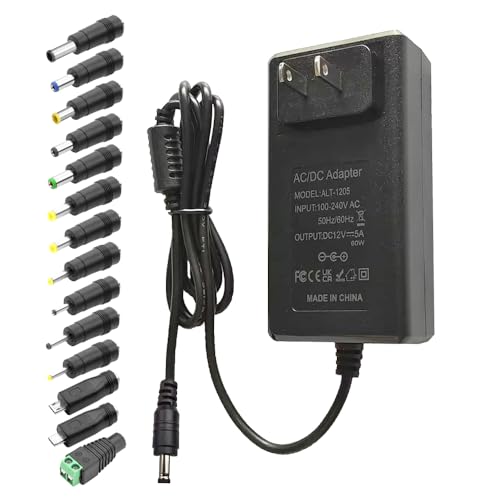
12V 5A DC Power Supply with 14 Tips
Taking A Closer Look At The Options
Yamaha’s own PA-3C power supply is built specifically for the company’s portable keyboards and digital pianos, and that focused purpose is exactly what makes it appealing. It’s rated at DC 12V 700mA (12.5W), which matches what many older Yamaha boards, including the PSR and DGX series, expect from their wall adapter.
One thing worth noting: this model is designed for 100V AC input, so anyone in a 120V household may want to verify compatibility before plugging in. For anyone replacing a lost or damaged original, the PA-3C removes the guesswork that comes with third-party alternatives.
The Value In It
- Made by Yamaha, so connector polarity and barrel size match the company’s keyboards exactly
- Rated 12V at 700mA, which fits a wide range of older Yamaha portable boards
- Compact, lightweight brick that travels easily in a gig bag
- Removes the risk of underpowered third-party replacements that cause audio glitches
Points To Note
- Specified for 100V AC input, which may not suit every region without a converter
- 700mA ceiling means it cannot power newer, hungrier Yamaha boards that draw more current
Who It Suits Best
Anyone with an older Yamaha portable keyboard or arranger that originally shipped with a PA-3C and wants a direct replacement without compatibility headaches.
Consider Something Else When
Owners of newer or larger Yamaha keyboards should look at the ALITOVE 12V 2A Power Supply 24W instead, since those instruments often draw more than 700mA.
ALITOVE’s 12V 5A brick is the kind of adapter that quietly powers a lot of hobby setups. It accepts 100-240V AC input, which means it works in most countries with just a plug adapter, and it pushes out DC 12V at up to 5A (60W). The 5.5mm x 2.5mm barrel jack is a common size, and it fits many 5050 and 3528 LED strip reels without modification.
Compared to the Yamaha unit above, this is a much more general-purpose supply. Anyone running modest LED lighting under cabinets, around a TV, or along a workshop bench will likely find the wattage headroom comfortable.
A Few Highlights
- 60W capacity gives plenty of headroom for mid-length LED runs
- Wide 100-240V input range makes it usable across regions
- Standard 5.5mm x 2.5mm barrel jack covers many common 12V devices
- Center-positive polarity matches most LED strip and consumer electronics gear
Trade Offs
- Not a match for 5V, 9V, 19V, 24V, or other voltage devices
- 5A ceiling means longer LED reels may need a second supply or a heavier driver
Made For
Hobbyists running 5050 or 3528 LED strip lighting in a kitchen, gaming room, or workshop who want a straightforward 12V supply without fuss.
Look Elsewhere When
Anyone powering longer LED runs or multiple high-draw devices should consider the ALITOVE 12V 30A 360W Switching Power Supply, which handles much heavier loads.
This ALITOVE supply sits in a sweet spot for everyday 12V devices that don’t need serious current. It delivers DC 12V at up to 2A (24W max) from a 100-240V AC source, and it ships with a 6.5-foot cord, which is genuinely useful when the nearest outlet is across the room. The 5.5mm x 2.5mm connector is also compatible with the slightly smaller 5.5mm x 2.1mm sockets.
Where the earlier ALITOVE unit targets LED strips, this one aims at keyboards, routers, external hard drives, CCTV cameras, and similar smaller loads. Anyone tired of juggling a too-short stock cable will appreciate the extra reach.
Benefits That Matter
- 6.5-foot cord removes the reach problems of typical 3-4 foot adapters
- Compatible barrel size works with both 2.5mm and 2.1mm center pins
- Listed compatibility with Yamaha keyboards, webcams, routers, and hard drives
- 100-240V input makes it travel-friendly
Honest Caveats
- 24W ceiling rules out higher-draw LED runs and power-hungry devices
- For indoor use only, so outdoor installations need a weather-rated enclosure
Best Suited To
Home users powering a router, webcam, CCTV camera, external hard drive, or compatible Yamaha keyboard where the wall outlet is a stretch away.
Reach For A Different Pick When
Shoppers running LED strip reels or anything pulling more than 24W should grab the ALITOVE DC 12V 5A Power Supply Adapter 60W instead.
This is a different beast from the small wall warts earlier on the list. The ALITOVE 30A unit is a bench-style switching power supply (a regulated driver that converts AC to smooth DC) designed for installations where multiple 12V devices share one source. It accepts 110V or 220V AC input and pushes out DC 12V at up to 30A, which is 360W of capacity, and the output is adjustable by roughly 15%.
The unit includes automatic overload cut-off, over-voltage protection, thermal shutoff, and short-circuit protection. It also has three output channels, so splitting power between an LED run, a CCTV system, and a radio setup becomes a one-supply job.
Practical Pluses
- 360W headroom handles long LED runs or stacked low-voltage devices
- Multiple safety cut-offs (overload, over-voltage, thermal, short circuit)
- Three output channels let you split loads without extra splitters
- Stable voltage output with no noticeable fluctuations on power-up or power-down
Some Limits To Know
- Bench form factor means it needs a fixed installation spot with airflow
- Higher capacity than a typical household device needs, so overkill for a single router
The Right Fit
Workshop builders and installers running LED strip arrays, multi-camera CCTV rigs, or ham radio setups that demand steady, high-current 12V power.
A Better Fit Elsewhere
Anyone just powering a single keyboard or webcam should consider the simpler ALITOVE 12V 2A Power Supply 24W, which is far more wallet-friendly for small loads.
Centro Power’s 12V 5A adapter is a mid-range wall wart that leans into protection circuitry. It accepts 100-240V AC input and outputs a stable 12V DC at up to 5A (5000mAh equivalent capacity), and it lists compatibility with LED strips, CCTV camera systems, speakers, TV boxes, webcams, and routers. The built-in copper power cord (40 strands of 0.15mm wire) is a step up from the cheaper aluminum conductors found in many budget adapters.
Where it differs from the ALITOVE 5A unit is the bundled safety story: short-circuit, current overload, and thermal cut-offs are all built in. For always-on camera setups that run 24/7, that protection profile tends to matter.
The Upside
- Multi-layer protection against shorts, overload, and overheating
- Copper conductor cord improves durability over aluminum-core alternatives
- Broad device compatibility across cameras, lighting, and audio gear
- 100-240V input works in most household and travel scenarios
Things To Consider
- 5A ceiling means multi-device setups need a splitter or larger supply
- Camera-and-photo category listing suggests it’s tuned slightly toward security gear
Who Should Grab It
Anyone running a CCTV camera system or always-on 12V device where built-in short and thermal protection is a meaningful priority.
Swap It Out When
Travelers juggling multiple odd-sized 12V devices will find the 12V 5A DC Power Supply with 14 Tips a better match thanks to its interchangeable connectors.
The Gilivier 12V 5A adapter is built for people whose drawers are full of orphaned wall warts from devices long forgotten. It ships with 14 interchangeable DC tips covering common sizes like 6.3mm x 3.0mm, 5.5mm x 1.7mm, and 4.8mm x 1.7mm, all rated for devices drawing up to 60W. The compact brick also travels well in a laptop bag.
The headline feature is the integrated short-circuit protection chip, which monitors voltage and current and disconnects on fault. For anyone who rotates between LED strips, routers, and small audio gear, having one supply that covers multiple connector standards removes a lot of clutter.
What Helps Most
- 14 interchangeable tips cover most common 12V device standards
- Short-circuit IC protection guards against overcurrent and overvoltage
- Compact, travel-friendly build for business trips and quick swaps
- 60W headroom suits LED lighting, routers, and audio gear alike
Worth Noting
- Higher tip count means more pieces to keep track of in storage
- Confirming device wattage before plugging in is essential with shared supplies
Perfect Match For
Travelers and tinkerers who power a rotating cast of 12V devices and want one brick with enough tip variety to skip the drawer-of-adapters situation.
Where Another Pick Suits Better
Owners of a CCTV camera array or 24/7 security setup will likely prefer the Centro Power 12V 5A Power Supply Adapter, which is tuned specifically for always-on protection.
What Matters Most Before Choosing 12v Ac Adapters
Match Voltage First, Current Second
Voltage is non-negotiable. A 12V device expects 12V, and feeding it 9V or 19V can damage electronics quickly. Current is more forgiving: the device only pulls what it needs, so a 5A supply safely runs a 1A keyboard, but a 1A supply cannot run a 3A LED reel. Always check the label on your device or its original adapter before swapping in a new one.
Connector Size and Polarity Matter
The most common barrel sizes here are 5.5mm x 2.5mm and 5.5mm x 2.1mm, and they often look identical to the eye. Polarity (center-positive vs. center-negative) is the silent killer: get it backwards and the device won’t power on, or worse, may fry. The ALITOVE units specify center-positive, which matches most consumer 12V gear.
Wattage, Environment, and Load Type
Small wall warts suit single devices like routers or keyboards. Workshop-style switching supplies like the ALITOVE 360W handle multiple loads or long LED runs. For outdoor or dusty environments, an indoor-only adapter needs an enclosure or a different supply entirely.
Key Considerations Across These Picks
Common Buying Slip Ups
The easiest mistake is grabbing a higher-voltage adapter because the wattage looks similar. A 19V laptop brick will not safely power a 12V LED strip, even if the wattage number matches. Equally common: overlooking connector polarity. A quick look at the device label (the little + and – diagram near the DC input) saves hours of head-scratching.
What The Higher Tier Buys
Stepping up to a regulated switching supply like the 360W ALITOVE means cleaner voltage under load, multiple safety cut-offs, and the ability to run several devices from one box. For a single router or keyboard, that tier is overkill, but for workshop installations or long LED runs, the extra cost pays back in stable output and built-in protection.
Frequently Asked Questions
What is the difference between voltage and current on an adapter label?
Voltage (V) is the pressure the supply pushes, and current (A or mA) is how much it can deliver at once. Your device sets the voltage it needs, and the supply must meet or exceed the current draw. A 12V 2A adapter can safely run a device that asks for 12V 0.5A.
Can I use a higher-amperage adapter than my device needs?
Yes. The device only pulls what it needs, so a 5A supply feeding a 1A keyboard is perfectly safe. Just confirm the voltage and connector polarity match before plugging in.
Are these adapters safe to leave plugged in 24/7?
Supplies with built-in short-circuit, overload, and thermal protection, like the Centro Power and ALITOVE switching units, are designed for longer runtimes. Basic wall warts run warm under continuous load, so ventilation matters.
What is a switching power supply?
A switching power supply is a regulated driver that converts AC wall current into smooth DC at a target voltage, using high-frequency switching rather than a heavy transformer. They tend to be lighter, cooler, and more efficient than older transformer-based bricks.
Will any of these work outside the US?
Most picks here accept 100-240V AC input, so a simple plug adapter is enough for travel. The Yamaha PA-3C is the exception, since it is specified for 100V input only and may need a step-down transformer abroad.
The Takeaway
The right 12V AC adapter comes down to matching voltage, current, and connector to your specific gear. Yamaha keyboard owners get the simplest path with the genuine PA-3C, LED hobbyists get flexible mid-current options from ALITOVE, and heavier installations call for the 360W switching supply. Pick based on the device you actually need to power, and the rest usually falls into place.
