

Most homeowners don’t think about disconnect switches until a water heater dies or an outdoor unit needs service. Then it becomes urgent. I want to help you pick the right cutoff before that moment arrives, so the next repair or inspection feels routine instead of stressful.
The right switch depends on your amperage, environment, and whether your local code wants fused or non-fused protection. I’ll walk through seven solid options across different ratings and form factors, so you can match the box to the job without second-guessing.
A Snapshot Of The Selections

Square D QO200TRNM 60A Non-Fuse Disconnect

FixOasis 3P 60 Amp Non-Fused Disconnect

FixOasis 3P 30 Amp Non-Fused Disconnect

FixOasis 3P 60 Amp Fused Disconnect

FixOasis 2P 60 Amp Non-Fused Disconnect
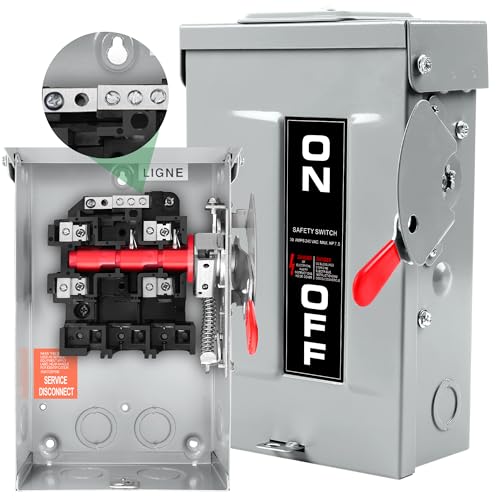
FixOasis 2P 30 Amp Non-Fused Disconnect
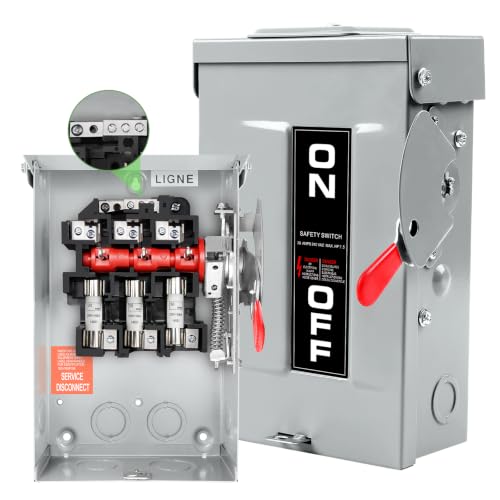
FixOasis 3P 30 Amp Fused Disconnect
A Breakdown Of The Leading Choices
The Square D QO200TRNM is a 60-amp, 240-volt non-fused air conditioner disconnect built for residential HVAC service work. The QO platform has been around long enough that electricians recognize the form factor, and that familiarity matters when an inspector is checking your install.
Pairing this with a dedicated breaker upstream gives you a complete shutdown point right next to the condenser. For most homeowners running a standard central air system, the 60-amp rating is the right ceiling to plan around.
The Helpful Details
- 60-amp rating covers most central AC units and similar heavy loads
- 240-volt compatibility fits standard residential HVAC wiring
- Non-fused design keeps installation simple when upstream protection is in place
- Compact footprint mounts cleanly on a wall beside the condenser
- Brand familiarity helps during inspections and service calls
Things To Consider
- No fused protection means you rely on the breaker panel for overcurrent safety
- Limited capacity if you’re trying to power a small subpanel instead of a single appliance
Key Specs
Who It Suits Best
Homeowners wiring a dedicated disconnect for a central air conditioner or heat pump where a trusted brand matters most.
Consider Something Else When
The FixOasis 3P 60 Amp Fused Disconnect suits commercial spaces needing integrated overcurrent protection at the disconnect itself.
The FixOasis 3P 60 Amp non-fused disconnect brings a heavier-duty feel than the typical residential box. The steel enclosure and NEMA 3R rating mean it shrugs off weather on an exterior wall, which is exactly where most disconnects end up living.
Three-pole construction also opens the door to equipment that needs all three legs of a three-phase feed. Where the Square D above handles common 240-volt residential gear, this FixOasis model pushes into the heavier commercial and workshop territory.
What Earns Its Place
- Heavy-duty steel build stands up to knocks and weather exposure
- NEMA 3R enclosure works indoors and outdoors without extra shielding
- Three-pole design supports three-phase equipment feeds
- 14000W capacity handles substantial connected loads
- Added ground design simplifies bonding during installation
Worth Noting
- Three-pole design is overkill for simple 240-volt residential equipment
- Steel housing adds weight compared to lighter plastic alternatives
Made For
Workshop owners and light commercial operators who need a robust outdoor-rated disconnect for heavier three-phase equipment.
Look Elsewhere When
The Square D QO200TRNM suits homeowners who only need a simple 240-volt residential air conditioner disconnect.
The FixOasis 3P 30 Amp non-fused disconnect sits in a comfortable middle ground. Thirty amps is the sweet spot for many residential appliances that don’t quite need the full 60-amp ceiling, like certain water heaters and mid-sized air compressors.
Sharing the same NEMA 3R steel enclosure design as its 60-amp sibling, this model brings the same outdoor durability to lighter loads. The added ground feature continues to simplify wiring, which homeowners often appreciate during their first disconnect install.
Features That Help
- 30-amp rating fits mid-range residential equipment perfectly
- NEMA 3R enclosure handles outdoor mounting in any season
- Three-pole option supports three-phase configurations when needed
- Non-fused design keeps upfront cost and complexity lower
Points To Note
- Commonly requires knockouts to be removed carefully to avoid deforming the steel
- Without fused protection, the upstream breaker carries the full safety burden
Feature Snapshot
Best Suited To
DIY homeowners wiring a disconnect for a mid-sized water heater, solar setup, or shop compressor where 30 amps is the right match.
Skip It When
The FixOasis 2P 60 Amp Non-Fused Disconnect makes more sense for subpanels and larger dedicated circuits requiring higher amperage.
The FixOasis 3P 60 Amp fused disconnect adds a layer of protection that simpler non-fused models skip. By accepting fuses at the disconnect itself, the box guards the equipment wiring run independently of the main panel breaker.
For commercial spaces or light industrial sites, that extra fault tolerance often meets code requirements where non-fused units wouldn’t qualify. The same NEMA 3R steel enclosure design carries over, so weather resistance stays intact.
Key Advantages
- Integrated fuse holders add overcurrent protection at the equipment
- 60-amp three-pole rating covers demanding commercial equipment
- NEMA 3R enclosure performs reliably in harsh weather
- Heavy-duty steel construction resists corrosion and physical damage
Honest Caveats
- Fuse cartridges must be sourced separately and stocked for future replacements
- Higher upfront complexity compared to non-fused alternatives
- Adds cost that residential users may not need
At A Glance
Perfect Match For
Commercial and light industrial electricians who need fused protection at the disconnect for code compliance and equipment safety.
Another Choice May Suit
The FixOasis 3P 60 Amp Non-Fused Disconnect suits installations where upstream breaker protection already covers overcurrent needs adequately.
The FixOasis 2P 60 Amp non-fused disconnect offers a notable upgrade in working room compared to standard boxes. The enhanced wire bending clearance and four-side knockout layout make landing thick conductors less of a wrestling match.
Two-pole construction keeps the focus on standard 240-volt residential equipment rather than three-phase setups. The heavy-duty steel body and rust-resistant coating bring the same outdoor-readiness as the rest of the FixOasis line.
Useful Strengths
- Enhanced wire bending clearance makes thick conductor terminations easier
- Four-side knockout layout offers flexible entry points for conduit
- 60-amp capacity covers most residential subpanel and equipment feeds
- Rust and corrosion-resistant finish extends outdoor service life
Small Caveats
- Two-pole design won’t handle three-phase equipment the way a 3P model can
- Non-fused setup depends entirely on upstream breaker protection
Feature Rundown
Who Will Love This
Homeowners running a subpanel, large water heater, or heavy equipment feed who want extra room to work during installation.
Reach For A Different Pick When
The FixOasis 3P 60 Amp Non-Fused Disconnect suits anyone running three-phase equipment that demands a third pole.
The FixOasis 2P 30 Amp non-fused disconnect is the lightest member of this lineup. For smaller equipment that doesn’t justify a 60-amp box, this slim two-pole unit keeps the install tidy on a crowded exterior wall.
It carries the same NEMA 3R rating and steel construction as its larger siblings, so durability stays consistent across the family. The added ground design simplifies the bonding step that often trips up first-time installers.
A Few Highlights
- Slim two-pole footprint fits tight exterior wall spaces
- 30-amp rating suits smaller residential equipment without oversizing
- NEMA 3R enclosure holds up to outdoor exposure year-round
- Non-fused design keeps parts count and cost minimal
A Few Limitations
- Limited to lighter loads, so larger equipment will trip or refuse to start
- Two-pole design restricts it to split-phase 240V circuits only
Right Fit For
DIYers installing a disconnect for a smaller water heater, pump, or workshop appliance where space is at a premium.
Where A Sibling Pick Shines
The FixOasis 3P 30 Amp Non-Fused Disconnect works better for installations needing three-phase capability or heavier industrial loads.
The FixOasis 3P 30 Amp fused disconnect rounds out the lineup with weatherproof fused protection in a moderate 30-amp package. For solar arrays, small commercial equipment, or outdoor pump stations, this combination of rating and protection hits a sweet spot.
It shares the NEMA 3R steel enclosure platform with the other FixOasis fused models, so the same corrosion-resistant finish applies. The added ground design keeps the bonding step consistent across the product family.
Real-World Strengths
- Fused design provides overcurrent protection independent of the main panel
- NEMA 3R weatherproof rating handles outdoor installations confidently
- 30-amp three-pole capacity fits many solar and light commercial loads
- Heavy-duty steel housing resists rust and corrosion over time
Where It Is Less Suited
- Requires sourcing matching fuse cartridges separately before commissioning
- Commonly needs a dedicated equipment grounding conductor run for full code compliance
- More involved install than a basic non-fused residential disconnect
Feature Card
Built With In Mind
Solar installers and light commercial electricians who need fused outdoor protection at a moderate amperage rating.
Swap It Out When
The FixOasis 3P 60 Amp Fused Disconnect fits installations where the equipment draws closer to 60 amps and needs the extra headroom.
Matching Amperage And Voltage To Your Equipment
The first decision is matching the disconnect’s amp rating to your equipment’s actual draw. Undersizing creates nuisance trips and overheating risk. Oversizing isn’t dangerous, but it costs more and may not satisfy local inspectors who look for properly matched protection.
Voltage matters just as much. Standard residential service in North America delivers split-phase 120/240-volt power. Most homeowner-grade disconnects are designed for that configuration. Three-phase power, by contrast, requires a three-pole disconnect like several FixOasis models above, since you need to break all three hot legs simultaneously.
For outdoor mounting, the enclosure rating matters more than people expect. NEMA 3R is the common rating for rain-tight outdoor use, meaning the box can handle falling water and ice without letting moisture reach the electrical internals. Indoor-only boxes lack that rating and will corrode quickly outside.
Pole count follows your equipment’s wiring. Two-pole disconnects handle 240-volt residential loads. Three-pole disconnects handle three-phase equipment or certain specialty setups. Picking the wrong pole count either won’t fit your conductors or leaves one leg permanently live, which is a real safety hazard during service work.
Smart Spending And Common Slip Ups
Where Shoppers Go Wrong
The biggest mistake is treating a disconnect like a breaker panel. A disconnect is a local shutoff for service work, while the breaker panel handles overcurrent protection across the whole home. Confusing these roles leads to skipped upstream protection or miswired grounds.
Another common slip is ignoring conductor size. A 60-amp disconnect paired with 10-gauge wire creates a serious mismatch. The disconnect should match or exceed both the breaker upstream and the wire gauge feeding the equipment.
Buyers also underestimate weather exposure. Indoor-rated enclosures placed outdoors may survive a season or two, then rust through and expose live parts. Match the enclosure rating to the mounting location, every time.
What The Higher Tier Buys
Fused disconnects cost more because they integrate overcurrent protection at the equipment. For residential jobs where the breaker panel already provides that protection, a non-fused model handles the same shutdown role at lower cost.
The extra money on a fused unit pays off in commercial settings, outdoor solar arrays, and anywhere local code requires disconnect-mounted overcurrent protection. In those cases, the fused design isn’t a luxury. It’s the difference between passing inspection and starting over.
Premium steel enclosures with NEMA 3R ratings also justify their cost when the box lives on an exterior wall for a decade or longer. Cheaper indoor enclosures can’t match that service life in weather.
Frequently Asked Questions
Do I need a permit to install a disconnect switch?
Most jurisdictions require an electrical permit for new disconnect installations, especially when wiring new circuits. Check with your local building department before starting, since unpermitted work can complicate home sales and insurance claims.
What is the difference between fused and non-fused disconnects?
A fused disconnect includes fuse holders that break the circuit during overcurrent conditions at the disconnect itself. A non-fused disconnect only provides a manual shutoff, relying on an upstream breaker for overcurrent protection.
Can I install a disconnect outdoors without extra weather protection?
Only NEMA 3R (or higher) rated enclosures are designed for direct outdoor exposure. Standard indoor enclosures will absorb moisture and corrode, creating a safety hazard. Mount the box under an eave only if its rating permits.
What amperage should I choose for a central air conditioner?
Most residential central air units fall in the 30 to 60 amp range, depending on the size of the home. Check the nameplate on your condenser or the documentation from the installer to confirm the exact rating before ordering a disconnect.
How often should a disconnect switch be inspected?
A visual inspection once a year is a sensible baseline for outdoor disconnects, looking for rust, loose covers, and damaged conduit entries. Internal inspection by an electrician every few years catches contact wear before it becomes a problem.
Closing Remarks
Choosing the right disconnect comes down to matching amperage, voltage, pole count, and enclosure rating to your specific equipment and mounting location. The Square D QO200TRNM is a familiar residential choice, while the FixOasis lineup offers flexibility across ratings and fused configurations. Pick the box that fits your circuit today, and the next time something needs service, you’ll be glad you planned ahead.
