

Batteries live quietly in the background of every home, garage, and boat until the moment something beeps, dims, or refuses to start. From a chirping smoke alarm at 2 a.m. to a trolling motor that loses thrust halfway across the lake, the right cell saves the day. I put together this guide for the shoppers who want a clear answer on which 10 volt battery or related format fits their gear, without wading through technical overload.
The Main Contenders

Duracell Coppertop 9V Battery, 4 Count

Duracell Coppertop D Batteries, 8 Count

Energizer MAX 9V Batteries (2 Pack)
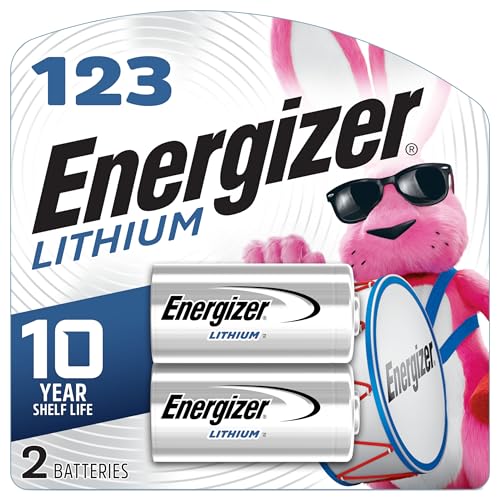
Energizer 123 Lithium Batteries (2 Pack)

Litime 12V 100Ah Trolling Motor LiFePO4 (3-Pack)

Litime 12V 100Ah Trolling Motor LiFePO4 Battery

LiTime 12V 100Ah Group 24 Deep Cycle LiFePO4 (2-Pack)
What Each Pick Brings To The Table
The Duracell Coppertop 9V 4-pack is the cell most people reach for when a smoke alarm chirps in the middle of the night. It fits the rectangular battery slot on most detectors, carbon monoxide alarms, and security sensors, and the alkaline chemistry holds steady through years of low-drain standby.
For households that prefer to replace cells once a year during daylight saving time changes, a four-pack keeps spares on hand. Compared with the larger D cells covered later in this roundup, this format trades raw capacity for a slimmer profile that fits behind wall-mounted alarms.
Strong Points
- Standard 9V shape fits smoke and CO detectors, security keypads, and multimeters without adapters
- Four-pack gives homeowners enough spares for an annual replacement cycle across several alarms
- Alkaline chemistry delivers the steady low-drain output that safety sensors depend on
- Widely stocked format that is easy to swap during a quick weekend maintenance pass
Things To Consider
- Alkaline cells can leak if left installed in a rarely used device for many years, so periodic checks help
- This format is not meant for high-drain gear like large flashlights, where D cells serve longer
Feature Snapshot
Built With In Mind
Homeowners who want a dependable 9V cell to swap into smoke alarms, CO detectors, and security sensors once a year.
Reach For A Different Pick When
The Energizer 123 Lithium 2-pack suits camera and high-drain electronics users who need a flat lithium cell rather than a rectangular alkaline block.
D cells are the workhorses of household battery storage, and this Duracell Coppertop eight-pack leans into that role. The cylindrical shape powers heavy flashlights, weather radios, portable lanterns, and large toys that smaller formats struggle to keep running through a power outage.
For families who keep a storm kit in a closet, the long shelf life claim gives peace of mind that the cells will still hold a charge when the lights finally go out. Compared with the 9V cell above, this format trades compactness for raw capacity that lasts through longer runtimes.
A Few Strong Suits
- D-cell capacity keeps high-drain flashlights and lanterns running for long stretches
- Eight-pack size covers a full emergency shelf plus everyday devices in one purchase
- Common alkaline chemistry means easy replacement in toys and portable gear
Trade Offs
- Larger format means the batteries are heavier to pack in a go-bag than AA or 9V cells
- Alkaline D cells can corrode inside devices that sit unused for very long stretches, so occasional inspection helps
Whose Shelf It Belongs On
Campers, storm-prep households, and anyone running a big flashlight or weather radio on D cells.
Consider Something Else When
The Litime 12V 100Ah trolling motor LiFePO4 is a better match for boat owners who need deep-cycle marine power rather than household D cells.
Energizer’s MAX 9V two-pack is the small-format answer for households that only need a cell or two on hand. The same rectangular footprint as the Duracell above fits standard smoke alarms, but the smaller pack size suits apartments and dorm rooms with fewer detectors.
Energizer advertises a multi-year storage claim for this line, so a two-pack tucked into a junk drawer tends to stay useful. Where the Duracell four-pack wins on coverage, this option wins on a leaner purchase that does not collect dust past its useful window.
A Strong Showing
- Compact two-pack keeps a single spare on hand without overbuying
- Storage-ready alkaline chemistry holds charge through years of drawer time
- Standard 9V shape drops into alarms, multimeters, and guitar effect pedals
Honest Caveats
- Only two cells per pack, so larger households with many alarms may need more than one pack
- Packaging presentation can vary between production runs, which may matter for gift-giving
The Right Fit
Apartment dwellers or anyone with a single smoke detector who wants a small, steady supply.
A Better Fit Elsewhere
The Duracell Coppertop 9V 4-pack suits households with several alarms that want spares for the whole home in one buy.
The Energizer 123 lithium cell steps away from the rectangular alkaline form factor and into a flat, high-output lithium format. The 3V output suits cameras, flashguns, and select smart-home sensors that demand stronger current than alkaline coin cells can deliver.
Photographers shooting weddings or wildlife will appreciate the steady voltage that keeps a flash firing through a long session. Compared with the household 9V options above, this format trades wide compatibility for a specialty niche in camera and security gear.
Where It Delivers
- Lithium chemistry holds voltage longer under the high bursts a camera flash demands
- Flat 123 form factor fits many professional flash units and certain motion sensors
- Long shelf life keeps spares ready between shoots or seasonal sensor use
Points To Keep In Mind
- Not interchangeable with the 9V cells above, so shoppers need to confirm their device takes a 123 format
- Higher per-cell cost than alkaline, so it makes sense for high-drain specialty gear rather than everyday remotes
Key Product Details
Best Suited To
Photographers and smart-home users running devices that specifically call for 123 lithium cells.
Not Your Match When
The Duracell Coppertop 9V 4-pack fits households that need rectangular cells for smoke alarms rather than specialty lithium photo batteries.
Stepping out of the household battery drawer, this Litime 3-pack brings deep-cycle LiFePO4 chemistry to anglers running serious trolling motors. A 12V 100Ah lithium cell delivers a flat discharge curve, so thrust stays consistent even as the battery drains below half capacity.
Three units in one shipment let boat owners wire a 36V trolling setup or keep spares banked for longer trips. Compared with the single Litime cell covered next, this 3-pack trades portability for a full multi-bank marine rig ready to install.
Real-World Strengths
- LiFePO4 chemistry resists the capacity loss that plague lead-acid banks over time
- Three-pack covers a 36V trolling motor or a 12V house bank with spares onboard
- Higher usable capacity than a similarly sized AGM, so trips last longer per charge
Small Caveats
- LiFePO4 cells cost more up front than AGM batteries of equal rating, which may stretch a boat budget
- Marine lithium setups often need a charger rated for the chemistry, which can be an added purchase
The Main Details
Who Should Grab It
Anglers running 24V or 36V trolling motors who want lithium runtime without wiring cells one at a time.
Swap It Out When
The Litime 12V 100Ah Group 24 fits RV owners replacing a single house battery where a three-pack is overkill.
This single Litime 12V 100Ah LiFePO4 cell is the standalone version of the three-pack above, with the same chemistry in a one-battery buy. Boat owners who only need to replace one aging house bank can skip the bundle and still get the deep-cycle benefits.
The Bluetooth monitoring feature lets anglers check voltage and state of charge from a phone, which is a real comfort on a long day offshore. Where the three-pack above targets multi-bank rigs, this single cell suits a focused replacement or a starter lithium setup.
Positive Takeaways
- Single-cell purchase avoids the overspend of a multi-pack when only one battery needs replacing
- Bluetooth monitoring keeps state of charge visible without climbing into a bilge
- LiFePO4 cycle life outlasts AGM for boaters who run their house bank hard
Less-Strong Areas
- Requires a compatible lithium charger for full lifespan, adding a hidden cost for first-time buyers
- Low-temperature charging protection means northern boaters must store it somewhere heated in winter
Feature Card
Made For
Boat owners who want a single lithium replacement with app-based monitoring rather than a multi-pack.
Another Choice May Suit
The Litime 3-pack above fits anglers wiring a 36V trolling system who need more than one cell at once.
The LiTime Group 24 LiFePO4 2-pack is built to slide into the common RV battery bay that used to hold AGM cells. Group 24 sizing means no extra fabrication, and a two-pack gives RVers a matched house bank without buying three cells they do not need.
Compared with the marine trolling packs above, this format trades deep-cycle thrust for an RV-friendly footprint and weight savings over lead-acid. Campers running lights, a fridge, and a water pump for a weekend will see the capacity headroom they want.
What Makes Sense
- Group 24 footprint drops into standard RV bays without bracket modifications
- Two matched cells make wiring a 12V house bank straightforward for most camper setups
- Lower weight than AGM helps RVers watching tongue and cargo weight
Factors To Consider
- LiFePO4 charging needs a profile-aware converter or charger, so older RV chargers may need an upgrade
- Cold-weather charging protection means sub-freezing storage calls for a heated compartment or removal
Core Features
Who It Suits Best
RVers replacing aging AGM house batteries with a lighter, longer-lasting lithium pair.
Look Elsewhere When
The Litime trolling motor 3-pack is a better fit for boat owners who need a 36V trolling rig instead of an RV house bank.
Matching The Right Battery To Your Gear
Choosing a battery comes down to matching format, chemistry, and capacity to the device. A 9V alkaline cell is purpose-built for low-drain safety gear that sits idle for months, while a D cell trades compactness for the runtime that big flashlights and weather radios demand. For specialty electronics like camera flashes, lithium 123 cells deliver higher voltage in a flat form factor that alkaline coin cells cannot match.
When the load grows from a drawer alarm to a trolling motor or RV house bank, lithium iron phosphate (LiFePO4) cells step in with deeper cycle tolerance, lighter weight, and a flatter discharge curve than AGM lead-acid. The trade-off is cost and the need for a compatible charger, so it pays to budget for both.
Chemistry matters as much as size. Alkaline is fine for occasional-draw devices, but a lithium cell keeps voltage steady under heavier loads and stores longer between uses. Marine and RV shoppers should confirm that chargers and converters support lithium profiles before committing, since mixing chemistries shortens cell life.
Finally, think about physical fit before clicking buy. Group 24 marine/RV cells are sized to specific battery bays, and a 123 lithium is not interchangeable with a 9V block. A quick measurement of the bay or a glance at the device manual prevents the frustration of an unreturnable purchase that does not seat properly.
Key Considerations Across These Picks
Pitfalls Shoppers Hit
A common mistake is buying the cheapest alkaline cell for a high-drain device like a trolling motor, only to find voltage sagging after a short run. Another is assuming any charger works with lithium cells, when older lead-acid chargers can damage LiFePO4 chemistry over time. Shoppers also tend to overlook the cold-weather cutoff that prevents lithium cells from charging below freezing, which matters for unheated garages and northern boats.
What The Higher Tier Buys
Paying more for a lithium house bank earns a longer cycle life, a flatter voltage curve, and roughly a third of the weight of a comparable AGM. The upfront spend is real, but for full-time RVers or frequent anglers it pays back in fewer replacements and longer runtime per charge. Household shoppers do not need that tier, so the upgrade makes sense only when the device actually demands deep-cycle power.
Frequently Asked Questions
What is a 10 volt battery used for?
A 10 volt battery is a loose term that often covers 9V household cells for smoke and CO alarms, plus specialty lithium formats for cameras and sensors. For marine and RV deep-cycle setups, 12V LiFePO4 packs are the standard fit.
How long do 9V batteries last in a smoke detector?
Most alkaline 9V cells power a smoke detector for about a year before needing replacement, though exact runtimes vary with brand and how often the alarm test cycles. Annual replacement during daylight saving time changes is a common routine.
Can I use a lithium battery in place of alkaline?
Only when the device specifically lists lithium as an option. Some alarms and meters are calibrated for alkaline voltage curves, and dropping in a lithium cell can cause false readings or early low-battery alerts.
Do LiFePO4 batteries need a special charger?
Yes. A charger with a lithium or LiFePO4 profile delivers the correct voltage and cutoff, while a lead-acid charger can undercharge or stress the cells. Confirming charger compatibility before installation extends battery life.
Are lithium batteries safe for boats and RVs?
LiFePO4 chemistry is widely used in marine and RV applications because it is stable and resistant to thermal runaway compared with other lithium types. Proper mounting, ventilation, and a compatible charger are still important for safe long-term use.
Final Take
The right pick depends on what you are actually powering. A four-pack of 9V alkalines handles the smoke alarm, a pair of D cells keeps the emergency lantern ready, and a lithium house bank transforms an RV or boat weekend. Match the format to the device first, then weigh the upgrade to lithium only when deep cycling truly matters.
