

I spent a lot of time looking through the lithium AA shelf this year, and I want to help you cut through the clutter. Some people need batteries that survive cold garages, others want rechargeables that don’t end up in a drawer half-full of half-used alkalies. A few of these picks even straddle both worlds, since “lithium AA” technically includes non-rechargeable lithium iron cells alongside true rechargeables. I’ll explain which is which as we go.
The Leading Options At A Glance

Energizer Ultimate Lithium AA Batteries 48 Count Variety Pack
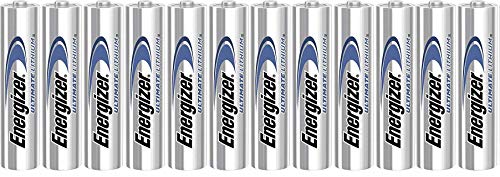
Energizer Ultimate Lithium AA 12 Battery Super Pack
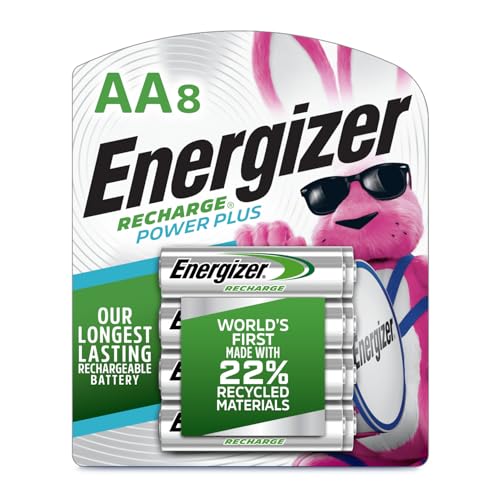
Energizer Power Plus Rechargeable AA Batteries (8 Pack)
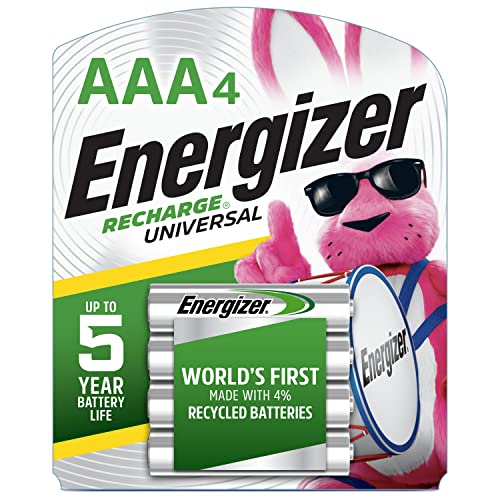
Energizer Recharge Universal AA Batteries 4 Count

BEVIGOR AA Lithium Batteries for Blink Camera, 12 Pack

BEVIGOR AA Lithium Batteries 12-Pack Ultra 3500mAh
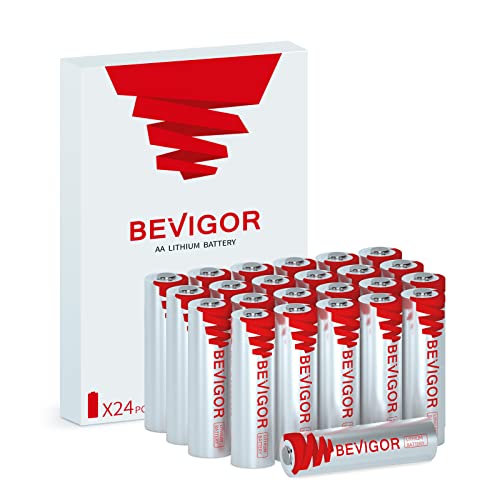
BEVIGOR AA Lithium Batteries 24-Pack 3000mAh

Energizer Ultimate Lithium AA Batteries, 12 Count

Energizer Ultimate Lithium AA Batteries (2 Pack), 1.5V
More On The Choices That Made The List
I tend to recommend the big variety packs to anyone who keeps a junk drawer, a garage shelf, and a kid’s toy bin. This Energizer bundle gives you 24 AA cells and 24 AAA cells in the same box, which is genuinely useful since most people discover they need the smaller size when it’s already too late. The cells are non-rechargeable lithium, meaning they ship at full voltage and hold a charge sitting in a drawer for years.
For most homes, the appeal is simple: one purchase covers nearly every remote, clock, and flashlight without thinking about it. The lithium chemistry also handles big temperature swings better than alkalines, so a garage smoke detector that bakes in summer or freezes in winter keeps reporting. Worth knowing though, you can’t top these up on a charger, so this is a “buy once, replace later” approach.
Positive Points
- 48 cells cover both common household sizes in a single order
- Lithium chemistry stays stable on a shelf for long stretches between uses
- Reliable in unheated spaces and hot attics where alkalines struggle
- Lightweight enough for portable gear like handheld GPS units
Things To Consider
- Non-rechargeable, so heavy users will replace cells rather than recharge them
- Mixing sizes means you have to inventory AA and AAA separately over time
Key Specs
Who It Suits Best
Busy households with mixed AA and AAA devices, plus anyone stocking up for the year in one go.
Where Another Pick Suits Better
Heavy controller users should look at the Energizer Power Plus Rechargeable AA Batteries (8 Pack) instead, since those top up on a charger.
A 12-pack of Ultimate Lithium AAs is the size I usually point people toward when they want to commit to one chemistry across the house. These are non-rechargeable lithium iron cells, the same family as Item 1, just without the AAA bundle. Twelve is a sensible count because it covers six devices, or a single trail cam for a full season plus spares.
The biggest practical advantage is temperature tolerance. Trail cameras, outdoor thermometers, and mailbox sensors all sit through summer heat and winter cold, and standard alkalines often die early there. Worth knowing, these run at 1.5V from fresh out of the package until they’re nearly spent, so devices behave more predictably than with rechargeables that drop voltage gradually.
The Value In It
- Generous count for the price per cell compared to smaller packs
- Stable 1.5V output through most of the discharge cycle
- Built-in leak protection for devices left unattended for months
- Far lighter than alkaline equivalents, a real bonus for portable rigs
Trade Offs
- Non-rechargeable means no topping up when they die
- AA only, so a separate purchase is needed for AAA devices
Made For
Outdoor hobbyists and homeowners who run a few AA-only devices year-round in temperature-extreme spots.
Consider Something Else When
Anyone running a Blink camera system may prefer the BEVIGOR AA Lithium Batteries for Blink Camera 12 Pack, which is positioned for that specific use.
This is where the conversation gets more interesting, since this is the first true rechargeable AA on the list. The Power Plus cells use NiMH chemistry, a well-known rechargeable format that trades a bit of voltage (1.2V instead of 1.5V) for the ability to top up hundreds of times. I think of this as the “I burn through batteries every week” pick.
Game controllers, wireless keyboards, and kids’ toys all chew through alkalines at a brutal pace, and that’s exactly where rechargeables earn their keep. Worth knowing though, NiMH cells self-discharge faster than lithium, so they go flat sitting in a drawer for months. Most owners I know keep a spare charged set ready to swap in.
Well-Handled Touches
- Rechargeable format pays for itself quickly in high-drain devices
- Built from a portion of recycled battery materials
- Designed to resist leaks over many charge cycles
- Compatible with most standard NiMH chargers already on hand
Points To Note
- 1.2V output may slightly shorten runtime in devices calibrated for 1.5V
- Loses charge sitting idle, so it is not ideal for emergency-only devices
Feature Snapshot
Best Suited To
Gamers, parents of toy-heavy households, and remote-control hobbyists who want a rechargeable cycle going.
Look Elsewhere When
A garage smoke detector needs the cold-tolerance of the Energizer Ultimate Lithium AA 12 Battery Super Pack, which sits on the shelf far longer.
The Recharge Universal is the smaller, friendlier sibling of the Power Plus. You get four pre-charged NiMH cells in a single pack, which is genuinely convenient for anyone just dipping a toe into rechargeables. They ship with usable charge on them, so you can pop them straight into a wireless mouse and start working.
I think this is a smart entry point if someone only has a couple of devices that chew through batteries. Worth noting, four cells is enough for one device with a backup pair, but you may find yourself wanting an eight-pack if you start adding more gadgets to the rotation.
Why It Works Well
- Pre-charged and ready to use out of the package
- Compact four-count keeps the upfront cost low
- Designed to hold charge across many recharge cycles
- Pairs well with an Energizer Recharge charger family
Small Caveats
- Smaller pack means fewer spare cells ready to swap in
- Same NiMH voltage drop-off as other rechargeables in the category
Perfect Match For
First-time rechargeable users who only have a couple of AA devices in their home right now.
A Better Fit Elsewhere
Anyone running a gaming setup with multiple controllers will outgrow this fast, and should grab the Energizer Power Plus Rechargeable AA Batteries (8 Pack) for more capacity.
BEVIGOR focuses on a narrower use case than the Energizer lineup, and this 12-pack is built specifically for Blink outdoor cameras. Each cell ships at 1.5V with a stated weight around 15 grams and a claimed shelf life stretching into decades. The brand highlights a three-layer safety design with anti-short-circuit and leak-sealing features.
For most homeowners with a Blink system, the math is simple. Standard alkalines often last a few months in a Blink camera, and the constant swap-outs become annoying fast. Lithium cells like these tend to run longer between changes, which is the whole reason these products exist. Worth knowing, BEVIGOR sells these as non-rechargeable, so when they die they go in the recycling bin.
The Helpful Details
- Designed for the higher drain pattern of Blink camera modules
- Three-layer safety design with anti-short-circuit protection
- Lightweight 15g per cell reduces strain on wall-mounted cameras
- Long claimed shelf life means extras stay good in storage
Honest Caveats
- Single-use chemistry, not rechargeable
- Brand-specific positioning limits usefulness beyond Blink devices
Who Should Grab It
Anyone running a multi-camera Blink system who wants fewer battery swap-outs.
Swap It Out When
General household use is better served by the Energizer Ultimate Lithium AA Batteries 48 Count Variety Pack, which covers a wider range of devices in one box.
The Ultra version of BEVIGOR’s lineup steps up to a 3500mAh rating, which the brand describes as roughly 30% more runtime than their standard lithium AAs. Same 12-pack count, same 1.5V output, same single-use chemistry, just a higher-capacity cell. Smart locks, alarm panels, and digital cameras are the typical targets here.
I see this as the right call when the device draws enough power that standard lithium AAs still feel like they’re dying too quickly. Worth noting, the higher capacity does not translate into rechargeability, so any frequent-use scenario still leans toward the NiMH Power Plus cells we covered earlier.
The Good Stuff
- Higher 3500mAh rating for extended runtime in hungry devices
- Anti-leak winding technology aimed at protecting expensive gear
- Lightweight at 15g per cell despite the larger capacity claim
- Stable 1.5V output suits devices that struggle with voltage sag
A Few Limitations
- Single-use chemistry, not rechargeable
- Higher capacity usually comes at a higher cost per cell
Right Fit For
Owners of smart locks, alarm panels, and other always-on AA devices that need every drop of capacity.
Reach For A Different Pick When
Anyone wanting rechargeability for everyday devices should pick up the Energizer Power Plus Rechargeable AA Batteries (8 Pack) instead.
This is the bulk option of the BEVIGOR family, with 24 cells rated at 3000mAh per battery. The count is the headline feature here, and the brand markets it for flashlights, toys, and remote controls across the house. Like the other BEVIGOR cells on this list, these are non-rechargeable lithium iron cells, not NiMH rechargeables.
I think of this as the “stockpile for a year” choice. Parents of remote-control-crazy kids know the pain of running out mid-movie night, and a 24-cell pack removes that stress for a long stretch. Worth knowing, at 15g per cell, even a full 24-pack stays light enough to store in a closet bin without it feeling like dead weight.
Where It Excels
- Big 24-count covers a year of typical household battery swaps
- Stable 3000mAh rating for mid-drain electronics
- Lightweight 15g per cell keeps the bulk pack manageable
- Long claimed shelf life for the cells you don’t use right away
Where It May Fall Short
- Single-use cells, so high-frequency users will keep buying replacements
- Slightly lower capacity per cell than the BEVIGOR Ultra 3500mAh option
Feature Facts
Whose Shelf It Belongs On
Households with lots of AA devices that don’t mind buying replacement cells instead of recharging.
Skip It When
Anyone trying to minimize battery waste should reach for the Energizer Power Plus Rechargeable AA Batteries (8 Pack), which can be topped up hundreds of times.
This bundle-format Energizer option combines an 8-pack and a 4-pack into a single 12-count delivery, which is a clever way to handle different storage needs around the house. The cells are the same Ultimate Lithium chemistry as the rest of the Energizer line on this list, with the published temperature range from -40°F to 140°F and a leak-protection claim that extends up to two years after the cells are fully drained.
For most homes, the practical benefit is the temperature tolerance. Smoke detectors in unheated hallways, outdoor Christmas inflatables, and trail cameras all benefit from a chemistry that shrugs off the cold. Worth noting, the leak-protection claim only matters in devices that get forgotten, so leaving alkalines in a flashlight for two years is the failure mode this design tries to prevent.
What It Does Well
- Wide temperature tolerance for outdoor and unheated indoor spots
- Leak protection for up to two years after the cell is fully used
- Bundle format gives flexibility for storage and immediate use
- Long shelf life for emergency or seasonal gear
Factors To Consider
- Non-rechargeable, so cost per use adds up in heavy-drain devices
- AA only, so a separate purchase covers AAA needs
Built With In Mind
Homeowners who mix seasonal outdoor decor, smoke alarms, and trail cameras all on the same battery type.
Another Choice May Suit
High-volume controller users will benefit more from the Energizer Power Plus Rechargeable AA Batteries (8 Pack), which can be recharged.
The final entry is the smallest, simplest option in the lineup: a two-pack of Ultimate Lithium AAs. Same chemistry as the rest of the Energizer line, same wide temperature tolerance, just a minimal count. I think of this as the “I just need to replace two cells in a specific device” pick.
For most people, two cells is a small commitment, but it also makes sense for an emergency kit, a rarely-used flashlight in a basement, or a backup for a specific gadget. Worth noting, this is sold in a “Pack of 24” configuration in some listings, so the actual delivery quantity can vary depending on how the order is fulfilled.
Where It Delivers
- Same Ultimate Lithium chemistry as the larger Energizer bundles
- Wide -40°F to 140°F operating range for extreme conditions
- Up to 20 years of claimed storage life before use
- Leak-resistant design for devices left unused for long stretches
Practical Considerations
- Tiny count is awkward for households with many AA devices
- Non-rechargeable, so the cells end up replaced when drained
Who Will Love This
Anyone who just needs a couple of cells for a single device without buying a larger pack.
Where A Sibling Pick Shines
Whole-house stocking is better handled by the Energizer Ultimate Lithium AA Batteries 48 Count Variety Pack, which covers both AA and AAA.
What Matters Most Before Choosing Rechargeable Lithium Aa Battery
Chemistry First, Then Voltage
The biggest decision is whether you actually want a rechargeable NiMH cell or a non-rechargeable lithium iron cell, since both wear the “lithium AA” label on the shelf. NiMH runs at 1.2V nominal, drops voltage gradually, and tops up on a charger. Lithium iron cells ship at 1.5V, hold their voltage longer, and get recycled when dead. Your use case decides which trade is worth making.
Match The Cell To The Drain Pattern
High-drain devices like game controllers, flashlights used weekly, and motorized toys love rechargeables because the cost per cycle drops fast. Low-drain devices like smoke detectors, clocks, and remote controls favor lithium iron cells because they sit unused for months without losing meaningful charge. Mixing the two chemistry types across the house is normal and often smart.
Cold And Heat Tolerance Matters
If a device lives in a car, garage, attic, or outdoor enclosure, the operating temperature range is a real spec to read. Lithium iron cells typically handle wider extremes than alkalines, which is why so many trail cameras and outdoor sensors ship with them. Standard NiMH cells lose capacity fast in the cold, so rechargeables in an unheated space often perform poorly.
Storage Life And Leak Protection
Shelf life numbers on the package tell you how long unused cells stay usable, and the better lithium iron options quote up to 20 years. Leak protection claims matter more for devices that sit forgotten with batteries installed, since a leaking cell ruins a flashlight or remote control long after the battery is dead.
Key Considerations Across These Picks
Traps First Timers Fall Into
The most common mistake is assuming every “lithium AA” battery is rechargeable, since the wording on packaging often blurs that line. Buyers expecting to recharge a lithium iron cell will be frustrated when the charger refuses to charge it, and the cell itself does not behave like a NiMH. Reading the back of the package, not just the front label, prevents this confusion.
What The Higher Tier Buys
Premium lithium iron cells like the Energizer Ultimate Lithium line earn their higher cost per cell through wider temperature tolerance, longer storage claims, and stronger leak protection. These improvements matter in expensive gear, hard-to-reach devices, and outdoor installations where a battery swap is a real chore. For everyday indoor remotes and toys, the cheaper options usually perform fine.
