

A dead phone during a weekend trip is annoying. A dead laptop during a power outage is something else entirely. Portable 110v power supplies bridge the gap between bulky generators and fragile power banks, giving you a wall-style outlet you can throw in a backpack or trunk.
I pulled together nine solid options spanning ultralight inverter adapters that piggyback on tool batteries to mid-size lithium stations built for weekend camping and emergency kits. Some lean toward jobsite use, others toward quiet home backup. You’ll find honest trade-offs for each one, plus guidance on matching capacity to the way you actually live.
The Leading Options At A Glance

HOWEASY Portable Power Station 127W
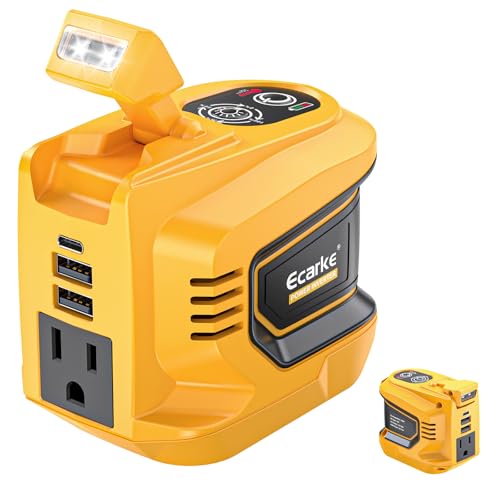
Ecarke 220W Portable Power Inverter for DeWALT 20V

Ecarke 220W Power Inverter for DeWALT 20V (2-Pack)

EF ECOFLOW RIVER 2 Portable Power Station (256Wh)
Ecarke 350W Power Inverter for DeWALT 20V
EnginStar 150W Power Bank with AC Outlet (155Wh)
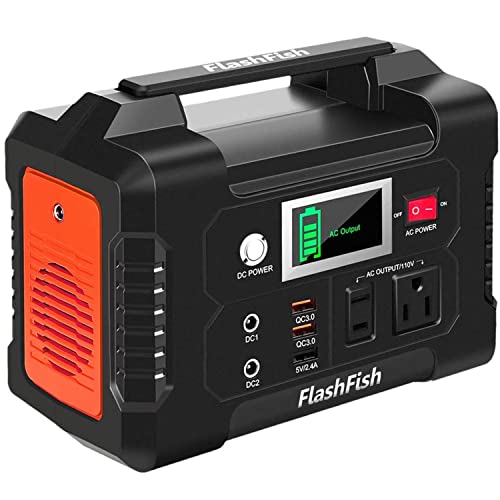
FF Flashfish 200W Portable Power Station (40800mAh)

Ecarke 300W Power Inverter for DeWALT 20V

EF ECOFLOW TRAIL 200 DC Power Bank Station
The Picks, Examined More Closely
The HOWEASY 127W sits at the gentler end of the category, aimed at people who want a grab-and-go outlet for short trips rather than full home backup. The LCD status panel keeps working state obvious at a glance, which I appreciate when I’m juggling cables in a dim tent.
It pulls double duty as a camping companion and an emergency shelf unit. Owners commonly keep it charged between uses so it stays ready for blackouts, since lithium cells left at full charge for months can slowly lose capacity.
Practical Pluses
- Lightweight body slips into a daypack without strain.
- LCD panel shows working status clearly, no guessing.
- Versatile for camping, cycling, road trips, and home power hiccups.
- Optional solar panel support gives an off-grid recharge path.
Worth Noting
- 127W output caps the unit to smaller electronics, so don’t expect hair dryers.
- Owners report periodic top-up charges help preserve long-term battery health.
Right Fit For
Casual campers and weekend road-trippers who want a fuss-free starter power station for phones, lights, and small laptops.
Look Elsewhere When
You need stronger output for kitchen appliances or multi-day blackouts, since the EF ECOFLOW RIVER 2 covers that ground with more wattage and faster recharge.
Where the HOWEASY above is a self-contained battery, the Ecarke 220W inverter is a clever adapter that turns an existing DeWALT 20V pack into a wall outlet. Weighing roughly 0.68 lb and shaped smaller than a water bottle, it disappears into a tool bag or glove box.
The appeal is obvious for tradespeople and DeWALT loyalists: no extra battery platform to maintain, no charger to babysit. Slide a 20V pack on, and you get one outlet plus USB ports for phones or job-site radios. Battery and charger ship separately, so factor that in.
Everyday Wins
- Tiny footprint fits glove boxes and tool bags with room to spare.
- Leverages the DeWALT batteries most contractors already own.
- One AC outlet plus USB-A and Type-C ports in a single unit.
- Built-in LED light covers a flat tire or a dark tent corner.
Trade Offs
- No battery or charger included, so first-time buyers need to add those.
- Single AC outlet limits simultaneous plug-in gear.
Best Suited To
DeWALT-owning contractors and DIYers who want AC power from batteries they already carry to the job.
Swap It Out When
You don’t already own DeWALT batteries, since the FF Flashfish 200W is a self-contained alternative with no battery platform required.
The two-pack version of the Ecarke 220W is the same adapter duplicated, which sounds redundant but solves a real problem. Crews working two locations, or partners sharing weekend projects, can park one inverter at each site instead of hauling a single unit back and forth.
Each unit keeps the sub-water-bottle size and the same 220W continuous output, so there’s no compromise on power for the sake of buying two. You still need DeWALT 20V batteries on hand, since none are included.
The Good Stuff
- Two units split across jobsites or vehicles save round trips.
- Identical 220W continuous output per inverter, no downgrade.
- Same USB-A and Type-C ports plus LED light as the single unit.
Minor Gripes
- Still no batteries or charger in the box.
- Only worthwhile if you actually need two adapters; one person rarely does.
Key Specs
Who Should Grab It
Two-person work crews or households with multiple vehicles who want an inverter at each location without buying separately.
A Better Fit Elsewhere
Solo users should pick the standard Ecarke 220W (Item 1 of this list) and skip the duplicate, unless redundancy matters for your setup.
The RIVER 2 jumps a tier above the HOWEASY and the Flashfish, trading a slightly heavier body for serious speed and stronger output. EcoFlow’s X-Stream fast charging takes the unit from empty to full in roughly an hour on a wall outlet, which changes how you actually use it.
With 256Wh of capacity and 300W of output, it handles the essentials during a power outage, including routers, phones, and modest medical devices. The LFP (lithium iron phosphate) battery chemistry also holds up better over many charge cycles than older lithium-ion designs.
Useful Highlights
- Sub-one-hour wall recharge keeps downtime short between uses.
- 300W output covers a wider appliance range than 150W units.
- LFP battery chemistry is rated for long cycle life.
- Multiple port types cover USB-C, USB-A, and AC simultaneously.
Points To Note
- Heavier than ultralight inverters, so it lives in a car or closet more than a pack.
- Higher-tier price relative to 150W stations.
Made For
Homeowners who want a reliable mid-size station for outage kit duty and frequent weekend use.
Reach For A Different Pick When
Portability matters more than capacity, since the EF ECOFLOW TRAIL 200 DC weighs far less for day-trip carry.
The 350W Ecarke steps up from its 220W siblings with extra AC outlets and more breathing room for hungry tools. Where the 220W versions handle laptops and small fans, this one nudges into job-site radio and work-light territory without bogging down.
The fire-retardant housing matters more than it sounds when the inverter lives in a hot truck cab or a dusty garage. RGB LED lighting is a quirky bonus that turns the unit into an ambient camp light.
Strengths Worth Knowing
- 350W output covers a wider range of job-site electronics.
- Two AC outlets let you run two devices at once.
- Dual USB-A and dual Type-C ports add charging flexibility.
- Fire-retardant shell suits demanding work environments.
A Few Limitations
- Still requires DeWALT 20V batteries, sold separately.
- Higher wattage drains a 20V pack faster than a 220W unit would.
Quick Facts
Whose Shelf It Belongs On
Tradespeople and serious DIYers running DeWALT platforms who need more wattage than the 220W models provide.
Skip It When
You want a self-contained unit you can hand to a family member, since the EnginStar 150W is simpler and battery-free to operate.
The EnginStar 150W lands in laptop-bag territory. With 155Wh tucked into a roughly phone-brick-plus footprint and a single 110V AC outlet, it covers remote-work sessions at a park table or a long flight delay where a wall outlet is missing.
It’s the kind of unit that quietly lives in a messenger bag, recharged from a wall between uses. Owners commonly pair it with a small solar panel for off-grid laptop days, though the panel is separate.
Everyday Perks
- Compact body slides into a laptop bag or large backpack.
- Single 110V AC outlet handles laptops and small appliances.
- Lithium-ion battery supports multiple device top-ups per charge.
- Multiple USB ports cover phones alongside the AC outlet.
Some Limits To Know
- 150W ceiling rules out kettles, heaters, and most kitchen gear.
- Single AC outlet means no simultaneous plug-in devices.
Who Will Love This
Remote workers and frequent travelers who want a grab-and-go laptop charger that fits under an airplane seat.
Not Your Match When
You need multi-device AC output at once, since the FF Flashfish 200W offers more ports for group use.
The Flashfish 200W is the category’s classic middle child: not the lightest, not the strongest, but the one most people reach for first. With 40800mAh of capacity and a generous port selection, it covers phones, tablets, cameras, drones, and small CPAP-style loads during a night.
For families who want one station that handles weekend camping and brief home outages alike, this is the easy answer. The unit pulls triple duty for road trips, blackout kits, and tailgate setups without specialized battery platforms.
Points In Its Favor
- AC outlet plus DC ports and three USB ports handle mixed loads.
- 151Wh capacity covers overnight device charging for most users.
- Compatible with optional solar input for off-grid recharging.
- Lightweight enough for a trunk or a closet shelf.
Less Ideal Details
- 200W ceiling falls short for hair dryers and space heaters.
- Older lithium-ion chemistry means shorter cycle life than LFP alternatives.
Perfect Match For
Families and casual campers who want a single do-mostly-everything station without specialized battery platforms.
Consider Something Else When
Long-term durability matters most, since the EF ECOFLOW RIVER 2’s LFP battery outlasts older lithium-ion designs across many cycles.
Sitting between Ecarke’s 220W and 350W models, the 300W version is the sweet spot for RV and van-life setups where you want genuine AC power without overtaxing a DeWALT 20V battery. Compatibility spans a long list of 20V packs, including the DCB206, DCB205, and DCB204 families.
Two AC outlets and three USB ports plus a Type-C port cover the kind of small kitchen or workstation loads a road trip demands. It’s tool-only, so you’ll still need a charged battery on hand to fire it up.
Standout Benefits
- Wide 20V battery compatibility covers most DeWALT packs users already own.
- 300W continuous output balances capability and runtime.
- Dual AC outlets handle two corded devices at once.
- Type-C 18W port charges modern phones and tablets quickly.
Potential Drawbacks
- Battery not included, so true first-time cost is higher than the adapter alone.
- 300W drains 20V packs faster than 220W, depending on load.
Built With In Mind
RV and van-life travelers who already use DeWALT tools and want AC outlets from batteries they already carry.
Where A Sibling Pick Shines
For heavier job-site loads, the Ecarke 350W (Item 5 of this list) bumps output higher with similar port layout.
The TRAIL 200 DC takes a different path than the others on this list. Where most portable 110v power supplies center around an AC outlet, this one skips the AC stage and pushes 220W of DC output across USB ports. The result is lighter, more efficient, and purpose-built for phone-and-laptop travel.
The 192Wh capacity roughly matches six standard power banks stacked together, but in a single hand-carryable unit. Two USB-C PD ports (100W and 140W) handle modern laptops at full speed, while two USB-A ports cover legacy cables.
The Upside
- USB-C PD up to 140W charges modern laptops at full speed.
- Lighter than 192Wh AC stations, since the inverter stage is skipped.
- Four USB ports support multiple users and devices at once.
- Up to 140W per port covers demanding USB-C gear.
Where It Is Less Suited
- No AC outlet, so standard wall plugs need a different station.
- DC-only design may surprise shoppers expecting a wall-style outlet.
The Right Fit
Hikers and day-trippers who run modern USB-C laptops and phones and want the lightest 192Wh option they can find.
A Better Fit Elsewhere
Pick the HOWEASY 127W instead if you need an actual 110V AC outlet for older electronics on camping trips.
Choosing The Right Portable Power Station For Your Routine
Capacity tells you how long, while wattage tells you what runs. A 150Wh station with 150W output handles phones and laptops for an evening but sputters the moment a hair dryer spins up. A 256Wh unit with 300W output gives you both longer runtime and the ability to start hungrier appliances.
Battery chemistry quietly matters more than people expect. LFP (lithium iron phosphate) cells outlast traditional lithium-ion by a wide margin on cycle count, which matters if you cycle the unit weekly. Traditional lithium-ion is lighter but degrades faster under heavy use.
Port layout shapes daily usability more than raw specs. Two outlets, multiple USB-A ports, and a USB-C PD port cover most family or job-site needs. If your gear is mostly USB-C, a DC-focused station like the TRAIL 200 serves you better than an AC-heavy design.
Inverter-based adapters that piggyback on tool batteries solve a different problem than standalone units. Contractors already carry DeWALT packs, so a $50 inverter turns those packs into outlets without adding a second battery platform to manage.
Smart Shopping Moves For Portable Power Shoppers
Where Shoppers Go Wrong
The most common slip is matching wattage to the wrong appliance. A 150W station sounds generous until a 1,200W induction burner refuses to even register. Always check the wattage draw of your largest intended load, then add a 25% margin for startup surges. Skipping this step is how people end up returning stations that “just don’t work.”
The Case For Spending Up
Higher-tier models earn their premium through three quiet upgrades: faster wall recharge, longer-lasting LFP battery chemistry, and better port layouts. For a family that drains the unit weekly, those upgrades compound into years of extra service. For an occasional weekend user, the budget tier still earns its keep.
Frequently Asked Questions
How long can a portable 110v power supply run a typical laptop?
A 150Wh station powers most 60W laptops for roughly two hours of active use, while a 256Wh unit stretches that closer to three and a half hours. Real runtime varies with screen brightness and workload intensity.
Can these units replace a home generator during an outage?
Mid-size 250Wh to 500Wh stations cover phones, routers, and lights for several hours, but they cannot power a refrigerator or HVAC system. For multi-day outage coverage, you’d need a much larger capacity station or a fuel generator.
Do solar panels work with all of these portable power supplies?
Most modern stations accept solar input through a built-in controller, but the compatible panel wattage varies by model. Always check the station’s solar input range before buying a panel, since mismatched panels charge slowly or not at all.
What is the difference between a power station and a battery inverter?
A power station has its own internal battery and recharge system, while a battery inverter borrows power from an external battery like a DeWALT 20V pack. Stations work standalone; inverters need a battery platform you already own.
How should I store a portable power supply between uses?
Store the unit at roughly 50% to 80% charge in a cool, dry place, and top it up every three months. Long-term storage at full charge slowly degrades most lithium chemistries, shortening overall service life.
Closing Thoughts
The right portable 110v power supply depends less on specs and more on the outlets you actually use. Match the station to your routine, and you’ll wonder how you managed without one. Start small with an inverter if you’re curious, or commit to a 256Wh station if outage coverage matters.
