

The lights flicker, the fridge hums dead, and suddenly the question stops being theoretical: how do you keep a household running when the grid goes down? I put this list together for homeowners, weekend DIYers, and full-time off-grid folks who want a real sense of what each system can handle before they commit. Some picks are grab-and-go power stations you can roll out of a closet, others are whole-home battery banks that want a wall mount and a serious install day. The goal here is simple, match the kit to the kind of outage or lifestyle you actually live with, not the fantasy version of either.
Your Options, Compared
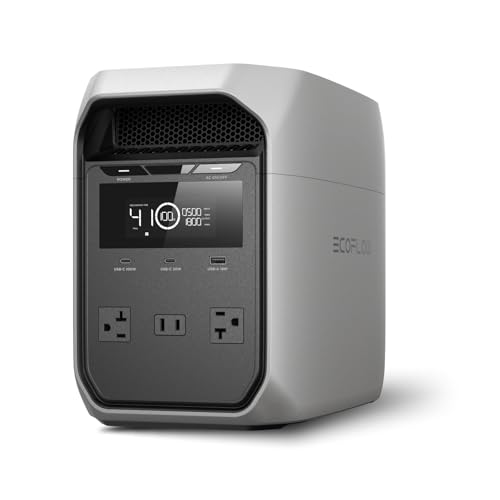
EF ECOFLOW Delta 3 Classic Power Station
HumsiENK 30.72kWh Home Backup LiFePO4 Battery + Inverter

HumsiENK 5.12kWh Wall-Mount Home Backup Kit

EF ECOFLOW DELTA Pro 3 Portable Power Station

HumsiENK 15.36kWh Home Backup Battery + Inverter

EF ECOFLOW DELTA Pro Portable Power Station

EF ECOFLOW DELTA 2 Max Power Station

ABOK Ark2000 Power Station with Solar Panel

DJI Power 2000 GaN Charging Combo
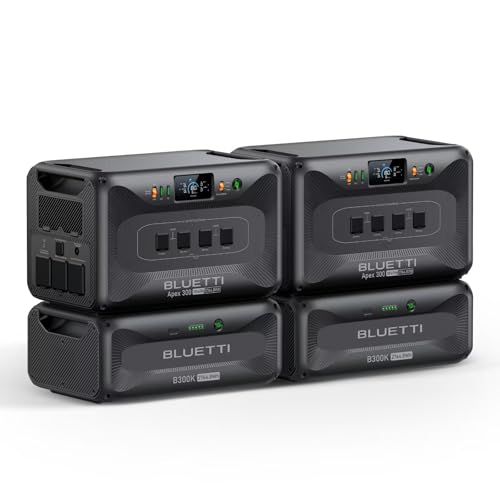
BLUETTI 2 Apex 300 with B300K Battery Bundle
A Deeper Look At The Lineup
The Delta 3 Classic sits in a sweet spot that a lot of apartment dwellers and weekend homeowners actually need: enough capacity to keep the router, lamps, and a fridge humming through a short blackout, but light enough to slide out of a closet without throwing out your back. I think of it as the station you grab when the storm warning pops up on your phone and you want something dependable staged by the kitchen island before the power cuts.
Compared to the bigger EcoFlow units later in this list, the Classic trades raw watt-hours for portability, which makes it friendlier for renters and small-space living. Owners commonly report the unit running quietly enough to keep near a bedside, and the carry-handle design feels balanced when you move it room to room.
Standout Benefits
- 1800W continuous output handles most household essentials, from microwaves to laptops, without flinching.
- 1024Wh capacity covers a short outage or a full day of low-draw devices, depending on your load profile.
- Expandable headroom via X-Boost helps bridge the gap when a heavier appliance kicks on briefly.
- Portable form factor makes it useful well past emergencies, like outdoor dinners or garage projects.
Things To Consider
- Not designed to back up an entire household, so matching it to a single circuit or a few essentials keeps expectations realistic.
- Charging speed varies with input source, so a full top-up takes longer off a standard wall outlet than off high-input AC.
Best Suited To
City dwellers and suburban homeowners who want a grab-and-go station for short outages and everyday portable use.
Look Elsewhere When
The HumsiENK 15.36kWh kit makes more sense if you need true whole-home coverage rather than a portable unit.
Stepping up to the HumsiENK 30.72kWh kit feels like jumping from a portable cooler to a chest freezer, more capacity, more permanence, more planning. The two-pack battery layout is engineered for homeowners who want multi-day runtime, and the integrated wheels help offset the bulk of moving LiFePO4 cells into a basement or garage corner. Think of this as the kit you commit to when “prepping for a long outage” is no longer hypothetical.
Versus the smaller HumsiENK 5.12kWh wall-mount option, this bundle trades wall-friendly sizing for serious storage depth. Owners commonly report that pairing it with a properly sized solar array turns it into a near-whole-home system, though the inverter hardware and wiring benefit from a professional install day.
Reasons It Performs
- Massive 30.72kWh storage stretches runtime across days of essential loads, not just hours.
- Built-in wheels ease placement, since moving two 48V 300Ah packs without them is awkward at best.
- Split-phase 120/240V output supports heavier 240V appliances like well pumps and dryer circuits.
- 10000W MPPT headroom leaves room for sizable rooftop solar arrays.
Points To Note
- This is a serious install, not a plug-and-play box, and many homeowners end up hiring an electrician for the wiring.
- Footprint and weight demand a dedicated space, so a garage nook or utility room corner becomes essential.
Quick Facts
Who It Suits Best
Off-grid homeowners, hobby-farm stewards, and pros who want serious multi-day capacity and solar headroom in one bundle.
A Better Fit Elsewhere
The EF ECOFLOW DELTA Pro 3 is the right call when portability matters more than wall-mounted permanence.
For homeowners who want to dip a toe into wall-mounted backup without painting the garage floor with battery boxes, this 5.12kWh starter kit keeps things approachable. The single 51.2V 100Ah pack mounts cleanly on a basement or garage wall, and the same split-phase inverter headroom carries over from the bigger HumsiENK bundles. I think of it as the “start small, grow later” path.
Where the 30.72kWh bundle above is built for multi-day resilience, this kit is built for essentials coverage: fridge, internet, lights, and a few outlets for a day or so. Owners commonly appreciate that the system can expand into a much larger array later, so the initial purchase doesn’t cap the long-term plan.
What Works In Its Favor
- Wall-mount design reclaims floor space, which matters in tight utility rooms and small garages.
- Active balancing on the LiFePO4 pack helps cells stay matched over years of daily cycling.
- 8000W inverter output is generous for a starter kit and handles short surges from pumps or microwaves.
- Scalable path lets you add batteries and inverters over time as needs grow.
Honest Caveats
- Single-battery configuration won’t carry a household through a multi-day outage, so it pairs best with managed loads.
- Wall-mounting requires solid anchors and basic electrical confidence, or a handyman’s afternoon.
Made For
Homeowners in smaller properties who want a tidy wall-mounted backup for essentials with room to expand later.
Swap It Out When
The HumsiENK 30.72kWh kit serves better when multi-day resilience matters more than saving floor space.
The DELTA Pro 3 is the portable power station that stopped feeling like a portable power station. With a 4096Wh LFP battery and 4000W AC output, it can shoulder real home circuits rather than just a couple of lamps, and the expandable ecosystem reaches into truly whole-home territory. It’s the kind of unit you wheel into the garage for a storm, then leave plugged into the house as a standby core.
Compared to the smaller Delta 3 Classic earlier in the list, the Pro 3 trades portability for capacity and headroom in a serious way. Owners commonly note that the build feels closer to a small appliance than a camping accessory, which makes sense given the spec sheet. The honest read is that this is a premium unit with a premium footprint to match.
Notable Upsides
- 4096Wh capacity covers longer outages and more demanding loads than typical portable stations.
- 4000W AC output handles 240V appliances, opening up well pumps and larger kitchen gear.
- LFP chemistry supports thousands of cycles, which matters for daily or weekly use over years.
- Expandable with extra batteries and smart generators, so the platform can grow with the household.
Trade-Offs
- Heavier and bulkier than smaller portable stations, so plan a permanent staging spot rather than a closet.
- Price tag climbs fast once you start adding expansion batteries to the base unit.
Right Fit For
Homeowners who want a high-capacity portable core that doubles as standby backup without committing to wall-mounted batteries.
Consider Something Else When
The HumsiENK 15.36kWh kit works better if you want a fixed split-phase setup rather than a wheeled portable.
The 15.36kWh HumsiENK bundle sits right in the middle of the lineup, more substantial than a wall-mount starter, less of a commitment than the 30kWh setup. With a single 48V 300Ah pack on wheels and the same 8000W split-phase inverter architecture as its larger sibling, it’s the kit I think about when someone wants to power essentials through a multi-day outage without scaling all the way up.
Versus the smaller 5.12kWh starter, this unit offers roughly triple the storage in a similar footprint, which meaningfully changes what you can leave running overnight. Owners commonly report pairing it with modest rooftop solar for daytime recovery and overnight coverage on essentials.
Where It Helps
- 15.36kWh capacity covers essentials across a full day or two of conservative use.
- 200A BMS with active balancing supports reliable daily cycling for solar-fed households.
- Split-phase 120/240V output handles both standard outlets and heavier 240V loads.
- 10000W MPPT input leaves room to grow the solar side as budget allows.
Smaller Limitations
- Still requires a dedicated indoor or sheltered spot, since exposure to weather isn’t ideal for the electronics.
- Installation assumes comfort with high-voltage DC wiring, or a professional on speed dial.
Quick Facts
Who Should Grab It
Households that want meaningful multi-day capacity without going all the way to a 30kWh system.
Reach For A Different Pick When
The EF ECOFLOW DELTA Pro 3 fits better for shoppers who want portability rather than a wheeled battery bank.
The original DELTA Pro earned its reputation by being the first portable station that genuinely behaved like a home backup core, and the 3600Wh version here still hits that mark nicely. With a 3600W AC output and the ability to expand up to 25kWh with extra batteries, it’s the ecosystem play. You buy the base, you add capacity when budget allows, and you don’t lock yourself into a fixed wall system on day one.
Compared to the newer DELTA Pro 3 above, this unit gives up some peak wattage and the higher-output LFP cell count, but it earns points with the deep accessory ecosystem. Owners commonly note that the optional solar panels and smart generators slot in cleanly, which matters if you plan a phased build-out.
Bright Spots
- 3600Wh capacity lands in the practical sweet spot for suburban backup, big enough to matter, manageable to move.
- Modular expansion up to 25kWh turns a starter buy into a whole-home solution over time.
- Strong accessory ecosystem: extra batteries, smart generators, and solar panels all click into the same platform.
- App-based monitoring makes it easy to track draw and charging from a phone during an outage.
Less Ideal Details
- Not a featherweight at this capacity, so a garage corner or utility room becomes the natural home.
- Total system cost climbs steeply once you start stacking expansion batteries and panels.
Perfect Match For
Shoppers who want a phased path into home backup and value a deep accessory ecosystem over a sealed unit.
Not Your Match When
The HumsiENK 5.12kWh wall-mount kit makes more sense if a tidy wall-mounted install matters more than expansion room.
The DELTA 2 Max is the unit I tend to recommend first to suburban families who want real backup without going overboard. With 2048Wh of LFP capacity and 2400W of output, it covers the basics: fridge, internet, phone charging, and a few lights, for a meaningful stretch. It’s also light enough that one person can move it without planning ahead.
Compared to the DELTA 3 Classic earlier in the list, the 2 Max offers a larger battery and similar daily-driver output, which translates to longer runtime on the same load profile. Owners commonly appreciate the long cycle life of LFP chemistry, which matters if the unit sees regular weekend use as well as emergency standby duty.
The Value In It
- 2400W output covers the appliances suburban households reach for first during an outage.
- LFP battery chemistry supports thousands of cycles, so the unit earns its keep over years of use.
- Reasonable carry weight makes it useful well past emergencies, like tailgates and outdoor projects.
- Fast AC and solar charging help recover between uses without long downtime.
Practical Considerations
- Capacity tops out for essentials, so managing loads thoughtfully matters more than with bigger units.
- Not designed for 240V circuits, so heavier appliances like well pumps need a different setup.
Built With In Mind
Suburban families and renters who want a dependable, family-friendly portable unit for everyday backup and weekend projects.
Where A Sibling Pick Shines
The HumsiENK 30.72kWh kit serves better for households that need genuine multi-day resilience beyond essentials.
The ABOK Ark2000 kit arrives as a station-plus-panel bundle, which is the kind of packaging I appreciate for first-time solar shoppers. With a 1536Wh capacity, 2000W output, and a bundled Asp200 panel, you can unbox and start harvesting sunlight without buying components separately. It’s the most “complete starter package” feel on this list.
Versus the EcoFlow units earlier, this bundle trades brand ecosystem for an all-in-one approach. Owners commonly note that the panels and station ship separately and may arrive on different days, so a little patience helps during the unboxing. The honest read is that this kit is great for cabin weekends and RV travel, less so for full-time home backup.
Practical Pluses
- Bundled 200W solar panel removes the guesswork from matching panels to the station.
- 1536Wh capacity handles a full day of low-to-moderate camping or cabin loads.
- 2000W output covers common cooking and power-tool appliances at an off-grid site.
- Single-purchase simplicity appeals to first-time solar shoppers.
Things To Weigh
- Capacity is modest for full-home backup, so the kit leans toward off-grid recreation rather than whole-house use.
- Two-package shipping means planning for separate delivery days before heading off-grid.
Whose Shelf It Belongs On
Off-grid cabin owners, RV travelers, and first-time solar shoppers who want a bundled station-plus-panel setup.
Skip It When
The EF ECOFLOW DELTA Pro 3 makes more sense for households needing serious home backup rather than travel-oriented capacity.
The DJI Power 2000 brings the brand’s reputation for compact, fast-charging electronics into the home backup space, and it shows. The 140W GaN charging tech, meaning gallium nitride, a semiconductor material that runs cooler and more efficiently than traditional silicon, helps the unit recover to 80% in well under an hour. For travelers and job-site workers who value turnaround time, that matters.
Compared to the ABOK bundle earlier, the Power 2000 leans toward speed and smart features rather than bundled solar. Owners commonly appreciate the bright smart display for quick status reads in outdoor light, which is a small thing until you actually need to check state of charge at a campsite.
Positive Points
- 140W GaN charging delivers fast turnaround, which keeps road-trip and job-site workflows moving.
- Smart display remains readable in bright outdoor conditions.
- Compact footprint relative to capacity suits car trunks and small job-site staging.
- Runs a wide range of household and outdoor appliances, from kettles to impact drills.
What To Weigh
- Not designed as a multi-day home backup, so it fits travel and short-stay use better than whole-house resilience.
- Accessory ecosystem is newer than legacy brands, which can mean fewer third-party add-ons at launch.
The Right Fit
Road-trippers, mobile contractors, and outdoor creators who value fast charging and a travel-friendly footprint.
A Better Fit Elsewhere
The HumsiENK 15.36kWh kit suits shoppers prioritizing home backup capacity over travel-ready charging speed.
BLUETTI closes out the list with the Apex 300 bundle, a dual-inverter setup paired with B300K battery packs that climbs into serious whole-home territory. With parallel capability and expansion potential up to 58kWh, this is the kit for shoppers who want to build a system that grows alongside the household rather than one that caps out at a fixed capacity. It also brings direct plug-and-play convenience, since the multiple AC outlets handle heavy loads without shore power.
Compared to the HumsiENK fixed-mount kits earlier, the BLUETTI package leans into modularity and dual-inverter redundancy. Owners commonly appreciate that the bundle can scale from a small starter configuration into a much larger system, which helps spread the cost over time.
What Helps Most
- Dual Apex 300 inverters add redundancy and headroom for heavier 240V appliances.
- B300K battery packs scale capacity over time, so the system grows alongside household needs.
- Multiple AC outputs let you run appliances directly without shore power hookups.
- Parallel-ready design means the platform isn’t a dead end once the first inverter is in place.
Details To Watch
- Bundle weight and footprint demand a dedicated space, so plan placement before delivery.
- Modular pricing can climb quickly when scaling to the largest configurations.
Quick Facts
Who Will Love This
Shoppers planning a phased whole-home backup build who want modularity and dual-inverter headroom from day one.
Where Another Pick Suits Better
The EF ECOFLOW DELTA 2 Max fits better for families who want a single, portable unit rather than a multi-component bundle.
What Matters When Choosing a Home Backup Power System
Capacity versus portability is the first fork in the road. Portable stations like the EF ECOFLOW Delta 3 Classic and DELTA 2 Max serve short outages and everyday portability, while wall-mounted or wheeled battery kits from HumsiENK and BLUETTI lean into multi-day resilience. Run-time calculations start with the watts each essential draws and the hours you need them online; a fridge and internet setup can survive on a 2kWh portable, but a household targeting whole-circuit coverage needs a kit in the 10kWh and up range.
Battery chemistry shapes long-term cost. LiFePO4, lithium iron phosphate, packs like those used across the HumsiENK and EcoFlow LFP units support thousands of cycles, which matters when the system runs daily rather than sitting in standby. Older chemistries cost less up front but wear out faster under regular use, so the budget-versus-longevity trade-off deserves a hard look before purchase.
Inverter output and split-phase support determine which appliances you can actually run. Split phase, meaning two 120V legs combined to deliver 240V for heavy appliances like well pumps and dryers, is the headline feature on the HumsiENK and BLUETTI kits. Portable units like the Delta 3 Classic and DELTA 2 Max stick with standard 120V, which handles most household essentials but not every appliance in the home.
Solar input headroom matters once you commit to off-grid use. Higher MPPT ratings, where MPPT stands for Maximum Power Point Tracking, the circuitry that pulls the most energy possible from solar panels at any given moment, mean the system can accept larger panel arrays as budgets and rooftop space allow. Buyers planning to expand solar over time should leave headroom on day one rather than bottleneck themselves into a smaller inverter later.
Picking Smart Across These Home Backup Options
Mistakes Worth Dodging
Underestimating what you actually need to run is the most common trap. Shoppers often size a system for a single fridge and overlook routers, lighting, medical devices, and phone-charging habits, then watch their “backup” deplete in a few hours. Listing real loads and their daily watt-hours, then doubling that number for safety margin, beats optimistic math every time.
Ignoring install complexity is a close second. Portable stations plug into a wall outlet, but wall-mounted LiFePO4 kits with split-phase inverters may need a transfer switch, dedicated breakers, and sometimes a professional electrician. Confusing “easy to order” with “easy to install” leaves some households with a box they can’t actually use.
When Paying More Pays Off
Higher-tier systems earn their premium through chemistry, headroom, and expansion paths. LiFePO4 batteries last far longer than older chemistries under daily cycling, which spreads the upfront cost across many more years. Generous inverter wattage and high MPPT ratings also future-proof the system against larger appliances and bigger solar arrays added later.
The upgrade is worth it for households that depend on backup regularly, whether for off-grid living, frequent storm seasons, or remote work that can’t tolerate downtime. For occasional short outages in stable-grid regions, a mid-tier portable often delivers more practical value than a full wall-mounted system.
Frequently Asked Questions
How long can a home backup power system run a refrigerator? Most mid-size portable stations cover a standard fridge for roughly 8 to 14 hours, depending on compressor cycling and ambient temperature. Wall-mounted LiFePO4 kits in the 10kWh and up range stretch that to multiple days for the same single load.
Do I need solar panels to use a backup power system? No. Every system on this list runs from AC wall charging, so solar is optional. Adding panels simply extends runtime off-grid and reduces grid dependence over time.
What is split-phase output, and when does it matter? Split-phase combines two 120V legs into a 240V circuit, which heavy appliances like well pumps, dryers, and some HVAC units require. Households with 240V loads should prioritize split-phase kits like the HumsiENK or BLUETTI bundles.
How long do LiFePO4 batteries last in these systems? LiFePO4 cells commonly deliver thousands of full charge cycles before noticeable capacity loss, which translates to many years of regular use. The exact lifespan depends on depth of discharge, ambient temperature, and charging habits.
Can I install a wall-mounted backup system myself? Smaller kits may suit confident DIYers with basic electrical experience, but most split-phase systems benefit from professional installation. Local electrical codes often require permits and inspections for permanent backup wiring, so checking regulations before installation avoids headaches.
Closing Thoughts
The right home backup power system depends less on specs alone and more on the outage pattern you actually live with. A suburban family facing short storm-driven blackouts needs something different from an off-grid household chasing multi-day resilience, and the ten picks above cover both ends and the middle. Match the kit to your loads, leave room to grow, and the next time the lights flicker, the fridge stays cold and the router keeps blinking.
