

Anyone who’s fumbled through a junk drawer at midnight hunting for a working AA knows the quiet frustration of being unprepared. Between remote controls, smoke alarms, game controllers, and a growing pile of smart-home sensors, a single household can burn through batteries faster than most people realize. Stocking the right cells ahead of time keeps the flashlight working, the thermostat reading, and the kids’ gaming session alive, and it spares the late-night hardware-store run.
I pulled together nine options that cover the common scenarios around the house. There are disposable AAs and AAAs in practical bulk, 9V cells built for smoke and carbon monoxide alarms, and rechargeable lithium packs for anyone tired of tossing coin cells into the trash. Each pick below solves a slightly different problem, so the best match depends on what your devices actually demand.
A Fast Comparison Of The Options

Energizer Alkaline Power AA and AAA Batteries 64 Count Variety Pack

Duracell Coppertop AA Batteries 40 Count with Power Boost Ingredients

PHILIPS 4 Pack 9V Lithium Batteries 1200mAh

PHILIPS 9V Alkaline Batteries 4 Pack 10-Year Shelf Life
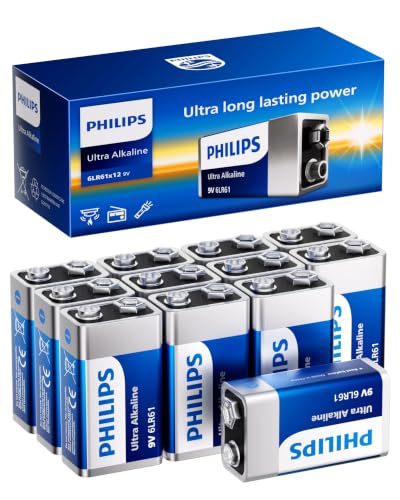
PHILIPS 9V Alkaline Batteries 12 Pack Up to 10-Year Shelf Life

Duracell x Messi Coppertop AAA Batteries 28 Count
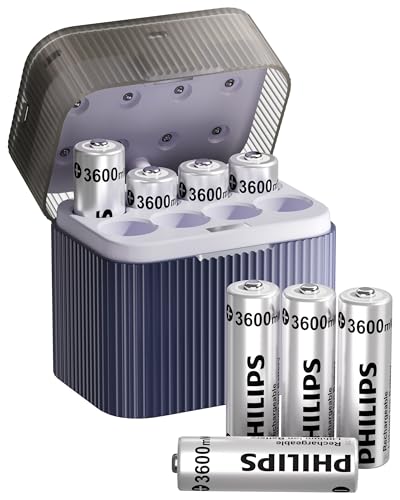
PHILIPS Rechargeable AA Lithium Batteries 8 Pack 3600mWh

PHILIPS Rechargeable AAA Lithium Battery 8 Pack 1300mWh

PHILIPS Rechargeable AA Lithium Battery 4 Pack 3600mWh
The Picks, Examined More Closely
This mixed pack is the kind of thing I wish I’d bought years ago. With 32 AA and 32 AAA alkaline cells in one box, it covers the two formats most homes actually use, so a single trip to the retailer sets up the remote-control shelf, the game-controller bin, and the flashlight drawer all at once.
For anyone moving into a new apartment or restocking after a long stretch without a battery run, this is a sensible starting point. The cells handle the low-to-medium draw devices that dominate everyday life, including thermometers, wireless mice, and VR controllers, and they’re built to resist leaking inside idle gadgets, which matters when a remote sits untouched for months.
A Favorable Mix
- Two battery sizes in one purchase means fewer emergency runs to the store.
- Alkaline chemistry (the standard, non-rechargeable chemistry found in most household cells) suits low-drain devices like remotes and clocks.
- Leak-resistant construction helps protect expensive remotes and gamepads from corrosion damage.
- Wide device compatibility covers everything from a wireless mouse to a kitchen thermometer.
Points To Keep In Mind
- Alkaline cells run down faster than lithium in high-drain gear like camera flashes.
- Storage life is shorter than lithium alternatives, so rotating the oldest cells to the front of the drawer is wise.
Right Fit For
A new homeowner or anyone wanting one purchase to cover most household basics across both AA and AAA devices.
Consider Something Else When
Smoke and carbon monoxide alarms are the priority, since the PHILIPS 4 Pack 9V Lithium Batteries handle that job with longer-lasting chemistry.
Where the Energizer pack splits its attention between AA and AAA, this one focuses squarely on AA. Forty cells split across a 24-pack and a 16-pack give plenty of capacity for the busiest AA households, and the Power Boost Ingredients are designed to extend working life inside real devices.
The promise of a 12-year storage guarantee (meaning the cells hold their charge while sitting on a shelf) makes this a fit for anyone building a long-term reserve. For a family running TV remotes, gaming controllers, and a flashlight or two through holiday weekends, this kind of bulk keeps the supply steady.
What It Does Well
- Power Boost chemistry is formulated to extend runtime in everyday electronics.
- 12-year storage guarantee means cells bought now still work years from now.
- 40-count split into two packs reduces waste if only a portion is needed soon.
- Compatible with remotes, toys, cameras, and flashlights around the house.
Honest Caveats
- AA-only stock leaves AAA devices uncovered; pair with a separate AAA pack if needed.
- Heavier and bulkier to ship or store than smaller disposable packs.
Key Specs
Best Suited To
Households with many AA-powered gadgets and a preference for long-storage shelf-stable cells.
Skip It When
Rechargeable economics matter more, because the PHILIPS Rechargeable AA Lithium Batteries 8 Pack trades higher upfront cost for far cheaper long-term use.
The 9V battery lives a quieter life than AA, but the devices it powers tend to be the ones that matter most. Smoke alarms, carbon monoxide detectors, and emergency radios all depend on this square cell, and PHILIPS’s lithium option brings noticeably more capacity than standard alkaline versions.
The 1200mAh rating (milliamp-hours, a measure of how long a battery can deliver a given current) puts these well above the typical alkaline 9V, and lithium chemistry holds voltage more steadily through the life of the cell. For households with interconnected detectors on every floor, the upgrade translates into longer intervals between replacements.
Good Reasons To Consider
- Lithium chemistry delivers higher sustained output than alkaline 9V cells.
- Steady voltage through discharge means devices work reliably until the cell is truly spent.
- Compact 4-pack suits most homes running a handful of safety detectors.
Practical Considerations
- Higher cost per cell than alkaline 9V options.
- Not rechargeable, so the cell eventually needs proper disposal or recycling.
Who Should Grab It
Anyone whose smoke and CO alarms are interconnected and who wants to extend the time between battery swaps.
Look Elsewhere When
Bulk 9V storage matters more than top-tier capacity, because the PHILIPS 9V Alkaline Batteries 12 Pack fills that role at a lower per-cell price.
This 4-pack trades raw capacity for shelf stability. The anti-self-discharge formula aims to keep cells usable across a decade in storage, which matters most for backup alarms and emergency gear that sits unused for long stretches.
Compared to the lithium 9V option above, this alkaline version costs less per cell but won’t last as long inside a working detector. Its strength is the basement shelf or the emergency kit, where a decade of reliable standby beats peak performance.
Strengths Worth Knowing
- Anti-self-discharge construction targets up to 10 years of usable shelf life.
- Lower per-cell price than lithium 9V alternatives.
- Compact 4-pack fits neatly in a drawer or emergency supplies box.
Things To Consider
- Lower capacity than lithium 9V in active use, so expect more frequent swaps in daily detectors.
- Alkaline cells are more vulnerable to leaking if left in a device past their useful life.
Right Fit For
Anyone building a long-term emergency supply or backup stock for rarely-used 9V devices.
Swap It Out When
The 9V battery sits in a working smoke alarm that chirps at inconvenient times, since the PHILIPS 4 Pack 9V Lithium Batteries run longer between replacements.
For homes with several interconnected detectors, a four-pack disappears fast. This 12-pack offers the same shelf-stable alkaline chemistry at a lower cost per cell, which makes sense for anyone replacing batteries across multiple alarms at once or stocking a multi-room emergency kit.
The trade-off is size. Twelve 9V cells take up more cabinet space than a smaller pack, and they all share the same lower-capacity profile of any alkaline 9V. For a household rotating through detectors every year or two, the math works out well.
A Few Strong Suits
- 12-count bulk lowers the per-cell cost considerably.
- Up to 10-year shelf life supports long-term storage in emergency supplies.
- Covers every 9V device in a typical multi-detector home in a single purchase.
Less-Strong Areas
- Bulky to store compared to a 4-pack, especially in tight utility closets.
- Alkaline chemistry means shorter active life than the lithium option.
Best Suited To
Owners of multi-detector homes who want to replace all 9V cells at once and keep spares on hand.
A Better Fit Elsewhere
Premium longevity in active alarms matters most, where the PHILIPS 4 Pack 9V Lithium Batteries outperform alkaline in daily use.
AAA cells power a quietly enormous range of household devices, from TV remotes to digital thermometers to kids’ toys. This 28-count Duracell pack leans into that reality, providing enough cells to absorb the constant drain of a busy household without constant restocking.
The Power Boost formula inside is the same one found in Duracell’s larger AA offerings, so the chemistry is familiar and broadly trusted. For a parent of small children, the 28-cell count often lines up nicely with a calendar year of small-battery use.
Advantages To Know
- 28 AAA cells handle several months of typical household use.
- Power Boost formulation supports consistent output in remotes and small electronics.
- 12-year storage guarantee keeps extras ready when needed.
A Few Limitations
- AAA-only format leaves AA devices uncovered, so most homes will want both.
- Disposable alkaline cells cost more over time than rechargeable options in heavy-use gadgets.
Quick Facts
Right Fit For
Families with lots of AAA-powered toys, remotes, and small electronics who want to stock up once.
Reach For A Different Pick When
Game controllers or VR remotes chew through AAA weekly, because the PHILIPS Rechargeable AAA Lithium Battery 8 Pack is built for that kind of frequent cycling.
Rechargeable batteries stop making sense the moment the cost and hassle of cycling them outweigh the savings. For households with AA devices that get real use, though, the math flips quickly. These PHILIPS cells hold a steady 1.5V output from full charge to empty, which means devices don’t fade as the battery drains, a common complaint with older Ni-MH rechargeables.
The 3600mWh capacity (milliwatt-hours, the energy a battery can deliver over time) sits well above typical Ni-MH cells, and the rated cycle life (the number of full charge-and-discharge cycles before capacity drops noticeably) reaches into the thousands. For game controllers, flashlights, and anything that chews through alkalines, this pack pays for itself within a year or two.
Where It Helps
- Constant 1.5V output prevents the gradual slowdown common in Ni-MH rechargeables.
- High capacity suits demanding devices like game controllers and camera flashes.
- Rated for roughly 1200 charge cycles, lowering long-term cost significantly.
Worth Bearing In Mind
- Higher upfront cost than alkaline packs.
- Requires a compatible lithium-ion charger, sold separately or bundled in some kits.
- Not a direct drop-in for very low-cost devices that may not need rechargeable longevity.
Best Suited To
Gamers, photographers, and anyone running AA-powered devices on a near-daily basis who wants to stop buying disposables.
Not Your Match When
Only occasional AA use is expected, where the Duracell Coppertop AA Batteries 40 Count delivers simpler, cheaper performance.
Where the AA rechargeable pack tackles high-drain gear, this AAA version handles the smaller format that still sees constant use. Game controllers, TV remotes, and wireless keyboards all run through AAA cells faster than people expect, and swapping disposables for rechargeables turns a recurring expense into a one-time buy.
The 1300mWh capacity is meaningful for the AAA size, and the steady 1.5V output keeps devices performing consistently through the charge cycle. Households with several rechargeable electronics in rotation will appreciate not running to the store every few weeks.
Noteworthy Benefits
- Rechargeable AAA format cuts down on disposable waste in everyday electronics.
- Stable 1.5V output across the discharge cycle keeps devices performing consistently.
- 1200-cycle rating supports years of repeated use before capacity noticeably fades.
Trade-Offs To Consider
- Initial cost is higher than alkaline AAA packs.
- Needs a lithium-ion charger, often purchased separately.
Best Suited To
Xbox and PlayStation controller households, plus anyone running multiple AAA-powered remotes or keyboards.
Consider Something Else When
Mostly low-drain devices like a simple wall clock are in play, where the Duracell x Messi Coppertop AAA Batteries 28 Count handles that workload without a charger.
This 4-pack version offers the same high-capacity lithium chemistry as the larger 8-pack, just in a smaller starter quantity. For someone testing the rechargeable waters with a single Xbox controller or a camera, four cells is enough to confirm the upgrade is worth it before committing to a bigger set.
The 3600mWh rating holds the same constant 1.5V performance during gameplay, which matters for wireless controllers that drop responsiveness as batteries weaken. Pairing two of these four-cell sets quickly scales up to cover a full household rotation.
Useful Highlights
- Same high-capacity lithium cells as the 8-pack in a smaller commitment.
- Stable 1.5V output prevents controller slowdown mid-game.
- 1200-cycle rated life offers years of rechargeable use.
Where It May Fall Short
- Four cells may run out quickly across a multi-controller gaming setup.
- Requires a separate lithium-ion charger to use.
Core Details
Made For
Casual gamers testing rechargeable AA power before committing to a larger pack.
Where Another Pick Suits Better
Multiple controllers or devices run daily, where the PHILIPS Rechargeable AA Lithium Batteries 8 Pack provides a fuller rotation.
Picking The Right Cell For The Device
Match The Battery Format To The Gadget
The fastest way to overspend on home batteries is buying the wrong size. A quick walk through the house with a flashlight reveals the truth: most rooms contain a mix of AA, AAA, and the occasional 9V tucked into a smoke alarm. Stocking all three formats ahead of time prevents the frustrating scavenger hunt for the one missing size. For mixed households, a combo pack like the Energizer variety pack solves two formats at once, while a dedicated AA or AAA pack makes more sense if one size dominates.
Think About How Hard The Device Pushes
Battery chemistry matters more than most people realize. Low-drain devices like a wall clock, a TV remote, or a simple kitchen timer sip power gently, and standard alkaline cells handle that workload for months. High-drain devices tell a different story: game controllers, camera flashes, and digital thermometers with constant readouts drain alkalines fast, which is where rechargeable lithium or high-capacity lithium disposables earn their higher per-cell price. Matching chemistry to demand is the single biggest money-saver in battery buying.
Weigh The Upfront Cost Against Long-Term Use
Disposable alkalines cost less per cell, but the math flips quickly in busy households. A family going through eight AA cells a month for game controllers spends more over a year than the upfront cost of a rechargeable lithium set that lasts for hundreds of cycles. The honest comparison requires tracking actual usage rather than guessing. Households with mostly idle devices benefit from alkaline convenience; households with active electronics usually save with rechargeables.
Don’t Forget Storage And Shelf Life
Cells sitting in a drawer lose charge slowly over time, a process called self-discharge. Long-shelf-life alkaline or lithium options hold their charge through years of storage, which matters for emergency kits, basement sensors, and rarely-used flashlights. Buying in bulk only helps if those cells still work when the power goes out.
Key Considerations Across These Picks
Pitfalls Shoppers Hit
The most common mistake is mixing chemistries inside a single device, like pairing an alkaline cell with a rechargeable lithium one. Even within the same size, voltages and discharge curves differ, and the weaker cell can leak or fail prematurely. Another trap is overstocking one format while neglecting others, leaving a smoke alarm chirping at 2 a.m. with no spare 9V on hand.
Where The Extra Money Goes
Higher-priced cells in this category typically buy three things: longer storage life, higher sustained capacity under load, and rechargeable cycling. Lithium 9V cells cost more than alkaline but last noticeably longer inside working smoke alarms, which means fewer late-night chirps. Rechargeable lithium packs cost more upfront but pay back quickly in any device that goes through more than a pack of disposables per year. The upgrade is worth it when the device sees daily use, and less justified for the occasional flashlight or remote.
