

A flashlight dies mid-power-outage, a weather radio sputters during a storm, and a kid’s toy falls silent on Christmas morning. D cells run some of the most important gear in a home, and picking the wrong pack means more replacements, more landfill waste, and more frustration. I went through the current lineup on Amazon and narrowed it down to eight solid options, balancing runtime, shelf life, pack size, and the rechargeable angle for heavy users.
The Main Contenders

Duracell Coppertop D Batteries, 4 Count

Energizer Alkaline Power D Batteries 12 Count

Energizer D Batteries (8 Pack), D Cell
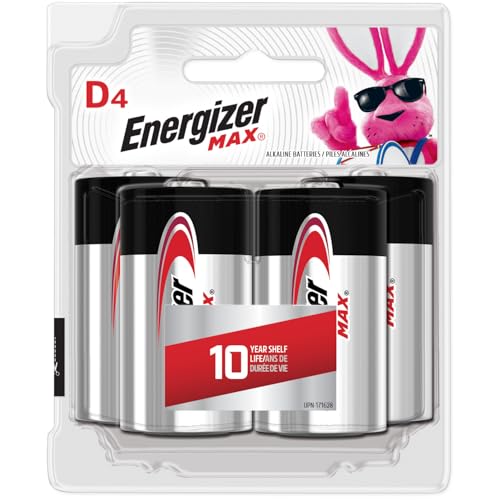
Energizer MAX D Batteries (4 Pack)

DURACELL CopperTop Alkaline D Batteries

Amazon Basics 12-Pack D Cell Alkaline Batteries

4 Pack Rechargeable D Batteries, 1.5V Lithium LR20

Rechargeable C Batteries 4 Pack 7400mWh Lithium LR14
A Deeper Look At The Lineup
The Duracell Coppertop 4-pack is the kind of battery you toss into a kitchen drawer and forget about until a flashlight or boombox finally gives up. It’s a standard alkaline D cell, the LR20 format most gear expects, and the 4-count is a sensible starting point for a household that doesn’t burn through D cells by the dozen.
Compared with the bigger bulk packs later on this list, the 4-count feels lighter and easier to stash. Owners commonly describe good longevity in things like portable lanterns and kid toys, and the 10-year storage window means the extras on your shelf stay usable through years of standby.
Everyday Wins
- Trusted alkaline format works in any standard D-cell device
- 10-year shelf life keeps spares ready for storm season
- 4-count is a manageable size for first-time D buyers
- Widely available, easy to find at most retailers
Things To Consider
- Single-use only, not rechargeable like the AKTTKA option
- 4-pack may run out fast in homes with multiple high-drain gadgets
Feature Snapshot
Who It Suits Best
Casual households with one or two flashlights, a portable radio, or a kid’s toy that runs on D cells will find this a clean, no-fuss fit.
Consider Something Else When
Heavy users running D-cell lanterns and toys daily should look at the Energizer Alkaline Power 12-pack instead.
Energizer’s Alkaline Power line is the bulk-friendly side of the D-cell world, and the 12-count here is built for homes that chew through batteries the way some families go through paper towels. It uses the same LR20 footprint as the rest of the roundup, so no compatibility worries.
Where the 4-count Duracell above is a sampler, this is more like a year’s supply for a busy household. You may find it best deployed in clusters of devices, say, four D-cell lanterns, a boombox, and a couple of weather radios.
Positive Points
- 12-pack spreads across multiple devices without reordering mid-year
- Alkaline chemistry handles common high-drain gadgets well
- Long shelf stability means extras stay usable in a closet
Honest Caveats
- Single-use cells create ongoing replacement costs versus rechargeables
- Bigger box needs a proper storage spot to stay organized
Made For
Large households, group homes, and anyone tired of running out of D cells right when the power goes out.
Look Elsewhere When
Anyone who wants to cut long-term waste should consider the AKTTKA Rechargeable D Batteries instead.
Sitting between the smaller 4-pack and the heavier 12-count, the Energizer D 8-pack hits a sweet spot for people who want spares without committing to a full case. These are standard alkaline D cells, the kind you drop into a flashlight, a portable speaker, or a kids’ ride-on toy and forget for months.
For someone packing a camping kit or a car emergency bag, an 8-pack lets you dedicate four cells to a lantern and keep the rest boxed for later. Compared with the Duracell 4-count, you get double the runtime coverage at a similar per-cell cost.
Useful Highlights
- Mid-size pack fits camping, road trips, and home rotation
- Alkaline chemistry designed for everyday high-drain gear
- Long storage life when kept in a cool, dry drawer
- Pair easily with the smaller Duracell 4-pack above for mixed households
Worth Noting
- Single-use chemistry means landfill impact after disposal
- Not optimized for very low-drain clocks that need ultra-long standby
Quick Facts
Best Suited To
Campers, weekend travelers, and homeowners who want a balance between backup depth and storage space.
Not Your Match When
Strict low-budget shoppers may prefer the Amazon Basics 12-pack for its tighter per-cell pricing.
The Energizer MAX line leans on what the brand calls Powerseal Technology, basically a construction designed to lock in power over the cell’s lifetime. In real-world terms, that translates to a battery that holds its charge while sitting in a drawer and still performs when you finally click the flashlight on.
Like the Duracell 4-count, this is a manageable starter pack, but MAX tends to be marketed slightly toward higher-drain gear like digital cameras and portable electronics. For most reading lights and remote controls, either pack does the job, and MAX just leans a bit more aggressively toward runtime.
Strong Points
- Powerseal construction aimed at retaining stored power
- 10-year shelf stability when stored properly
- Fits any device expecting standard D-cell batteries
Trade Offs
- Only 4 cells, so high-drain users will drain them quickly
- Single-use format means no recharging benefit
Perfect Match For
Parents with a couple of high-drain toys, and anyone stocking a small emergency kit for a one-bedroom setup.
Skip It When
Anyone powering a wall of camping lanterns should grab the Energizer Alkaline Power 12-count instead.
This CopperTop listing is essentially the same workhorse Duracell alkaline as the 4-pack earlier, just sold in a different pack configuration. The appeal is straightforward: classic Coppertop cells for everyday household gear like flashlights, clocks, calculators, and remote controls.
The product description positions these as tuned to the power needs of common electronics, which fits the typical homeowner rather than a heavy industrial user. Owners commonly report solid performance across devices that don’t tax batteries constantly.
Bright Spots
- Standard Coppertop chemistry familiar to most shoppers
- Long storage life for emergency shelf stocking
- Reliable choice for clocks, remotes, and basic flashlights
Room For Improvement
- Listing pack size varies by seller, so check before ordering
- Single-use only, no rechargeable pathway
Right Fit For
Small offices, classrooms, and homes that want a steady supply of trusted D cells for low-to-moderate drain devices.
Another Choice May Suit
Outdoor enthusiasts running lanterns and radios should pivot to the Energizer D 8-pack instead.
The Amazon Basics 12-pack is the no-frills option for shoppers who want straightforward D cells without paying brand premiums. Each cell delivers a standard 1.5 volts of alkaline power, which is the LR20 spec every flashlight and clock expects.
Compared with the Energizer Alkaline Power 12-count earlier, this pack trims shelf life down to about 5 years, but for most homes that’s still plenty. If you’re cycling through them in clocks and remote controls, you’ll use them up well before the shelf window matters.
Standout Benefits
- Large 12-count keeps a household supplied for months
- Standard 1.5V alkaline compatible with common D-cell gear
- Cost-friendly choice for everyday low-drain electronics
Points To Keep In Mind
- 5-year shelf life is shorter than name-brand 10-year options
- Single-use only, not a rechargeable platform
Who Should Grab It
Value-focused shoppers running clocks, flashlights, and low-drain devices will appreciate the per-cell pricing.
Reach For A Different Pick When
Anyone needing a true 10-year shelf life should consider the Duracell Coppertop 4-pack instead.
The AKTTKA rechargeable D cells flip the script on single-use batteries. These are 1.5V lithium cells in the LR20 form factor, rated for 500+ recharge cycles, which translates to years of use before any noticeable drop-off if you keep them topped up.
The built-in touch battery level indicator is the standout detail, four LED bars that show remaining charge at a tap. You may find this especially handy on long camping trips or storm prep when a dead lantern is more than just an inconvenience.
Everyday Perks
- Rechargeable design cuts long-term replacement costs
- Touch level indicator shows charge at a glance
- 500+ cycle lifespan suits heavy daily use
- Lithium chemistry handles high-drain devices well
Potential Drawbacks
- Higher upfront cost than alkaline packs
- Requires a separate lithium-compatible charger
- Touch indicator is proprietary to this brand’s lineup
Spec Overview
Built With In Mind
Heavy D-cell users who run lanterns, large flashlights, or portable fans on rotation will recover the cost quickly.
Swap It Out When
Anyone wanting a simple, low-effort disposable setup should stick with the Energizer Alkaline Power 12-count.
This listing earns its place as a “look here, too” pick. The AKTTKA rechargeable C cells use the LR14 form factor, the slightly smaller cousin of the D cell, but they’re commonly cross-shopped because many devices accept either with an adapter sleeve or a simple swap.
The 7400mWh rated energy is the headline number, signaling strong capacity for flashlights, lanterns, portable fans, and automatic trash cans. For most readers, though, the AKTTKA D-cell pack above is the more direct fit unless your gear specifically calls for C cells.
Positive Takeaways
- High 7400mWh capacity for extended runtime
- 500+ cycle lifespan keeps replacements to a minimum
- Lithium LR14 chemistry suits modern high-drain gear
Less Ideal Details
- C-cell format doesn’t fit devices expecting full-size D cells
- Requires a lithium-compatible charger sold separately
Whose Shelf It Belongs On
Households with C-cell lanterns, portable fans, or toys that accept C batteries will benefit most from this 4-pack.
A Better Fit Elsewhere
Anyone needing actual D cells should skip this for the AKTTKA Rechargeable D Batteries reviewed just above.
Picking The Right D Battery Lr20 For Your Home
Match Battery Type To Your Device Draw
Alkaline D cells are the default for most home gear, from boomboxes to weather radios. They cost less up front and store well for years, which makes them great for flashlights that sit in a drawer until a power outage hits. Lithium rechargeable D cells cost more initially, but for gear that runs daily, they pay back fast through hundreds of cycles.
Count Cells By Device, Not By Guess
Before ordering, take a quick lap through the house and tally how many D cells you actually need. Two flashlights, a boombox, and a portable radio equals eight cells just to fill them, so a 12-pack makes more sense than a 4-pack for ongoing rotation. Heavy users with lanterns and kid toys will chew through cells faster than they expect.
Storage Conditions Decide Shelf Life
The 10-year shelf numbers from Duracell and Energizer assume cool, dry storage around room temperature, away from direct sunlight. A garage shelf in summer heat can cut that window significantly. The Amazon Basics 5-year shelf life is shorter for a reason, so it’s best deployed in actively used devices rather than long-term emergency stashes.
Rechargeables Change The Math
If you own a charger and run D cells weekly, rechargeables like the AKTTKA 4-pack save money over time. One-time users and emergency stashers get more value from alkaline packs they can buy and forget. Your usage pattern, not the chemistry alone, decides which route makes more sense.
Key Considerations Across These Picks
Common Buying Slip Ups
The biggest mistake is buying by pack size alone. A 12-pack of cheap alkaline doesn’t help if it sits in a hot garage past its shelf window. Match the pack to how quickly you’ll cycle through the cells, and check that any rechargeable option is paired with the right charger chemistry before checkout.
Why Higher Tier Costs More
Premium D cells usually add features like Powerseal construction, extended cycle ratings, or built-in charge indicators. Those upgrades matter most for frequent users or anyone building a serious emergency kit. For occasional low-drain devices, a basic alkaline pack delivers nearly identical real-world results.
Frequently Asked Questions
How long do D batteries really last in storage?
Most name-brand alkaline D cells hold usable charge for up to 10 years when stored in a cool, dry drawer. Lower-cost options typically guarantee 5 years, so check the packaging for the listed window.
Are rechargeable D batteries worth the extra cost?
For households running D-cell devices daily, yes. A 500+ cycle lithium pack replaces dozens of alkaline cells over its lifespan. Casual users with one flashlight and a clock will struggle to recoup the difference.
Can I use C batteries in a D-cell device?
Only with an adapter sleeve, and even then runtime drops because C cells hold less energy. For proper fit and full runtime, stick with actual D cells like the LR20 format used throughout this roundup.
What’s the difference between LR20 and D battery?
They’re the same thing. LR20 is the IEC designation for the standard D cell, and you’ll see both labels on packaging. Any device calling for D cells accepts LR20 batteries.
Do lithium D cells work in any D-cell device?
Most modern flashlights, lanterns, and toys handle 1.5V lithium replacements fine. Very old devices with simple circuitry occasionally behave differently, so test a single cell first if you’re unsure.
The Takeaway
Picking D cells comes down to matching pack size, chemistry, and shelf life to how your household actually uses them. Casual users get solid value from the Duracell Coppertop 4-pack or the Amazon Basics 12-count, while heavy daily users will save money and hassle with the AKTTKA rechargeable option. Whatever you choose, keep a few spares in a cool drawer, and the next power outage won’t catch you flat-footed.
