

A loose battery cable shows up at the worst moment, usually a cold morning when the truck barely turns over or a boat launch when the engine refuses to crank. I’ve spent enough weekends in driveways and shop bays to know that the terminal and the small hardware holding it together decide whether a job ends in twenty minutes or a frustrating afternoon. The right part is a small detail with outsize consequences for corrosion, vibration, and steady current flow.
This list gathers ten solid battery cable terminals and accessories covering daily drivers, off-road builds, marine setups, and OEM replacements. Each entry pairs a real use case with honest trade-offs, so you can pick the option that matches your wiring skill and your vehicle.
The Essentials At A Glance
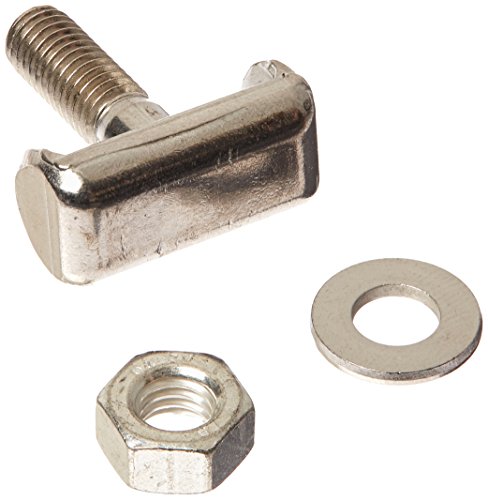
Genuine GM 19116852 Battery Cable Tensioner Bolt Kit

RED WOLF 1/0 Gauge Copper Wire Ring Terminals 12 PCS
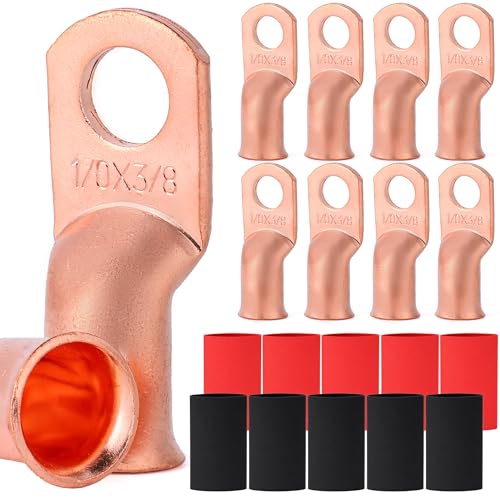
TKDMR 10 PCS 1/0 AWG – 3/8″ Battery Cable Lugs
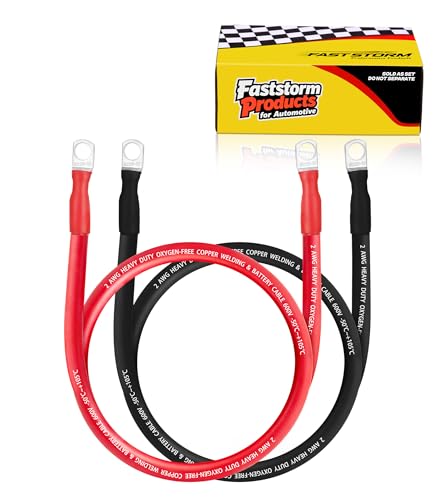
FASTSTORM 2 AWG Battery Cable 2FT with 3/8″ Terminals
FASTSTORM 2 AWG Battery Cable 3FT with 3/8″ Terminals
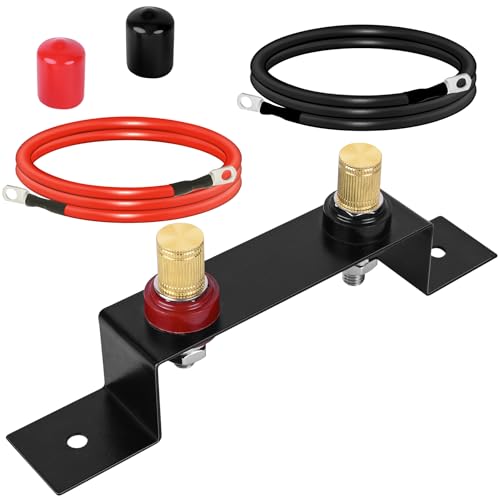
Kikerike Battery Jump Post Kit with Bracket

Quick Cable Lead Military Style Battery Terminal Pair

Kikerike 2 PCS Battery Jump Post Kit with Bracket

Kikerike 250A Remote Battery Terminals with 4AWG Cable

FASTSTORM 2 AWG Battery Cable 20FT with Tinned Copper Lugs
Taking A Closer Look At The Options
This little tensioner bolt kit isn’t glamorous, but on a GM truck or SUV it solves a problem that aftermarket hardware rarely addresses cleanly. When a battery cable clamp loosens over time, the cable can arc, overheat, and leave a driver stranded. The factory-spec bolt holds the terminal tight against the post at the exact torque the original engineer spec called out.
It’s a small replacement bundle aimed squarely at owners working on a Chevrolet, GMC, Cadillac, or Buick application. The fit matches the OE hardware without guesswork, which matters when the threads, washer, and clamp angle all have to align. For anyone chasing a clean factory repair rather than a modified workaround, this is the part number to reference first.
A Few Highlights
- True factory replacement, not a lookalike, which means the threads and finish match the original spec.
- Restores proper clamping force so the cable sits flush against the battery post.
- Small kit that fits in a glove box for emergency repairs on a long trip.
- Ideal when a dealer visit isn’t an option and a home driveway repair is the only path.
Things To Consider
- Narrow fitment, so it only helps on confirmed GM applications using this part number.
- Requires a torque wrench to install correctly, which adds a tool investment for occasional jobs.
Who It Suits Best
GM owners chasing an exact factory replacement for a stretched or corroded tensioner bolt on a daily driver.
Consider Something Else When
RED WOLF 1/0 Gauge Copper Wire Ring Terminals fit the bill for someone rewiring a marine or off-grid setup rather than repairing a single OEM clamp.
A ring terminal sounds simple, but the difference between a clean crimp and a loose joint decides whether your bilge pump keeps running through a long weekend at the marina. RED WOLF’s 12-piece set covers the two most common stud sizes in heavy gauge work: 3/8″ and 5/16″. The copper is bare annealed material (heat-treated for flexibility), which means the lug crimps tightly without cracking under pressure.
What makes this set genuinely useful is the bundled 3:1 adhesive-lined heat shrink tubing. That ratio shrink wraps a thick gauge wire cleanly, and the adhesive melts as it shrinks to seal out moisture, which matters in any marine environment. Each wire gets a black or red piece, so polarity stays obvious during a multi-hour install. It is a thoughtful package for the price.
Advantages To Know
- Two stud sizes in one box, so most heavy gauge projects are covered without a second order.
- 3:1 heat shrink tubing seals better than the cheaper 2:1 tubing common in budget kits.
- Color-matched red and black tubing keeps polarity obvious under a dashboard or in a battery box.
- Copper lugs that handle high current without the resistance losses seen in aluminum alternatives.
Worth Noting
- A proper hex crimper or hammer crimper is required for a solid joint; pliers will not give a lasting connection.
- Only 1/0 gauge, so it doesn’t suit smaller 4 gauge or 8 gauge accessory wiring.
Made For
Marine techs, off-grid solar builders, and EV hobbyists who need reliable copper terminations for 1/0 gauge runs.
Skip It When
TKDMR 10 PCS 1/0 AWG – 3/8″ Battery Cable Lugs is a simpler buy for someone who only needs a single stud size and a smaller pack.
TKDMR sticks to a tighter brief with this set: ten copper lugs, one stud size, and ten pieces of 4:1 heat shrink tubing. For a focused workshop job where the stud size is already confirmed, the narrower scope actually helps. There’s less decision-making, less waste, and the 4:1 shrink ratio handles thicker insulation jackets without leaving gaps.
The lugs share the same bare annealed copper construction as the larger RED WOLF set above, with a treated surface that slows corrosion. Closed-end ring terminals mean the cable seats fully inside the barrel for a stronger crimp, especially when paired with a calibrated crimping tool. It is a tidy package for someone doing a single battery relocation or upgrade.
Why It Works Well
- Single stud size streamlines the project for anyone who has already measured the terminal post.
- 4:1 adhesive-lined tubing offers a tighter seal than the 2:1 ratio found in many economy kits.
- Closed-end barrel design seats the wire fully for a more reliable crimp joint.
Room For Improvement
- Only 3/8″ stud size, so a different post diameter means sourcing another set.
- Ten pieces leave little spare for a mistake; experienced installers may finish with no extras.
Best Suited To
Garage hobbyists running a confirmed 3/8″ stud setup who want a clean ten-pack rather than a mixed bundle.
Look Elsewhere When
RED WOLF 1/0 Gauge Copper Wire Ring Terminals offers both 3/8″ and 5/16″ lugs in one box for builds that need multiple stud sizes.
Pre-terminated cable saves an evening in the garage, and this 2-foot pair is sized for the most common short-jump use case. FASTSTORM ships a red and black 2 AWG run with 3/8″ tin-plated copper lugs already crimped and ready to bolt down. The cable uses OFC (oxygen-free copper), which is a higher-purity copper formulation favored for low-resistance current transfer.
The 2-foot length suits tight installs where a battery sits inches from a fuse block or inverter, or where a secondary battery mounts directly behind the primary. The lugs are tinned to resist corrosion at the stud interface, which is the spot most likely to oxidize first. For most compact builds, the shorter length keeps excess cable from coiling in the engine bay.
What Stands Out
- Pre-crimped ends skip the tool investment and skill curve needed for proper lug crimping.
- OFC cable construction supports stable voltage under high load demands.
- Tin-plated lugs resist corrosion at the connection point, especially in humid climates.
Honest Caveats
- 2-foot length is too short for trunk-mounted battery relocations or extended runs.
- Fixed 3/8″ lug means it will not fit a smaller stud without a reducer or different terminal.
Feature Snapshot
Perfect Match For
Compact inverter hookups, short jumpers between adjacent batteries, and small under-hood installations.
Reach For A Different Pick When
FASTSTORM 2 AWG Battery Cable 3FT with 3/8″ Terminals is a better match when a few extra inches of reach matter.
One extra foot of cable solves a lot of routing frustrations. The 3-foot FASTSTORM pair shares the same OFC copper and tin-plated lug construction as the 2-foot version, with just enough additional length for standard dual battery setups. I’ve found 3 feet covers most cab-mounted second batteries and rear-seat RV installs without leaving dangerous slack.
The cable stays flexible thanks to fine-strand copper construction, which helps when routing around exhaust manifolds or through tight body channels. The lugs are sized for a 3/8″ stud, the most common post diameter on aftermarket fuse blocks and battery terminals. For someone planning a mid-sized build, this length lands in the sweet spot between compact and overlong.
What Pays Off
- Three-foot length handles typical dual battery and inverter wiring without excess slack.
- Flexible jacket makes routing around tight engine bay corners much easier than stiff cable.
- Tin-plated copper terminals hold up against road salt and marine spray.
Points To Note
- Only one stud size bundled, so an alternative post requires a different terminal purchase.
- 3 feet still falls short for trunk-mounted or long-bed truck battery relocations.
Who Will Love This
RV and overland builders wiring a second battery within a few feet of the starter, where flexibility matters more than extreme length.
Not Your Match When
FASTSTORM 2 AWG Battery Cable 20FT with Tinned Copper Lugs covers extended runs for trunk-mounted batteries and solar arrays.
Moving the battery out of the engine bay is a common UTV and tractor modification, and a remote jump post keeps the charging and jump-start points accessible. Kikerike’s kit bundles a heavy-duty mounting bracket with a remote terminal, so the post lands somewhere reachable without crawling over a wheel well. It solves the practical problem of “where do I put the jumper cables now?”
The bracket design accepts common stud hardware, which means most clamp-on lugs from the FASTSTORM and RED WOLF sets above will bolt straight to it. For compact builds on a side-by-side or small tractor, this single-post approach keeps the wiring tidy without adding redundant hardware. It is a focused solution for the most common relocation scenario.
Reasons It Performs
- Heavy-duty bracket mounts to flat body panels or frame rails in tight spaces.
- Single remote post keeps the install simple for first-time relocation projects.
- Compatible with standard 3/8″ lugs from common battery cable sets.
Trade Offs
- Single post only, so a symmetrical positive-and-negative relocation requires buying twice.
- Bracket may need additional drilling or adapter plates for some UTV chassis designs.
Right Fit For
UTV and compact tractor owners relocating a single positive post for easier jump-start access.
A Better Fit Elsewhere
Kikerike 2 PCS Battery Jump Post Kit with Bracket suits anyone relocating both posts for a balanced wiring layout.
Lead-bodied terminals have a long history in heavy equipment and military vehicles because they handle high amperage and tolerate rough environments. This Quick Cable pair ships one positive and one negative terminal with zinc-plated steel fasteners, and the design exceeds military spec A52425-1 and A52425-2, depending on polarity. The low 3/4″ profile keeps the terminal from snagging on hood liners or terminal covers.
Long bolts are the key feature here. They allow extra ring terminals to stack for accessories, which is common in restoration builds where a winch, dual battery, or vintage accessory lead all need a clean landing point. For anyone chasing a period-correct look on a vintage truck or running a high-output charging system, this pair reads as the right tool for the job.
Useful Touches
- Lead construction handles heat and high amperage better than many plated alternatives.
- Long bolts stack additional ring terminals for accessories without a separate distribution block.
- Low 3/4″ profile fits under most factory battery covers without modification.
Some Limits To Know
- Lead is softer than copper, so overtightening can strip the threads during install.
- Heavier weight than plastic or zinc terminals, which may matter on weight-sensitive builds.
Quick Facts
Whose Shelf It Belongs On
Restoration builders, off-road enthusiasts, and anyone running a high-output charging system with stacked accessory leads.
Where Another Pick Suits Better
Kikerike 250A Remote Battery Terminals with 4AWG Cable fits a relocation project better than a direct battery replacement.
Twin-post relocation makes sense when both positive and negative battery leads need to move to a more accessible location. This Kikerike set ships two remote posts with brackets, so the installer mirrors the positive and negative landings on either side of the engine bay or trunk. The symmetrical approach cleans up the wiring and keeps polarity obvious for anyone troubleshooting later.
The brackets reuse the same heavy-duty design as the single-post kit earlier in this list, which means proven mounting geometry. For a classic truck restomod or a UTV with a tight engine bay, having both posts on removable brackets simplifies future service. Compared to building jump posts from raw parts, this pair saves an afternoon of sourcing and fabrication.
Where It Helps
- Twin posts let positive and negative cables land on mirrored brackets for a cleaner install.
- Bracket design is consistent with the single-post kit for shared mounting hardware.
- Saves fabrication time compared to building remote posts from raw components.
Where It May Fall Short
- No cable included, so a separate wire purchase is required to complete the run.
- Two brackets take up more chassis space than a single-post alternative.
Built With In Mind
Restomod builders and UTV owners who want both posts relocated for symmetrical, accessible jump points.
Swap It Out When
Kikerike 250A Remote Battery Terminals with 4AWG Cable is the right call when bundled cable and hardware matter more than separate bracket mounting.
A complete relocation kit removes the hardest part of the job: figuring out which bracket, post, cable, and boot go together. This Kikerike bundle includes a heavy-duty mounting bracket, two 4.43-foot 4 AWG wires in red and black, two battery posts, insulated terminal protector boots, and heat shrink tubing. For a first-time installer, that consolidation is genuinely valuable.
The 250A rating on the remote posts gives plenty of headroom for charging current and accessory loads. The 4 AWG cable is heavier than the typical 6 or 8 gauge used in light accessory wiring, which means the kit handles demanding setups like winches, lighting banks, and dual battery banks without voltage drop concerns. It is a thoughtfully assembled package for the price.
A Few Strong Suits
- All-in-one kit removes guesswork for installers who haven’t relocated a battery before.
- 250A post rating supports heavy accessories like winches and high-output alternators.
- 4 AWG cable thickness minimizes voltage drop on longer runs.
- Insulated boots add a layer of protection against accidental short circuits.
Factors To Consider
- Bundled 4.43-foot cable length may fall short for trunk-mounted setups on longer vehicles.
- More components in the box means more parts to install compared to a single-post solution.
Feature Rundown
The Right Fit
First-time installers and weekend builders who want a complete bundle for a dual post relocation without sourcing parts separately.
Another Choice May Suit
Kikerike 2 PCS Battery Jump Post Kit with Bracket fits a tighter budget and a custom cable selection better than an all-in-one kit.
Long battery runs are a different kind of project. Trunk-mounted batteries, marine cabins, and solar arrays all need real length, and the FASTSTORM 20-foot bundle covers those builds. The package splits into 10 feet of red and 10 feet of black 2 AWG cable, with five 5/16″ lugs and five 3/8″ lugs, plus heat shrink tubing. It is the most flexible kit on this list for custom routing.
Two lug sizes in one bundle means a single order covers mixed post diameters, which often happens on retrofit projects where an old fuse block uses one stud size and a new inverter uses another. The tin-plated copper lugs resist corrosion, important for marine decks and engine compartments where moisture is constant. For a builder planning a custom long run, this kit reduces the parts list considerably.
Features That Help
- 20 feet total cable (10 red, 10 black) covers trunk, cabin, and marine routing.
- Mixed 5/16″ and 3/8″ lugs handle different post sizes in a single project.
- Tinned copper lug construction holds up against humidity and salt exposure.
Practical Considerations
- Lugs ship loose, so a crimping tool and heat source are required to terminate the cable.
- More cable than many short installs need, which means measuring carefully before cutting.
Made For
Custom marine, solar, and overland builders who need long flexible runs with mixed stud sizes in a single bundle.
Where A Sibling Pick Shines
FASTSTORM 2 AWG Battery Cable 2FT with 3/8″ Terminals is the cleaner pick for anyone only wiring a short inverter or accessory hookup.
What Matters Most Before Choosing Battery Cable Terminals
Match the stud size to your post. The two common sizes here are 3/8″ and 5/16″, and the wrong fit leaves a loose connection that arcs under load. Measure the existing terminal or fuse block before ordering.
Pick copper for current, tin for corrosion resistance. Bare copper lugs conduct slightly better, while tin-plated copper adds a sacrificial layer that fights oxidation in marine and humid environments. For garage installs, copper is fine. For boats and tractors, tin-plated is worth the small step up.
Gauge matters as much as the terminal. A 1/0 gauge lug cannot safely crimp onto a 4 gauge wire, and a 4 gauge lug will not accept 1/0 cable. Match the terminal barrel to the wire gauge, and remember that lower AWG numbers mean thicker wire.
Length and flexibility drive routing. Pre-terminated cables like the FASTSTORM pairs save time but lock in the length. Loose lug kits with raw cable let a builder cut exact runs but require a crimper and heat source. Choose based on how custom the routing needs to be.
Key Considerations Across These Picks
Common Shopping Slip Ups
Picking a terminal based on appearance alone often leads to a stud size mismatch or a barrel that won’t accept the wire gauge. Measure the post diameter and the cable thickness before ordering, and avoid reusing old hardware on a new install since stretched bolts lose clamping force.
A second mistake is skipping the heat shrink step on lug connections. Bare crimps exposed to road splash or marine moisture oxidize fast, which raises resistance and causes voltage drop. The adhesive-lined tubing bundled with the RED WOLF and TKDMR sets seals the joint properly and is worth the extra minute per connection.
What The Higher Tier Buys
Premium copper lugs use annealed (heat-treated, softened) copper rather than cheaper alloys, which crimps more cleanly and resists cracking under vibration. Tinned plating adds another layer of protection at a modest step up. For daily drivers in dry climates, mid-tier works fine. For boats, off-road trucks, and farm equipment, the premium tier pays for itself in longer service life.
Frequently Asked Questions
What size battery cable terminal do I need? The terminal stud size needs to match the battery post or accessory stud, with 3/8″ being most common. The barrel size must accept your cable gauge, so a 2 AWG cable pairs with a 2 AWG barrel and a 1/0 cable pairs with a 1/0 barrel.
Are copper lugs better than aluminum? Copper lugs offer lower electrical resistance and better corrosion resistance than aluminum, which matters for high-current starter circuits. For most automotive and marine work, copper is the standard choice.
Do I need heat shrink on battery cable terminals? Heat shrink with adhesive lining seals the crimped joint from moisture and vibration, which extends service life. For marine, off-road, and farm use, the tubing is worth adding on every connection.
Can I reuse old battery terminal hardware? Reusing hardware is risky because stretched bolts lose clamping force and corroded terminals create resistance. For a reliable repair, fresh hardware like the GM tensioner bolt kit or a new terminal pair is the safer path.
What is the difference between AWG and gauge ratings? AWG (American Wire Gauge) is the standard system where lower numbers mean thicker wire. A 2 AWG cable is thicker than a 6 AWG cable, and thicker cable carries more current with less voltage drop over distance.
Bottom Line
The right battery cable terminal depends on the project: factory GM owners want the genuine tensioner bolt, marine and off-grid builders want the RED WOLF or TKDMR copper lugs, and anyone doing a full relocation will appreciate the Kikerike bundle with cable included. Pick based on stud size, cable gauge, and the environment the wiring lives in, and the job usually goes smoothly.
