

A loose or corroded battery terminal will strand you faster than almost anything else under the hood. I put this list together for anyone who has popped the hood, seen chalky green buildup on the posts, and wanted a no-fuss replacement that actually holds current without drama.
The Lineup, Simplified
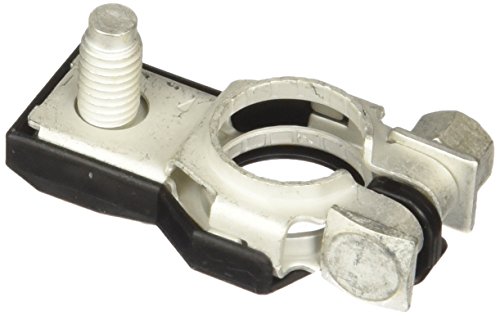
Nissan OEM Positive Battery Connector Terminal End

Ampper Brass Side Post Battery Terminal Bolt (Pack of 2)

Suspenix Side Terminal Battery Bolts (2-pack)
Relaxweex Top Post Battery Cable Ends (8-piece)

EDS Positive Battery Terminal (90982-05054, 2-pack)

waltyotur Positive Battery Cable End Terminal

Ampper Brass Top Post Battery Terminal Connectors (2 pair)

WindyNation Copper Top Post Battery Cable Ends (2 gauge)
More On The Choices That Made The List
When a factory positive terminal finally fatigues on an older Nissan, this is the part that slides right into the harness with zero fiddling. It’s the genuine OEM piece, which matters because the crimp profile and fuse-link orientation line up with the original routing on models from the 350Z through the Titan.
Shadetree mechanics working on a 2007 Altima or 2010 Frontier appreciate that the cable doesn’t have to be re-routed. The terminal is built for that specific positive cable geometry, so install time stays short and the clamp seats on the post the way Nissan intended.
The Value In It
- Genuine OEM part means factory-correct fitment on listed 1998 to 2013 Nissan models
- Direct replacement keeps the original fuse-link and cable routing intact
- Short install time because no harness modifications are required
- Restores original clamping pressure on the battery post
Things To Consider
- Coverage stops at 2013 model year, so newer Nissans are out of luck
- You may find the listing light on photos, which makes confirming the exact shape before ordering a little harder
Who It Suits Best
An owner of a 1998 to 2013 Nissan listed in the fitment chart who wants the factory part back in place after corrosion damage.
Where Another Pick Suits Better
For Toyota trucks and sedans from the same era, the EDS Positive Battery Terminal (90982-05054, 2-pack) is a cleaner match.
Side-post batteries, the kind GM has used for decades, take a real beating because the bolts thread straight into the lead post. Ampper’s replacement studs solve that by giving you a fresh 3/8 inch by 16 thread brass bolt that drops into the worn side terminal without drama.
Garage tinkerers with a Sierra or an Impala often reach for this pack when the original studs have stripped or corroded flush with the post. You get two in the box, which covers both the positive and negative sides in one go.
Standout Benefits
- Brass construction fights corrosion better than plain steel studs in a side-post environment
- Standard 3/8 inch by 16 thread matches GM side-post batteries
- Pack of two covers both terminals at once
- Threads directly into existing side posts for a clean rebuild
Honest Caveats
- Only fits GM side-post batteries, so top-post setups need a different option
- Brass is softer than steel, so over-torquing during install can round the hex
Feature Snapshot
Made For
A GM truck or car owner with stripped or corroded side-post battery bolts who wants a straightforward brass replacement.
Consider Something Else When
Top-post vehicles get a better fit from the Ampper Brass Top Post Battery Terminal Connectors further down this list.
Suspenix’s pair of side terminal bolts is a quiet workhorse, the kind of part you grab when a battery is out of the vehicle and you need to clip a charger or jumper straight onto the posts. The longer reach gives a hand-held clamp something to bite on, which is something the flush factory studs never did well.
Anyone who has pulled a battery to bench-charge it knows the frustration of trying to attach a standard clamp to a recessed side terminal. These bolts solve that by standing the connection proud of the post, which speeds up charging and makes temporary hookups safer.
Benefits That Matter
- Extended length makes bench charging and jumping easier than stock studs
- 3/8 by 16 thread fits a wide range of side-post vehicles
- Useful for batteries removed from the car for service or storage
- Two-pack covers positive and negative at the same time
Points To Keep In Mind
- Not designed as a permanent high-current replacement for damaged OEM terminals
- Longer profile sticks out further than factory hardware, so clearance matters in tight battery trays
Best Suited To
A DIYer who pulls batteries for winter storage or bench charging and wants a clean way to attach clamps to side-post batteries.
Look Elsewhere When
For a more corrosion-resistant brass upgrade on the same GM-style side posts, the Ampper Brass Side Post Battery Terminal Bolt is worth a look.
Few jobs feel as rewarding as a clean cable-end swap, and Relaxweex hands you everything you need in one box. Two positive terminals, two negative terminals, and four color-matched pieces of adhesive-lined heat shrink, so the finished install looks like something a shop would do.
Compared to the loose hardware you find at a parts counter, this kit feels intentional. The terminals are built for corrosion resistance and good conductivity, which matters because a flaky negative terminal is the silent culprit behind a dozen mysterious no-start mornings.
Positive Takeaways
- Eight-piece kit covers two full battery hookups at once
- Includes red and black adhesive-lined heat shrink for a sealed finish
- Construction aimed at corrosion resistance and steady conductivity
- Works as a ready-made spare set for the garage shelf
Worth Noting
- Not a fit for side-post batteries, so GM owners will need a different kit
- Heat shrink requires a heat gun, which not every home garage keeps on hand
Key Specs
Perfect Match For
A weekend mechanic rebuilding both battery cables on a top-post vehicle and wanting a tidy, sealed finish in one purchase.
Not Your Match When
For a heavier gauge copper upgrade aimed at high-current audio or off-grid use, the WindyNation Copper Top Post Battery Cable Ends is the stronger pick.
Toyota positive battery terminals have a reputation for splitting right at the crimp after a decade of heat cycles, and EDS aims squarely at that repair. This 18 mm positive terminal with M8 nut is cross-referenced to OE part 90982-05054 and ships as a two-pack so you have a spare on the bench.
For someone working on a 2005 Camry or 2010 Tundra, the geometry matches the factory harness closely, which means the cable lays back into its tray without strain. The M8 nut secures the clamp firmly without forcing a trip to the hardware store.
The Upside
- Cross-references to OE Toyota part 90982-05054 for direct replacement
- Comes as a two-pack, leaving a spare for the toolbox
- 18 mm positive terminal with M8 nut fits common Toyota, Lexus, and Scion applications
- Restores clamping pressure after a fatigued factory terminal cracks
Some Limits To Know
- Coverage leans heavily on 2000s through mid-2010s models, so newer Toyotas may need a different part
- You may find the listing light on installation photos, so a wiring diagram helps before ordering
Who Should Grab It
A Toyota, Lexus, or Scion owner with a cracked positive terminal on a vehicle covered by the fitment chart.
Reach For A Different Pick When
For a Nissan or Infiniti application, the waltyotur Positive Battery Cable End Terminal covers a wider model range.
Few aftermarket positive terminals cover as many nameplates as this waltyotur piece, which is cross-referenced to OE numbers 90982-05035 and 24340-7F000. The replacement list stretches across nearly eighty models, including Camry, Corolla, Prius, Sienna, and Tacoma, plus Infiniti sedans and crossovers.
The self-tapping nut is a thoughtful touch, helping the assembly resist loosening from vibration better than a basic stamped nut. For a shop that sees a mix of Toyota and Nissan product, one part number covering so many vehicles is genuinely useful.
Useful Strengths
- Cross-references to 90982-05035 and 24340-7F000 cover nearly eighty models
- Self-tapping nut helps resist loosening under hood vibration
- Single-piece order keeps the shelf simple for multi-vehicle households
- Positive cable end, so the most common failure point is covered
Where It Is Less Suited
- Single-piece count means no spare terminal if a future repair comes up
- Tooling for the self-tapping nut and installation instructions are not included in the package
The Right Fit
A small independent shop or a multi-vehicle household that wants one positive terminal part number to cover both Toyota and Nissan applications.
Swap It Out When
For a vehicle-specific fit that mirrors the OEM crimp profile, the EDS Positive Battery Terminal (90982-05054, 2-pack) is the closer match on Toyota models.
Boats, RVs, and any vehicle that sits near salt air punish battery terminals with corrosion, which is exactly the environment brass handles well. Ampper’s kit ships two pairs of identical top-post clamps, all built from brass with a zinc plating for extra resistance against acid mist.
The clamps accept 6 to 1 gauge wire, which covers most marine and RV battery cabling. The direct-fit design means no shimming or filing, so install is the kind of job you finish in the driveway before lunch.
Real-World Strengths
- Brass with zinc plating resists corrosion in marine and RV environments
- Accepts 6 to 1 gauge wire, covering most leisure battery cabling
- Two pairs mean both terminals and a backup set are covered
- Direct-fit design installs without modifications
Factors To Consider
- Two identical pairs means both clamps are the same polarity style, so polarity marking needs to be confirmed before install
- Brass is more costly than stamped lead terminals common on economy builds
Quick Facts
Whose Shelf It Belongs On
A boat or RV owner whose current terminals show white powdery corrosion and who wants a corrosion-resistant brass upgrade.
Another Choice May Suit
For pure copper top-post ends aimed at high-current audio or off-grid solar banks, the WindyNation Copper Top Post Battery Cable Ends is the better fit.
When the battery is feeding a serious inverter, a competition audio stack, or a solar bank, ordinary stamped terminals become the weak link in the chain. WindyNation’s pure copper top-post ends carry 2 gauge cable and arrive with adhesive-lined heat shrink for a sealed, low-resistance joint.
The tin coating on the copper is the small detail that pays off over time, slowing corrosion in the same way marine hardware fights salt. The pairing of positive and negative in one kit also makes it the kind of upgrade that gets done in a single afternoon.
Useful Touches
- Pure copper body delivers low resistance for high-current loads
- Tin coating slows corrosion in humid or outdoor environments
- 2 gauge cable compatibility matches inverter and audio wiring
- Dual wall adhesive heat shrink included for a sealed cable joint
Trade-Offs To Consider
- Heavier price tag than basic stamped terminals, which may not suit a budget-only battery repair
- Copper is softer than brass, so clamp screws need careful tightening to avoid thread wear
At A Glance
Built With In Mind
An off-grid solar installer or car audio hobbyist running heavy-gauge cable who wants a sealed, low-resistance copper connection.
A Better Fit Elsewhere
For a simpler, lower-cost repair on a daily-driver battery, the Relaxweex Top Post Battery Cable Ends (8-piece) covers the same top-post style at lighter gauge.
Choosing Battery Cable Post-Connectors Without The Headache
Start with the post type before anything else. Top-post and side-post batteries take completely different hardware, and forcing a mismatch is how cross-threaded bolts happen. If you own a GM truck or car from the last few decades, the side-post category (like the Ampper Brass Side Post Battery Terminal Bolt) is your starting point.
Wire gauge matters just as much. Smaller gauge numbers mean thicker cable, and the terminal must accept the gauge you actually have on the vehicle. A 2 gauge copper terminal like WindyNation’s kit handles high-current audio or solar banks, while a 6 to 1 gauge brass clamp covers most marine and RV cabling.
Material choice affects how often you’ll be cleaning the posts. Brass resists corrosion in marine environments, copper carries current more efficiently for heavy loads, and OEM tin-plated parts match factory expectations. Think about where the vehicle lives before deciding on the metal.
Finally, confirm the fitment before ordering. Vehicle-specific terminals like the Nissan OEM Positive Battery Connector Terminal End or the EDS Positive Battery Terminal (90982-05054, 2-pack) are worth the cross-reference check. Universal kits such as the Suspenix Side Terminal Battery Bolts work broadly, but only when the post style and thread line up.
Key Considerations Across These Picks
Pitfalls First-Timers Often Hit
Buying the wrong post style is the most common mistake, and it always costs a return trip. Top-post clamps will not seat on a side-post battery no matter how much force is applied. The second mistake is ignoring wire gauge. A clamp that is too small for the cable chokes current and creates heat at the joint. Always match the gauge range printed on the terminal to the cable already on the vehicle.
Where The Extra Money Goes
Higher-tier terminals earn their cost through material and conductivity. Pure copper carries current with less voltage drop than stamped lead, which matters on heavy inverter loads. Brass and tin coatings slow corrosion in marine or humid environments, reducing how often the terminals need to be pulled and cleaned. For a daily driver that rarely sees rain, a basic stamped terminal is fine, but for boats, RVs, and audio builds, the upgrade tends to pay for itself in fewer service intervals.
Frequently Asked Questions
How do I know whether I have top-post or side-post terminals?
Look straight down at the battery. Top-post batteries have two short cylindrical posts sticking up, with the cables clamping around them from above. Side-post batteries, common on many GM vehicles, have the cable bolted into the side of the battery with a threaded stud.
Can I mix brass and copper terminals on the same battery?
Yes, but the metals interact differently over time. Brass clamps with copper cable are a common combination, and the joint holds up well as long as both surfaces stay clean. The key is keeping the contact surfaces tight and free of corrosion.
What gauge terminal do I need for a standard car battery?
Most passenger vehicles use 4 to 6 gauge battery cable, so a terminal that accepts that range works. Heavy audio builds and inverters usually step down to 2 gauge or 1/0, which is where kits like WindyNation’s copper ends come in.
How often should battery terminals be inspected or replaced?
A visual check every oil change is a sensible habit. Once you see white or green powder on the post, or the clamp wiggles when you tug it, replacement is overdue. Most aftermarket terminals last several years before corrosion sets in again.
Do I need heat shrink on top-post terminals?
Adhesive-lined heat shrink is not strictly required, but it seals the cable-to-terminal joint against moisture and acid creep. On marine batteries or vehicles that see road salt, the extra step pays off in longer service life.
Final Take
A clean, tight battery connection is one of the easiest reliability wins available, and the right terminal depends mostly on your post style, cable gauge, and the climate the vehicle lives in. Match those three to the picks above and the rest is just a ratchet and ten minutes under the hood.
