

A loose battery cable ends diagnosis usually starts the same way: dim headlights, a slow crank, or a no-start on a cold morning. I put this roundup together for DIYers and weekend mechanics who want a dependable electrical connection without overspending or guessing at wire gauge and stud size. These ten picks cover the main scenarios I see, from GM-specific replacements to marine-grade lug kits and full crimper bundles.
Your Options, Compared
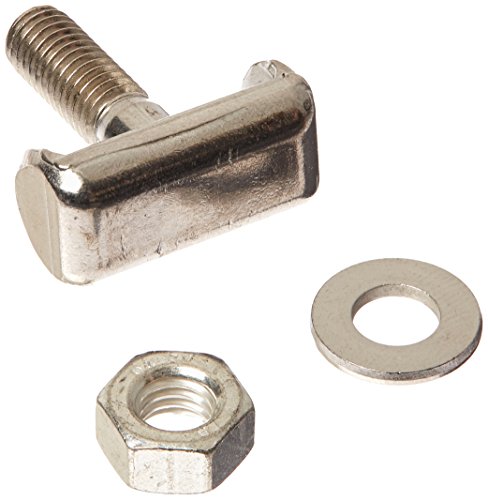
GM 19116852 Battery Cable Tensioner Bolt Kit

RED WOLF 1/0 Gauge Copper Wire Ring Terminals Lug Kit

SVAAR 20pcs 1/0 2/0 AWG Tinned Copper Cable Lugs Kit

SVAAR 4 6 8 AWG Tinned Copper Battery Lug Kit (56pc)

SVAAR 68pcs 1/0 1 8 AWG Copper Lugs Kit

Tinned Copper Lugs 2 4 6 Gauge Battery Cable Ends Kit (72pc)

SVAAR 34pcs 1/0 2 4 AWG Bare Copper Lugs Kit

Twidec 230PCS Battery Cable Ends Kit with 10-Ton Hydraulic Crimper

Quick Cable Lead Military Style Battery Terminal Pair

Copper Lugs Kit 1/0 2 6 AWG with Heat Shrink (28pc)
The Details Behind The Selections
This genuine GM part is a tensioner bolt kit for the factory battery cable on select GM vehicles, and the fit matches the original hardware rather than approximating it. For owners working on a Silverado, Tahoe, or similar truck, that means no drilling, no filing, and no guessing whether the stud threads will line up. I like this pick for anyone chasing a no-start caused by a stretched or corroded tensioner rather than the cable itself.
The piece is a small assembly, so it lives in the “fix the right part” category rather than a full upgrade. Shoppers expecting a generic lug kit should look at the SVAAR options covered later in the list.
Where It Delivers
- Genuine GM factory spec, so fitment matches the original cable end without modification
- Restores proper clamp tension on factory battery terminals that have stretched over time
- Saves the cost of replacing the entire cable harness when only the bolt is worn
Things To Consider
- Vehicle-specific, so it only helps GM owners with the matching factory setup
- Does not include replacement cable lugs if the existing copper ends are already pitted or green
Feature Snapshot
Right Fit For
GM truck and SUV owners chasing a stretched factory tensioner bolt rather than a full cable replacement.
Reach For A Different Pick When
The RED WOLF 1/0 Gauge Copper Wire Ring Terminals Lug Kit suits anyone replacing cable ends on a boat, RV, or non-GM vehicle.
RED WOLF focuses on a heavy-gauge marine and EV use case with this 12-piece kit: six 1/0 AWG (American Wire Gauge, a standardized cable thickness rating) lugs in 3/8″ and 5/16″ ring sizes, plus six pieces of 3:1 dual-wall adhesive heat shrink tubing. The 3:1 ratio means the tubing shrinks to one-third of its original diameter, sealing tightly over both the lug barrel and the wire jacket once heated. That matters when the connection lives near saltwater spray.
I see this kit fitting a boater or RV owner running a single heavy cable run, where you need two ends of the same gauge rather than a bag of mixed sizes. Compare it to the SVAAR kits covered below, which lean toward broader piece counts at the expense of depth per gauge.
Well-Handled Touches
- Bare annealed copper with a treated surface for corrosion resistance in marine environments
- 3:1 adhesive-lined shrink tubing seals the wire-to-lug transition against moisture wicking
- Both 3/8″ and 5/16″ ring sizes included, covering common battery post stud dimensions
- Red and black tubing halves let installers color-code positive and negative leads cleanly
Trade Offs
- Only six lugs per stud size, so larger projects will run out fast and need a second kit
- Specialized around 1/0 gauge, which is overkill for standard automotive accessory wiring
Feature Snapshot
Who Should Grab It
Boat and RV owners running a single heavy 1/0 gauge cable run from battery to equipment.
Look Elsewhere When
The SVAAR 4 6 8 AWG Tinned Copper Battery Lug Kit makes more sense for someone wiring several smaller accessories in a car or truck.
This SVAAR kit targets the thick end of the cable spectrum: 1/0 and 2/0 AWG tinned copper lugs in a 20-piece pack. The matte tinned finish helps the copper resist oxidation, which matters under the hood where heat cycles and battery acid vapor slowly attack bare metal. Closed-end barrels keep moisture out of the cable strands after crimping.
It fits the car audio crowd running 0-gauge amplifiers and the off-grid solar builder wiring battery banks. Compared to the RED WOLF kit above, this one gives more pieces per ring size at the cost of a single-gauge focus rather than marine extras.
What Makes Sense
- Tinned copper body slows corrosion compared to bare copper, especially in humid garages
- Closed-end barrel design stops moisture from wicking up the stranded wire core
- Includes 3/8″ and 5/16″ ring eyelets, matching both battery post and bus bar studs
- Pair with crimping or soldering for a long-lasting connection under vibration
Worth Noting
- Limited to 1/0 and 2/0 AWG, so it cannot back smaller accessory wires in the same project
- Tinned finish adds slight resistance versus bare copper, which the spec sheet does not quantify
Feature Snapshot
Best Suited To
Car audio installers and solar battery bank builders running 0-gauge-class cable in a fixed install.
Skip It When
The SVAAR 4 6 8 AWG Tinned Copper Battery Lug Kit is a better match for someone rewiring mid-gauge accessories like lighting and pumps.
Mid-gauge wire is where most vehicle accessory projects actually live, and this 56-piece SVAAR kit covers 4, 6, and 8 AWG cable with both 5/16″ and 3/8″ ring sizes. That range handles winch wiring, fuel pumps, lighting relays, and most aftermarket add-ons short of a full amplifier build.
The kit includes heat shrink tubing sized for the cable, which removes one of the most common excuses for an unfinished install. Compared to the heavier 1/0 and 2/0 kit above, this one spreads the piece count across smaller gauges that most weekend mechanics actually reach for.
Notable Gains
- Three mid-gauge sizes in one box covers most automotive accessory projects
- Tinned copper construction stands up better than bare copper to underhood humidity
- Closed-end barrels keep stranded cable dry after crimping
- Heat shrink tubing included means the install can finish in one trip to the bench
Points To Note
- No 1/0 or 2/0 lugs here, so this kit cannot anchor a main battery cable on its own
- Pieces split across three gauges means fewer total lugs per gauge than single-size kits
Made For
DIYers wiring mid-size accessories like lighting circuits, winches, and fuel pumps in a daily-driven truck or SUV.
Swap It Out When
The Twidec 230PCS Battery Cable Ends Kit with 10-Ton Hydraulic Crimper fits anyone starting from scratch who also needs a crimping tool in the same order.
The 68-piece SVAAR mixed kit covers 1/0, 1, and 8 AWG lugs, which is a deliberately uneven spread that works well for a home workshop juggling different jobs. The breakdown gives you four lugs per ring size at 1/0 AWG, five per ring size at 1 AWG, and eight per ring size at 8 AWG. That tracks with how often each gauge actually shows up in a multi-vehicle garage.
Rated for 600 volts, the lugs handle automotive and light industrial voltage comfortably. I see this as a shop staple rather than a single-project purchase, especially compared to the smaller mid-gauge-only kit covered above.
Standout Benefits
- Mixed gauge range handles main battery cables and smaller accessories from one box
- 600-volt rating covers automotive, marine, and light solar applications safely
- Higher 8 AWG piece count matches how often small accessory lugs get used and lost
- Both stud sizes included keep the kit useful across different battery and bus bar layouts
Room For Improvement
- Skips 2, 4, and 6 AWG sizes entirely, so projects in those gauges need a separate kit
- More pieces means more sorting, and the lugs ship loose inside the package
Feature Snapshot
Who Will Love This
Multi-vehicle owners and small shop owners who want one kit to cover most wiring jobs without buying multiple packs.
Not Your Match When
The Tinned Copper Lugs 2 4 6 Gauge Battery Cable Ends Kit is the better choice for projects locked to 2, 4, and 6 AWG marine or trailer wiring.
Seventy-two pieces spread across 2, 4, and 6 AWG cable make this the largest pack on the list by count, and the matte tinned copper finish is built for marine and trailer wiring where corrosion is the slow killer. The included heat shrink tubing seals the connection against moisture wicking, which is the usual failure point on a boat.
Closed-end barrels keep the cable strands dry even if the shrink gets nicked. I would reach for this kit over the SVAAR 68-piece option above when the project leans marine or trailer-side rather than automotive main-cable work.
What Works In Its Favor
- Largest piece count in the roundup, which spreads cost across many smaller lugs
- Matte tinned copper fights the salt-air corrosion that destroys bare copper lugs
- 2, 4, and 6 AWG coverage aligns with typical boat and trailer harness gauges
- Heat shrink tubing ships with the kit, removing a second purchase
Minor Gripes
- No 1/0 or 1 AWG options, so it cannot replace a main battery cable end on its own
- High piece count means the kit is overkill for a single cable repair
Perfect Match For
Boat owners and trailer builders wiring multiple accessory circuits in a corrosion-prone environment.
Consider Something Else When
The SVAAR 20pcs 1/0 2/0 AWG Tinned Copper Cable Lugs Kit is a tighter fit for a single high-amperage amplifier or inverter install.
Bare copper is the most conductive option per dollar, and this SVAAR kit uses 1/0, 2, and 4 AWG sizes in a 34-piece pack. The tradeoff is corrosion exposure, which is why I treat bare copper as an indoor or sheltered-connection choice rather than an underhood or marine pick. Closed-end barrels here match the tinned kits above, and the lugs can be crimped or soldered depending on the installer’s tooling.
Compared to the marine-grade tinned kit covered just above, this one trades some corrosion resistance for a slightly cleaner electrical path in a dry environment.
Real-World Strengths
- Bare copper offers the cleanest current path when the connection stays dry
- Covers 1/0 AWG heavy cable plus 2 and 4 AWG mid-gauge wires in one box
- Accepts both crimping and soldering, letting installers use their preferred method
- Closed-end design seals stranded copper against wicking at the barrel
Honest Caveats
- Bare copper oxidizes quickly in humid or salty environments without protection
- Heat shrink tubing not bundled with the kit, so it must be sourced separately
Whose Shelf It Belongs On
Indoor battery bank builders and dry-garage mechanics who want maximum conductivity in a controlled environment.
A Better Fit Elsewhere
The Tinned Copper Lugs 2 4 6 Gauge Battery Cable Ends Kit suits anyone running cable through a boat hull or trailer frame where corrosion is the bigger risk.
For someone starting from a bare shelf, this Twidec bundle pairs a 10-ton hydraulic crimper with 230 lug pieces spanning 12 AWG through 2/0 AWG copper. The crimper delivers a 0.45-inch stroke, meaning each pump compresses the die by roughly that distance, enough to swage lugs onto thick gauge cable cleanly. That matters because hand-crimping 0-gauge cable with a hammer-style tool produces unreliable connections that loosen over time.
This kit sits between the smaller specialized kits above and a full shop investment. Compared to the SVAAR mid-gauge kit covered earlier, this one trades depth per gauge for breadth and throws in the crimping tool itself.
Everyday Advantages
- Includes the crimping tool, so no second purchase to start the first project
- Covers 12 AWG through 2/0 AWG in one box, spanning small and large cable work
- 10-ton crimping force produces reliable swages on heavy gauge cable
- 230 pieces absorbs small mistakes and miscounts on a first install
Points To Keep In Mind
- Bundled crimper is heavier and slower than ratcheting hand tools for one-off repairs
- Higher total cost than a single-size lug kit if the crimper is not actually needed
Feature Snapshot
Built With In Mind
First-time DIY installers who need both the lugs and a proper crimping tool on day one.
Where A Sibling Pick Shines
The SVAAR 68pcs 1/0 1 8 AWG Copper Lugs Kit is the leaner choice when the crimper is already in the toolbox.
This pair of lead military-style terminals is built for top-post batteries where a low-profile, high-strength clamp matters more than compact packaging. The zinc-plated steel fasteners resist corrosion, and the long bolts allow additional power or ground connections to stack on the same post. Exceeding military specification A52425-1 for positive posts and A52425-2 for negative posts signals the build targets service-grade use, and the Made in USA origin gives it a specific appeal for fleet buyers.
I see this as a fleet or heavy-service choice rather than a daily-driver fix. Compared to the SVAAR lug kits above, this one replaces the entire terminal clamp rather than just the lug end.
Features That Help
- Lead body with zinc-plated steel fasteners balances conductivity and corrosion resistance
- Long bolts support stacking extra power or ground leads on a single post
- Low-profile 3/4″ height fits in tight battery boxes common on older trucks
- Exceeds published military specs for both positive and negative posts
Small Caveats
- Lead construction is heavier than copper lugs and may not suit weight-conscious builds
- Military style is overkill for compact passenger vehicles with shallow battery trays
The Right Fit
Fleet mechanics and heavy-service truck owners running stacked accessory leads off a single battery post.
Not Your Match When
The GM 19116852 Battery Cable Tensioner Bolt Kit is the right pick for a GM owner chasing a stretched factory bolt rather than a full terminal swap.
This 28-piece SVAAR kit covers 1/0, 2, and 6 AWG bare copper lugs and ships with 28 pieces of heat shrink tubing, half black and half red for color-coded leads. The smaller piece count keeps the kit focused on one-off repairs and short custom cable builds rather than full workshop restocks.
Rated for 600 volts and designed for stranded or flexible copper conductors, the kit handles standard automotive and light solar voltages comfortably. I would pick this over the larger 68-piece SVAAR kit covered earlier for a single cable replacement where excess lugs would just sit in a drawer.
The Helpful Details
- Color-coded heat shrink halves included, so positive and negative leads stay visually distinct
- 600-volt rating exceeds any 12V, 24V, or 48V system in normal automotive use
- Compact piece count suits single-project shoppers without oversupply
- Bare copper body maximizes conductivity in dry, sheltered installs
Worth Bearing In Mind
- Only four lugs per stud size at 1/0 AWG, so larger projects need another kit
- Bare copper needs dry conditions or extra sealing to avoid long-term oxidation
Who It Suits Best
Weekend mechanics making one or two custom battery cables for a daily driver or small solar box.
Where Another Pick Suits Better
The Tinned Copper Lugs 2 4 6 Gauge Battery Cable Ends Kit is the smarter buy for marine or trailer work where corrosion is the bigger threat.
What Matters Most Before Choosing Battery Cable Ends
Match the Wire Gauge First
A wrong gauge match is the most common mistake I see. The lug barrel must accept the exact cable size; forcing a 4 AWG wire into a 2 AWG barrel leaves strands loose, while a 2 AWG wire in a 4 AWG barrel crushes the copper. Always measure the cable diameter or read the printed AWG number on the jacket before picking a lug.
Pick the Right Stud Size
Battery post studs come in two main flavors, 5/16″ and 3/8″, with some specialty hardware in other sizes. A loose ring on the stud arcs under load, which slowly destroys the terminal. A snug fit is non-negotiable.
Choose Bare vs Tinned Copper Honestly
Bare copper is the most conductive but corrodes in humid or marine settings. Tinned copper trades a tiny amount of conductivity for a corrosion-resistant surface that lasts longer in boats, trailers, and salty winter roads. The honest read is to match the finish to the environment rather than to the wire gauge.
Don’t Forget the Heat Shrink
Even a perfect crimp slowly wicks moisture up the stranded cable if the barrel is left open. Adhesive-lined heat shrink tubing seals the transition and adds strain relief. Kits that include the tubing save a separate trip to the supply drawer.
Common Shopping Slip Ups
Buying Without Confirming Compatibility
A common mistake is buying a kit because it looks heavy-duty, then discovering the ring size does not fit the actual battery post. Pull the post or measure the stud before ordering.
Skipping the Crimping Tool
Cheap hammer-style crimpers produce loose connections that fail under vibration. A proper ratcheting or hydraulic crimper is worth the investment for any gauge above 6 AWG.
What The Higher Tier Buys
Why Premium Kits Cost More
Higher tier lug kits use thicker copper walls, tighter plating, and closer tolerance on the ring sizing. The extra cost buys longer service life in harsh environments and a more secure crimp that resists vibration loosening over years of use.
When The Upgrade Is Worth It
For marine work, off-road vehicles, or any install where the cable lives in a corrosive environment, the upgrade to a tinned copper or military-spec terminal pays back in fewer replacements. For a single garage repair on a daily driver, the mid-tier kits in this roundup cover the job.
Frequently Asked Questions
What Gauge Battery Cable Ends Do I Need?
Match the lug gauge to the wire gauge printed on the cable jacket, such as 4 AWG, 2 AWG, or 1/0 AWG. Using a different gauge lug leaves the connection loose or crushed, both of which cause voltage drop and heat.
Are Tinned Copper Lugs Better Than Bare Copper?
Tinned copper resists corrosion in humid and marine environments, while bare copper offers slightly better conductivity in dry conditions. For most underhood and indoor installs, either works; for boats and trailers, tinned is the safer long-term pick.
Can I Reuse Battery Cable Ends?
Reusing lugs is possible when the copper is clean, the barrel is undamaged, and the old crimp is cut off cleanly. Pitted, green, or stretched terminals should be replaced rather than reused.
What Stud Size Do I Need?
Most automotive battery posts use either 5/16″ or 3/8″ studs, with marine and some specialty hardware using other sizes. Measure the stud across the threads before ordering, and pick the closest ring size for a snug fit.
Do I Need Heat Shrink Tubing?
Adhesive-lined heat shrink seals the wire-to-lug transition against moisture and adds strain relief under vibration. It is worth the extra step on any install where the cable lives near heat, water, or movement.
Closing Thoughts
The right battery cable ends come down to matching gauge, stud size, and finish to the actual project in front of you. Pick a kit that fits the wire, suits the environment, and includes the heat shrink you need, and the connection should hold for the long haul.
