

Swapping a cabin dome light, a fading reverse lamp, or an aging headlight for an LED used to feel like a gamble. Today the aftermarket is flooded with options that promise brighter output, easier installs, and longer life, and the gap between a smart pick and a frustrating one mostly lives in the details: bulb fitment, color temperature, CAN bus compatibility, and whether the cooling setup actually holds up.
That’s the lens I leaned on for this list. I’ve grouped ten solid auto LED bulbs by the slot they’re built for, from tiny interior wedges to high-output headlight retrofits, so a Silverado owner, a Camry commuter, and a weekend ATV rider can all find the right match without guesswork.
An Overview Of The Picks

SYLVANIA 194 T10 W5W LED Red Mini Bulb (2-Pack)

SEALIGHT 9012/HIR2 LED Light Bulb (Pack of 2)

LASFIT 921 W16W LED Reverse Backup Bulbs (2-Pack)
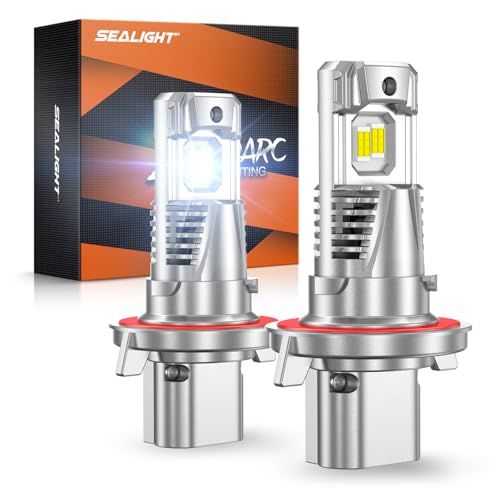
SEALIGHT H13/9008 LED Light Bulb (Pack of 2)

SEALIGHT H4/9003 LED Light Bulb (Pack of 2)

LASFIT T3 7443 7440 LED Bulb Amber (2-Pack)

SEALIGHT 3157 LED Reverse Light Bulbs (Pack of 2)

SEALIGHT 3157 LED Brake Bulb Red (Pack of 2)

SEALIGHT 3157 LED Turn Signal Amber (2-Pcs)

SEALIGHT H7 LED Bulb (2 Pack)
Inside Each Recommended Option
Tiny wedge bulbs like the 194 are the easiest swap on this list, and SYLVANIA leans into that simplicity with a red-tinted LED that gives a cabin dome or map light a noticeably modern look without rewiring anything. The “instant-on” behavior of LEDs, meaning the lamp reaches full brightness the moment current flows rather than warming up like a filament, also matters in safety spots where a half-second delay could hide a dropped key or a kid’s seatbelt buckle.
For someone refreshing a tired interior, this is a low-stakes starter. The red hue is more about aesthetic than illumination, so it’s less useful as a primary reading light. Compared with the larger headlight retrofits further down this list, this pick is purely cosmetic but earns its spot because interior upgrades usually get ignored.
What Stands Out
- Drop-in 194 wedge fitment, no tools or resistors required
- Instant-on output helps in safety-critical interior spots
- Red tint creates a custom look that stock incandescent bulbs can’t match
- Two-bulb pack matches the “replace in pairs” reality of paired interior lamps
Things To Consider
- Red output reduces usable light for reading maps or finding dropped items
- Not designed for exterior or high-heat housings
Whose Shelf It Belongs On
Drivers wanting a quick interior accent refresh, especially in dome or footwell lamps where red light won’t get in the way.
Swap It Out When
Anyone upgrading exterior or forward lighting should jump to the SEALIGHT H4/9003 LED Light Bulb further down this list, since this SYLVANIA wedge is purely an interior piece.
The 9012/HIR2 form factor shows up in a lot of late-model cars, and SEALIGHT targets that niche with a cool-white 6500K beam and a 25,000 RPM fan meant to keep the LED chips from cooking inside a sealed housing. The “1:1 real size” claim is the part that actually matters day to day: it means the bulb seats in the factory socket without trimming the dust cap or fighting a too-tall heat sink, which is the usual headache with retrofits.
Where this pick earns its keep is on powersports machines like ATVs and UTVs that take the same 9012/HIR2 socket. The 6500K color temperature lands closer to daylight than halogen, so trail ruts and low branches become easier to read. For pure commuter use, the cool tone can feel a bit sterile, and drivers used to warmer halogens may find the change jarring.
Noteworthy Benefits
- Factory-sized housing avoids clearance issues behind the dust cap
- 25,000 RPM cooling fan extends chip life in enclosed headlight buckets
- 6500K cool-white beam improves contrast on unlit trails and rural roads
- Plug-and-play wiring keeps install time short for first-time retrofitters
Worth Noting
- Cool-white beam can trigger glare complaints from oncoming drivers in some housings
- Performance depends heavily on the vehicle’s reflector design, so output varies
Right Fit For
Powersports riders and rural commuters who put more weight on beam reach than on warm color tone.
A Better Fit Elsewhere
Daily street drivers who prefer a softer color should look at the SEALIGHT H4/9003 LED Light Bulb covered later in this list, which uses the same 6500K profile but a more common dual-beam form factor.
Reverse lights get treated as an afterthought until the first time a trailer hitch disappears into a dark driveway. LASFIT’s 921 LED is built for the 2014 to 2026 Silverado 1500, 2500, and 3500 HD, which matters because the CAN bus system, the vehicle’s on-board computer that monitors bulb resistance, often flags mismatched bulbs and throws a dashboard error. The built-in circuitry here is engineered to play nicely with that monitoring so the dash stays quiet.
The 6000K cool-white tone turns a small reverse lamp into something closer to a work light, which is genuinely useful when backing up to a horse trailer at the fairgrounds. The trade-off is that the focused fitment means this bulb isn’t a universal 921 replacement, so anyone driving a different truck should verify fitment before ordering.
The Practical Payoff
- CAN bus compatibility eliminates flicker and error codes on listed Silverado models
- Cool-white output makes trailer hitches and obstacles easier to see at night
- Two-pack matches the paired reverse lamp layout on most HD trucks
- Direct OE-style replacement simplifies the swap for first-timers
Trade Offs
- Narrow vehicle compatibility limits usefulness outside the listed Silverado range
- Cooler 6000K tone can wash out depth perception in foggy conditions
Key Specs
Best Suited To
Silverado HD owners who tow regularly and need a reverse lamp that won’t throw a bulb-out warning.
Reach For A Different Pick When
Drivers with non-Silverado trucks should consider the SEALIGHT 3157 LED Reverse Light Bulbs from item 7, which cover a wider socket range for sedans and small SUVs.
The H13/9008 is the dual-beam bulb that runs both high and low functions from a single housing, which is why it shows up on so many late-model trucks and crossovers. SEALIGHT leans hard on output here, with 24 CSP 7535 chips per bulb pushing a 60,000-lumen combined rating, and the same 1:1 real-size body design used on the 9012 pick above. The cooling fan sits at the base to keep the LEDs under their thermal ceiling.
For drivers who do a lot of unlit two-lane driving, that brightness jump is meaningful: lane lines and wildlife at the roadside become visible from much further out. The honest read is that the gap between this and the SEALIGHT H4/9003 covered below is mostly fitment, since both deliver similar output. Pick by socket.
A Favorable Mix
- 1:1 body design preserves factory dust-cap fitment
- High chip count delivers meaningful low-beam reach on rural roads
- Cool-white 6500K profile reads cleanly in rain and snow
- Plug-and-play install cuts retrofit time for first-time users
Room For Improvement
- Output claims can exceed what some headlight housings can effectively project
- Dual-beam bulbs run hotter than single-beam equivalents
Made For
Truck and crossover drivers running H13/9008 dual-beam housings who want a brighter, whiter low beam without trimming the headlight bucket.
Skip It When
Anyone with an H4/9003 socket should pick the SEALIGHT H4/9003 LED Light Bulb from item 5, which delivers the same brightness profile in the form factor they actually need.
The H4/9003 is the single-beam bulb that still shows up in plenty of older commuters and economy cars, plus many motorcycles and powersports machines. SEALIGHT uses the same 24-chip CSP array here as the H13/9003, so output is essentially identical, but the 9003 base allows a tighter install in shallow housings. The 25,000 RPM fan tucked at the base pulls heat away from the chips without forcing a huge heat sink behind the bulb.
What stands out in real use is the forgiving install path: most retrofitters can drop these in inside a few minutes with no extra wiring. The trade-off, common to all high-output LED retrofits, is that the brightest bulbs occasionally cause glare for oncoming drivers when the factory reflector wasn’t designed for the LED light source pattern.
Real-World Strengths
- Compact 1:1 body fits shallow housings common on older cars and bikes
- High-lumen output transforms dim halogens into usable night-driving lights
- Cool-white tone improves contrast in foul weather
- No external driver box simplifies first-time retrofit work
Honest Caveats
- Glare risk increases if the factory reflector is worn or misaligned
- Cool-white light takes adjustment for drivers used to warmer halogens
Perfect Match For
Commuters running H4/9003 single-beam headlamps who want a noticeable night-driving upgrade without rewiring.
Not Your Match When
Owners of vehicles that use H13/9008 dual-beam sockets should look at the SEALIGHT H13/9008 LED Light Bulb reviewed in item 4, which is built specifically for that combined high/low function.
Toyota Camry owners have run into the same turn-signal headache for years: an LED swap looks great until hyperflash kicks in, where the bulb blinks too quickly because the car’s computer thinks a bulb is burned out, or a dashboard warning appears. LASFIT builds a resistor directly into the T3 7443/7440 LED, so no separate decoder or inline harness is needed for the 2012 through 2026 Camry trims listed.
The amber output matters because turn signals need that yellow wavelength to remain street-legal in many areas, and a white LED in a yellow lens looks washed out. For Camry drivers wanting a clean, error-free install, this is the practical choice. The catch is the laser focus on Toyota fitment, so non-Camry owners should check socket type.
What Pays Off
- Built-in resistor eliminates the need for an external anti-flicker harness
- Amber output preserves turn-signal visibility and DOT-style color recognition
- Five-minute install path matches OEM halogen bulb socket design
- Covers a wide Camry generation span from 2012 through 2026
Points To Note
- Hyperflash-free promise is tied to the listed Camry trims only
- Amber tint is not a styling choice, so it won’t match white headlight builds
Who It Suits Best
Toyota Camry drivers from 2012 through 2026 who want a clean turn-signal LED upgrade without an inline resistor.
Where Another Pick Suits Better
Owners of vehicles using the 3157 socket should look at the SEALIGHT 3157 LED Turn Signal Amber bulbs from item 9, which cover a broader range of cars and trucks.
The 3157 socket is one of the most common cross-fit bases in North America, covering reverse lights, brake lights, DRLs, and turn signals on a wide spread of sedans and SUVs. SEALIGHT’s white 3157 LED uses 56 SMD 4014 chips plus a single 2835 chip with a small projector lens on top, which tightens the beam pattern so the reverse light throws further down the driveway instead of spilling everywhere.
What makes this reverse version useful is the 9V to 30V operating range, so the same bulb works in both 12V cars and 24V commercial vehicles without a separate SKU. For households running a mix of vehicles, that kind of cross-compatibility saves shelf space. The honest read is that this bulb shares its chipset with the brake and turn-signal siblings further down, so it really comes down to color.
What Works In Its Favor
- Cross-fit socket range covers 3157, 3156, 3057, 4157, and 4114 bases
- Projector lens focuses reverse output where it actually helps when backing up
- Wide voltage range handles both 12V cars and 24V trucks
- Two-bulb pack matches the paired reverse lamp layout on most vehicles
Some Limits To Know
- White light can wash out color contrast in fog or heavy rain
- Polarity-sensitive sockets may require a quick flip on some installs
Quick Facts
Built With In Mind
Sedan and small SUV owners who want a brighter reverse lamp without tracking down a vehicle-specific part number.
Consider Something Else When
Anyone driving a 2014 to 2026 Silverado HD should pick the LASFIT 921 W16W LED Reverse Backup Bulbs from item 3, which is engineered specifically for that truck’s CAN bus system.
Brake lights are the one place on a car where being seen early genuinely matters, and a red LED cuts through rain, fog, and sun glare better than a tired halogen. SEALIGHT’s 3157 red version uses the same 57-SMD chipset as the white reverse bulb from item 7, just in a red output, so anyone standardizing on this line across the rear of their car gets a consistent look and feel.
The 9V to 30V operating range is the same draw here, so the bulb works in trailers, trucks, and family sedans alike. The honest caveat is that hyperflash is a real possibility on vehicles that monitor brake circuit resistance, and owners sometimes need an inline resistor or decoder to keep the turn signal steady. Worth verifying before committing to a full rewire.
Benefits That Matter
- Red output improves brake-light visibility in poor weather and bright sun
- Shares the cross-fit socket range of the white sibling, simplifying fleet installs
- Wide voltage tolerance covers both automotive and light commercial use
- Projector lens sharpens the brake signal at distance
Practical Considerations
- Some vehicles need an extra load resistor to prevent hyperflash on brake/DRL circuits
- Red LED in a faded red lens can read dimmer than expected on older housings
The Right Fit
Daily drivers and light fleet owners who want a noticeable brake-light upgrade across common 3157 sockets without buying vehicle-specific bulbs.
Look Elsewhere When
Toyota Camry owners handling both front and rear signal swaps should grab the LASFIT T3 7443 7440 LED Bulb Amber from item 6, which is purpose-built for that platform’s turn-signal behavior.
The amber 3157 rounds out SEALIGHT’s rear-lamp trio, and it ships with a built-in load resistor to deal with the hyperflash problem that plagues most LED signal swaps. That built-in resistor is the headline feature, because it removes the most common post-install headache on American and import cars that monitor signal circuit load.
Amber output keeps the turn signal reading as a true yellow at a distance, which matters for safety recognition. The same 56 plus 1 SMD chipset used in the brake and reverse siblings shows up here, so output is consistent across the rear of the vehicle. The trade-off is heat: load resistors run warm, and in a tight signal housing they can shorten bulb life if ventilation is poor.
Everyday Advantages
- Built-in load resistor prevents hyperflash on most monitored circuits
- Amber wavelength preserves turn-signal recognition at distance
- Cross-fit socket range covers 3157A, 3156, 3057, and 4157 bases
- Two-bulb pack matches the front or rear paired signal layout
Worth Bearing In Mind
- Load resistors add minor heat inside tight signal housings
- Some late-model vehicles may still need a CAN bus decoder for full compatibility
Who Will Love This
Drivers who want a plug-in amber turn-signal swap without wiring in an external resistor or decoder box.
Where A Sibling Pick Shines
Toyota Camry owners looking for the cleanest install should consider the LASFIT T3 7443 7440 LED Bulb Amber from item 6, which uses a similar built-in resistor approach tailored to that specific platform.
The H7 socket shows up across European cars, motorcycles, and powersports machines, and SEALIGHT’s H7 leans into the off-road side with an IP68-rated sealed housing, meaning it’s dust-tight and protected against continuous water immersion. Sixteen 7035 high-power LED beads per bulb produce the 60,000-lumen combined rating, and the 0.04-inch ultra-thin chip spacing is what creates the clean low-beam cutoff line that keeps glare out of oncoming drivers’ eyes.
For ATV and UTV riders who actually submerge their machines in mud crossings or stream fords, the IP68 rating is more than marketing. The honest read is that CAN bus readiness helps on most modern vehicles, but a small number of European cars with strict bulb monitoring may still flag the swap. Worth checking the specific vehicle notes before ordering.
Reasons It Performs
- IP68 sealed housing survives mud, dust, and water crossings on powersports rigs
- Ultra-thin chip design produces a sharp low-beam cutoff for safer on-road use
- 60,000-lumen combined output handles rural and off-road night work
- 1:1 real-size body drops into factory housings without trimming
Where It May Fall Short
- Some strict European CAN bus systems may still require an extra decoder
- Cool-white tone takes adjustment for drivers used to halogen warmth
Feature Snapshot
Who Should Grab It
Powersports and off-road riders running H7 headlamps who need a sealed, high-output beam that survives real weather.
A Better Fit Elsewhere
Street-focused drivers with H7 low-beam projectors should consider the SEALIGHT H4/9003 LED Light Bulb from item 5, which shares the same brightness but trades the IP68 sealing for an easier daily-driver install.
What Matters Most Before Choosing Auto Led Bulbs
Picking an LED bulb is less about chasing the highest lumen number and more about matching the bulb to the housing, the vehicle’s electronics, and the climate it lives in. A bright bulb in a mismatched reflector can scatter light and cause glare that hurts everyone on the road, while the right bulb in the right housing transforms night driving without forcing a single wiring change.
Fitment Comes First
Bulb base types vary wildly even within a single brand, and the wrong fitment simply won’t seat. Check the owner’s manual for the exact base code, like H4/9003 or 3157, before any other spec. The 1:1 real-size body designs used by several SEALIGHT picks on this list solve a real problem: traditional LED retrofits often ship with bulky heat sinks that crash into the factory dust cap, and a body that matches the original halogen dimensions preserves that sealed housing. Worth double-checking clearance behind the headlamp before installing anything with a top-mounted fan.
Color Temperature Shapes The Drive
Kelvin ratings on LEDs describe color, not brightness, and the difference is more noticeable than most people expect. The 6500K cool-white tone used across the SEALIGHT headlight picks produces a daylight-like beam that improves contrast in foul weather but can feel sterile on long highway stretches. Lower 4000K to 5000K tones read warmer and reduce eye strain, but output drops slightly. For mixed commuting, 6500K is a fine default. For pure comfort, slightly warmer bulbs feel closer to factory halogens.
CAN Bus And Resistor Compatibility
Modern vehicles monitor bulb resistance through the CAN bus system, and a lower-resistance LED often trips a warning or causes hyperflash. Two solutions exist: external decoders and inline load resistors, or built-in components baked into the bulb. The LASFIT T3 7443 from item 6 and the SEALIGHT 3157 amber from item 9 both ship with integrated resistors, which removes the most common post-install headache. Worth confirming CAN bus behavior on the specific vehicle before committing.
Lifespan And Cooling
A high-lumen LED that runs hot will dim long before it fails, so the cooling setup quietly determines whether a bulb lasts years or fades in one. The fans on the SEALIGHT headlight retrofits spin at 25,000 RPM to pull heat off the chips, and the IP68-sealed H7 from item 10 pairs that cooling with a dust-and-water-resistant housing for off-road use. For vehicles that see a lot of stop-and-go traffic, sealed passive cooling tends to outlast fan-cooled bulbs in tight housings, since fans can fail before the LED does.
Key Considerations Across These Picks
Pitfalls Shoppers Hit
The most common mistake is buying by lumen number alone. A 60,000-lumen claim is meaningless if the housing can’t project that light, and many budget LEDs quote lumens at the chip rather than at the road. Another trap is assuming every LED is plug-and-play: vehicles with CAN bus monitoring, which includes most post-2015 cars, often need a resistor-equipped bulb or an external decoder to avoid flicker and error codes. Skipping that step turns a simple swap into a frustrating weekend. Finally, mixing brands across the rear of a vehicle creates inconsistent brightness between brake, reverse, and turn signals, which looks unfinished and can confuse drivers behind you.
Where The Extra Money Goes
Higher-tier LED bulbs cost more for reasons that actually matter, not just packaging. The fan-cooled SEALIGHT H7 and 9012 retrofits use higher-grade CSP chips that maintain brightness longer than cheaper alternatives, and the IP68 sealing on the H7 adds real protection for off-road use. Built-in CAN bus resistors, like the ones on the LASFIT Camry pick and the SEALIGHT 3157 amber, eliminate the cost and complexity of an external decoder. For drivers who keep a vehicle past the three-year mark, the upgrade pays back in fewer replacements and cleaner electrical behavior.
Frequently Asked Questions
Do I Need A Decoder For Every LED Swap?
Not always. Bulbs with built-in load resistors, like the LASFIT Camry pick or the SEALIGHT amber 3157, handle the most common CAN bus issues without extra parts. Older vehicles without bulb monitoring usually accept any LED swap without complaint.
Will An LED Headlight Bulb Cause Glare For Other Drivers?
Glare depends on the housing, not the bulb. The ultra-thin chip designs used in SEALIGHT’s H7 and H4 picks produce a sharper cutoff line that reduces scatter, but a worn or misaligned factory reflector can still throw glare regardless of the bulb.
How Long Do Auto Led Bulbs Actually Last?
Rated lifespans in this category run from 25,000 to 80,000 hours, which dwarfs typical halogen life. Real-world longevity depends heavily on cooling and operating temperature, so bulbs in sealed, well-ventilated housings tend to outlast those in tight engine-bay locations.
Are Higher Kelvin Ratings Always Brighter?
No. Kelvin measures color temperature, not light output. A 6500K bulb can absolutely be dimmer than a 5000K bulb from a different maker. Lumen output is the brightness number to compare, and beam pattern matters even more than raw lumens.
Can I Mix LED And Halogen Bulbs On The Same Vehicle?
Technically yes, but the color and brightness mismatch looks odd and can confuse other drivers. Most owners upgrading to LED do it across the front or rear of the vehicle at once to keep the lighting signature consistent.
Wrap Up
The right auto LED bulb comes down to three honest questions: which socket does the car actually use, what does the vehicle’s electrical system expect, and where will the bulb live day to day. The picks above cover the most common cases, from a quick interior accent to a high-output headlight retrofit, and each one earns its place by solving a specific fitment or compatibility problem rather than chasing a single spec sheet. Pick the bulb that matches the job, and the upgrade tends to take care of itself.
