

A clean electrical system starts with the right harness parts, whether you’re rewiring a classic truck, adding lights to an RV, or building a battery bank for solar. I put together this roundup for DIYers and weekend mechanics who want reliable connectors, quality copper wire, and tape that actually holds up to engine heat. Each pick solves a different slice of the harness puzzle, so you’ll find raw cable for high-amperage runs, primary wire for accessory taps, weatherproof connectors for engine bays, and fabric tape for finishing the job neatly.
A Side-By-Side Look
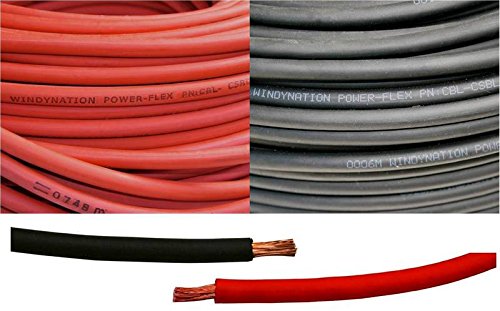
WINDYNATION 2/0 Gauge Welding Lead & Battery Copper Cable

RED WOLF Wiring Harness Tape 3/4 Inch x 50 FT 5 Rolls
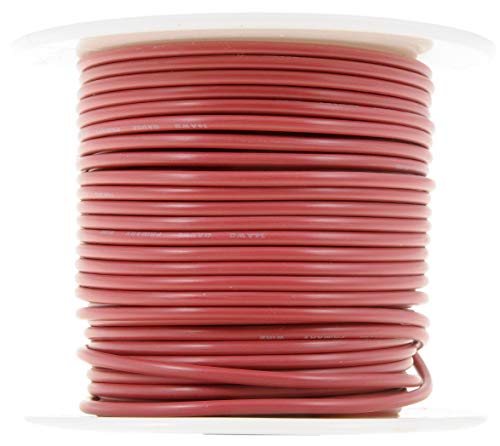
Dorman 85776 14 Gauge Red Primary Wire Spool

NAOEVO 18 Gauge Wire 2 Conductor 12V Cable 100FT

NAOEVO 3 Pin Waterproof Connector 16 AWG 6 Kits
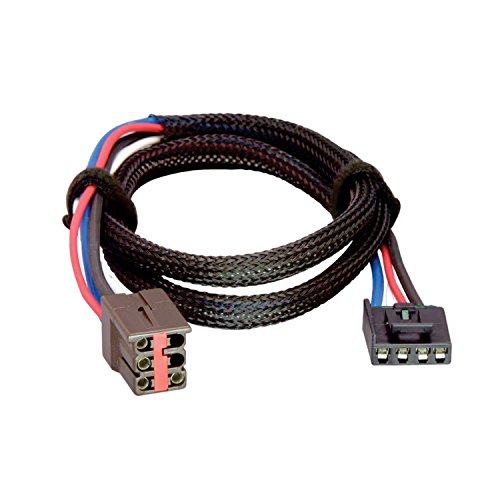
Tekonsha 3035-P Brake Control Wiring Adapter for Ford

Kikerike 286Pcs 25 Kits Waterproof 2 Pin Connectors 22-14AWG

Kikerike 367Pcs 20 Kits Waterproof Connectors 1-6 Pin with Crimper

Kikerike 376Pcs 25 Kits Waterproof Connectors 1-6 Pin

Kikerike 502Pcs 28 Kits Waterproof Connectors 1-4 Pin
More Details On Our Top Picks
Big current demands need real copper, and that’s the role this WindyNation cable fills. The 2/0 gauge (a wire thickness rating where lower numbers mean thicker conductor) pairing in red and black ships in multiple length bundles, so you can match the run to your battery bank, inverter, or RV distribution without buying excess. I like that it borrows its design from industrial welding leads, which means the stranding stays flexible even when routed through tight engine bay corners.
Compared to the smaller 14-gauge Dorman primary wire later in this list, this is firmly in the heavy-amperage lane. Reach for it when a stock replacement just won’t carry the load your solar array or audio system draws.
Useful Highlights
- Pure copper conductor keeps resistance down across long runs
- Highly flexible jacket makes routing through chassis holes manageable
- Multiple length options let you buy only what the project needs
- Color-coded red and black pairs simplify positive and negative runs
- Crosses over from welding shops to automotive and solar use
Things To Consider
- 2/0 gauge is overkill for small accessory taps, so plan accordingly
- Lugs and terminals are sold separately, adding to total project cost
Key Specs
Right Fit For
Owners of off-grid solar setups, RV battery banks, and car audio installs who already understand gauge sizing and want flexible copper cable rated for sustained high current.
Skip It When
The Dorman 85776 spool is a smarter call for smaller accessory repairs where 14 AWG primary wire does the job without the bulk of 2/0 cable.
Finishing a harness properly is half the job, and RED WOLF’s fabric loom tape handles that step without the sticky mess of electrical tape. The 3/4-inch width works for grouping main leads under the dash, while the self-adhesive backing (it sticks only to itself, not to the wires beneath) keeps the wrap quiet over rough roads. The five-roll pack means most home projects won’t run out halfway through.
Think of this as the cosmetic and protective layer after you’ve used heavier cable like the WindyNation lead or smaller primary wire. Owners of older vehicles chasing that factory-style cloth look will appreciate it most.
Everyday Advantages
- Self-adhesive cloth tears cleanly by hand without scissors
- Heat-tolerant material holds up near engine manifolds
- Reduces rattle and buzz from loose harness bundles
- Five rolls cover full interior and engine bay rewires
- Corrosion-resistant fabric suits under-hood conditions
Worth Noting
- Fabric tape doesn’t insulate like vinyl electrical tape, so it’s not a substitute for primary insulation
- Adhesive can leave light residue on hands during long wrap sessions
Built With In Mind
Restorers and hobby mechanics bundling factory-style cloth-wrapped harnesses for dashboards, door boots, and main engine runs.
Another Choice May Suit
Anyone focused purely on conductive parts without harness finishing should skip this and head straight to the NAOEVO 18 gauge wire or the Dorman spool.
Dorman’s 14-gauge spool is one of those quietly essential shop supplies. It’s the universal-fit primary wire I keep within reach for trailer leads, fuel pump repairs, and adding switched accessories without hunting for scrap lengths. The flexible insulation helps when feeding wire through firewalls and door boots, and the spool format avoids the kinks you get from pre-cut packs.
Compared to the heavier WindyNation lead earlier, this is the lighter-duty complement. It also pairs naturally with the Kikerike connector kits later in the list, since 14 AWG falls right inside their 22-14 AWG terminal range.
The Good Stuff
- Continuous spool lets you cut exact lengths for any repair
- 14 AWG suits most automotive accessory and signal circuits
- Flexible insulation bends around tight routing paths
- Automotive-grade construction resists corrosion over time
Trade Offs
- Single-color spool means you’ll need separate red and black stock for clean polarity labeling
- 14 gauge isn’t heavy enough for high-amperage inverter or starter runs
Made For
Weekend wrenchers repairing lighting circuits, accessory switches, and trailer wiring where reliable primary wire matters more than specialty gauges.
Look Elsewhere When
Solar installers or audio builders pulling serious current should consider the WINDYNATION 2/0 cable instead, since 14 AWG can’t safely carry those loads.
The NAOEVO 18-gauge twin-lead is a tidy solution for low-voltage accessory work where two conductors need to stay paired. The oxygen-free tinned copper strands (a copper coating over each strand to fight corrosion) keep oxidation at bay, and the IP68 jacket (an ingress-protection rating meaning full dust and continuous water submersion resistance) handles the wet environments under a truck chassis or in a marine install. I find 100 feet covers a full LED light bar run plus leftover for future taps.
Unlike the single-conductor Dorman spool, this arrives jacketed as a pair, so polarity stays consistent without extra labeling. It’s a smart step up for anyone moving beyond basic repair into cleaner, weatherproof routing.
Why It Works Well
- Tinned copper resists corrosion in humid and marine settings
- IP68 jacket shrugs off rain, spray, and brief submersion
- Two-conductor format keeps polarity organized for accessory runs
- VW-1 flame retardant rating adds a layer of safety in enclosed spaces
- Rated across 5V to 600V systems, so it’s flexible beyond 12V use
Points To Keep In Mind
- 18 AWG limits use to low-current signal and lighting circuits
- The bonded pair is harder to split cleanly than two separate wires
Feature Snapshot
Best Suited To
Installers running LED light bars, marine electronics, and trailer wiring who want a sealed two-conductor cable instead of separate runs.
Reach For A Different Pick When
Anyone rewiring a battery bank or high-draw accessory should look at the WINDYNATION 2/0 cable, since 18 AWG simply can’t carry that current safely.
Three-pin connectors are the workhorses of automotive sensors, fans, and pump circuits. NAOEVO’s six-pack of IP68 sealed plugs gives you enough spares to repair a flaky coolant sensor today and still have joints ready for next month’s project. The included rubber seals and 16 AWG range keep the install clean for most under-hood accessory work.
Where the Kikerike multi-pin kits later cover a wider variety of pin counts, this NAOEVO set stays focused on the 3-pin format that’s most common in automotive sensors. For shops standardizing on one reliable connector type, that focus is actually a strength.
Positive Points
- Sealed IP68 design handles wet and dusty engine bay zones
- Plug-and-play installation without soldering speeds up repairs
- Six identical kits support multiple vehicles or staged projects
- 16 AWG rating fits most accessory and signal circuits
Honest Caveats
- Limited to 3-pin configurations, so it’s not a universal solution
- Requires a separate crimping tool for proper termination
Who Will Love This
DIYers replacing corroded sensor connectors on fans, pumps, and throttle bodies who want sealed, repeatable joints without soldering.
Where Another Pick Suits Better
Anyone needing multiple pin counts in one box should consider the Kikerike 367-piece kit, which spans 1 through 6 pin configurations.
Towing a trailer with electric brakes requires a brake controller, and the controller needs a clean connection to the truck. The Tekonsha 3035-P is a vehicle-specific adapter that plugs straight into a Ford’s factory wiring port, eliminating the need to splice into the dashboard harness. For anyone who has struggled to identify brake switch wires by color, this is a real time saver.
It differs from the universal wire and connector kits elsewhere in this list because it’s a single-purpose plug. If you’re not towing with a Ford, this won’t apply, but for the right truck it’s hard to beat the simplicity.
Real Benefits
- Plug-in design avoids cutting or splicing factory wires
- Vehicle-specific fit for Ford trucks and SUVs simplifies install
- Works with brake controllers that accept the 2-plug format
- Compact adapter keeps the install tidy behind the dash
Where It May Fall Short
- Limited to Ford vehicles, so it won’t help other truck brands
- Single-purpose adapter doesn’t support general wiring repairs
The Right Fit
Ford owners installing an aftermarket brake controller for trailer towing who want a true factory-style plug-in instead of wire splicing.
A Better Fit Elsewhere
Anyone working on general automotive wiring repairs unrelated to trailer brakes should reach for the Dorman 85776 spool and Kikerike connector kits for broader utility.
The 286-piece Kikerike 2-pin kit is the starter assortment I’d hand to a friend building their first trailer harness. It sticks to a single pin configuration, which sounds limiting but actually makes the kit easier to learn on. The rubber seals, male and female housings, and crimp terminals all arrive organized in a storage box, so you’re not digging through loose parts mid-project.
Within the Kikerike lineup in this roundup, this is the smallest and most focused set. It’s the right choice when you specifically need 2-pin joints rather than the broader pin variety of the 367-piece and 376-piece kits.
Everyday Wins
- Single-format design simplifies learning for first-time users
- 22-14 AWG range covers most automotive accessory circuits
- Storage box keeps small terminals and seals organized
- Waterproof rubber seals protect joints from road splash
- 25 connector kits support multiple vehicles or staged repairs
A Few Limitations
- 2-pin only, so it won’t handle sensor or multi-function plugs
- Crimping tool not included in this specific kit
Whose Shelf It Belongs On
Beginners and trailer owners who mostly need simple 2-pin joints for lighting and small accessory circuits across multiple projects.
Consider Something Else When
The Kikerike 367-piece kit makes more sense for anyone who needs 1-, 2-, 3-, 4-, and 6-pin connectors in one box.
For someone stocking a personal workshop, this 367-piece kit is the most balanced option in the Kikerike range. The pin count variety runs from single-pin joints up through 6-pin plugs, and the included wire crimping tool means you can start working without buying extra gear. I like that the storage box separates the connector families so they’re easy to find at the bench.
Compared to the 286-piece 2-pin-only kit, this trades depth in one format for breadth across five. It’s the better long-term value once you’ve outgrown single-pin-count kits.
The Case For It
- Five pin configurations cover most automotive connector needs
- Bundled crimping tool removes a separate purchase for newcomers
- Waterproof seals rated for under-chassis and engine bay use
- Organized storage box speeds up selection mid-project
Trade-Offs To Consider
- Lower connector count per pin type than the larger Kikerike kits
- Bundled crimper is functional but basic compared to standalone ratcheting tools
Quick Facts
Perfect Match For
Home mechanics who need a single kit that handles simple lighting repairs alongside multi-pin sensor and accessory work.
Not Your Match When
Shops doing heavy volume on 2-pin and 3-pin joints specifically should consider the Kikerike 286-piece or 376-piece kits for higher counts in those formats.
The 376-piece kit bumps up the per-format connector count while keeping the same 1-6 pin range. For shops juggling several vehicles at once, the extra terminals and seals mean you won’t run short halfway through a second trailer. The waterproof rating applies across all pin configurations, which keeps the install consistent regardless of which format the job needs.
Within the Kikerike lineup in this roundup, this sits between the 367-piece multi-use kit and the 502-piece bulk option. It strikes a balance worth considering if you like variety but also want a comfortable supply of each format.
The Value In It
- Higher connector count than the 367-piece kit for busier shops
- Broad pin range reduces the need for separate single-format kits
- Waterproof seals keep joints reliable in exposed locations
- Reasonable balance of variety and volume per pin type
Things To Weigh Up
- Crimping tool not included, unlike the 367-piece kit
- Total piece count is higher than the 286-piece kit but lower than the 502-piece set
Who Should Grab It
Active DIYers and small shops running regular trailer, lighting, and accessory repairs who want a versatile connector supply without committing to the largest kit.
Where A Sibling Pick Shines
Anyone who needs a bundled crimping tool straight out of the box will find more convenience in the Kikerike 367-piece kit.
The 502-piece Kikerike kit is the bulk-buy option, trading the 6-pin format for a much higher count across 1-4 pin configurations. For a shop that wants connectors on the shelf at all times without reordering, this kit delivers. The seals, terminals, and housings fill a storage box that’s easy to slot into a drawer or bench cart.
Compared to the smaller Kikerike kits in this roundup, this one leans toward inventory depth over pin variety. The trade-off is worth understanding: you get more pieces in the formats you’ll use most, but no 6-pin housings.
A Few Highlights
- Largest piece count among the Kikerike kits in this roundup
- Higher density per pin format supports ongoing shop work
- Waterproof seals across all included configurations
- Organized storage box simplifies bench access
- Plenty of spare terminals reduce mid-project shortages
Practical Considerations
- No 6-pin housings, so projects needing that format require another kit
- Larger size may be overkill for occasional weekend users
- Crimping tool sold separately
Spec Overview
The Right Fit
Workshops and serious hobbyists building long-term connector inventory who rarely need 6-pin plugs and prioritize bulk supply.
Swap It Out When
The Kikerike 367-piece kit is a better match for anyone who values pin variety over per-format depth and wants a crimping tool included.
What To Weigh Before Picking Auto Electrical Wiring Harnesses
Match The Wire Gauge To The Load
Wire gauge is the single most important spec in any harness build. Lower gauge numbers mean thicker conductors, and thicker conductors handle more current with less voltage drop over distance. For most automotive accessories, 14 to 18 AWG covers lighting and signal work, while high-amperage applications like inverters and battery banks call for 2/0 or similar heavy cable. Choosing a wire that’s too thin for the load creates heat and resistance, which is why matching the gauge to the circuit matters before anything else.
Choose Connectors Suited To The Environment
Under the hood, connectors face heat, vibration, and moisture. IP68-rated sealed connectors are the standard for engine bay and chassis locations, while basic unsealed plugs may suffice inside the cabin. Pin count should match the circuit’s function: 2-pin joints work for simple on-off accessories, while sensors and motors typically need 3-pin or higher formats.
Think About Length, Flexibility, And Routing
Cable flexibility determines how cleanly you can route around obstacles. Welding-style stranded cable bends tightly without kinking, while solid-conductor wire holds its shape but resists tight turns. Buy a little more length than your measured path requires, since sharp bends shorten the practical reach.
Key Considerations Across These Picks
Where Shoppers Go Wrong
A common misstep is treating wire gauge and connector type as interchangeable, when they solve different parts of the harness job. Picking cable by length alone, without checking amperage requirements, leads to overheating. Forgetting sealed connectors in wet locations is another frequent miss, and it shows up later as corrosion inside the plug. Skipping the harness tape step is the third one I see often, leaving a functional but messy install that buzzes over rough roads.
The Upgrade Payoff
Higher-tier options in this category typically deliver more flexible copper stranding, tinned coatings that resist corrosion, and broader AWG compatibility in connector sets. For most DIYers, the upgrade pays off when the install lives in a wet or high-heat environment, or when the project requires running multiple circuits at once. For a single indoor accessory tap, the mid-range picks give plenty of headroom without overspending.
Frequently Asked Questions
What gauge wire do I need for a basic automotive accessory?
For most low-current accessories like LED lights and signal-level repairs, 14 to 18 AWG wire handles the load safely without excess bulk. Reserve heavier gauges like 10 or 2/0 for high-amperage applications such as inverters, audio amplifiers, and battery-to-battery runs.
Are waterproof connectors really necessary?
Under the hood and under the chassis, moisture and road splash find every unprotected joint. Sealed connectors with rubber grommets block water intrusion and slow corrosion, which is why they’re the standard for any location exposed to the elements.
Can I mix wire gauges in the same harness?
Yes, and most real harnesses do. The key is sizing each conductor to the load on that specific branch rather than running one gauge throughout. Mixing gauges lets you save weight and cost on signal circuits while still carrying heavy current where it matters.
How do I know which pin count my connector needs?
Count the wires entering the existing plug on the component you’re replacing or matching. Sensor plugs typically use 3 or 4 pins, lighting often uses 2, and multi-function motors can run 4 to 6 pins. Matching the pin count keeps polarity and signal wires aligned.
Is fabric tape better than vinyl electrical tape for harnesses?
For wrapping and bundling finished harnesses, fabric tape stays quieter and handles engine bay heat better. Vinyl electrical tape is an insulator, so it serves a different role. Many installations use both: vinyl where insulation matters, fabric where bundling and noise damping are the goal.
Final Verdict
The right harness parts depend on the job at hand. Heavy copper cable like the WINDYNATION lead covers battery and inverter runs, while the Dorman spool and NAOEVO 18-gauge pair handle everyday accessory wiring. The Kikerike connector kits round out the bench with waterproof joints in formats from 2-pin up to 6-pin, and RED WOLF tape keeps the finished harness tidy and quiet. Pick the pieces that match your circuit, environment, and skill level, and the rest of the project tends to fall into place.
