

A flickering lamp, a dead GFCI in the bathroom, an outlet that trips every time the vacuum runs, these are the moments when a reliable outlet tester earns its spot in the toolbox. I’ve watched homeowners waste hours guessing whether a receptacle is wired wrong or whether the breaker is actually the culprit. The right tool turns that guessing into a 10-second answer, and I’ve spent time digging through what each of these picks actually offers so the choice feels less overwhelming.
A Fast Comparison Of The Options
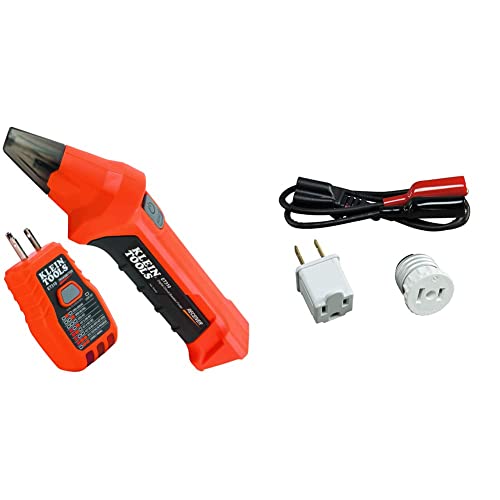
Klein Tools Circuit Breaker Finder and Tester Kit

Klein Tools CL120 Digital Clamp Meter with Line Splitter

Klein Tools NCVT2PKIT Voltage and Outlet Tester Kit
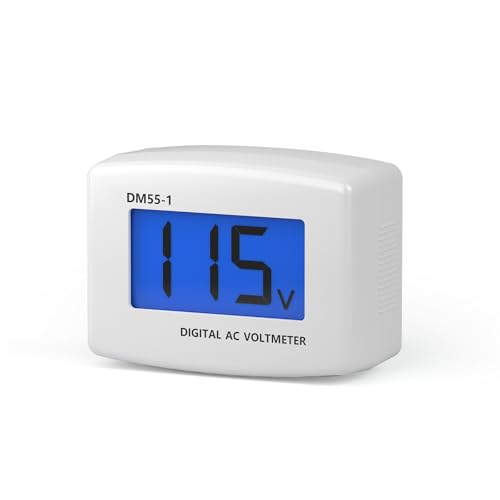
DROK Electric Voltage Tester 80-300V LCD Plug Meter
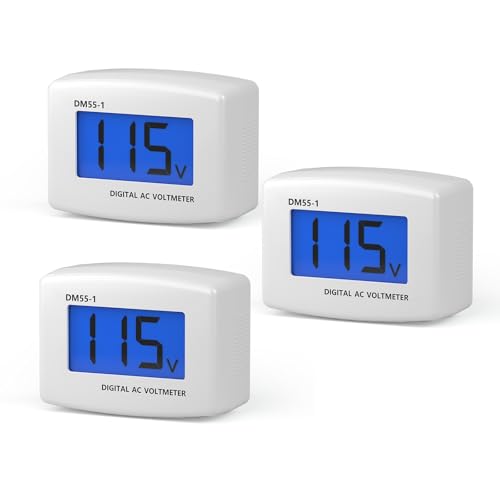
DROK 3-Pack Electric Voltage Tester LCD Plug Meter

Eversame Flat US Plug LCD Voltmeter Monitor 80-300V
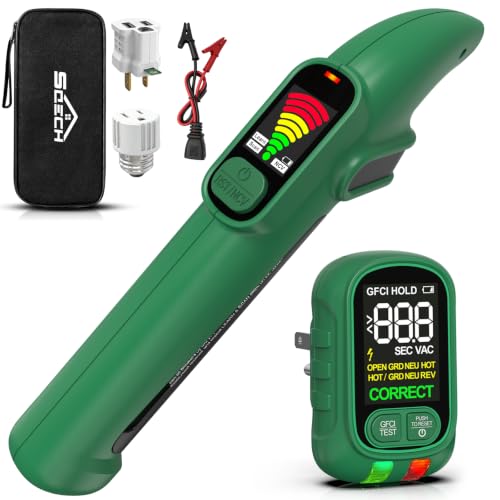
SQECH Circuit Breaker Finder with LCD GFCI Tester

DROK 2-Pack Electric Voltage Tester LCD Plug Meter

DROK 6-Pack Electric Voltage Tester LCD Plug Meter
Why These Options Stand Out
The Klein Tools Circuit Breaker Finder and Tester Kit solves a problem most homeowners only discover when they need it fast: figuring out which breaker controls which outlet. The transmitter plugs into the receptacle while the receiver scans the panel, and the matching breaker is the one that beeps. That saves a lot of trial-and-error flipping on a 20-circuit panel.
For anyone who labels breakers once and never touches them again, this kind of kit pays for itself the first time something trips. It also reads GFCI status, so it doubles as a basic receptacle check on outlets in kitchens and baths.
Why It Works Well
- Locates the correct breaker quickly without trial and error
- Combined GFCI tester cuts down on the number of tools carried to a job
- Visual and audible cues make it usable in a dim basement or garage
- Helpful accessory kit extends the reach for tougher panel layouts
Trade-Offs To Consider
- Two-piece design means more parts to keep track of than a single plug-in unit
- Battery upkeep on the receiver is a small ongoing chore
Who It Suits Best
Homeowners with unlabeled panels and anyone doing renovation work where multiple circuits need tracing at once.
Reach For A Different Pick When
Shoppers wanting a single plug-in voltage readout should consider the DROK Electric Voltage Tester 80-300V LCD Plug Meter, which sits in one outlet and monitors continuously.
The Klein Tools CL120 Digital Clamp Meter with Line Splitter steps up from a basic outlet checker into genuine diagnostic territory. The clamp jaw reads AC current without breaking the circuit, and the integrated non-contact voltage detection lets you confirm a conductor is live before touching it. A backlit LCD helps when you’re working in a dark mechanical room.
Where this earns its place compared to the breaker finder kit above is in real-time load measurement. The included line splitter lets you measure current draw on a cord without splitting the conductors by hand, which matters when troubleshooting a mystery load that keeps tripping a breaker.
Practical Pluses
- Clamp jaw measures AC current up to 400A without conductor separation
- Auto-ranging keeps setup simple for less experienced users
- Non-contact voltage sensing built into the clamp itself
- Line splitter accessory expands real-world use cases significantly
Honest Caveats
- More expensive than a plug-in tester, so overkill for casual users
- Test leads feel like they want careful storage to last
Feature Snapshot
Made For
Tradespeople, HVAC techs, and serious DIYers diagnosing live circuits rather than just confirming presence of voltage.
A Better Fit Elsewhere
For purely outlet-level checks without the diagnostic depth, the Klein Tools NCVT2PKIT Voltage and Outlet Tester Kit is a simpler path.
The Klein Tools NCVT2PKIT pairs a dual-range non-contact voltage tester with a basic receptacle tester, covering two common jobs in one box. The non-contact pen detects voltage from 12V AC up to 1000V AC, which means it picks up low-voltage doorbell and thermostat wiring alongside standard household current.
It’s a comfortable middle ground for homeowners who don’t need full clamp-meter diagnostics. The outlet tester half reads wiring faults at a glance, which is genuinely useful before plugging in an expensive appliance in an unfamiliar room.
The Case For It
- Dual-range detection covers both low-voltage and standard lines
- Non-contact design keeps fingers away from conductors
- Compact enough to live in a kitchen drawer or small toolbox
- Pen-style form factor reaches into crowded outlet boxes
Points To Keep In Mind
- Does not measure current, only presence of voltage
- Battery replacement is a small ownership chore
Right Fit For
First-time homeowners and renters who want a safe way to confirm an outlet is live before plugging anything in.
Look Elsewhere When
Anyone needing continuous voltage monitoring should consider the DROK Electric Voltage Tester 80-300V LCD Plug Meter, which stays plugged in and shows real-time readings.
The DROK Electric Voltage Tester 80-300V LCD Plug Meter is the kind of tool that lives plugged into an outlet full-time. It measures AC voltage between 80V and 300V and draws less than 1W, so it isn’t adding meaningful cost to the electric bill. The flat-plug shape leaves the second outlet free in a standard duplex, which is a thoughtful touch.
For anyone worried about brownouts damaging a fridge or a desktop PC, leaving one of these plugged in provides an at-a-glance sanity check on line voltage. The internal potentiometer allows for recalibration if the reading drifts.
A Few Strong Suits
- Wide 80V to 300V range covers both 110V and 220V service
- Low power draw means it can stay plugged in indefinitely
- Flat plug keeps the adjacent receptacle usable
- Internal calibration trim supports long-term accuracy
Worth Bearing In Mind
- Recalibration requires opening the case with a small screwdriver
- Reads voltage only, no wiring fault diagnostics
Quick Facts
Best Suited To
Anyone wanting a set-and-forget voltage monitor in a workshop, garage, or near sensitive electronics.
Skip It When
Shoppers who want a multi-pack to scatter around the house should look at the DROK 3-Pack Electric Voltage Tester LCD Plug Meter instead.
The DROK 3-Pack Electric Voltage Tester LCD Plug Meter takes the single-unit approach from the previous entry and bundles three of them. Same 80V to 300V range, same LCD readout, same flat plug profile. The difference is coverage: kitchen, garage, and home office can each have a permanent voltage monitor without moving one around.
For someone with multiple critical loads, the bundled approach is genuinely more useful than three singles bought separately. It’s also a lower per-unit cost, which matters for budget-conscious shoppers.
Everyday Wins
- Three units spread across high-value appliances and outlets
- Per-unit cost is lower than buying individually
- Flat plug design keeps second outlet accessible
- Wide voltage range suits both standard and high-leg service
Small Caveats
- Calibration access on three units means more potential drift points
Who Will Love This
Workshop owners and homeowners with several circuits worth monitoring on a regular basis.
Not Your Match When
Shoppers who need diagnostic capability beyond voltage readout should consider the Klein Tools CL120 Digital Clamp Meter with Line Splitter.
The Eversame Flat US Plug LCD Voltmeter Monitor 80-300V is essentially a cousin to the DROK single-unit pick above, with the same 80V to 300V range and a flat two-prong plug. The Eversame positions itself as a safeguard for appliances, giving a quick visual check that line voltage hasn’t sagged or spiked.
For households where one outlet powers a high-value device, a TV, a server, or an expensive kitchen range, the Eversame provides peace of mind without complicating anything. The compact size also makes it easy to leave in place behind furniture.
What Works In Its Favor
- Compact footprint fits behind furniture and tight outlet boxes
- Wide voltage range covers standard residential service
- Low power draw for long-term plug-in use
- Simple LCD readout requires no learning curve
Factors To Consider
- Voltage readout only, with no fault diagnostics for miswired outlets
- Single unit, so multi-room monitoring means buying multiples
Key Specs
Perfect Match For
Anyone with one specific outlet they want to watch long-term, particularly behind expensive electronics.
Consider Something Else When
Shoppers outfitting an RV, shop, or multi-room setup are better served by the DROK 6-Pack Electric Voltage Tester LCD Plug Meter.
The SQECH Circuit Breaker Finder with LCD GFCI Tester takes the breaker-finder concept from the Klein kit and adds an LCD screen to the receiver. The transmitter plugs into the outlet, the receiver scans the panel vertically, and the LCD shows which breaker matches, which can be cleaner than relying on beep volume alone.
Both pieces can also function independently for separate tasks, so the kit pulls double duty as a basic GFCI outlet checker. For someone who appreciates visual feedback over audio cues, the LCD is a meaningful upgrade.
Reasons It Performs
- LCD readout on receiver supports confident breaker identification
- Independent transmitter and receiver functions increase versatility
- Comes with adapters for varied outlet configurations
- GFCI testing built in alongside breaker tracing
Possible Compromises
- Newer brand presence means less long-term track record in the field
- Two-piece kit is bulkier than a single plug-in tester
Feature Card
Built With In Mind
Homeowners with large or unfamiliar panels who want a clear visual confirmation when mapping circuits.
Another Choice May Suit
Tradespeople already invested in the Klein ecosystem may prefer the Klein Tools Circuit Breaker Finder and Tester Kit for familiarity.
The DROK 2-Pack Electric Voltage Tester LCD Plug Meter splits the difference between the single DROK and the larger multi-packs. Two units, same 80V to 300V range, same low-power draw. For renters or small-home dwellers, two locations usually cover the bases that matter: a kitchen outlet and an outlet powering sensitive electronics.
The flat-plug form keeps the adjacent receptacle open, which matters in older apartments where outlet space is already tight. It also avoids the commitment of buying six when only two will actually be deployed.
What Pays Off
- Two units cover the most-watched outlets in a small space
- Flat plug leaves second outlet usable in a duplex
- Low power draw suits long-term plug-in monitoring
- Wide voltage range for varied service types
Some Limits To Know
- No wiring fault diagnostics, voltage readout only
- Two units may not be enough for larger homes
Whose Shelf It Belongs On
Renters and apartment dwellers who want voltage awareness without committing to a six-pack they won’t fully use.
Swap It Out When
Anyone setting up a workshop or RV with multiple critical loads should consider the DROK 6-Pack Electric Voltage Tester LCD Plug Meter.
The DROK 6-Pack Electric Voltage Tester LCD Plug Meter takes the same flat-plug LCD concept and scales it for whole-house, shop, or RV use. Six units means every room or critical appliance can have a permanent voltage monitor without moving gear around. Same 80V to 300V range, same under-1W draw.
For owners of recreational vehicles or travel trailers, voltage monitoring is genuinely useful at campground hookups where pedestal power can be unreliable. The LCD doubles as a dim nightlight, which is a small but appreciated bonus in a dark rig.
Benefits That Matter
- Six units for full-property or multi-zone coverage
- LCD acts as a soft nightlight in dark rooms or RVs
- Low power draw makes continuous use economical
- Wide voltage range handles varied service conditions
Practical Considerations
- More units means more devices to recalibrate over time
- Voltage display only, with no fault-finding capability
At A Glance
The Right Fit
RV owners, shop operators, and homeowners wanting voltage awareness across every important room without juggling a single tester.
Where Another Pick Suits Better
Shoppers wanting diagnostic depth should consider the Klein Tools CL120 Digital Clamp Meter with Line Splitter for actual load measurements.
Choosing The Right Outlet Tester For Your Situation
The first thing to figure out is what kind of answer you actually need. A plug-in voltage monitor tells you whether the line is healthy at a glance, useful for spot-checking appliances and protecting sensitive gear. A receptacle tester with GFCI capability checks whether an outlet is wired correctly and whether the ground-fault interrupter trips as it should. A breaker finder maps outlets back to specific breakers in the panel, saving the trial-and-error of flipping switches in the dark. For most homeowners, the most useful starting place is a basic plug-in tester plus a non-contact voltage pen, since those cover the bulk of “is this outlet safe to use” questions.
For diagnostic work, the jump to a clamp meter makes sense. Clamp meters measure actual current draw on a live wire without breaking the circuit, which is exactly what’s needed when a breaker keeps tripping under load. If the goal is just confirming presence of voltage or checking basic wiring, the plug-in form factor is faster and more approachable. Reading the LCD on a DROK-style monitor takes one second, while reading fault codes on a GFCI tester takes maybe five.
Budget shoppers should pay attention to multi-packs. The per-unit cost on the DROK 6-pack is meaningfully lower than buying six singles, and most homes have at least three outlets worth monitoring: kitchen, home office, and garage or workshop. A clamp meter or breaker finder kit, by contrast, is a one-tool purchase, so the multi-pack math doesn’t apply there.
Match the tool to the user. A renter who just wants to verify outlets in an unfamiliar apartment should look at a basic plug-in monitor or a non-contact pen. A homeowner with an unlabeled panel will get the most mileage from a breaker finder kit. Someone running a workshop or an RV will benefit from continuous voltage monitoring across multiple outlets. The right tool is the one that matches the actual question being asked.
Picking Smart Across This Category
Mistakes Worth Dodging
A common slip is buying a tester with no GFCI check when half the outlets in the home are GFCI-protected. Kitchens, bathrooms, garages, and outdoor circuits all rely on GFCI, and a tester without that function leaves a real gap. The other trap is assuming any plug-in monitor reads wiring faults. Plug-in voltmeters show line voltage but do not catch a reversed hot and neutral, which a proper receptacle tester does catch.
Where The Extra Money Goes
Higher-tier picks in this category buy diagnostic depth rather than basic functionality. A clamp meter measures live current on a conductor without opening the circuit, which a $10 plug-in tool simply cannot do. A breaker finder with an LCD screen offers clearer feedback than an audible-only model, and a dual-range non-contact tester covers low-voltage systems alongside standard 110V lines. For casual use, those upgrades don’t earn their keep. For anyone troubleshooting a specific electrical problem, they often pay back the difference quickly.
Frequently Asked Questions
What is a GFCI outlet tester?
A GFCI outlet tester is a small plug-in device that checks whether a receptacle is wired correctly and whether the ground-fault interrupter trips as intended. It typically uses LED indicators to show wiring faults like reversed polarity or open ground.
Do I need a clamp meter if I already have an outlet tester?
Outlet testers confirm presence of voltage and wiring correctness. A clamp meter measures actual current draw on a live conductor, useful for diagnosing overloaded circuits. For most homeowners, an outlet tester is enough; a clamp meter earns its place when troubleshooting a recurring trip.
Can a plug-in voltage monitor stay plugged in all the time?
Yes, the DROK and Eversame monitors in this list draw under 1W, so leaving them plugged in indefinitely adds negligible cost. The flat-plug design also keeps the adjacent outlet usable.
What is a circuit breaker finder used for?
A circuit breaker finder traces an outlet back to the specific breaker that controls it. The transmitter plugs into the outlet and the receiver scans the panel, identifying the matching breaker without trial-and-error flipping.
Are non-contact voltage testers safe to use?
Non-contact voltage testers detect voltage without touching conductors, which reduces contact risk. They are useful for a quick safety confirmation, though a contact tester is still needed for definitive readings.
Wrap Up
The right pick depends entirely on the question being asked. For continuous voltage awareness, the DROK and Eversame plug-in monitors are the practical choice. For circuit identification and GFCI checks, the Klein breaker finder kit or the SQECH LCD version both deliver. For deeper diagnostics, the CL120 clamp meter is the tool to reach for. Match the tool to the job, and the outlet mystery usually has a clean answer.
