

Folding solar panels make sense for road trips, backup power, and days away from a wall outlet. You get a packable setup that can ride in an RV, sit beside a power station, or back up phones and small appliances during an outage. The real challenge is matching wattage, connector options, and weather resistance to the way you actually travel.
That’s where this shortlist helps. You’ll see compact panels for light charging, mid-size options for camping and blackout prep, and larger blanket-style picks for longer power runs. The right choice feels less like extra gear and more like a dependable part of your kit.
Quick Look At The Shortlist

Renogy 200W Portable Solar Panel

ZOUPW 450W Portable Solar Panel

FlexSolar 100W Foldable Portable Solar Panel Charger

FlexSolar 60W Foldable Portable Solar Panel Charger

SOLUPUP Solar Panels 30W Portable Foldable Solar Charger

Renogy 100W Portable Solar Panel for Power Stations
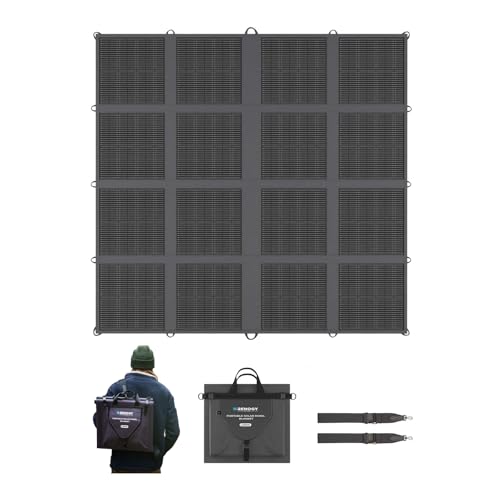
Renogy 400W Portable Solar Panel for Power Stations

100W Portable Solar Panel CPC Material USB-C PD3.0
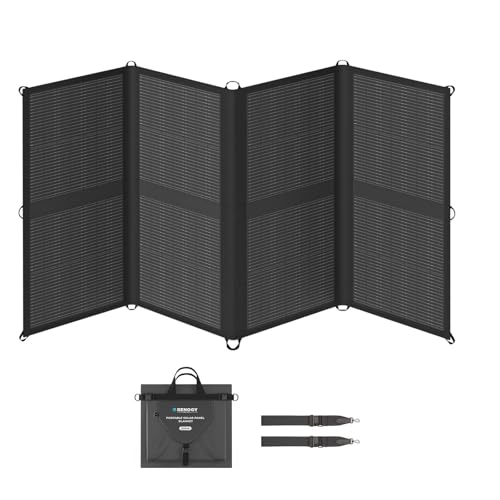
Renogy 200W Portable Solar Panel for Power Stations
More Details On Our Top Picks
The 200-watt size lands in a sweet spot for RV trips, backup kits, and off-grid weekends. The kickstand design helps you angle the panel more easily on flat ground, and the USB-A plus USB-C outputs add direct device charging without forcing every task through a power station.
IP65 weather resistance means it’s built for dusty campsites and splashes, not rough dunking, so storage and care still matter. Compared with the lighter FlexSolar picks, this Renogy model makes more sense for you when a bit more output and a sturdier travel setup matter more than shaving every ounce.
What We Like
- 200 watts gives you a practical middle ground for portable backup use.
- USB-A and USB-C outputs help with direct charging on shorter stops.
- The kickstand layout makes setup easier on uneven ground.
- IP65 protection suits campsites, tailgates, and basic weather exposure.
- Renogy’s power-station focus fits common RV and blackout setups.
Things To Consider
- It’s still larger than 60W or 30W options, so storage space matters.
- Weather resistance is useful, but you’ll still want to dry and fold it carefully after wet use.
- Direct-device charging is handy, though a power station still gives you more flexibility.
Feature Snapshot
Who It Suits Best
You’ll like this most if you travel by RV, keep a compact outage kit, or want a foldable panel that can do more than top off a phone.
Where A Sibling Pick Shines
Renogy 100W Portable Solar Panel for Power Stations suits lighter kits and smaller storage bins better, especially for weekend use.
That 450-watt rating puts this in a very different lane from the Renogy 200W panel. It’s built for bigger power stations and longer stays where you want more generation from a foldable package, and the compatibility list covers several common power-station families.
The IP68 sealing is the headline for outdoor use, with stronger dust and water protection than the lighter-duty picks here. The trade-off is size and handling, so you may find it more suited to a truck, RV, or base camp than a small day bag.
Reasons To Buy
- 450W output suits larger power-station charging needs.
- 25% efficiency helps keep the panel competitive in its class.
- IP68 protection gives you extra confidence around rough weather.
- Compatibility with several power-station brands makes setup easier.
- Best for heavier off-grid power planning, not just phone charging.
Room For Improvement
- Its size is more demanding than the midrange 100W options.
- Large foldable panels take more storage planning in small vehicles.
- The stronger output only helps when your power station can accept it.
Core Details
Who Will Love This
You should look at this panel if your setup centers on a large power station, long camping stays, or RV use with serious charging demand.
Another Choice May Suit
FlexSolar 100W Foldable Portable Solar Panel Charger makes more sense for lighter travel kits and easier carrying.
For most camping kits, 100W is the size that stays manageable without feeling too limited. This FlexSolar panel also adds PD3.0 USB-C, QC3.0 USB-A, and DC outputs, so it gives you more ways to charge phones, battery banks, and a small station from the same folded package.
IP67 protection is a useful step up over basic splash resistance, especially around damp mornings or dusty trail stops. The honest read is that you’ll get the most from it as a versatile mid-size panel, not as a replacement for the much larger 450W ZOUPW.
Highlights
- 100W is a practical size for portable power kits.
- USB-C, USB-A, and DC outputs cover different charging needs.
- PD3.0 and QC3.0 support help with faster compatible charging.
- IP67 protection suits travel use where weather can change fast.
- Easy to pair with power stations, power banks, and phones.
Worth Noting
- It still makes more sense for small to mid-size loads than heavy rigs.
- Multiple outputs are useful, but you’ll still need the right cables.
- Foldable panels need careful packing so the hinges and connectors stay tidy.
Quick Facts
Built With In Mind
This fits campers, van travelers, and anyone who wants a flexible 100W panel with direct charging options built in.
Swap It Out When
Renogy 200W Portable Solar Panel suits you better when your backup setup needs more output and a kickstand.
The 60W format keeps the footprint modest, which helps a lot in day bags and smaller vehicle storage. You still get the same general family of USB-C, USB-A, and DC outputs, so it stays useful for phones, tablets, and light backup tasks without demanding much space.
That smaller size also means gentler expectations, and that’s fine for weekend travel or a compact emergency drawer. Compared with the 100W FlexSolar, this one is easier to carry, but it makes less sense for running a power station for long stretches.
Positives
- 60W keeps the panel light enough for casual travel.
- USB-C, USB-A, and DC options add flexibility.
- Good fit for phones, tablets, and smaller accessories.
- IP67 protection helps it handle outdoor use better than basic panels.
Small Caveats
- It’s better for light charging than larger battery systems.
- Smaller output can feel limiting for longer off-grid stays.
- Like any foldable panel, careful packing helps preserve the seams and leads.
Feature Card
Perfect Match For
You’ll appreciate this most for casual camping, short outings, and compact power kits where portability matters more than output.
Look Elsewhere When
FlexSolar 100W Foldable Portable Solar Panel Charger suits longer trips better because it gives you more charging headroom.
At 30W, this SOLUPUP panel is aimed at light travel use rather than full power backup. The built-in smart chip is meant to recognize connected devices and manage charging behavior, while the auto-reconnect feature helps restore charging after sunlight returns.
That makes it a tidy companion for camping, hiking, and day trips where you mostly want to keep small gear topped up. The honest trade-off is obvious, though, because 30W is better for phones and power banks than for anything that drinks power quickly.
Best Bits
- 30W suits smaller portable charging jobs.
- USB-A and USB-C ports help with common device cables.
- The smart chip adds a more thoughtful charging approach.
- Auto-reconnect behavior is handy after passing clouds or shade.
- IPX5 protection helps with light splashes and trail use.
Points To Note
- It’s a small-output panel, so expectations should stay modest.
- Fast results depend on sunlight and the device you connect.
- Light outdoor protection is useful, but storage still matters after wet use.
Details At A Glance
Right Fit For
This suits campers, hikers, and travelers who mainly need a light panel for phones, batteries, and small accessories.
Reach For A Different Pick When
Renogy 100W Portable Solar Panel for Power Stations makes more sense when you want a step up in output and broader off-grid use.
This Renogy 100W model feels like the sensible middle ground for a lot of home backup and camping setups. The 25% efficiency spec is important because higher conversion can help you get more usable output from the same surface area, which matters when sunshine is limited or campsite space is tight.
The kickstands and USB-A plus USB-C outputs make it especially practical for people who want flexibility without moving up to a heavier 200W panel. It’s a bit less ambitious than the Renogy 200W pick, but that lower footprint can be a real advantage in a trunk, closet, or small RV bay.
Strong Points
- 100W output hits a useful middle range for many portable setups.
- 25% efficiency helps the panel make strong use of available space.
- Kickstands simplify setup in a campground or driveway.
- USB-A and USB-C outputs make everyday charging more convenient.
Areas To Watch
- It won’t replace a larger panel for heavier power demand.
- Foldable gear still needs careful storage so the frame stays in good shape.
- Direct charging is useful, though many setups still work better with a power station in the middle.
Technical Sheet
The Right Fit
You’ll appreciate this model if you want a dependable 100W folding panel for RV weekends, small power stations, or outage prep.
A Better Fit Elsewhere
ZOUPW 450W Portable Solar Panel suits larger rigs and longer off-grid stays far better.
The 400W Renogy blanket-style panel is for bigger power jobs, plain and simple. It folds into a backpack-size package, which sounds almost contradictory until you remember that portable here means easier than hauling a rigid array, not tiny.
In pickup beds, on marine setups, or around large stations at camp, that space-saving format can make a real difference. The trade-off is handling size and weight, so this belongs with serious storage planning rather than casual day-trip packing.
Upsides
- 400W output suits large portable power stations.
- 25% efficiency is strong for a foldable panel of this size.
- Backpack-size folding makes transport easier than rigid hardware.
- Fits camping, pickup, and marine use more naturally than compact models.
Softer Spots
- The larger footprint asks for more room in storage and transport.
- It’s more panel than many casual weekend setups need.
- Fold-and-stow routines matter more here, especially after wet or dusty use.
Core Details
Best Suited To
This is a strong match for campers, pickup owners, and marine setups that need more output from a foldable design.
Not Your Match When
FlexSolar 60W Foldable Portable Solar Panel Charger fits lighter carry needs much better.
Connector variety is the main reason this Ecosonique panel stands out. Along with USB-A and USB-C charging, you get PD3.0 support, a 20V DC output, XT60, Anderson, and a 3m DC cable, so it reaches into more power-station and device setups than most simpler 100W models.
The CPC material and IP65 rating round out the package with a practical outdoor angle. You may find it especially useful if your kit already includes mixed cables and you want one panel that can cover several devices without constant adapter hunting.
Bright Spots
- Wide connector support helps with mixed gear.
- 3m DC cable gives you extra placement flexibility.
- USB-C PD3.0 suits many modern portable devices.
- IP65 protection works well for common outdoor conditions.
- 100W output keeps it in a manageable travel size.
Honest Caveats
- Lots of ports help, but you still need the right cable for each device.
- Feature depth adds value, though it can make the setup feel busier than simpler panels.
- Careful coiling and storage will help keep the longer cable neat over time.
Feature Rundown
Made For
You’ll get the most from this panel if your travel kit includes different connectors and you want more flexibility from a 100W folding design.
Where A Sibling Pick Shines
Renogy 100W Portable Solar Panel for Power Stations feels simpler and easier to live with for straight-ahead campsite use.
This 200W Renogy blanket-style panel keeps the power level useful while shrinking the storage burden through a backpack-size fold. Compared with the kickstand-equipped Renogy 200W model earlier in the list, this one leans harder into compact packing, which can matter a lot in SUVs, boats, and overstuffed garage shelves.
The USB-A and USB-C outputs add convenience for smaller gear, so you can treat it as both a power-station companion and a direct charging aid. The honest read is that its appeal comes from how neatly it fits travel, not from trying to be the flashiest panel here.
Standout Traits
- 200W output gives you a practical boost for portable power.
- Backpack-size folding saves storage space more cleanly than bulkier panels.
- USB-A and USB-C outputs make small-device charging straightforward.
- 25% efficiency supports a strong power-to-size balance.
- Works well for camping, RV travel, SUV storage, and marine kits.
Minor Gripes
- The blanket-style layout may feel less rigid than a kickstand panel for some setups.
- Space-saving folding helps storage, but careful unfolding matters in daily use.
- It still asks for a power station or compatible gear to show its full value.
Key Specs
Who Should Grab It
You’ll like this most if you want 200W output but need a foldable panel that tucks away more neatly than many full-size travel options.
Skip It When
ZOUPW 450W Portable Solar Panel makes more sense for heavier power needs and larger stations.
How To Choose The Right Folding Solar Panels
Start With Power Needs, Not Panel Hype
Wattage tells you the rough output ceiling, so it should shape the shortlist before anything else. A 30W panel suits phones and power banks, 100W works for many travel setups, and 200W or more starts to make sense for larger battery systems and longer stays.
The mistake is buying for a headline number without matching it to your gear. A high-output panel only helps when your power station or devices can actually use that capacity.
Look Closely At Ports And Connectors
USB-C, USB-A, DC, XT60, and Anderson each serve different gear, and those labels matter more than they look at first glance. USB-C is the newer reversible connector many phones and tablets use, while DC and specialty plugs are more common on power stations and larger portable gear.
More connector options usually mean better flexibility, but they can also mean more cable clutter in your bag. A simple panel is easier to manage, while a feature-heavy one can cover more devices without extra adapters.
Weight, Fold Size, And Storage Shape Everyday Use
Folded dimensions decide whether a panel lives in an RV bay, a closet shelf, or the trunk beside your camping kit. Backpack-size blanket designs are easier to stash, while kickstand panels often feel more stable once set up.
For frequent travelers, the right trade-off is usually between easy carry and easier aiming. A lighter panel feels like a better companion on short trips, while larger designs earn their keep in base-camp setups.
Weather Protection Still Matters
IP ratings describe enclosure protection, with higher numbers generally pointing to stronger resistance against dust and water exposure. IP65, IP67, and IP68 all suggest outdoor readiness, but they do not turn a folding panel into a piece of gear you can ignore after rain or grit.
Dry it, fold it carefully, and keep the cable ends clean. That simple routine helps the panel stay tidy and ready for the next trip.
Things Worth Knowing First
Hidden Buying Traps
People often overfocus on wattage and miss the rest of the setup. A 400W panel sounds impressive, but it can be a poor fit for a small vehicle or a compact storage bin.
Connector mismatch is another common snag. A panel can look perfect on paper, then turn into a headache because the output side does not line up with your power station.
The Upgrade Payoff
Higher-tier panels usually cost more because they pack in larger output, better cell efficiency, stronger weather sealing, or more flexible connector layouts. Those features matter most when you travel often, rely on solar for backup, or want to charge bigger battery systems with less compromise.
Spending up makes sense for long-haul RV use, marine setups, and power-station owners who dislike slow charging. For casual day trips, a simpler 60W or 100W panel often feels easier to live with.
Frequently Asked Questions
What size folding solar panel works for a phone and power bank?
A 30W or 60W panel is usually the cleanest fit for that job. You keep the kit small without paying for output you probably won’t use.
Do folding solar panels work well for RV travel?
Yes, especially 100W, 200W, and larger models with the right output and storage size. A larger panel helps more when you park for long stretches.
Why do some panels list USB ports and power-station plugs together?
That mix gives you more charging paths, from direct device charging to battery-station use. It also reduces the need to carry separate adapters.
What does IP65, IP67, or IP68 mean in plain terms?
Those ratings point to different levels of resistance against dust and water exposure. Higher numbers generally suggest stronger outdoor protection, though careful handling still matters.
Should you choose a blanket-style fold or a kickstand design?
Blanket-style panels usually pack smaller and store more neatly. Kickstand designs often feel easier to angle once you set them up.
Closing Thoughts
The right folding solar panel depends less on the biggest watt number and more on how you travel, store gear, and charge devices. For a lot of people, the sweet spot sits around 100W or 200W, with a larger panel reserved for more demanding power stations. Connector choice and weather protection matter too, because those details decide whether the panel feels handy or fussy in real use. Match the panel to your routine, and it should feel like part of the trip instead of extra baggage.
