

You want solar panels that fit real trips, not just product-page promises. For camping, RV stops, van builds, blackout backup, and off-grid weekends, the right panel needs to fold neatly, connect cleanly, and tolerate rough handling without becoming a chore.
That’s the lens here. You’ll see compact 100W options for lighter loads, 200W picks for steadier charging, and 400W models for bigger setups, plus a few panels with useful extras like USB outputs, kickstands, and bifacial or anti-shade designs.
Quick Look At The Shortlist

Renogy 200W Portable Solar Panel

EF ECOFLOW 220W Portable Solar Panel
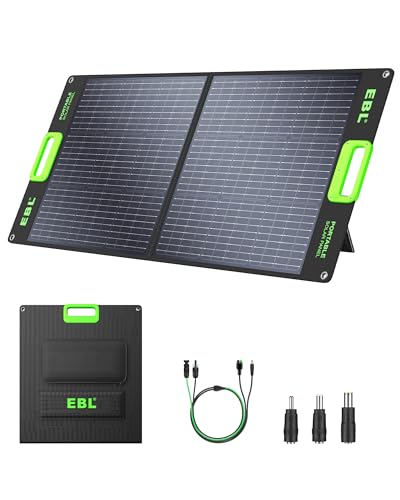
EBL Solar Panel 100W Portable Solar Panel
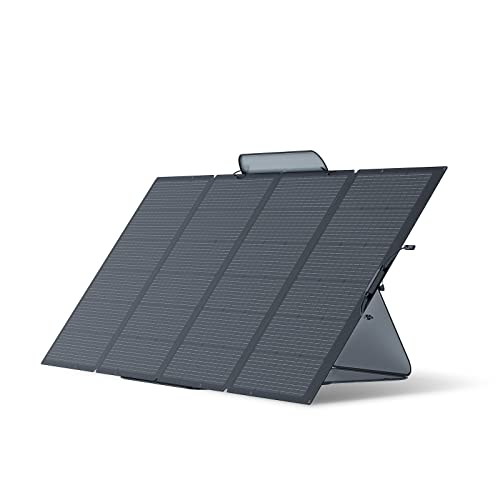
EF ECOFLOW 400W Portable Solar Panel

FlexSolar 100W Foldable Portable Solar Panel Charger
200W Portable Solar Panel 23.5% High Efficiency ETFE Foldable Solar Charger

200W Portable Solar Panel for Power Station

N-Type 16BB 400W Bifacial Solar Panel
More Details On Our Top Picks
Renogy keeps this one focused on practical portability, with a foldable panel layout, a kickstand, and USB-A plus Type-C outputs for lighter device charging. In a campsite, RV bay, or blackout setup, that mix makes it easier to keep smaller gear running without dragging out extra adapters.
The trade-off is that a 200W portable panel is still a carry-and-set-down item, not a tiny grab-and-go charger. For you, that’s a fair balance when the goal is backup power for a station rather than a single phone.
Strong Points
- Foldable format keeps storage simple in a van or garage.
- USB-A and Type-C outputs add direct charging options for small devices.
- Kickstand support helps you set the angle more cleanly than laying the panel flat.
- IP65 sealing gives you a more reassuring fit for dusty campsites and damp weather.
Things To Consider
- At 200W, it’s still better suited to portable stations than tiny battery packs.
- Foldable panels need a bit of storage care, especially around hinges and cables.
- The lighter build helps mobility, but it usually means less brute-force power than large fixed arrays.
Feature Snapshot
Who It Suits Best
You’ll like this most if you want a portable panel for RV trips, camping weekends, or backup power at home with modest setup demands.
A Better Fit Elsewhere
EF ECOFLOW 400W Portable Solar Panel suits van builders and larger power-station setups that need more charging headroom than this 200W model.
This model leans into higher-end portable-panel design, with bifacial construction that can gather light from both sides and an N-Type solar cell layout. In plain terms, that’s the kind of setup that appeals when you want more output potential from a panel that still folds away for travel.
The IP68 rating is a strong signal for exposure tolerance, and the adjustable kickstand helps you angle it with less fuss at a campsite or RV stop. The honest read is that its stronger feature set makes more sense for people who care about squeezing extra utility from a portable panel, not just buying the simplest one.
Highlights
- Bifacial design can make smarter use of reflected light around the panel.
- N-Type cell structure is a more advanced build than basic portable panels.
- IP68 protection is a strong fit for rough outdoor conditions.
- Kickstand adjustment helps with positioning on uneven ground.
- 220W output gives you a little more headroom than the 200W crowd.
Worth Noting
- The added feature set usually brings more setup attention than a simpler foldable panel.
- Bifacial use matters most when the surface behind the panel reflects light well.
- For small power stations, this level of output can be more than you need.
Core Details
Who Will Love This
You’ll get the most from this if you camp often, use a portable station regularly, and want a panel with more advanced design touches.
Where A Sibling Pick Shines
Renogy 200W Portable Solar Panel is the simpler choice for shoppers who want fewer features and a more straightforward portable setup.
EBL takes a more modest route with a 100W panel aimed at 300, 500, and 1000 power stations. That makes it a sensible match for light travel, emergency kits, and smaller charging needs where a larger 200W fold-out would feel like overkill.
The adjustable kickstand and parallel cable give you a little more flexibility in how you place it and how you connect it. The trade-off is obvious, though, you’re buying a lighter-duty panel, so this is about convenience and compatibility, not brute-force output.
Upsides
- 100W size keeps the carry load easier than larger portable panels.
- Parallel cable support gives you more connection flexibility.
- Kickstand helps you get a better angle without improvising a prop.
- Waterproof IP65 construction fits outdoor use better than bare-bones panels.
Softer Spots
- 100W output suits smaller power needs, not bigger off-grid loads.
- Parallel setups add a little more cabling to manage and store.
- Foldable gear rewards careful packing, especially on frequent road trips.
Details At A Glance
Built With In Mind
You’ll appreciate this most if you travel light and need a compact solar option for smaller stations or short weekend power top-ups.
Another Choice May Suit
GRECELL 200W Portable Solar Panel makes more sense for van life or larger station users who want stronger output without moving to a fixed roof setup.
This is the big portable panel in the group, and the 400W rating puts it in a different conversation from the Renogy 200W and EBL 100W choices. For larger power stations, longer camping stays, or off-grid work where output matters more than compactness, that extra capacity can change the whole setup.
The adjustable kickstand case is a useful detail because a panel this size needs practical support as much as power. The trade-off is plain, you’re carrying more bulk, so it fits best when charging needs are serious enough to justify the space it takes.
Best Bits
- 400W output brings strong charging potential for bigger stations.
- Foldable construction still keeps it storable compared with fixed panels.
- Kickstand case makes the larger form factor easier to manage outdoors.
- IP68 protection is a reassuring match for adventurous travel.
Areas To Watch
- Size and weight matter more here than on 100W or 200W portable panels.
- Storage space becomes part of the purchase decision.
- You may find it excessive for short trips with modest power needs.
Technical Sheet
Whose Shelf It Belongs On
You’ll get the most from this if you run a large power station, spend real time off-grid, or want a portable panel with serious output.
Swap It Out When
Renogy 200W Portable Solar Panel is the easier carry for campers who want a smaller, more manageable setup.
FlexSolar stands out because it treats the panel like a small charging hub as much as a solar source. With PD3.0 USB-C, QC3.0 USB-A, and DC ports, you can top up phones, power banks, and some station gear without always routing everything through one box.
That makes it especially handy for travel bags, emergency kits, and casual outdoor use where you want straightforward device charging. The honest read is that the 100W format keeps it light and convenient, but it also keeps the power ceiling modest.
Bright Spots
- USB-C, USB-A, and DC outputs give you more ways to plug in.
- IP67 protection is a strong fit for outdoor carry and storage.
- 100W format keeps it easier to pack than larger foldable panels.
- Works well as a backup charging tool for phones and small gear.
Small Caveats
- Device charging ports are useful, though they do not replace a larger power station.
- Port-heavy setups mean more cable management in your bag or vehicle.
- For bigger appliances, you’ll want a stronger panel than this 100W option.
Feature Rundown
Made For
You’ll like this most if your main goal is portable charging for phones, power banks, and a small station during weekends away.
Look Elsewhere When
EF ECOFLOW 220W Portable Solar Panel is the better fit for campers who want more output and are willing to carry a larger panel.
GRECELL leans on ETFE, a durable front-layer film used on solar panels for added surface protection, and that matters when gear lives in a truck bed, RV bay, or campsite bag. Pair that with the 23.5% efficiency claim, and you get a 200W panel that’s aimed at people who care about getting more from a portable footprint.
Four kickstands and a 4-in-1 output setup make the layout feel flexible without turning it into a complicated project. The catch is that more connection options also mean more parts to keep track of, so it suits organized setups better than toss-it-anywhere travel.
Reasons To Buy
- 23.5% efficiency target gives this panel a stronger performance angle.
- ETFE surface layer is a useful durability touch for outdoor handling.
- Four kickstands help with placement on uneven ground.
- MC4, XT60, Anderson, and DC output support broad compatibility.
Minor Gripes
- Four kickstands help setup, though they also add bulk in storage.
- Multi-connector designs can mean more time spent matching cables.
- The 200W format remains portable, but it still needs floor or ground space.
Quick Facts
Perfect Match For
You’ll appreciate this most if you want a 200W travel panel with stronger efficiency language and broader connector support.
Where Shoppers Go Wrong
FlexSolar 100W Foldable Portable Solar Panel Charger is the easier pick for light packers who care more about built-in device ports than higher-output charging.
TWELSEAVAN builds this 200W panel around a mixed-use charging story, which is exactly why it feels practical. You get QC3.0, Type-C 60W, and MC4 output, plus a solar angle guide and four kickstands, so setup can be more deliberate in the field.
For RV trips, emergency backup, or a portable station in the garage, that mix makes the panel easier to fit into a real routine. The trade-off is that more capability usually means more things to organize, and this is a panel you’ll want to store with its cables kept tidy.
Positives
- 24% efficiency target is strong for a portable 200W panel.
- Type-C 60W output is useful for modern devices.
- Solar angle guide helps you place the panel with more intention.
- Four kickstands support a more stable setup on uneven surfaces.
- MC4 output keeps it compatible with many power-station setups.
Points To Note
- More accessories and outputs mean more parts to keep organized.
- The panel still asks for ground space, despite the foldable format.
- Cable management matters more here than it does on simpler 100W options.
Feature Card
Right Fit For
You’ll like this most if you want a 200W panel that feels ready for RV life, backup power, and mixed-device charging.
Hidden Buying Traps
EBL Solar Panel 100W Portable Solar Panel suits lighter setups better, especially when storage room and load size matter more than extra output.
Callsun goes in a different direction from the portable fold-up panels above, because this is a two-panel 400W setup intended for 12V and 24V systems. That makes it a better match for RVs, vans, marine installs, rooftops, and off-grid homes where a more permanent arrangement makes sense.
The bifacial layout and dual-module parallel anti-shade design are the real story here. In practical terms, that means the setup is built to keep working more gracefully when one section is shaded, which matters a lot in parking spots, docks, or rooftops with partial shade.
Best Bits
- 400W total output gives you meaningful capacity for larger systems.
- Two-panel format suits more permanent mounting plans.
- Bifacial design can make use of reflected light from the installation area.
- Anti-shade layout helps reduce the impact of partial shading.
- 12V and 24V compatibility broadens system fit.
Trade Offs
- This is less convenient for casual travel than the foldable portable panels.
- Permanent-style use asks for more planning, mounting space, and wiring attention.
- Two pieces can suit a larger build, though they are less grab-and-go than a single foldable panel.
Core Details
The Right Fit
You’ll want this if you’re building a more fixed off-grid setup and care more about system output than fold-and-pack convenience.
Skip It When
EF ECOFLOW 400W Portable Solar Panel is the better match for travelers who want strong output without moving into a more installed-style panel setup.
How To Choose The Right Ev Solar Panels
Match Output To Your Daily Load
Start with the gear you actually want to run. A 100W panel fits phones, lanterns, and small station top-ups, while a 200W panel makes more sense for regular camping or RV use, and a 400W setup belongs with larger systems that need steadier input.
Think in terms of routine, not theory. For a weekend camper, portability usually matters more than raw capacity, but a van or cabin setup tends to reward the extra headroom.
Look Closely At The Panel Build
ETFE, IP65, IP67, and IP68 all point to different levels of outdoor readiness, and the numbers matter because solar gear lives outside more than most electronics. ETFE is a protective film on the front layer, while higher water-resistance ratings usually mean more confidence around dust and weather.
Foldability helps storage, yet the hinges, cables, and kickstands also need room in your bag or garage. That’s the trade-off with portable panels, they travel well, but they ask for a little more packing discipline.
Choose The Right Connector Mix
USB-A, USB-C, DC, MC4, XT60, and Anderson all serve different setups. USB ports make sense for direct device charging, while MC4 and similar connectors are more useful for power stations and broader solar setups.
That detail can save you a lot of adapter juggling later. A panel that matches your station or device family feels calmer to own than one that needs a chain of add-ons every trip.
Think About Placement And Shade
Kickstands, angle guides, and bifacial designs matter because solar panels only perform well when they sit in a useful position. A bifacial panel can also gather reflected light from behind, which helps in bright, open spaces with pale ground or nearby surfaces.
Partial shade is the quiet problem many setups run into. Panels with anti-shade design or more flexible placement options tend to handle real campsites, docks, and rooftops better than simple flat panels.
A Quick Reality Check
Common Shopping Slip Ups
Many shoppers focus on wattage alone and forget about connectors, storage size, and weather tolerance. A 400W panel sounds impressive, but it can be a poor fit for a small hatchback or a lightweight camping routine.
Another common miss is ignoring how the panel will be used. A portable panel for RV travel and a more permanent rooftop-style panel solve different problems.
The Upgrade Payoff
Higher-tier panels usually cost more because they use stronger cell types, better surface materials, more advanced layouts, or more useful mounting features. Bifacial construction, N-Type cells, ETFE layers, and extra connector support all add value, but they also add complexity.
The upgrade makes sense when solar power is part of your regular routine. For occasional backup use, a simpler panel often does the job with less fuss.
Frequently Asked Questions
What Size Ev Solar Panels Work Best For Camping?
A 100W panel suits light use and smaller stations. A 200W panel is a more comfortable middle ground for repeat camping trips.
Are Bifacial Panels Worth It?
Bifacial panels can make sense in bright, open setups with good reflected light. They matter less in tight, shaded spaces.
Do Portable Solar Panels Need Kickstands?
Kickstands help you angle the panel more effectively. That usually makes them easier to place on uneven ground or at a campsite.
What Connectors Should You Look For?
USB ports help with direct device charging, while MC4, XT60, and Anderson matter more for power stations and larger solar setups. The right connector saves you from relying on extra adapters.
Is A 400W Panel Too Much For Travel?
For casual road trips, it can be more panel than you need. For larger stations, long stays, or fixed off-grid use, it can be the better fit.
Final Thoughts
Your best Ev Solar Panels choice depends on how you actually travel and what you charge. For lighter trips, a 100W portable panel keeps life simple, while 200W models offer a stronger middle ground for RVs and campsites. A 400W setup makes more sense when solar power is part of a larger off-grid routine and storage space is less of a concern. Match the panel to your daily pattern, and the choice gets much easier.
